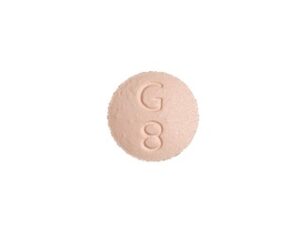


Zaleplon (Sleep Aid) – Patient-Friendly Guide (UK)
Zaleplon is a medicine used for the short-term treatment of insomnia, particularly when trouble is mainly with getting to sleep. It belongs to the group of medicines commonly referred to as “Z-drugs” (non-benzodiazepine hypnotics). This page explains how zaleplon works, how it behaves in the body, how to take it safely, and what to expect.
Important: This information is designed to help you understand zaleplon. It is not a substitute for advice from a healthcare professional.
Basic product information
- Active ingredient: Zaleplon
- Type: Hypnotic (sleep medicine), Z-drug
- Common form: Tablets (strengths vary by product)
- Use: Short-term treatment of insomnia
- Where it fits best: Difficulty initiating sleep (falling asleep)
- Availability (UK): Typically supplied through regulated healthcare routes; availability may vary by pharmacy
If you are unsure whether zaleplon is suitable for you, speak with a pharmacist or GP—especially if you have long-term sleep problems, underlying breathing disorders, or take other medicines that affect the brain.
How zaleplon works (mechanism of action)
Zaleplon acts on the brain’s GABA system. GABA (gamma-aminobutyric acid) is the body’s main inhibitory neurotransmitter—essentially helping to “calm down” brain activity.
Zaleplon binds to specific sites on the GABA-A receptor, producing a stronger inhibitory effect. The result is:
- Reduced neuronal activity in sleep-related brain circuits
- Facilitation of sleep onset
- Potentially less impact on sleep later in the night due to its relatively short duration of action
Like other hypnotics in its class, zaleplon is intended for brief use. It can help you sleep, but it does not treat the underlying causes of insomnia (stress, pain, shift work, sleep apnoea, restless legs, etc.).
Pharmacokinetics: how the body absorbs and handles zaleplon
“Pharmacokinetics” describes what happens to a medicine over time—absorption, distribution, metabolism, and elimination. Zaleplon has characteristics that make it useful when sleep initiation is the main issue.
Absorption
Zaleplon is absorbed after oral dosing. Its onset can vary depending on whether you have eaten.
Time to peak effect (typical pattern)
After taking it, levels in the blood rise and reach a peak fairly quickly for a sleep medicine. For many people, that helps with falling asleep.
Metabolism
Zaleplon is metabolised primarily in the liver. How quickly this happens can vary between individuals, particularly with liver function or certain drug interactions.
Elimination
Zaleplon is eliminated from the body mostly via metabolism products. Because of its shorter duration compared with some other hypnotics, it may be less likely to cause morning grogginess in some people—though this is still possible.
Your clinician or pharmacist can advise how to use it based on your personal risk factors and other medicines.
Typical use and who it may suit
Zaleplon is used for short-term treatment of insomnia. It is often considered when:
- You have difficulty getting to sleep
- You need help for a limited period rather than ongoing long-term use
- You may benefit from a shorter-acting option that targets sleep onset
It is usually not intended for permanent treatment of chronic insomnia without addressing underlying causes. If your sleep problems last for more than a few weeks, you should discuss further evaluation with a GP or sleep specialist.
Timing: when to take zaleplon
To reduce the chance of feeling drowsy while you are still awake, zaleplon is generally taken:
- Just before going to bed
- When you can ensure a full night of sleep time is available
Many sleep medicines are recommended only when you can stay in bed long enough for the medicine to take effect. If you get up soon after taking zaleplon, you may experience impaired alertness.
Follow your specific label instructions or the advice provided by your healthcare professional. If the timing feels difficult, discuss alternatives—there may be other options better suited to your routine.
Food interactions (what you eat and drink)
Food can influence how quickly zaleplon begins to work. In general:
- Taking with or soon after a heavy meal may delay the onset of effect for some people.
- Taking on an empty stomach may allow faster onset and improved sleep initiation.
Practical tip: If you notice it takes longer to work after meals, discuss timing adjustments with your pharmacist. Do not change dose frequency without medical guidance.
Alcohol interactions
Do not drink alcohol while taking zaleplon unless a clinician has explicitly advised it. Alcohol can:
- Increase sedative effects (greater drowsiness and impaired coordination)
- Increase the risk of falls and accidents
- Worsen memory problems and confusion
- Increase breathing-related risk in susceptible individuals
If you have alcohol use concerns, tell your healthcare professional—safe alternatives can be discussed.
Medicine interactions (other drugs that affect sleep safety)
Zaleplon can interact with medicines that affect the brain, liver enzymes, or breathing. Always check with a pharmacist if you start, stop, or change any medicine.
Common interaction themes
- Other sedatives/hypnotics (additive sleepiness)
- Opioid pain medicines (higher risk of sedation and breathing suppression)
- Antihistamines that cause drowsiness (increased sedation)
- Some antidepressants and antipsychotics (may affect sedation or metabolism)
- Medicines affecting liver enzymes (can change zaleplon levels)
- Medicines that inhibit CYP enzymes (may raise zaleplon exposure)
Special caution
Extra care is needed if you take any medicine that already affects alertness, muscle control, or respiration. Also consider interactions with over-the-counter products (including some cold remedies and anti-allergy medicines).
Do not drive or operate machinery until you know how zaleplon affects you the next day.
Indications: what zaleplon is used for
The main indication for zaleplon is the short-term treatment of insomnia. It is most helpful for people who struggle primarily with sleep initiation.
If your insomnia is linked to pain, anxiety/depression, shift work, frequent nocturnal urination, sleep apnoea symptoms (such as loud snoring with pauses in breathing), or restless legs, you may need a different strategy.
Dosing: how much and how often
Dosing depends on your age, liver function, other medicines, and how you respond. Follow the dose on your product label or the instructions provided by your healthcare professional.
General patterns used in practice include:
- Adults: taken as a single dose in the evening, close to bedtime
- Elderly patients: often require lower doses due to increased sensitivity and metabolism differences
- Liver impairment: dose adjustments may be needed
Do not increase the dose to “make it work.” If it isn’t helping, the safest step is to speak with a pharmacist or GP rather than taking more.
| Patient group | Typical approach | Why it matters |
|---|---|---|
| Adults | Single dose at bedtime, as directed | Aims to support falling asleep |
| Elderly | Often lower starting dose | Higher sensitivity and potential next-day effects |
| Liver impairment | Dose adjustment may be required | Different breakdown of the medicine |
| Taking other interacting medicines | May need additional caution or avoidance | Higher risk of increased sedation or side effects |
Safety profile: side effects, risks, and when to seek help
Like all medicines, zaleplon can cause side effects. Many people experience mild, short-lived effects, especially during the first days. However, some risks require urgent attention.
Common or mild side effects
- Daytime drowsiness
- Dizziness
- Headache
- Nausea or stomach discomfort
- Dry mouth or changes in taste
Less common but important risks
- Unusual behaviours during sleep (such as sleepwalking, sleep-driving, or other activities)
- Memory problems (amnesia for events around the time you took the medicine)
- Falls or loss of balance (more likely if you get up at night)
- Dependence and tolerance with prolonged use
- Worsening depression in some individuals or changes in mood
Get urgent medical help if
- You have severe breathing difficulties, unusual severe drowsiness, or cannot be easily awakened
- You experience serious allergic reactions (e.g., swelling of the face/lips, trouble breathing, widespread rash)
- You engage in potentially dangerous behaviours while not fully awake
If you’re at higher risk (elderly, respiratory disease, other sedating medicines, or alcohol use), discuss the risk-benefit carefully with a clinician.
Practical use tips for safer sleep
- Only use when you can sleep long enough: plan your night so you won’t need to get up soon after taking it.
- Keep the bedroom environment supportive: cool, dark, and quiet.
- Limit time in bed awake: if you can’t sleep, consider brief relaxation and return later.
- Avoid alcohol: it can significantly worsen sedation and safety.
- Be careful with night-time trips: use good lighting to reduce fall risk.
- Follow a short course: prolonged use can increase dependence risk—your clinician may plan how long it’s needed.
- Don’t combine with other sedatives unless advised: including herbal sleep aids and “night-time” cold products.
Non-medicine approaches (sleep hygiene, structured wind-down routines, limiting caffeine late in the day, and managing anxiety) often improve insomnia and can reduce the need for hypnotics over time.
Alternative options for insomnia (UK)
If zaleplon isn’t suitable, doesn’t work, or you want to reduce reliance on sleep medicines, several options may be considered:
Non-medicinal alternatives
- CBT-I (Cognitive Behavioural Therapy for Insomnia): widely recommended as a first-line approach for many people.
- Sleep hygiene strategies: consistent sleep/wake times, limiting naps, reducing evening caffeine and nicotine.
- Relaxation methods: breathing exercises, progressive muscle relaxation, mindfulness.
- Address underlying conditions: pain control, reflux management, anxiety treatment, or evaluation for sleep apnoea.
Medication alternatives (discuss with a clinician)
- Other Z-drugs (e.g., zolpidem) or different hypnotics with varied durations
- Melatonin in certain circadian rhythm conditions (varies by indication)
- Short-term options tailored to symptom pattern (sleep onset vs early waking)
Choice depends on your symptom pattern, safety considerations (age, respiratory risk, fall risk), and interactions with other medicines. Never switch or combine sleep medicines without professional advice.
Market and legal context in the United Kingdom
Medicines for insomnia in the UK are regulated, and the supply of hypnotics is subject to UK medicines legislation and pharmacy controls. In addition, UK clinical practice emphasises careful prescribing and reviewing of hypnotics, especially for older adults and for anyone at risk of falls, dependence, or breathing problems.
The aim of UK healthcare guidance is to:
- Use hypnotics only when appropriate and for the shortest duration necessary
- Support patients with non-drug approaches such as CBT-I
- Review effectiveness and safety regularly
- Minimise risky combinations (e.g., with opioids or alcohol)
Local service pathways may differ depending on your area, but the overall emphasis on safe prescribing and ongoing review is consistent.
Recent guidance and clinical approach (UK)
UK practice commonly reflects broader European/UK safety priorities for hypnotics:
- Short-term use and review of ongoing need
- Assessing dependence risk and balancing benefits vs harms
- Reducing next-day impairment and fall risk (especially in older adults)
- Screening for substance misuse and alcohol/medication misuse risk
- Considering CBT-I as a key strategy for longer-term improvement
Guidance can evolve as new safety information becomes available. If you are using zaleplon, it’s a good idea to review your ongoing plan with a healthcare professional, particularly if symptoms persist.
Delivery and availability (UK online pharmacy)
Availability of zaleplon may vary between pharmacies and depends on the current product and regulatory status. When ordering online in the UK, you should expect:
- Clear product information (strength, pack size, and dosage form)
- Ordering steps aligned with UK pharmacy regulations and patient safety requirements
- Secure packaging to protect tablets during transit
- Tracking updates for dispatch and delivery status (where offered)
- Delivery times depending on your location and the dispatch schedule
If you have questions about current stock, dispatch times, or delivery options, contact the pharmacy’s customer service. Always check the expiry date on your medication packaging when it arrives.
FAQ about zaleplon
1) Is zaleplon only for short-term use?
Zaleplon is generally used for short-term insomnia treatment. If your sleep issues continue, it’s important to seek review so the underlying cause can be addressed and a long-term plan can be made.
2) How quickly does zaleplon work?
For many people, zaleplon helps with sleep onset. The exact timing can vary, and taking it after a heavy meal may delay onset for some individuals.
3) Can I take zaleplon every night?
It depends on your situation and safety profile. In general, ongoing daily use should be reviewed with a healthcare professional, because tolerance, dependence risk, and next-day effects may increase over time.
4) What should I do if I wake up during the night?
Don’t take extra doses to “catch up.” If you wake during the night, follow the instructions provided with your medicine. If insomnia persists or worsens, speak with a pharmacist or GP about a safer strategy.
5) Will zaleplon make me drowsy the next day?
It can, especially if the dose is too high for you, if you don’t get enough sleep time, or if you combine it with alcohol or other sedating medicines. Avoid driving or operating machinery until you know how it affects you.
6) Can I drink alcohol while taking zaleplon?
It’s strongly advised to avoid alcohol because it can significantly increase sedation and impair coordination, increasing the risk of accidents and breathing-related problems.
7) What medicines should I avoid combining with zaleplon?
Avoid combining zaleplon with other sedatives or medicines that can depress the central nervous system (including opioids) unless your clinician specifically approves it. Always check all your medicines (including over-the-counter and herbal products) with a pharmacist.
8) Is zaleplon habit-forming?
Like other hypnotics, zaleplon can lead to dependence if used improperly or for too long. Using the lowest effective dose for the shortest period helps reduce risk.
9) Are there signs that I should stop and get medical advice?
Seek medical advice urgently if you experience severe drowsiness, breathing problems, severe allergic reactions, or any dangerous behaviours during sleep (such as sleepwalking or sleep-driving). For other concerns (e.g., persistent side effects), contact a pharmacist promptly.
10) Are there non-drug options that can help insomnia?
Yes. In many patients, CBT-I and sleep hygiene measures provide durable benefits and may reduce reliance on medicines. If you have ongoing insomnia, consider discussing a structured sleep plan.
Summary
Zaleplon is a Z-drug hypnotic used for the short-term treatment of insomnia, particularly to help with sleep onset. It works by enhancing the brain’s GABA system, and its relatively short action can make it appealing for people who mainly struggle to fall asleep. Safe use depends on correct timing, avoiding alcohol, and being cautious with interacting medicines.
If you have any questions about how to take zaleplon safely—or if your insomnia persists—speak with a pharmacist or GP.