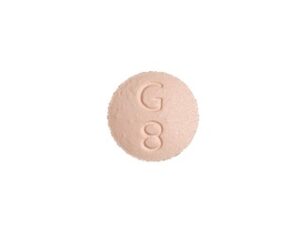


Zolmitriptan (for migraine) — Patient Information
Zolmitriptan is a medicine used to treat the symptoms of migraine. It belongs to a group of medicines called triptans. Zolmitriptan helps to reduce migraine headache pain and may also improve symptoms such as nausea, vomiting, and sensitivity to light or sound.
This page explains how zolmitriptan works, how to use it safely and effectively, what to expect, and important safety information for people in the United Kingdom.
Basic product information
- Active ingredient: Zolmitriptan
- Medicine type: Triptan (serotonin receptor agonist)
- Common forms: Tablets (including rapid/quick-dissolving forms depending on brand), and in some markets, orodispersible/other presentations
- What it does: Relieves migraine attacks
- Typical use: Taken at the start of a migraine attack (not to prevent attacks)
Note: The exact strength and formulation (e.g., tablets vs orodispersible forms) vary by product. Always follow the instructions provided with your specific pack.
What is a migraine?
A migraine is a neurological condition that causes moderate to severe headache, often with additional symptoms. Some people experience an aura—temporary warning symptoms such as visual disturbances—before the headache starts.
Zolmitriptan is used to treat migraine attacks in people who have migraine with or without aura.
Mechanism of action (how zolmitriptan works)
Zolmitriptan works by affecting serotonin (5-HT) receptors in the brain and blood vessels. More specifically, it acts as a selective agonist at serotonin receptor types (commonly described as 5-HT1 receptors).
During a migraine attack, blood vessels and nerve signalling pathways in the brain can become overactive. Zolmitriptan helps by:
- Reducing pain signalling involved in migraine
- Constriction of certain dilated blood vessels (when appropriate)
- Helping with associated symptoms like nausea and light/sound sensitivity
Zolmitriptan does not cure migraine permanently, but it can shorten attacks and lessen their severity.
Pharmacokinetics (how the body handles zolmitriptan)
Pharmacokinetics describes what happens to a medicine after you take it—absorption, distribution, metabolism, and elimination.
| Aspect | What it means for patients |
|---|---|
| Absorption | Zolmitriptan is absorbed after taking it by mouth. Faster-acting formulations may dissolve more quickly for quicker symptom relief. |
| Onset | Some people feel improvement within about 30–60 minutes, though timing varies. If one dose does not help, a second dose may be considered as directed for that product. |
| Distribution | It reaches sites involved in migraine signalling in the body, including the central nervous system. |
| Metabolism | The medicine is metabolised (processed) mainly by liver enzymes (including the CYP family). |
| Elimination | The medicine and its metabolites are eliminated primarily through the kidneys and to some extent via bile/feces. |
| Half-life | Zolmitriptan has a moderate duration of action. Because migraines can return, some people may need a second dose or may experience recurrence. |
If you have liver or kidney problems, the way you process zolmitriptan can differ. Your clinician may adjust the dose. Always check the specific instructions that apply to your situation.
Typical use and timing during a migraine
When to take it
Zolmitriptan is used for acute treatment—to relieve a migraine attack that has already started. Taking it as early as possible in the attack may improve effectiveness.
- If you feel a migraine coming on (for example, you recognise your usual symptoms), take zolmitriptan early in the attack.
- If you have aura, many people take zolmitriptan when the aura begins or when the headache starts— follow the guidance given for your product and your clinician’s advice.
If it doesn’t work straight away
Migraine attacks vary. If your symptoms do not improve after the first dose, do not exceed the maximum daily dose. For some presentations, a second dose may be allowed after a specified interval. Check the pack instructions for your exact dosing schedule.
If you need repeated doses frequently, or your migraine attacks are changing, seek medical advice. Frequent use of medicines for headaches can lead to medication-overuse headache.
Food interactions
Most people can take zolmitriptan with or without food, but food can sometimes affect how quickly a medicine acts. For example:
- With food: may delay absorption slightly for some formulations
- Without food: may lead to quicker onset for some people
If your migraines are accompanied by nausea, taking the medicine when you can tolerate fluids may help. Follow the instructions for your specific formulation.
Alcohol and medicine interactions
Alcohol does not have the same direct interaction as some other drugs, but it can trigger or worsen migraines in many people. In addition, alcohol may increase nausea and make symptom control more difficult.
Because of the possibility of migraine worsening and general medication safety considerations, it is generally recommended to limit or avoid alcohol during migraine attacks.
Important medicine interactions (tell us what you take)
Zolmitriptan can interact with certain medicines. Examples include:
- Other triptans or medicines of the same class (avoid double-use in the same attack)
- Ergotamine/ergot-type migraine medicines (combined use may increase risk)
- Monoamine oxidase inhibitors (MAOIs) used for depression or other conditions (may increase zolmitriptan levels)
- Serotonin-related medicines (such as certain antidepressants) — combining medicines that affect serotonin may rarely increase the risk of serotonin syndrome
- Some antibiotics/antifungals and other medicines that affect liver enzymes may change zolmitriptan metabolism
Always keep an up-to-date list of all medicines, including over-the-counter products and herbal supplements, and share it with a pharmacist or clinician when advice is needed.
Indications (what zolmitriptan is used for)
Zolmitriptan is indicated for the acute treatment of:
- Migraine attacks with or without aura
It is not intended for prevention and is not for use in other types of headache conditions unless specifically advised.
Dosing (typical approach and practical considerations)
Dosing depends on the product strength and formulation, and your individual health circumstances. The information below is general—always follow the instructions on your pack.
General dosing principles
- Start low if advised: many regimens begin with a lower effective dose.
- Take early: take as early as possible in the migraine attack.
- Maximum daily dose: do not exceed the maximum allowed within 24 hours.
- Second dose interval: if needed, it is usually taken after a set number of hours.
If your migraine does not respond, do not keep taking repeated doses outside of the pack guidance. Consider whether the attack is truly migraine, whether another acute treatment might be appropriate, or whether prevention may be needed.
Special situations
- Kidney problems: dose adjustments may be necessary.
- Liver problems: dose adjustments may be necessary.
- Age and frailty: may influence how you tolerate side effects.
- Cardiovascular conditions: this can strongly affect suitability and safe dosing.
If you are unsure which dose you should take, consult a pharmacist or clinician with your specific product details.
Safety profile (important risks and who should be cautious)
Like all medicines, zolmitriptan can cause side effects. Many people experience only mild or temporary effects, but some people need extra caution due to underlying health conditions or interacting medicines.
Common side effects
- Feeling sleepy or tired
- Dizziness
- Headache or changes in headache pattern (seek advice if severe or unusual)
- Nausea
- Sensations such as tingling, flushing, warmth, or tightness (sometimes around the chest/neck)
Seek urgent medical help if you get warning symptoms
Get urgent medical advice if you experience symptoms that could indicate a serious reaction, such as:
- Chest pain, pressure, or tightness that is severe or persistent
- Shortness of breath, fainting, or severe allergic reaction (swelling of face/lips, difficulty breathing)
- Sudden severe headache unlike your usual migraines (especially if new or different)
- Signs of serotonin syndrome if relevant to your medicines: fever, agitation, confusion, sweating, tremor, muscle stiffness
Who should not use zolmitriptan (general caution)
Zolmitriptan may not be suitable if you have certain cardiovascular or vascular conditions or if you take specific medicines. Examples of situations where extra caution is needed include:
- Ischaemic heart disease or history of heart attack
- Stroke or transient ischaemic attack (TIA)
- Severe hypertension or uncontrolled blood pressure
- Peripheral vascular disease
- Use of certain interacting medicines (e.g., some antidepressants, MAOIs, ergot/other triptans)
Because suitability depends on your medical history and current medicines, it is important to speak with a pharmacist or clinician if you are unsure.
Medication-overuse headache
Using medicines to treat headaches too often can lead to medication-overuse headache, where headaches become more frequent.
- Consider keeping a record of how many attacks you treat and how many days you use acute medicines.
- If you need acute headache medicine very frequently, discuss prevention options.
Practical use tips
- Use it early: the earlier you take it in the migraine attack (when appropriate), the better it may work.
- Create a “migraine plan”: keep notes on which dose works, what symptoms you get, and how quickly it acts.
- Hydration: take small sips of water if you can, especially if nausea is present.
- Reduce triggers during an attack: rest in a dark, quiet room; avoid bright screens if light triggers you.
- Track recurrence: migraines can return after initial relief. If you consistently get recurrence, discuss options with a clinician.
- Avoid doubling up: do not take another triptan or ergot medicine at the same time unless advised.
Alternative options for migraine attacks
If zolmitriptan isn’t suitable or doesn’t work well enough, there are other acute and preventive treatment options. Your best choice depends on your migraine pattern, medical history, and other medicines you use.
Other acute treatments
- Other triptans (for example, sumatriptan, rizatriptan, eletriptan) — may be better tolerated for some people
- Analgesics such as paracetamol (acetaminophen) or anti-inflammatory medicines for mild/moderate attacks
- Anti-nausea medicines where appropriate (to help you keep fluids/medicines down)
- Newer non-triptan options (availability varies), including CGRP-targeting therapies where appropriate in line with UK clinical guidance.
Preventive options (if attacks are frequent)
If you have frequent migraines or significant impact despite acute treatments, preventive medicines and strategies may help. Options can include beta-blockers, certain antidepressants, anti-seizure medicines, and monoclonal antibody therapies (where eligible), along with lifestyle and trigger management.
Market and legal context in the United Kingdom
In the UK, migraine treatments are supplied through a framework of medicines regulation and healthcare guidance. The classification and availability of zolmitriptan depend on the specific product strength and formulation, and the rules in place at the time of supply.
Many triptans are provided via standard healthcare routes. Some may require involvement of a healthcare professional depending on the product and local arrangements. If you are buying online, ensure the seller is reputable and that product details on the listing match the medicine you intend to use.
Always check the product pack for authorised uses and dosing instructions for the UK market.
Recent guidance and clinical practice (high-level)
Clinical approaches in the UK emphasise:
- Early treatment of attacks with appropriate acute therapies
- Avoiding overuse of acute headache medicines to reduce risk of medication-overuse headache
- Considering preventive therapy when migraines are frequent or disabling
- Reviewing comorbidities (such as cardiovascular risk, asthma, and mental health) and current medicines to reduce interaction risks
If your migraine pattern changes, your doctor may review whether zolmitriptan remains the best choice or whether another strategy is safer.
Delivery and availability (online pharmacy notes for the UK)
Online pharmacies in the UK generally offer delivery options designed to ensure medicines reach you safely. Availability may vary by:
- Pack size and strength
- Formulation (e.g., standard vs rapidly dissolving)
- Regional stock levels and courier services
When ordering, check:
- Product details (strength, formulation, and quantity)
- Delivery times shown at checkout
- Packaging and temperature requirements (if any)
- Whether your order is dispatched from a UK location
FAQ
How quickly does zolmitriptan work?
Many people notice improvement within about 30–60 minutes, but individual responses vary. If you use a quicker-dissolving formulation, it may act faster for some people.
Can I take zolmitriptan with food?
In general, you can take it with or without food. Food may slightly affect how quickly it starts working. If nausea is an issue, choose a moment when you can comfortably take your dose.
What if my migraine comes back after the first dose?
Migraine recurrence can happen. If your pack instructions allow a second dose, follow the recommended interval and maximum daily dose. If recurrence is frequent or severe, speak with a pharmacist or clinician about adjusting your acute treatment strategy or considering prevention.
How many doses can I take in 24 hours?
The maximum number of doses in 24 hours depends on the exact strength and product instructions. Always follow the pack guidance and do not exceed the stated maximum.
Can I use zolmitriptan every day?
Zolmitriptan is intended for acute treatment of migraine attacks, not daily use. Frequent use of acute headache medicines can lead to medication-overuse headache. If you have migraines often, discuss preventive options with a healthcare professional.
Is zolmitriptan safe to take with other painkillers?
Some painkillers may be used alongside certain migraine treatments, but it depends on what you plan to combine. To reduce risk, avoid combining multiple migraine-specific agents (such as triptans/ergots) unless advised. If you’re unsure, ask a pharmacist.
Can I drink alcohol when I’m taking zolmitriptan?
Alcohol may worsen migraines for many people and can increase nausea. It’s generally best to limit or avoid alcohol during a migraine attack, and follow the advice given for your situation.
Who should be cautious before using zolmitriptan?
People with certain cardiovascular conditions, those with uncontrolled high blood pressure, a history of stroke/TIA, or those taking interacting medicines should seek advice before use. If you have any of these issues, ask a pharmacist or clinician.
What should I do if I miss a dose?
Zolmitriptan is taken when you have a migraine attack. If you miss a dose within that attack, take it only when you next need it and when it is appropriate according to the pack guidance. Do not take extra doses to compensate.
When should I seek urgent medical help?
Seek urgent help if you develop severe or unusual symptoms, such as chest pain, difficulty breathing, signs of severe allergy, sudden severe headache unlike your usual migraines, or symptoms suggesting serotonin syndrome (especially if you take serotonin-related medicines).
Summary
Zolmitriptan is a triptan medicine used to treat acute migraine attacks. It works by targeting serotonin receptors involved in migraine pain pathways. For best results, take it early in your attack and follow the dosing instructions on the product pack.
If you have frequent migraines, significant side effects, medical conditions affecting safety, or you’re taking other medicines that may interact, speak to a pharmacist or clinician to ensure zolmitriptan is the right option for you.