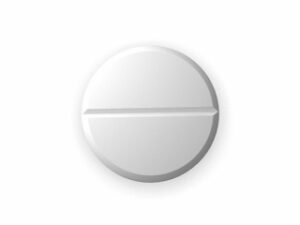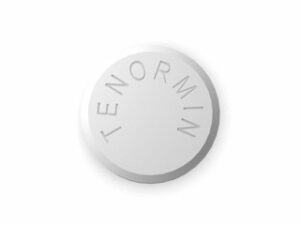

Zestoretic (Lisinopril / Hydrochlorothiazide) — Patient Guide (UK)
Zestoretic is a combination medicine used to treat long-term blood pressure and related cardiovascular conditions. It contains two active ingredients:
- Lisinopril (an ACE inhibitor)
- Hydrochlorothiazide (a thiazide diuretic, or “water tablet”)
This guide explains how Zestoretic works, when and how it is usually taken, key interactions, safety considerations, and practical tips for day-to-day use in the United Kingdom. It is written to be patient-friendly and does not replace advice from a healthcare professional.
1) Basic product information
| Item | Details |
|---|---|
| Brand | Zestoretic |
| Active ingredients | Lisinopril + Hydrochlorothiazide |
| Medicinal class | ACE inhibitor + thiazide diuretic |
| Main uses | High blood pressure (hypertension); selected patients with certain cardiovascular conditions |
| Typical dosing form | Tablets (strengths vary; follow your pack/label) |
| Who it’s for | Adults requiring combination blood-pressure control |
2) How Zestoretic works (mechanism of action)
Zestoretic lowers blood pressure through two complementary mechanisms:
-
Lisinopril (ACE inhibitor)
- ACE (angiotensin-converting enzyme) helps produce angiotensin II, a substance that narrows blood vessels.
- By blocking ACE, lisinopril helps blood vessels relax and widen, reducing blood pressure.
- It also reduces strain on the heart and can be beneficial in certain heart-related conditions.
-
Hydrochlorothiazide (thiazide diuretic)
- Works in the kidneys to increase the loss of sodium and water in urine.
- This reduces fluid volume and helps decrease blood pressure.
- It may also help prevent swelling caused by fluid retention.
Why the combination? Many people need more than one approach to reach safe blood pressure targets. Using an ACE inhibitor plus a thiazide diuretic can improve effectiveness and may reduce the need for higher doses of any single medicine.
3) Pharmacokinetics (how the body handles the medicine)
Pharmacokinetics describes absorption, distribution, metabolism, and elimination. Individual results can vary, especially in people with kidney problems.
Lisinopril
- Absorption: Taken by mouth; absorption occurs after swallowing. Food may slightly affect absorption but does not usually stop the medicine from working.
- Distribution: Travels in the bloodstream to exert its effect.
- Metabolism: Usually not extensively metabolised by the liver.
- Elimination: Primarily cleared by the kidneys. Dose may need adjustment if kidney function is reduced.
Hydrochlorothiazide
- Absorption: Absorbed from the gut after a tablet is taken.
- Metabolism: Limited metabolism.
- Elimination: Mostly excreted unchanged by the kidneys.
Kidney function matters: Because both ingredients depend on kidney handling, your clinician may monitor blood tests (e.g., creatinine/eGFR and electrolytes such as potassium and sodium).
4) Typical uses in the UK
Zestoretic is commonly used for:
- Hypertension (high blood pressure): Particularly when a single medicine has not achieved adequate control.
- Selected cardiovascular conditions: In some people with conditions where blood-pressure lowering and cardiovascular protection are important (your prescriber will determine suitability based on your medical history and test results).
Important: Medicines in this group are not intended for quick relief of symptoms. Their role is long-term risk reduction by controlling blood pressure and supporting heart and kidney health where appropriate.
5) When to take it (timing and consistency)
Typical timing: Zestoretic is usually taken , often in the morning. This can help reduce the chance of needing the toilet at night due to the diuretic effect.
- Take at the same time each day to maintain steady effect.
- With or without food: Food generally does not prevent the medicine from working, so you can follow a routine that is easy for you.
- If you miss a dose: Take it as soon as you remember, unless it is close to the next dose. Do not take a double dose to make up for a missed tablet.
If you are unsure about what to do after a missed dose, check your patient information leaflet (PIL) or ask a pharmacist.
6) Food interactions
Zestoretic can usually be taken with or without food. However, consider the following:
- Salt and “high-salt” diets: Because hydrochlorothiazide and lisinopril work partly by influencing kidney and blood vessel function, heavy salt intake can make blood-pressure control harder.
- Potassium-rich foods and salt substitutes: Some salt substitutes contain potassium. Lisinopril can raise potassium levels, so ask your pharmacist before using potassium-containing salt substitutes.
- Alcohol with meals: Alcohol can worsen blood-pressure lowering effects (see below).
General dietary tip: Aim for a balanced diet and discuss any major dietary supplements with a clinician, especially if you have kidney disease or high potassium.
7) Alcohol and medicine interactions
Alcohol can increase the blood-pressure-lowering effect of Zestoretic and may increase dizziness or risk of falls, particularly when you first start or if the dose is increased.
- Early treatment caution: Be careful the first few days after starting or changing dose—stand up slowly and avoid driving if you feel light-headed.
- Moderation: If you drink alcohol, keep it moderate and monitor how you feel.
- Hydration: Diuretics can contribute to dehydration. Alcohol can also affect hydration, so you may feel more tired or dizzy.
Emergency symptoms: Seek urgent medical attention if you faint, have severe dizziness, chest pain, or severe allergic symptoms.
8) Other important medicine interactions
Some medicines can interact with Zestoretic by changing kidney function, potassium levels, bleeding risk, or blood pressure. Always tell a healthcare professional about everything you take, including medicines bought without a prescription, herbal products, and supplements.
Common interaction categories
-
Non-steroidal anti-inflammatory drugs (NSAIDs) (e.g., ibuprofen, naproxen, diclofenac)
- Regular or high-dose NSAIDs may reduce blood-pressure control and can affect kidney function.
- This combination may increase risk of kidney injury, especially if you are dehydrated or elderly.
-
Potassium supplements or potassium-sparing diuretics (e.g., spironolactone, eplerenone, amiloride, triamterene)
- Lisinopril can increase potassium. Combining these may raise potassium too much.
- Often requires blood test monitoring.
-
Diabetes medicines (insulin, metformin, sulfonylureas)
- Hydrochlorothiazide can alter blood sugar in some people.
- Some people may require dose adjustments and closer monitoring of glucose.
-
Lithium
- May increase lithium levels and toxicity risk.
- Use together only with close monitoring if advised.
-
Other blood-pressure medicines
- Combining antihypertensives can increase the risk of dizziness or low blood pressure.
-
Steroids (e.g., prednisolone) or ACTH
- May worsen potassium levels (and influence fluid/electrolyte balance).
-
Drugs that affect potassium or sodium
- Some medicines can also disturb electrolytes, increasing the chance of abnormal potassium/sodium levels.
Herbal and supplement caution: Licorice (often found in some herbal products) can affect potassium and blood pressure. If you use supplements, mention them to a pharmacist or clinician.
9) Indications and who should be especially careful
Zestoretic is intended for adults who need combined treatment. Suitability depends on your medical history and blood test results.
Extra caution may be needed if you have:
- Kidney disease or reduced kidney function
- History of high potassium or conditions affecting electrolytes
- Dehydration (e.g., due to vomiting/diarrhoea) or reduced fluid intake
- Severe heart failure or certain heart rhythm/heart valve conditions
- Diabetes or gout (thiazides can affect uric acid)
- Previous allergic reaction to ACE inhibitors
Depending on your situation, your clinician may monitor blood tests more frequently at the beginning or after dose changes.
10) Dosing (how it’s usually started and adjusted)
Dosing depends on your current blood pressure, kidney function, and electrolyte levels. Always follow the strength and instructions on your pack or provided by your healthcare team.
General approach
- Start low, go slow: Many people begin with a dose chosen to minimise side effects such as dizziness or kidney/electrolyte changes.
- Regular review: Blood pressure and blood tests are commonly reviewed after starting or dose changes.
- Single daily dose: Often taken once daily, commonly in the morning.
Typical strength combinations
In the UK, Zestoretic is available in various tablet strengths containing fixed combinations of lisinopril and hydrochlorothiazide. Your pharmacist or label will specify the exact strength.
Do not change the dose yourself. If you feel your blood pressure is too high or too low, speak to a clinician rather than adjusting tablets without guidance.
11) Safety profile: side effects and when to seek help
Like all medicines, Zestoretic can cause side effects. Many are mild and improve as your body adjusts. However, some require urgent medical attention.
Common or expected side effects
- Dizziness, especially when standing up
- Headache
- Dry cough (ACE inhibitors such as lisinopril commonly cause a persistent dry cough in some people)
- Increased urination early in treatment (from hydrochlorothiazide)
- Fatigue
- Muscle cramps or weakness (can be related to electrolyte changes)
Less common but important side effects
- Changes in blood electrolytes (e.g., potassium or sodium levels)
- Changes in kidney function
- Low blood pressure (may feel like light-headedness, fainting)
- Uric acid increase (can trigger gout in predisposed individuals)
- Skin reactions (rash or itching)
Rare but serious reactions (seek urgent medical advice)
-
Angioedema (a swelling reaction): signs include
- swelling of face, lips, tongue, or throat
- trouble breathing or swallowing
Call emergency services immediately if these occur.
- Severe allergic reaction
- Severe dizziness or fainting
- Signs of kidney problems such as greatly reduced urine output, severe weakness, or unusual swelling
- Persistent fever, sore throat, or unusual infections (could indicate blood cell changes)
If you experience side effects, talk to a pharmacist or clinician promptly. They may adjust dose or review whether an alternative treatment is more suitable.
12) Practical use tips (making treatment easier)
- Check your blood pressure: If you use a home monitor, keep a log to show your clinician. Take readings at the same time of day.
- Be cautious when standing: Rise slowly from sitting or lying positions, especially after starting or dose changes.
- Stay hydrated: Unless you’ve been told to restrict fluids, maintain normal hydration—diuretics can increase fluid loss.
- Keep track of side effects: Note timing (e.g., cough, dizziness) to help decide if treatment changes are needed.
- Don’t stop suddenly: Zestoretic is used long-term for cardiovascular risk reduction. Stopping can lead to blood pressure rising.
- Routine blood tests: Follow advice for blood pressure and blood tests (kidney function and electrolytes), especially soon after starting.
“Sick day” guidance (important)
If you become significantly unwell with vomiting, diarrhoea, or cannot drink normally, you may become dehydrated. Dehydration can raise the risk of kidney problems while taking blood-pressure medicines like Zestoretic. Many patients are advised to seek advice promptly during such episodes. If you are unsure, contact a clinician or pharmacist for personalised instructions.
13) Alternative options (if Zestoretic isn’t suitable)
Alternative treatments depend on the reason you’re taking Zestoretic, your blood test results, and your tolerance. Options may include:
- Single active ingredient therapies
- ACE inhibitor alone (for example, different ACE inhibitors)
- Thiazide or related diuretic alone
- Other combination strategies
- ACE inhibitor + thiazide (different brand combinations)
- Angiotensin receptor blocker (ARB) + thiazide (if an ACE inhibitor cough occurs)
- Different classes based on your profile (e.g., calcium-channel blockers), sometimes combined with diuretics or ACE inhibitors/ARBs.
Important: If you experience troublesome side effects such as persistent cough, swelling/angioedema, or significant electrolyte problems, discuss alternatives with a clinician rather than changing medications on your own.
14) UK market and legal context (what to expect)
In the United Kingdom, medicines containing active ingredients such as lisinopril and hydrochlorothiazide are regulated and supplied according to UK medicines legislation and clinical governance. Availability may vary by strength and manufacturer, and some presentations may be listed as branded or generic products.
For online pharmacy users, common expectations include:
- Pharmacist checks for suitability, allergies, and potential interactions
- Clear patient information with each supply
- Advice to follow clinician instructions on monitoring and safety
Recent guidance (general trend): For ACE inhibitor–diuretic therapy, UK clinical practice continues to emphasise monitoring kidney function and electrolytes (especially potassium and sodium), particularly shortly after starting and after dose changes. Patients are also commonly reminded about cough, dehydration risks, and allergy/angioedema warning signs.
15) Delivery and availability (online pharmacy)
Availability of Zestoretic may depend on tablet strength and current stock levels. If you order online, you should receive:
- the correct strength of tablets as listed
- a patient information leaflet
- delivery updates and tracking (depending on the service)
Delivery expectations: Delivery times vary by supplier and location within the UK. Where possible, choose delivery methods that suit your schedule, especially if you need the medicine to continue without interruption.
Storage: Store tablets in a safe, dry place at room temperature, away from excess heat and moisture, and keep out of sight and reach of children.
16) FAQ
1. What is Zestoretic used for?
Zestoretic is used mainly to treat high blood pressure (hypertension). In some patients, it may be used for specific cardiovascular conditions where controlling blood pressure and fluid balance is important.
2. How quickly will it work?
Blood pressure can start to improve within days, but the full effect on long-term cardiovascular risk requires consistent use over weeks. Your clinician may review blood pressure and blood test results after starting or changing dose.
3. Can I take Zestoretic with food?
Yes. Zestoretic can typically be taken with or without food. Try to take it at the same time each day for consistency.
4. Will I pee more when taking hydrochlorothiazide?
Some people notice increased urination, especially after the first doses or during the early stage of treatment. Taking it in the morning can help reduce night-time disruption.
5. Why do I have a dry cough?
A persistent dry cough is a known side effect of ACE inhibitors (including lisinopril). If the cough is troublesome, speak to a clinician or pharmacist. An alternative class may be considered.
6. Is it safe to drink alcohol?
Alcohol may increase dizziness or low blood pressure. If you drink, keep it moderate and be cautious—particularly when starting or after a dose increase.
7. What blood tests are monitored?
Clinicians often monitor kidney function (creatinine/eGFR) and electrolytes (such as potassium and sodium). Monitoring frequency varies based on your health and whether your dose changes.
8. What should I do if I miss a dose?
Take it as soon as you remember unless it is close to the next dose. Do not take a double dose to compensate.
9. Can I take ibuprofen or other painkillers?
Occasional use may be appropriate, but regular NSAID use (like ibuprofen or naproxen) can increase risk to kidneys and affect blood pressure control when combined with ACE inhibitors and diuretics. Discuss with a pharmacist, especially if you need pain relief frequently.
10. What are the signs of a serious allergy?
Seek urgent help if you develop swelling of the face, lips, tongue, or throat, or if you have trouble breathing or swallowing. This can be angioedema and is an emergency.
Remember: If you have questions about how Zestoretic fits your personal situation—such as kidney conditions, diabetes, gout, previous allergic reactions, or current medicines—ask a pharmacist or healthcare professional. They can provide advice tailored to your history and ensure safe use.