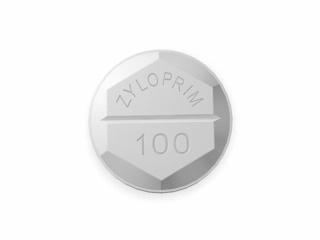

Zyloprim (Allopurinol) – Patient Information (UK)
Zyloprim is a brand of allopurinol, a medicine used to reduce high levels of uric acid in the body. Uric acid can build up and form crystals in joints and kidneys, causing painful gout attacks and kidney stones. This page explains what Zyloprim does, how it works, how to take it, key safety considerations, and where to find additional help in the United Kingdom.
Note: This information is for general guidance. Your prescriber, pharmacist, or specialist team may advise a plan tailored to you.
Basic product information
| Item | Details |
|---|---|
| Medicinal product | Zyloprim (allopurinol) |
| Active ingredient | Allopurinol |
| Main purpose | Prevents gout flares by lowering uric acid; helps manage uric acid-related conditions |
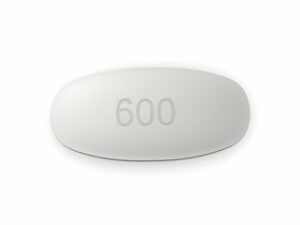
| Common forms | Tablets in different strengths (availability may vary by supplier) |
| How it works | Reduces production of uric acid |
| Typical use | Long-term urate-lowering therapy for gout and related conditions |
How Zyloprim works (mechanism of action)
Allopurinol lowers uric acid by blocking an enzyme called xanthine oxidase. This enzyme is involved in producing uric acid from purines (substances found in the body and in certain foods).
By reducing uric acid formation, Zyloprim can:
- Prevent crystals from forming in joints and kidneys.
- Gradually dissolve existing deposits over time.
- Lower the risk of recurrent gout attacks and urate-related complications.
Pharmacokinetics: how the body handles allopurinol
Understanding timing and how the medicine behaves in the body can help you stay consistent.
Absorption and metabolism
- Allopurinol is absorbed from the gut after taking by mouth.
- It is metabolised in the body to oxypurinol (an active metabolite that also helps lower uric acid).
Onset and time course
- Uric acid levels may begin to fall after starting treatment.
- However, gout flare-ups can still occur early because existing urate crystals may release and shift as levels change.
- Long-term control usually improves over weeks to months as uric acid is steadily reduced.
Half-life and elimination
- Oxypurinol has a longer duration of action than allopurinol itself.
- Both compounds are eliminated mainly through the kidneys, so kidney function affects dosing and safety.
What Zyloprim is used for (indications)
Zyloprim is used to treat conditions related to high uric acid, including:
- Chronic gout (urate-lowering therapy to prevent attacks and reduce urate burden).
- Recurrent gout and gout with complications.
- Uric acid kidney stones and other uric acid-related renal conditions.
- Hyperuricaemia in certain circumstances where urate lowering is beneficial.
- Chemotherapy or radiotherapy-related high uric acid (tumour lysis syndrome risk may require special prevention regimens under medical supervision).
Your clinician may also advise Zyloprim when your urate level is high and there is an increased risk of stones or gout complications.
Dosing: typical approach and what to expect
Dosing varies by person, based on factors such as: urate levels, gout severity, kidney function, other medicines, and your overall risk profile.
General principles
- Doctors typically start with a low dose and increase gradually.
- Gradual dose changes help reduce the risk of early flare-ups.
- Your blood uric acid level may be checked periodically to guide adjustment.
Typical timing
Zyloprim is usually taken . Some people may be prescribed a split dose depending on the total daily amount and tolerability.
Missed dose
- If you miss a dose, take it when you remember on the same day.
- If it is close to the time of the next dose, skip the missed tablet and resume your usual schedule.
- Do not take double to make up for a missed dose.
Important: Do not stop or change your dose without medical advice, even if you feel well—urate-lowering therapy often needs to be continued long term.
When to take Zyloprim: timing with meals
Many people take Zyloprim with or after food for comfort and to reduce stomach upset. It can typically be taken:
- Once daily, preferably at the same time each day
- With a glass of water
If you have been told to split your daily dose, follow your prescribed schedule closely.
Food interactions and dietary considerations
While there are no strict “forbidden” foods, diet can influence uric acid levels and gout symptoms. Your medicine works by reducing uric acid production, but food may still affect overall control.
General dietary tips for gout
- Hydrate regularly to support kidney function and help reduce stone risk.
- Limit high-purine foods (for example, certain offal, some game meats, and some shellfish).
- Reduce alcohol, especially beer and spirits.
- Be cautious with fructose-sweetened drinks (e.g., some soft drinks) as they may increase uric acid in some people.
Does food change how Zyloprim works?
Food is not usually a major factor in how Zyloprim is absorbed. Taking it with meals may simply improve tolerability.
Alcohol and interactions with other medicines
Alcohol
Alcohol can trigger gout flares by increasing uric acid levels and affecting how the body handles purines. If you drink alcohol, consider:
- Keeping intake low and discussing your situation with a healthcare professional.
- Avoiding alcohol during periods of active symptoms.
- Knowing that beer and spirits may worsen gout more than some other alcoholic drinks.
Medicine interactions
Several medicines may interact with allopurinol. Some combinations increase the risk of side effects, including severe skin reactions and blood count changes. Always inform your pharmacist or prescriber about everything you take, including: prescribed medicines, over-the-counter products, herbal remedies, and supplements.
Common interaction categories to be aware of include:
- Medicines for blood thinning (anticoagulants) (e.g., warfarin): may affect clotting control.
- Azathioprine or mercaptopurine: allopurinol can significantly increase levels of these medicines, requiring dose adjustment.
- Certain antibiotics (e.g., amoxicillin/ampicillin in some contexts): may increase rash risk.
- Diuretics (water tablets): some may affect uric acid handling.
- Some cancer medicines and immunosuppressants: dosing and monitoring may need specialist planning.
- Other urate-lowering therapies: your clinician may choose combinations in specific cases.
Because interaction risk can depend on dose and kidney function, it’s best to check your exact regimen with a pharmacist.
Safety profile: common side effects and when to seek help
Many people tolerate Zyloprim well, but like all medicines it can cause side effects. Some effects are mild and transient; others are rare but serious.
Common or less serious side effects
- Stomach upset, nausea, or diarrhoea
- Skin rashes (mild rashes can occur)
- Headache or general unwell feeling
Rare but serious reactions
Seek urgent medical help if you experience signs of a severe reaction, such as:
- Rash that is blistering, peeling, or spreading
- Swelling of the face, lips, or throat
- Breathing difficulties or severe allergic symptoms
- Fever, mouth ulcers, or widespread sores
- Unusual bruising or infections (could indicate blood count problems)
Severe hypersensitivity reactions are uncommon, but the consequences can be serious. It is crucial not to “wait it out” if symptoms are severe.
Risk factors to discuss with your clinician
Your clinician may consider additional caution if you have:
- Kidney impairment
- Concomitant medicines that increase risk of blood/skin reactions
- A history of drug hypersensitivity
- Certain genetic risk factors—your healthcare team may advise testing in selected cases
Practical use tips for best results
Start low, go steady
The most common reason people feel Zyloprim “doesn’t work” early on is that gout control improves gradually. Follow your titration plan and do not increase dose on your own.
Expect possible early flares
When starting or increasing urate-lowering therapy, flares may temporarily become more likely. Your clinician may prescribe an anti-inflammatory plan to reduce this risk in the early period.
Stay hydrated
Good hydration supports kidney function and can reduce the risk of uric acid crystal problems and kidney stones.
Keep an eye on symptoms and blood tests
- Attend recommended blood monitoring appointments (commonly includes urate levels and kidney/liver function).
- Report any new rash or unusual symptoms promptly.
- Inform your clinician about changes to your medicines (including OTC and herbal products).
Long-term adherence
Zyloprim is usually taken long term to maintain low uric acid and prevent flares and complications. Even when you feel well, urate-lowering is often needed to keep gout under control.
Alternative options (if you cannot take Zyloprim or need a change)
There are other treatments used to lower uric acid or manage gout. Which option is best depends on your medical history, kidney function, side-effect history, and uric acid targets.
Common alternatives for urate lowering
- Febuxostat – another xanthine oxidase inhibitor; may be considered in some cases if allopurinol is not suitable.
- Uricosuric medicines (e.g., probenecid in certain settings) – increase uric acid excretion (suitability depends on kidney function and local availability).
- Urate-lowering biologic options (specialist use) – for selected patients where standard options are not effective or tolerated.
Alternatives for flare treatment
Different medicines are used to treat acute gout attacks (not to prevent urate deposition). Examples include anti-inflammatory treatments, depending on your health profile. Your healthcare team can advise what is appropriate for you.
If you’re considering alternatives due to side effects or lack of response, ask your pharmacist or clinician about your options and what monitoring is required.
UK market and legal context: availability and regulation
In the United Kingdom, Zyloprim (allopurinol) is a regulated medicine supplied through pharmacy channels in line with UK medicines legislation and NHS/local guidance. Brand and strength availability may vary by supplier and stock levels.
Pharmacy teams often support patients with:
- Checking product strength and dosing instructions
- Reviewing potential interactions
- Helping you understand monitoring and what to watch for
Recent guidance and clinical practice (UK)
Treatment approaches for gout generally emphasise:
- Urate lowering for patients with recurrent gout or gout complications
- Individualised uric acid targets based on risk and clinical response
- Careful dose titration and monitoring
- Management of early flare risk when starting or increasing urate-lowering therapy
- Attention to kidney function and safety screening where relevant
Specific recommendations can evolve, and your clinician may follow the latest national and specialist guidance available at the time of care.
Delivery and availability (online pharmacy)
Zyloprim (allopurinol) may be available in different tablet strengths depending on current supply. When ordering online, the pharmacy will typically:
- Confirm the correct product strength and dosing instructions
- Pack your items securely for safe transit
- Dispatch your order within operational timeframes (subject to availability)
Delivery options, costs, and dispatch times may vary. If a strength or pack size is temporarily unavailable, you may be offered an alternative option or asked to confirm preferences.
For the most accurate information for your order, check the pharmacy’s delivery and stock policy during checkout.
FAQ: Zyloprim (allopurinol) – common questions
1) Does Zyloprim treat a gout flare immediately?
Zyloprim is mainly used to lower uric acid over time to prevent future flares. It is not designed to stop an acute flare instantly. Some people may still experience flares when starting or adjusting the dose, which is why clinicians may provide flare prevention strategies.
2) How long does it take for Zyloprim to work?
Uric acid levels can begin to drop after starting, but noticeable long-term reduction in flare frequency usually takes weeks to months. Consistent daily use and periodic monitoring support the best outcomes.
3) Can I take Zyloprim with other medicines?
Many people do, but interactions can be important. Tell your pharmacist about all medicines you take, especially medicines for blood thinning, cancer or immune conditions, antibiotics, and water tablets.
4) Is it safe to drink alcohol while taking Zyloprim?
Alcohol can worsen gout in many people. If you drink, keep intake low and consider avoiding alcohol during periods of active symptoms. Your pharmacist can help you consider risk based on your health and current meds.
5) What happens if I miss a dose?
If you miss a dose, take it when you remember unless it’s close to the next dose. Do not take a double dose to compensate.
6) Will I need blood tests?
Blood monitoring is commonly used to check urate levels and assess kidney and liver function, especially after starting or changing dose. Follow the schedule advised by your healthcare team.
7) Can Zyloprim cause a rash?
Yes, rash can occur. Mild rashes may be manageable, but any severe or worsening rash (especially with blistering, peeling, fever, or mouth sores) needs urgent medical assessment.
8) What if I have kidney problems?
Kidney function influences dosing and safety. If you have reduced kidney function, your clinician may start at a lower dose and monitor you more closely.
9) Are there foods I should avoid?
There is no universal list, but gout-friendly eating often means limiting high-purine foods, reducing alcohol, and cutting back on sugary/fructose-sweetened drinks. Staying well-hydrated is beneficial.
10) What are the alternatives to Zyloprim?
Alternatives for urate lowering may include febuxostat or other specialist options depending on your medical circumstances and response. Your clinician can discuss what’s suitable if allopurinol isn’t tolerated or doesn’t control urate levels.
When to get medical advice urgently
Contact urgent medical services or seek immediate help if you develop signs of a serious allergic reaction, including difficulty breathing, swelling of the face/lips/throat, or severe widespread rash, blistering, or peeling.
If you become unwell with fever, mouth ulcers, or you notice unusual bruising or signs of infection, seek prompt medical advice.
Always read the patient information leaflet supplied with your medicine pack and follow advice from qualified healthcare professionals.