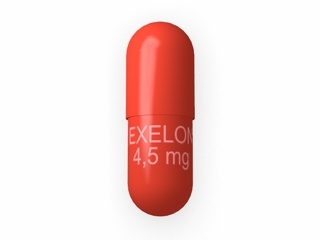

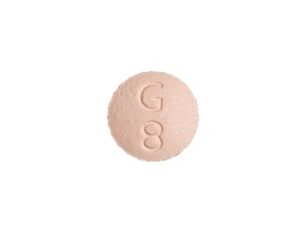
Exelon (Rivastigmine Tartrate) – Patient Information (UK)
Exelon is a medicine containing rivastigmine tartrate. It is used to help manage symptoms of certain types of dementia. This guide is written for patients and carers to explain what Exelon does, how it works, what to expect, and how to use it safely in the United Kingdom.
| Topic | What to know |
|---|---|
| Medicine | Exelon (rivastigmine tartrate) |
| Common forms | Capsules, oral solution, and patch options (where available) |
| How it helps | Increases brain chemicals involved in memory and thinking |
| Typical conditions | Alzheimer’s disease dementia; dementia associated with Parkinson’s disease |
| Key side effects | Nausea, vomiting, diarrhoea, loss of appetite, dizziness |
| Monitoring | Weight, appetite, heart rate, falls, and stomach/urinary symptoms |
Basic product information
Exelon contains rivastigmine tartrate, which is a cholinesterase inhibitor. Cholinesterase inhibitors can help improve or stabilise symptoms related to memory, thinking and day-to-day functioning in some people.
In the UK, Exelon is used as part of the overall management plan for dementia. People vary in how they respond, and symptoms may progress over time. Exelon aims to help with symptom management.
How Exelon works (mechanism of action)
In the brain, nerve cells communicate using chemicals called acetylcholine. In Alzheimer’s disease and Parkinson’s disease dementia, acetylcholine levels can be reduced.
Rivastigmine works by:
- Inhibiting cholinesterase enzymes (including acetylcholinesterase and butyrylcholinesterase)
- Increasing acetylcholine in the brain by slowing down its breakdown
This may support memory and thinking abilities and may help with some aspects of behaviour or daily function.
Pharmacokinetics (how the body handles rivastigmine)
After taking Exelon, rivastigmine is absorbed and then processed by the body. The medicine is metabolised mainly through enzymes in the body and does not rely heavily on liver metabolism pathways used by many other drugs.
- Onset and peak levels: After dosing, blood levels rise and reach a peak after a short time (the exact timing depends on the formulation).
- Shorter action window: The medicine’s effect may wear off between doses, which is why consistent dosing schedules matter.
- Elimination: Rivastigmine is eliminated from the body primarily as metabolites.
Because rivastigmine can cause nausea and other gastrointestinal effects, doses are often started low and increased gradually to improve tolerability.
Typical use in the UK
Exelon is used to treat symptoms of dementia. It is commonly prescribed for:
- Alzheimer’s disease dementia (mild to moderate, depending on local prescribing practice and the product formulation)
- Dementia associated with Parkinson’s disease (often mild to moderate, depending on the patient’s stage and clinical assessment)
Exelon is usually used alongside non-drug supports such as cognitive stimulation, carer education, routine planning, and managing cardiovascular and lifestyle factors that influence wellbeing.
Indications (when Exelon may be used)
In practice, Exelon is indicated for symptomatic treatment of:
- Alzheimer’s dementia
- Dementia related to Parkinson’s disease
The suitability of Exelon depends on the diagnosis, stage of dementia, existing health conditions, and tolerance of side effects.
Dosing and how to take Exelon
Dosing can vary by formulation (capsule, oral solution, or patch) and by individual tolerability. Always follow the dosing plan provided with your medicine and your healthcare professional’s advice.
General principles of dosing
- Start low, go slow: treatment often begins at a lower dose to reduce side effects.
- Gradual titration: your dose may be increased stepwise if side effects are manageable.
- Watch for tolerance: if nausea, vomiting, or appetite loss becomes significant, your dose may be adjusted.
Timing (when to take it)
Whether using capsules or solution, many people find it helps to take Exelon with food or immediately after a meal to reduce stomach upset. If your product is a patch, it is applied at intervals according to the product instructions.
- With capsules/solution: aim for a consistent daily schedule.
- With patches (if using a patch formulation): follow the “change day/time” schedule carefully and rotate application sites as directed.
If you miss a dose
If you miss a dose, take it as soon as you remember unless it is close to the time of the next dose. Do not take a double dose to make up for a missed one. If you miss several doses in a row, speak to a healthcare professional before restarting, as re-titration may be needed.
Food interactions (what to eat/drink)
Food can affect tolerability. Taking Exelon with food may reduce common side effects such as nausea.
- Taking with meals: often helps minimise gastrointestinal side effects.
- Staying hydrated: if you experience diarrhoea or vomiting, hydration becomes important.
- Appetite changes: if appetite drops, consider smaller, more frequent meals and report significant weight loss.
There are no well-known “must avoid” foods, but your personal response matters—some people are more sensitive and benefit from adjusting meal timing or discussing dose changes.
Alcohol and medicine interactions
Alcohol may worsen dizziness,
Possible interaction considerations
- Medicines that also affect the stomach or slow the gut: may increase risk of nausea, vomiting or appetite loss.
- Other medicines for dementia: combining multiple cholinesterase inhibitors is usually not advised unless specifically directed.
- Anticholinergic medicines: these may work against the effect of cholinesterase inhibitors.
- Medicines that affect heart rate: Exelon may cause slower heart rate in some people; caution may be needed if you already take medicines that slow the heart.
Always provide your list of medicines (including over-the-counter products and herbal remedies) to a healthcare professional or pharmacist to check for interactions.
Safety profile (side effects and who should be careful)
Common side effects
The most common side effects are related to the digestive system, especially when the dose is started or increased.
- Nausea
- Vomiting
- Diarrhoea
- Loss of appetite (and possibly weight loss)
- Dizziness
- Headache
Less common but important risks
- Slow heart rate (bradycardia) or fainting
- Fainting/falls due to dizziness
- Urinary difficulties (e.g., trouble passing urine)
- Worsening of stomach ulcers in people at risk (discuss with your healthcare team)
- Excessive sweating or tremor
When to seek urgent medical help
Contact urgent medical services or seek immediate advice if you experience:
- Severe or persistent vomiting leading to dehydration
- Fainting, severe dizziness, or signs of very slow heartbeat
- Allergic reactions such as swelling of the face/lips, breathing difficulties, or widespread rash
- Black stools, vomiting blood, or severe abdominal pain
Who should use Exelon with extra caution
- People with heart rhythm problems or a history of fainting
- People prone to low body weight or significant weight loss
- People with active stomach problems (such as ulcers)
- People with urinary retention or prostate problems
- People with swallowing difficulties (due to risk of nausea/vomiting)
This is not a complete list. Your pharmacist or prescriber can help you assess personal risk based on your medical history.
Practical use tips (for patients and carers)
- Start and increase gradually: if you are experiencing nausea, do not increase the dose on your own—speak to your healthcare team.
- Take with food: many people tolerate Exelon better after meals.
- Track side effects: note timing of nausea/diarrhoea relative to doses to help identify patterns.
- Monitor weight and appetite: regular checks can catch early weight loss.
- Reduce fall risk: if dizziness occurs, review timing, hydration and mobility support. Rise slowly from sitting/lying positions.
- Hydration: especially during dose changes or if diarrhoea occurs.
- For patches: follow application instructions precisely, rotate skin sites, and keep the patch in place for the correct duration.
- Report persistent issues: if symptoms do not settle after a dose adjustment, seek advice rather than “pushing through”.
Alternative options (if Exelon is not suitable)
There are other treatments used to manage symptoms of dementia. The most suitable choice depends on diagnosis, severity, existing medical conditions, and tolerance.
Common alternatives
- Other cholinesterase inhibitors (for Alzheimer’s disease or Parkinson’s disease dementia, depending on indication and local practice)
- NMDA receptor antagonists (often used in some forms/stages of Alzheimer’s disease)
- Non-drug support (behavioural strategies, routine, cognitive support, carer training)
A clinician can advise which option fits best, and whether switching is appropriate if side effects are difficult to manage.
Market and legal context in the United Kingdom
Exelon is a well-established medicine in the UK medicines market. As with other prescription medicines, it is regulated by UK medicines and health authorities. Availability may vary by formulation and local supply.
In the UK, prescribing and supply are guided by national clinical frameworks, dementia care pathways, and product-specific information (including SmPC and patient leaflets).
What this means for patients: always use the version and strength supplied to you, and check that the appearance and instructions match the product you were given.
Recent guidance and clinical considerations (UK context)
Dementia care in the UK focuses on early assessment, accurate diagnosis, and personalised care plans. Current practice commonly emphasises:
- Assessing benefit versus side effects after starting therapy and during follow-up.
- Regular monitoring for gastrointestinal symptoms, weight change, falls, and heart rate-related effects.
- Holistic care alongside medicines, including support for carers and management of behavioural and psychological symptoms of dementia.
If you are not benefiting, or side effects are not tolerable, your healthcare professional may consider dose adjustments or alternative treatments.
Delivery and availability (online pharmacy information)
Availability can depend on stock levels and the specific formulation (capsules, oral solution, and patch options where offered). Many UK online pharmacies aim to dispatch quickly when medicines are in stock.
- Stock checks: your order may be delayed if the exact strength/formulation is temporarily unavailable.
- Packaging: medicines are supplied in appropriate manufacturer packaging where possible.
- Delivery timeframes: vary by supplier and delivery location within the UK.
If you need a specific strength or formulation and it appears out of stock, customer support can often help you choose an alternative product version that matches your care plan.
FAQ
1) What is Exelon used for?
Exelon (rivastigmine tartrate) is used to treat symptoms of dementia, including Alzheimer’s disease dementia and dementia associated with Parkinson’s disease, depending on the product and clinical assessment.
2) How quickly will Exelon start working?
Some people notice changes in day-to-day functioning over weeks to months, but responses vary. Exelon is designed for symptom management rather than a cure, so progress may be subtle. Clinicians typically review benefit after a period of treatment and with ongoing follow-up.
3) Why do I feel sick when I start Exelon?
Nausea, vomiting and diarrhoea are common side effects, especially during dose increases or when starting treatment. Taking the medicine with food, following dose changes carefully, and contacting your healthcare team if symptoms are severe can help.
4) Can I take Exelon without food?
Many people tolerate it better with food. If your prescribed instructions say otherwise, follow them. If you consistently get stomach upset, discuss with a pharmacist or prescriber—your dosing schedule may be adjusted.
5) Can I drink alcohol while taking Exelon?
Alcohol may worsen dizziness and stomach upset. It’s usually wise to limit alcohol and seek personalised advice based on your overall health, other medicines, and whether you’ve experienced side effects.
6) Will Exelon slow my dementia?
Exelon can help manage symptoms and may slow the worsening of certain cognitive or functional abilities for some people. It does not stop the underlying disease in everyone, and dementia symptoms can progress despite treatment.
7) What should I monitor at home?
- Appetite and weight
- Nausea/vomiting/diarrhoea patterns
- Dizziness or falls
- Changes in behaviour or mood
- Heart-related symptoms such as fainting or unusual tiredness
8) What if I forget a dose?
If you miss a dose, take it when you remember unless it is near the next dose. Do not take double doses. If several doses are missed, contact a healthcare professional before restarting, as dose re-titration may be needed.
9) Are there any alternatives if side effects are too strong?
Yes. Options may include different formulations of cholinesterase inhibitors, other dementia medicines, or focusing on non-drug strategies. Your healthcare professional can advise what is appropriate for your condition and tolerance.
10) Where can I find the most accurate instructions for my version of Exelon?
Always follow the instructions provided with your specific product (capsules, solution, or patch) and the dosing plan agreed with your healthcare team. If you are unsure about how to take your medicine, ask a pharmacist.
Summary
Exelon (rivastigmine tartrate) is a cholinesterase inhibitor used for symptom management in Alzheimer’s disease dementia and dementia associated with Parkinson’s disease. It increases brain acetylcholine by slowing its breakdown. Because side effects—especially nausea—are common during starting and dose increases, treatment typically begins gradually. Taking it with food, monitoring appetite and weight, and seeking advice promptly if side effects are severe can help many people use the medicine more comfortably.