Tacrolimus
Tacrolimus is an immunosuppressant medicine used to reduce the activity of the body’s immune system. In the UK, it is commonly supplied in different strengths and forms, most notably for preventing organ transplant rejection and for certain immune-related conditions affecting the skin.
This guide is written in a patient-friendly way to help you understand what tacrolimus is, how it works, how it is typically used, what interactions to be aware of, and what practical tips may help you use it safely. Always follow the instructions provided by your healthcare team and read the patient information leaflet (PIL) supplied with your specific product.
Basic product information
| Information | Details |
|---|---|
| Active ingredient | Tacrolimus |
| Medicine type | Immunosuppressant (calcineurin inhibitor) |
| Common forms (UK) |
Oral capsules/prolonged-release capsules (for transplant); Topical ointment (for certain skin conditions); Concentrated injection is used in hospital settings. |
| Why it’s used | Prevents immune rejection of transplanted organs; treats certain inflammatory skin conditions. |
| Key safety feature | Levels in the blood matter for many uses; monitoring may be needed. |
How tacrolimus works (mechanism of action)
Tacrolimus belongs to a group of medicines called calcineurin inhibitors. It works by blocking signalling inside immune cells (particularly T-lymphocytes). This reduces the release of inflammatory chemicals (including interleukins), leading to suppressed immune responses.
For transplant patients, this immune suppression helps the body accept the new organ and reduces the chance of rejection. For some skin conditions, topical tacrolimus reduces inflammation and immune activity in the skin.
Pharmacokinetics (how your body handles it)
Pharmacokinetics describes what the body does to a medicine: absorption, distribution, metabolism, and elimination. Tacrolimus has characteristics that make careful dosing important, especially for oral forms.
Absorption and variability
- Oral tacrolimus absorption can vary between individuals and from day to day. This is one reason blood tests may be used to confirm appropriate exposure.
- Some oral products are prolonged-release. These are designed to release tacrolimus more slowly. Switching between formulations should be managed carefully.
Metabolism
Tacrolimus is mainly metabolised by liver enzymes, particularly CYP3A4. Medicines that affect CYP3A4 can increase or decrease tacrolimus levels, which may change effectiveness or safety.
Protein binding and distribution
- Tacrolimus is highly bound to proteins in the bloodstream.
- It distributes widely in the body, including tissues.
Elimination
Tacrolimus is eliminated mostly through metabolism. The overall clearance can be affected by liver function, interacting medicines, and other patient-specific factors.
Typical uses in the UK
1) Organ transplantation
- Prevention of kidney, liver, heart and other organ rejection (depending on local protocols and product).
- It may be used alone or more commonly with other immunosuppressant medicines.
2) Skin conditions (topical tacrolimus)
- Treatment of atopic dermatitis (eczema) in adults and children, depending on product and licence.
- It may be used for areas where you want an anti-inflammatory option that avoids topical corticosteroids in some situations.
The exact licensed indications and age ranges depend on the product brand and form. Your pharmacist can confirm the appropriate product for your situation.
Dose and dosing guidance (general overview)
Dosing depends on the reason for treatment, your kidney/liver function, other medicines you take, and—especially for oral use—blood test results. Below are general principles.
Oral tacrolimus (transplant use)
- Doses are individualised. Many regimens start at a set dose then adjust based on tacrolimus blood levels and clinical response.
- It is important to take your medicine at the correct times and consistently.
- Avoid swapping between brands or formulations unless your healthcare professional says it is appropriate.
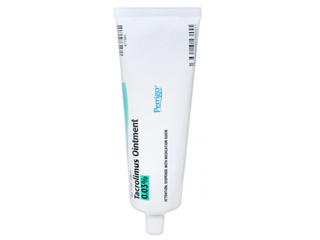
Topical tacrolimus ointment (eczema/skin use)
- Apply a thin layer to the affected skin as directed.
- Usually applied twice daily initially, then adjusted once improved (exact schedule varies by product).
- Wash hands before and after application unless your hands are the treated area.
If you miss a dose, follow the guidance in your leaflet or ask your pharmacist. In general: do not double up unless instructed. For oral medicines, the approach may differ based on how close the next dose is; for topical use, apply when you next need it rather than applying extra.
When to take tacrolimus (timing)
Oral form
- Take at the times instructed by your healthcare team.
- If you have a prolonged-release product, keep to the same routine each day.
- If you are adjusting doses, maintain consistent timing to help interpret blood tests.
Topical form
- Apply to clean, dry skin.
- Avoid applying immediately before bathing unless advised—patience with dry skin may reduce irritation.
Food interactions (important)
Food can influence tacrolimus absorption. The safest approach is to keep your routine consistent. Your medicine may be labelled with specific instructions depending on the brand.
General advice
- Try to take tacrolimus at the same time relative to meals each day.
- If your leaflet instructs whether to take with or without food, follow that precisely.
- If you change your diet significantly (for example, starting a high-fat meal pattern), discuss with your pharmacist or transplant team.
Grapefruit and pomegranate
Fruits that affect CYP3A4 can change tacrolimus levels. Many patients are advised to avoid:
- Grapefruit juice
- Grapefruit (and sometimes pomegranate products, depending on advice)
If you’re unsure, ask your pharmacist whether you should avoid any particular foods or juices.
Alcohol interactions
Tacrolimus itself is metabolised by the liver, so alcohol can increase stress on the liver and may indirectly affect how you metabolise medicines. Alcohol may also worsen side effects such as dizziness or general illness, especially when combined with other medicines.
There is not always a single “universal” alcohol rule for everyone, but cautious use is generally recommended. If you have liver disease or take other medicines that affect the liver, discuss alcohol with your healthcare professional.
Medicine interactions (what to watch for)
Interactions are one of the most important safety topics with tacrolimus. Because tacrolimus is processed by CYP3A4, medicines that inhibit or induce these enzymes can raise or lower tacrolimus blood levels.
Medicines that can increase tacrolimus levels (risk of toxicity)
- Some antifungals (for example, azole antifungals)
- Some antibiotics (certain macrolides)
- Protease inhibitors used for HIV
- Other drugs that inhibit CYP3A4/P-gp
Medicines that can decrease tacrolimus levels (risk of rejection or loss of control)
- Some anti-seizure medicines (enzyme inducers)
- Some rifamycin antibiotics
- Herbal products such as St John’s wort
Additional interaction considerations
- Tacrolimus may also interact with drugs that affect the kidneys or potassium levels.
- Always tell your healthcare team about all medicines you use, including over-the-counter products, supplements, and herbal remedies.
- Keep a list of your current medicines and show it to your pharmacist when starting or stopping anything new.
If you are a transplant patient, changes in interacting medicines can require blood level checks and possible dose adjustments. For topical tacrolimus, systemic absorption is usually lower, but still discuss interactions if you use large areas or have skin breakdown.
Safety profile and side effects
Like all medicines, tacrolimus can cause side effects. The likelihood and severity vary by formulation (oral vs topical), dose, overall health, and other medicines taken.
Common side effects
- Oral tacrolimus: headache, tremor, diarrhoea, nausea, and taste changes may occur.
- Topical tacrolimus: mild burning or stinging at the application site, itching, redness or warmth shortly after applying.
Serious side effects (seek urgent advice)
Contact a healthcare professional urgently if you develop signs of serious infection (such as high fever, severe chills, or feeling very unwell), or any concerning symptoms your clinician has told you to watch for.
- Infection risk: because tacrolimus suppresses the immune system, infections can be more likely and may become more severe.
- Kidney effects: oral tacrolimus can affect kidney function in some people.
- Blood pressure and blood sugar changes: some patients experience changes that require monitoring.
- Nervous system effects: severe tremor, confusion, or unusual neurological symptoms should be assessed.
- Malignancy risk: long-term immunosuppression may increase the risk of certain cancers.
Monitoring (often recommended for oral use)
- Tacrolimus blood levels (to ensure effective and safe exposure)
- Kidney function tests (creatinine/eGFR)
- Liver function tests
- Electrolytes (such as potassium and magnesium)
- Blood pressure and, in some cases, blood glucose
If you are using topical tacrolimus, routine blood monitoring is usually not required, but follow-up may be advised if you have extensive disease, frequent use, or symptoms suggesting infection or worsening inflammation.
Practical use tips (to help you get the best results)
For oral tacrolimus
- Be consistent: take your medicine at the same times each day.
- Do not change brands: switching between products can change absorption—check with your pharmacist.
- Keep appointments: blood tests are important for safety and effectiveness.
- Keep a medication list: include doses and times. Update it whenever changes happen.
- Watch for infection: seek advice early if you develop fever, a persistent cough, or worsening wounds.
For topical tacrolimus
- Apply a thin layer to affected areas only (unless your clinician advises otherwise).
- Avoid getting it in your eyes or on mucous membranes unless specifically instructed.
- Sun protection matters: reduce UV exposure and use appropriate clothing/sunscreen as advised. If you are using topical tacrolimus, discuss sun safety with your pharmacist or clinician.
- Don’t cover with occlusive dressings unless instructed.
Alternative options
Alternatives depend on why you are taking tacrolimus—transplant medicine options differ from eczema treatments. Below are common alternatives (not an exhaustive list). Your healthcare team will choose based on your medical history, severity, and suitability.
For transplant patients
- Other immunosuppressants such as cyclosporine, mycophenolate mofetil, azathioprine, and corticosteroids (used alone or in combination, depending on protocol).
- Different calcineurin inhibitors in some cases (e.g., cyclosporine), when appropriate.
For atopic dermatitis (topical options)
- Topical corticosteroids (for flare control, with careful use guidance)
- Topical anti-inflammatory non-steroid options (for example, other topical immunomodulators)
- Emollients and moisturisers as foundation therapy
- Other prescription skin treatments for more severe disease, depending on age and severity
Don’t change treatments without professional advice—especially when switching oral immunosuppressants.
Recent guidance and UK context
In the UK, immunosuppressant medicines are widely used under specialist care for transplant patients and under dermatology guidance for relevant skin conditions. Healthcare teams commonly emphasise:
- Consistent prescribing and formulation: careful management of tacrolimus products and dosing schedules.
- Therapeutic drug monitoring: regular blood level checks for oral use where appropriate.
- Interaction awareness: heightened attention to medicines affecting CYP3A4 and P-glycoprotein.
- Infection prevention: prompt assessment of symptoms of infection.
Guidance may evolve over time based on updated safety information, changes in product availability, and wider clinical practice. Your pharmacist can help you find the most relevant, up-to-date information for your specific product.
Delivery and availability in the United Kingdom
Tacrolimus products may be available through UK pharmacies depending on the specific form, strength, and supply arrangements. Delivery services are typically provided by online pharmacies in line with UK regulations and product handling requirements.
How delivery usually works
- You place your order online and receive confirmation by email or in-app.
- Packaging is generally designed to protect the medicine and follow legal requirements.
- Delivery timelines depend on stock availability, courier options, and your location.
Storage
- Store at the temperature stated on the packaging.
- Keep out of the sight and reach of children.
- Check the leaflet for instructions on protection from light/moisture if relevant.
If you need to plan ahead (for example, before travel), consider ordering early to avoid running out.
Market and legal considerations in the UK
Tacrolimus is a regulated medicine in the UK. Product supply and patient information requirements apply to all registered medicines. Online pharmacies must follow UK pharmaceutical standards, including identity checks where required and safe handling of medicines.
Always ensure the product you receive matches what you ordered (correct form and strength). If the packaging looks damaged or the product seems different to previous supplies, contact the pharmacy before use.
FAQ about tacrolimus
1) Is tacrolimus the same for everyone?
No. Tacrolimus dosing and use depend on whether it’s being used orally for transplant care or as a topical ointment for skin conditions. Your product strength and schedule are individualised.
2) Why are blood tests needed for some people taking tacrolimus?
With oral tacrolimus, absorption and metabolism can vary. Monitoring blood levels helps ensure the medicine is effective while reducing the risk of side effects.
3) Can I stop tacrolimus if I feel better?
Do not stop tacrolimus suddenly unless your healthcare professional tells you to. Stopping can lead to worsening disease or—especially in transplant settings—an increased risk of rejection.
4) What should I do if I miss a dose?
Follow the guidance in your patient leaflet. In general, do not take a double dose. For oral medicines, the exact advice depends on timing—contact your pharmacist if you’re unsure. For topical ointment, resume the usual application schedule.
5) Will tacrolimus weaken my immune system?
Yes—oral tacrolimus suppresses the immune response, which can increase infection risk. Topical tacrolimus typically has less systemic effect, but you should still watch for signs of infection, particularly if you use it on large areas or have broken skin.
6) Can I use moisturiser with topical tacrolimus?
Usually yes. Many people apply moisturisers as part of eczema care. If you use both, consider applying moisturiser first and allowing the skin to absorb, or apply tacrolimus as directed. Ask your pharmacist if you are unsure about the order.
7) Does topical tacrolimus cause burning?
Mild burning or stinging can occur, especially early in treatment. It often improves with continued use. If the burning is severe, persists, or is accompanied by swelling, stop and seek advice.
8) Are there foods I should avoid?
Grapefruit products are commonly advised against because they can affect tacrolimus levels. Your leaflet and pharmacist may also advise avoiding or limiting other products depending on your situation.
9) What medicines commonly interact with tacrolimus?
Some antifungals, antibiotics, HIV medicines, anti-seizure medicines, and St John’s wort can interact by affecting tacrolimus metabolism. Always check any new medicine with your pharmacist before starting.
10) Can I drink alcohol while taking tacrolimus?
Alcohol may not be absolutely prohibited, but cautious use is advised—particularly if you have liver issues or take other medicines that affect the liver. Discuss with your clinician for personalised advice.
Important reminders
- Keep to the schedule and dosage provided for your specific product.
- Tell your pharmacist about all medicines and supplements you use.
- Report signs of infection promptly.
- Do not switch tacrolimus formulations without guidance, especially for oral use.
If you have questions about your tacrolimus product—such as whether it should be taken with or without food, or how to manage potential interactions—speak to a qualified healthcare professional. Your pharmacist can also help you understand how to take tacrolimus safely and effectively.