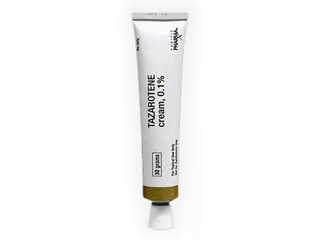
Tazarotene (Tazarotene) — Patient-Friendly Guide (UK)
Tazarotene is a medicine used to treat certain skin conditions, most commonly acne and plaque psoriasis. It belongs to a group of drugs known as retinoids (vitamin A–related medicines). Tazarotene works by helping skin cells to normalise and by reducing inflammation.
This guide is written for patients in the United Kingdom and focuses on how tazarotene works, how it’s used, what to expect, and practical safety information. If you are unsure whether tazarotene is suitable for you, speak to a healthcare professional.
Basic product information
| Category | Details |
|---|---|
| Medicine | Tazarotene |
| Drug class | Topical retinoid |
| Common forms | Gel or cream (strength and formulation vary by product) |
| Typical dosing frequency | Usually once daily, often in the evening |
| Use for | Acne and plaque psoriasis (depending on product/strength) |
| Main benefits | Improves skin cell turnover, reduces inflammation, helps clear lesions |
Important: Brand names, strengths and exact directions can differ between products. Always follow the specific instructions provided with your product and any advice from your healthcare professional.
How tazarotene works (mechanism of action)
Tazarotene is a retinoid that affects skin at the level of cell activity. After applying to the skin, it is converted within the body to an active metabolite that influences gene expression in skin cells.
- Normalises skin cell turnover: It helps reduce excessive, abnormal keratinisation (the build-up of skin cells), which is common in acne and plaque psoriasis.
- Anti-inflammatory effects: It can reduce inflammatory signals, helping calm redness and swelling.
- Improves differentiation of skin cells: This supports healthier skin structure and helps lesions heal.
Because it works on skin cell behaviour, results are usually gradual rather than immediate.
Pharmacokinetics (how the medicine behaves in the body)
When used as directed on the skin, systemic absorption is generally low. Most of the drug acts locally in the skin.
- Absorption: Topical tazarotene is absorbed through the skin to a limited extent. Absorption can be higher if applied to large areas, on broken/irritated skin, under occlusion (coverings), or when used excessively.
- Metabolism: The active form is produced after conversion in the body. Metabolites are then processed further.
- Elimination: Metabolites are eliminated primarily through the liver and kidneys (exact proportions may vary by person and product).
Clinical takeaway: Because absorption is generally limited, many side effects are local (skin irritation). However, it is still important to use the correct amount and avoid over-application.
What it’s used for (indications)
Depending on the product strength and formulation, tazarotene is used for conditions such as:
- Acne vulgaris: Helps reduce inflammatory lesions and promotes clearer skin by preventing abnormal skin cell shedding.
- Plaque psoriasis: Helps reduce scaling and thickness of plaques.
Not every tazarotene product is appropriate for every condition, and strengths may differ. Use only the product and strength recommended for your condition.
Typical use and timing
Tazarotene is usually applied , often in the evening, because retinoid-type medicines are commonly used at night to reduce irritation and because patients are less likely to wash it off during sleep.
How to apply (general guidance)
- Wash and dry: Clean the area with a gentle cleanser and pat dry.
- Use a thin layer: Apply a small amount to the affected areas. Avoid applying to eyes, corners of the nose, lips, and other sensitive areas unless specifically instructed.
- Start slowly if you’re sensitive: Many patients find better comfort when they begin with alternate nights or a “pea-sized” amount depending on area size.
- Moisturise wisely: A moisturiser can reduce irritation. Some people use moisturiser before and/or after tazarotene (“sandwiching”), depending on skin tolerance.
- Hands: Wash your hands after application unless the treated area is on your hands.
How long until you see results?
- Early changes: Some improvement may be noticed within a few weeks.
- Full benefit: Often takes 8–12 weeks or longer for acne or psoriasis to show steady results.
- Initial “flare” or dryness: Irritation and scaling can happen early. This is often dose- and technique-related and may improve with correct moisturising and gradual build-up.
Dosing (how much to use)
Because product strengths and indications differ, dosing is best defined in terms of how to apply rather than a single universal number.
- Frequency: Commonly once daily.
- Amount: Use the smallest effective amount. A thin layer is usually sufficient.
- Area coverage: Apply to affected areas, not broad untreated skin, unless your healthcare professional specifically advises otherwise.
- If irritation occurs: Reduce frequency (e.g., every other night) and moisturise. Discontinue and seek advice if severe reactions occur.
Do not increase dosage: Using more does not usually improve results but can increase irritation and side effects.
Food interactions
Food interactions are unlikely with topical tazarotene because systemic absorption is low. Therefore, what you eat typically has minimal impact on how the medicine works.
However, if you are taking other medications that affect skin sensitivity or vitamin A–related effects, it’s still wise to discuss your overall treatment plan with a healthcare professional.
Alcohol and medicine interactions
Alcohol: There are no well-known direct interactions between alcohol and topical tazarotene. Still, alcohol can worsen dehydration and may indirectly affect skin dryness or irritation in some people.
Medicine interactions (general considerations):
- Other topical irritants: Using tazarotene alongside strong exfoliants, harsh cleansers, benzoyl peroxide in high-strength routines, or products containing alcohol/strong fragrances may increase irritation.
- Other retinoids or vitamin A products: Combining with other topical retinoids or high-dose vitamin A products may increase dryness and irritation.
- Photosensitising medicines: Some medicines increase sensitivity to sunlight. While tazarotene doesn’t generally cause severe photosensitivity in the same way as some drugs, sun irritation can compound retinoid side effects—so sun protection is important.
- Skin barrier–damaging treatments: Waxing, depilatories, chemical peels, and laser treatments may increase irritation when used too close to tazarotene.
If you use multiple skincare actives (e.g., salicylic acid, glycolic acid, retinoids), consider introducing them gradually and avoid stacking them on the same night until your skin is comfortable.
Safety profile and side effects
Like all medicines, tazarotene can cause side effects. Most are local skin reactions and usually improve with dose adjustment and moisturising.
Common side effects
- Dryness (xerosis)
- Redness
- Burning or stinging sensation
- Itching
- Peeling or flaking
- Skin irritation at application site
Less common but important reactions
- Severe skin inflammation or intense burning
- Swelling or blistering
- Worsening rash outside the intended treatment area
Seek prompt medical advice if you experience severe reactions, signs of allergy (such as widespread rash, swelling of face/lips, or breathing difficulties), or if skin becomes very painful.
Who should take extra care?
- Pregnancy: Retinoids are associated with risks to an unborn baby. Extra caution is essential; do not use if you might be pregnant unless specifically advised by a healthcare professional under appropriate guidance.
- Breastfeeding: Discuss with a healthcare professional before use.
- Children and adolescents: Use depends on age and condition; follow appropriate product guidance.
- Eczema or very sensitive skin: Start slowly and moisturise carefully.
Practical tip: If you’re new to retinoids, consider “start low, go slow” to minimise irritation.
Practical use tips (to reduce irritation and improve results)
- Begin gradually: Try applying on alternate evenings for the first 1–2 weeks, then increase if tolerated.
- Use moisturiser: A bland moisturiser can reduce dryness. If stinging occurs, moisturise before applying and allow it to settle (a few minutes) before applying tazarotene.
- Apply to clean, dry skin: Applying to wet skin can increase stinging.
- “Pea-sized” dosing: For facial areas, many patients find smaller amounts are adequate.
- Avoid sensitive zones: Keep away from eyes, mouth corners, nostrils, and neck creases unless instructed.
- Don’t over-exfoliate: Avoid scrubs and strong acids on tazarotene nights.
- Sun protection: Use broad-spectrum sunscreen SPF 30+ and limit sun exposure. Retinoid irritation can worsen with sun.
- Expect gradual improvement: Give it time before judging effectiveness.
Alternative options
If tazarotene is not suitable due to irritation, effectiveness, or availability of the right strength, there are other treatment approaches for acne and psoriasis.
For acne
- Topical benzoyl peroxide (helps reduce bacteria and inflammation)
- Topical antibiotics (often used short-term alongside other agents)
- Topical salicylic acid (helps unclog pores)
- Azelaic acid (gentler for some patients; helps with inflammation and discolouration)
- Oral treatments in moderate-to-severe cases (should be clinician-led)
For plaque psoriasis
- Topical corticosteroids (common first-line for many)
- Vitamin D analogues (e.g., calcipotriol/calcium-related products)
- Coal tar or moisturisers (supportive symptom control)
- Phototherapy or systemic treatments in more extensive disease (specialist-led)
Your best alternative depends on your skin type, severity, and how well you tolerate topical therapies.
UK market and legal context (overview)
In the United Kingdom, medicines including topical retinoids are regulated and marketed under the Medicines and Healthcare products Regulatory Agency (MHRA). Availability may vary by brand, formulation, and strength.
Depending on the specific product, tazarotene may be supplied via:
- Pharmacy supply routes (for eligible products and indications), or
- Clinical pathways for certain strengths or diagnoses.
Note: Pharmacy websites should provide clear information on product form, strength, and intended use. Always ensure you are buying the correct tazarotene product for your needs.
Recent guidance (what to focus on in 2025–2026 practice)
While clinical practices evolve, widely supported principles for topical retinoids and similar therapies remain consistent:
- Emphasise skin barrier care: moisturising routines and gentle cleansers are strongly encouraged to improve tolerability.
- Start low and titrate: many patients benefit from gradual increases in frequency to reduce “retinoid dermatitis”.
- Sun protection: consistent use of sunscreen is often recommended because irritation can be worsened by UV exposure.
- Patient education: clear expectations about timelines (weeks to months) improve adherence and satisfaction.
If you’re unsure how to balance tazarotene with your existing skincare routine, a healthcare professional or pharmacist can help you plan a safe schedule.
Delivery, availability and choosing the right product (UK)
Online pharmacies in the UK typically offer a range of topical medicines by strength and formulation. Availability can vary, especially for less common concentrations or specific indications.
Delivery expectations
- Dispatch: Orders are usually dispatched quickly once processed, subject to stock availability.
- Delivery time: Commonly 1–3 working days, but this may vary by courier and product category.
- Packaging: Medicines are generally shipped in secure protective packaging to prevent damage.
How to ensure you receive the correct medicine
- Check the strength and formulation (gel vs cream) before checkout.
- Confirm that the product is intended for your condition (acne or plaque psoriasis).
- Review storage instructions on the pack (typically store at room temperature, away from heat and moisture unless otherwise stated).
Contact us: If you have any questions about compatibility with your skincare routine or the right product strength, consult the pharmacy support team before ordering.
Frequently Asked Questions (FAQ)
1) Can I use tazarotene on my whole face?
Often it’s applied only to affected areas, using a thin layer. For acne-prone skin, some regimens use broader coverage, but this increases irritation risk. Follow the specific instructions given with your product or by your clinician.
2) What should I do if my skin burns or becomes very red?
Stop using tazarotene temporarily and switch to gentle cleansing and moisturising. Seek medical advice if symptoms are severe, worsening, blistering, or spreading beyond the treated area. When you restart, use less frequently and ensure you moisturise.
3) How long does it take to work?
Expect gradual improvement. Many patients notice changes within a few weeks, while clearer results for acne or psoriasis usually require 8–12 weeks or longer.
4) Can I combine tazarotene with other acne treatments?
Some combinations are possible, but irritation risk increases when you use multiple active ingredients at once. If you’re using benzoyl peroxide, salicylic acid, or exfoliating acids, consider alternating nights and introduce one product at a time to assess tolerance.
5) Does tazarotene cause sun sensitivity?
Topical retinoids can make skin more reactive to irritation. The safest approach is to use daily broad-spectrum sunscreen and avoid prolonged sun exposure, particularly during the first weeks.
6) Is moisturiser necessary?
Moisturiser is strongly recommended for many people because dryness and peeling are common early side effects. A bland moisturiser can improve comfort and adherence.
7) Can I drink alcohol while using tazarotene?
There are no specific direct interactions expected with topical tazarotene. However, alcohol may worsen dehydration and indirectly increase dryness in some people.
8) What should I avoid during treatment?
- Avoid harsh scrubs and strong exfoliating treatments.
- Avoid applying near eyes, lips, and nose corners.
- Be cautious with wax/laser/peels close to starting treatment, as skin can be more reactive.
9) What if I miss a dose?
Apply it when you remember unless it’s close to the next dose. Do not apply extra to make up for the missed dose.
10) Who should not use tazarotene without medical advice?
Particular caution is needed in pregnancy and breastfeeding, and in certain skin conditions such as significant eczema or widespread skin irritation. Speak to a healthcare professional for personalised advice.
Final note: Tazarotene can be effective, but tolerability varies. Using the correct amount, starting gradually, moisturising, and protecting from sun are key steps for the best experience.