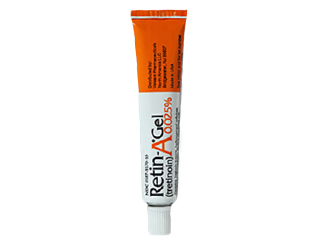
Retin-A Gel (Tretinoin) — Patient Guide (UK)
Retin-A Gel contains tretinoin, a medicine from the retinoid family used to treat certain skin conditions, particularly acne. This guide explains how it works, how to use it safely, what to expect, and important interaction and safety information relevant to the United Kingdom.
| Category | Details |
|---|---|
| Active ingredient | Tretinoin |
| Medication type | Topical retinoid (vitamin A derivative) |
| Common dosage forms | Gel applied to the skin (strength may vary by product) |
| Main uses | Acne (and acne-related breakouts, depending on local guidance) |
| Typical treatment timeline | Improvement often starts after several weeks; full effect may take months |
| How it’s applied | Usually as a thin layer to clean, dry skin |
Basic product information
Retin-A Gel (tretinoin) is a topical medicine designed to be applied directly to affected areas of the skin. Tretinoin is a well-established ingredient in dermatology. Depending on the strength and the formulation available, it may be used to help clear acne by affecting how skin cells grow and shed.
Who it is for: People with acne who are able to tolerate topical retinoids and who can follow a consistent routine, including moisturising and sun protection. If you have very sensitive skin or a history of severe irritation with retinoids, you may need a more gradual introduction.
What to expect: It is normal for skin to become dry, flaky, or slightly irritated during the first few weeks. This is often part of the “adjustment period”.
How Retin-A Gel works (mechanism of action)
Tretinoin works in several ways:
- Reduces clogged pores: It helps normalise the way skin cells mature and shed, which can reduce formation of comedones (blocked pores).
- Prevents microcomedones: It targets early acne lesions before they become visible inflamed spots.
- Supports smoother skin turnover: By influencing cell differentiation and keratinisation, it can improve overall texture.
- May reduce inflammation indirectly: As clogged pores decrease, the cascade that contributes to acne inflammation can lessen.
Important: Tretinoin does not work like a “spot treatment” that instantly removes a pimple. It is a preventative and restructuring treatment that builds results over time.
Pharmacokinetics (how the body handles tretinoin)
When applied to the skin, tretinoin is absorbed in small amounts. Compared with oral retinoids, topical tretinoin generally results in much lower systemic exposure.
- Absorption: Limited. Amount absorbed can increase if applied to larger areas, broken/irritated skin, or in excessive quantities.
- Distribution & metabolism: The absorbed fraction is metabolised in the body similarly to other retinoid compounds.
- Elimination: Excreted mainly through normal metabolic pathways.
Clinical relevance: Because systemic absorption is typically low, most side effects are local (on the skin). However, interactions and pregnancy precautions still matter.
Typical uses in the UK
Retin-A Gel is used primarily for acne. Depending on the specific product strength and local clinical practice, it may be used for:
- Comedonal acne (blackheads/whiteheads)
- Inflammatory acne (red, tender spots) as part of an overall acne plan
- Maintenance to reduce the recurrence of lesions
Note: Acne is multifactorial. Many people achieve better results when tretinoin is combined appropriately with other acne treatments such as benzoyl peroxide or topical antibiotics, following professional advice.
Indications (what it is used to treat)
In general terms, tretinoin gel is indicated for conditions related to acne by:
- Improving skin cell turnover and reducing clogged pores
- Reducing the frequency and severity of acne lesions over time
Not suitable for every skin concern: Retin-A is not intended for fungal infections, eczema, warts, or general “anti-ageing” skin resurfacing in place of medical advice. If you are using it for a non-acne purpose, discuss suitability with a healthcare professional.
When to see results and timing
Results are gradual. A typical pattern is:
- First 2–6 weeks: Some people notice mild irritation and may appear to “break out” slightly (an adjustment phase). This is not always worsening—consistent use often leads to improvement.
- 6–12 weeks: Improvement in comedones and fewer new spots are more noticeable.
- 3–6 months: Ongoing reduction and better long-term control for many users.
Consistency matters: Using too little, too often, or irregularly can reduce the effectiveness.
Dosing and how to apply
Always follow the instructions included with your product and any healthcare advice you have. As a general patient approach:
- Amount: Use a pea-sized amount for the whole face (or enough to cover affected areas in a thin layer).
- Frequency: Many people begin with once daily, often at night.
- Start slowly if sensitive: If your skin is reactive, you may apply every other night for 1–2 weeks, then increase as tolerated.
- Where to apply: Apply to clean, dry skin over the areas affected by acne. Avoid eyes, eyelids, corners of the nose, mouth, and any areas of broken or eczematous skin.
- How to spread: Spread gently—do not rub aggressively.
Step-by-step practical routine
- Cleanse: Use a gentle cleanser. Avoid harsh scrubs or exfoliating washes.
- Wait until skin is dry: Allow 10–20 minutes after cleansing so the skin is fully dry before applying.
- Moisturise if needed (optional “sandwich” method): Some people reduce irritation by applying a thin moisturiser first, then tretinoin, then moisturiser again. If irritation is mild, you may simply moisturise after.
- Apply a thin layer: Use the smallest effective amount and cover only affected areas.
- Wash hands: After application, wash hands thoroughly.
- Use sun protection in the morning: Wear broad-spectrum sunscreen (SPF 30 or higher) and consider protective clothing.
Practical use tips for the best results
- Moisturising helps: Using a bland moisturiser (non-comedogenic) can reduce dryness and peeling.
- Be careful with other irritants: Avoid using multiple strong actives at the same time (for example, other exfoliants or strong acids).
- Don’t “cover with thick layers”: More is not better; excessive amounts increase irritation without necessarily improving results.
- Expect peeling early on: Gentle cleansing and moisturising can keep irritation manageable.
- Use at night: Tretinoin can be affected by sunlight exposure; night application also reduces daytime irritation.
- Avoid waxing/electrolysis on active areas: If your skin is inflamed, you may want to postpone.
- Temporary adjustment if burning occurs: If you feel intense burning, stop and seek advice—continued use may worsen irritation.
Alcohol and medicine interactions
Alcohol: Topical tretinoin is not known to have a direct chemical interaction with alcohol. However, alcohol-containing products (such as some toners, astringents, aftershaves, or hair products that can contact skin) may increase dryness and irritation. If you use alcohol-based skincare products, avoid applying them to areas where Retin-A Gel is active.
Other medicines (topical): Using tretinoin alongside other skin-drying or irritating products can increase redness, peeling, and discomfort. Particular caution is advised with:
- Strong exfoliants (e.g., scrubs, chemical peels)
- Alpha hydroxy acids (AHA) and beta hydroxy acids (BHA), especially in the early weeks
- Other retinoids (including retinol products) on the same areas unless advised
- Other potentially irritating acne treatments, depending on tolerance
Oral medicines: Systemic interactions are generally less of a concern due to low absorption, but always inform a healthcare professional about all medicines you use—especially other retinoids or drugs that can affect skin sensitivity.
Always check labels: Some combination acne products contain multiple active ingredients. Overlap may increase irritation.
Food interactions
Food interactions are generally not relevant for topical tretinoin because it is applied to the skin and is minimally absorbed into the bloodstream for most users.
However, if you are taking other medicines that require dietary adjustments, follow that specific guidance. The most important “interaction” concerns with tretinoin are related to other skin products and pregnancy precautions.
Safety profile: common, serious, and what to do
Common side effects
Most side effects are mild to moderate and affect the skin:
- Dryness and flaking
- Redness
- Peeling
- Burning or stinging sensation (especially early)
- Itchiness
- Temporary worsening of acne during the first weeks (adjustment period)
Serious or urgent warning signs
Stop using and seek medical advice if you experience:
- Severe swelling of the face, lips, or eyelids
- Severe blistering, crusting, or widespread rash
- Intense burning that does not improve after reducing frequency
- Signs of allergy (for example, widespread hives)
Who should take extra care
- Very sensitive or eczema-prone skin: start slowly and moisturise frequently.
- Individuals undergoing procedures affecting the skin (laser, deep chemical peels): allow recovery and avoid layering irritants.
- People with sunburn: avoid using until fully healed.
Pregnancy, breastfeeding, and contraception precautions (UK guidance)
Pregnancy: Retinoids are associated with risk to an unborn baby when used systemically. Because topical tretinoin absorption is low but not zero, it is important to treat tretinoin with caution during pregnancy.
Practical advice: Avoid using tretinoin if you are pregnant or trying to become pregnant, unless a clinician has specifically advised otherwise. If you become pregnant while using it, stop and seek advice promptly.
Breastfeeding: Discuss use with a healthcare professional. As a general precaution, avoid applying to breast areas to prevent direct exposure to the baby.
Contraception: If you are a person who can become pregnant, ensure appropriate contraception and discuss suitable acne options with a healthcare professional.
Sun and weather considerations
Tretinoin can increase skin sensitivity to sunlight. This can lead to sunburn more easily.
- Use SPF daily: Broad-spectrum sunscreen SPF 30+ is recommended.
- Avoid sunbeds and prolonged sun exposure.
- Protect with clothing (hat, scarf, etc.).
- Wind/cold may worsen dryness: In winter, moisturise more frequently.
Safety with other skincare routines
To reduce irritation, consider a “simple routine” at the start:
- Gentle cleanser
- Moisturiser
- Retin-A Gel at night
- Sunscreen in the morning
If you want to add other acne products, introduce them gradually and consider spacing them on different days or alternating nights—particularly in the first 2–8 weeks.
Alcohol and medicine interactions (summary checklist)
- Avoid alcohol-heavy skincare on the treated areas if it stings or dries skin.
- Be cautious with strong actives (exfoliants, acids, other retinoids) used at the same time.
- Tell your pharmacist or clinician about all other medicines and skincare products you use.
Alternative options for acne treatment
If Retin-A Gel is not suitable, not tolerated, or you need a different approach, several alternatives may be considered depending on your acne type and skin sensitivity.
- Benzoyl peroxide: helps reduce acne bacteria and inflammation; can bleach fabrics.
- Topical antibiotics: sometimes used for inflamed acne, often short-term and ideally combined with benzoyl peroxide to reduce resistance.
- Salicylic acid (BHA): may help with clogged pores; introduce carefully due to possible irritation.
- Azelaic acid: may help with acne and marks; typically gentler for some users.
- Oral therapies for moderate-to-severe acne: may include hormonal treatments or other options under specialist care.
- Non-comedogenic moisturisers and gentle cleansers: supportive “baseline” care to improve tolerance of active ingredients.
Your best choice depends on your acne type, previous treatments, and how sensitive your skin is.
UK market and legal context (what this means for you)
In the UK, medicines are regulated by the Medicines and Healthcare products Regulatory Agency (MHRA). The availability of tretinoin products depends on their legal classification and whether they are supplied as a prescription-only or pharmacy-supplied medicine in your area.
For online purchases in the UK, reputable pharmacies should:
- Provide accurate product information and usage instructions
- Ensure appropriate patient checks where required
- Store and ship products correctly
- Follow privacy and data protection regulations
Always check product packaging for the correct strength, expiry date, and any specific instructions for that exact formulation.
Recent guidance and practical updates (current considerations)
While guidance can vary by product and clinical practice, common modern acne principles include:
- Start low and go slow with retinoids to reduce irritation.
- Sun protection is central when using topical retinoids.
- Avoid unnecessary layering of multiple strong actives at the beginning.
- Give adequate time before judging effectiveness (often 8–12 weeks or longer).
If you experience persistent irritation, the recommended approach is usually to adjust frequency, use moisturisers, and confirm the routine is appropriate for your skin.
Delivery and availability in the UK
Availability and delivery times depend on stock levels and the courier service used by the pharmacy. Many UK online pharmacies offer:
- Standard delivery (often a few working days)
- Express delivery options in some areas
- Order tracking through email or account updates
Packaging: Products are typically shipped in protective packaging to prevent damage. Keep the gel capped and store it at the temperature stated on the label.
Stock changes: Product strengths may vary; if a strength is temporarily unavailable, the pharmacy may list an alternative within the same active ingredient range.
How to store Retin-A Gel
- Store at the temperature stated on the packaging.
- Keep the tube tightly closed.
- Keep out of sight and reach of children.
- Do not use after the expiry date.
FAQ — Retin-A Gel (Tretinoin)
1) Can I use Retin-A Gel every day?
Many people apply once daily at night, but if your skin is sensitive, starting every other night can reduce irritation. Increase frequency only if you tolerate it well.
2) My skin is peeling—does that mean it’s working?
Peeling can be a normal early adjustment effect. However, severe burning or intense redness is a sign to reduce frequency and focus on moisturising. If symptoms are severe, seek advice.
3) What should I do if I miss a dose?
Apply at your next scheduled time. Do not apply extra gel to “catch up”.
4) Can I combine Retin-A Gel with moisturiser?
Yes. Using moisturiser can improve tolerance. You may moisturise before and/or after applying tretinoin, especially during the first weeks.
5) Can I use makeup while using tretinoin?
Usually yes. Choose non-comedogenic products. Apply makeup after your gel has absorbed and always ensure your skin is fully moisturised if needed.
6) Is it okay to use sunscreen?
Yes, and it’s strongly recommended. Broad-spectrum sunscreen helps reduce irritation and pigmentation changes caused by sun sensitivity.
7) Will it stain or discolour my skin?
Tretinoin can cause temporary dryness or redness. Some people may experience temporary changes in skin tone, especially if sun exposure occurs. Sun protection reduces this risk.
8) Can I use Retin-A Gel with other acne products like benzoyl peroxide?
Some acne regimens combine them, but irritation risk can increase. If combining, introduce products gradually and consider using them at different times (for example, benzoyl peroxide in the morning and tretinoin at night) if tolerated.
9) What about hair products contacting the gel?
Avoid letting the gel spread to the hairline and nearby skin if your hair products contain alcohol or strong fragrances. If hair products irritate your skin, consider applying gel slightly away from the hairline.
10) Can I drink alcohol?
There is no known direct interaction between topical tretinoin and alcohol. However, some alcohol-containing skincare or aftershave products may worsen irritation. Focus on skincare compatibility rather than alcohol consumption.
11) Can children use Retin-A Gel?
Use in children should be based on clinical advice and the specific product instructions. Acne treatment needs age-appropriate care.
12) When should I seek help?
Seek advice if you develop severe irritation, signs of allergy, no improvement after an adequate trial period, or if you experience worsening inflammation that does not settle with dose adjustment and moisturising.
Remember: Retin-A Gel is most effective when used consistently and with a gentle routine. Start gradually if you’re prone to sensitive skin, moisturise regularly, and protect your skin from sunlight.