Gresiofulvin (Griseofulvin) – Patient-Friendly Guide (UK)
Gresiofulvin (also known as griseofulvin) is an antifungal medicine used to treat certain fungal infections of the skin, hair, and nails. If you’ve been advised to use Gresiofulvin, this guide explains how it works, how to take it, what to expect, and important safety information—written specifically for people in the United Kingdom.
1) Basic product information
- Generic name: Griseofulvin
- Brand name: Gresiofulvin (varies by manufacturer)
- Medicinal type: Systemic antifungal (taken by mouth)
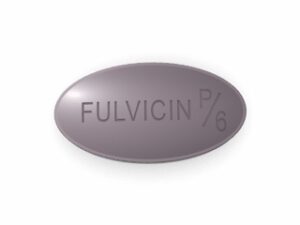
- Common forms: Tablets or oral formulation (availability depends on supplier and product strength)
- Used for: Dermatophyte (ringworm-type) infections—skin, scalp/hair, and nails
Different products may contain different strengths or formulation types. Always check the specific pack information or label provided with the medicine.
2) How Gresiofulvin works (mechanism of action)
Gresiofulvin works against dermatophytes—fungi such as Trichophyton, Microsporum, and Epidermophyton. It does this by interfering with the fungus’s ability to grow and multiply.
- Disrupts fungal cell processes: It affects microtubule formation, which is important for cell division.
- Helps stop spread in keratin tissues: It is taken up by newly forming keratin (skin/hair/nails), making these tissues less suitable for the fungus.
Because infections in hair and nails require time to grow out, improvement often takes longer than with topical treatments.
3) Pharmacokinetics (how the body handles it)
Pharmacokinetics describes how the medicine is absorbed, processed, and eliminated. While exact values can vary by formulation and person, the main practical points for Gresiofulvin are:
- Absorption: Absorption is generally better when taken with food (especially meals containing fat).
- Distribution: It reaches the skin, hair follicles, and nails where fungal infection occurs.
- Metabolism: It is metabolised in the liver.
- Elimination: Metabolites are cleared largely via the kidneys (urine) and to a smaller extent other routes.
Regular daily dosing is important because the medicine needs to maintain effective levels while your body replaces infected keratin.
4) Typical uses and indications
Gresiofulvin is used for dermatophyte infections of:
- Skin (tinea corporis / ringworm): When treatment by mouth is considered suitable (for example, widespread infection, poor response to topical therapy, or specific sites where topical treatment may be inadequate).
- Scalp and hair (tinea capitis): Especially common in children; systemic treatment is usually needed.
- Nails (tinea unguium / onychomycosis): When oral therapy is appropriate.
Not for all fungal infections: Gresiofulvin is not effective against all types of fungi. Conditions caused by yeast (e.g., Candida) or other organisms often require different treatments. If you’re unsure of the diagnosis, seek medical advice.
5) Timing and duration of treatment
The “timing” of Gresiofulvin matters because fungal infections often improve gradually. Symptoms may look better before the infection is fully cleared, and in hair/nails the fungus may persist until new growth replaces the infected area.
- Take it at the same time each day to maintain steady levels.
- Allow time for improvement: Many people notice changes within a few weeks for skin infections, but scalp and nail infections usually require longer courses.
- Continue as directed: Stopping early can increase the chance of recurrence.
The exact duration depends on the site and severity. Your pharmacist can help you confirm the plan on your pack instructions.
6) Food interactions (what to eat with Gresiofulvin)
One of the most important practical considerations is absorption. Taking Gresiofulvin with food generally improves how well it is absorbed.
- Best practice: Take with or immediately after a meal.
- Aim for consistency: If your usual routine is breakfast, take it after breakfast daily.
- Avoid taking it on an empty stomach: This may reduce absorption and effectiveness in some people.
If you have a poor appetite or difficulty eating, speak to your pharmacist for tailored advice on safe ways to take the dose with food.
7) Alcohol and medicine interactions
Alcohol
While occasional alcohol may not be strictly forbidden for everyone, Gresiofulvin can affect the liver. To reduce risk, it’s generally sensible to avoid heavy or binge drinking during treatment.
- Discuss if you drink regularly: If you have liver disease, drink frequently, or have had abnormal liver tests, ask a healthcare professional for specific advice.
- Stop and seek help if symptoms occur: If you develop unusual tiredness, dark urine, yellowing of the skin/eyes, or severe nausea/vomiting, seek urgent medical review.
Other medicines (important interactions)
Gresiofulvin can interact with other medications due to effects on liver enzymes and protein binding. Tell your pharmacist or healthcare professional about all medicines you use, including:
- Medicines for seizures (epilepsy)
- Warfarin or other medicines that affect blood clotting
- Certain antibiotics or antifungals
- Hormonal contraceptives
- Medicines metabolised by the liver
- Over-the-counter products and herbal remedies
A key issue in the UK is contraception, because Gresiofulvin may reduce effectiveness of hormonal methods in some situations (see Safety section below).
Your pharmacist can check interactions with your exact product strength and your current medicines.
8) Dosing (typical adult and child guidance)
Dosing must be based on the infection type, body weight (often relevant in children), and the tablet/oral strength you have. Below are general dosing principles used in practice; always follow the dose stated on your package instructions.
General dosing principles
- Skin infections: Often treated for several weeks depending on response.
- Scalp infections: Usually require longer courses.
- Nail infections: Treatment is typically extended because nails grow slowly.
- Children: Doses are commonly calculated based on weight.
- Follow-up: If there is no improvement, treatment may need adjustment and confirmation of diagnosis.
How to take your dose (practical steps)
- Take with food—ideally after a meal.
- Swallow with water. If tablets are difficult to swallow, ask your pharmacist about formulation options.
- Do not miss doses. If you miss one, take it when you remember unless it’s close to the next dose—follow the pack instructions or pharmacist advice.
Important: Do not alter dose or duration without advice.
9) Safety profile and precautions
Like all medicines, Gresiofulvin can cause side effects. Most are mild, but some require urgent attention. Always read the patient information leaflet supplied with your specific product.
Common side effects
- Nausea, stomach upset, or indigestion
- Headache
- Dizziness
- Rash or itching
- Diarrhoea (less commonly)
Serious side effects (seek urgent help)
Contact a healthcare professional urgently or seek emergency care if you develop:
- Signs of liver problems: yellow skin/eyes (jaundice), dark urine, severe fatigue, right upper abdominal pain
- Severe allergic reactions: swelling of face/lips, difficulty breathing, widespread hives
- Severe skin reactions: blistering, peeling rash, or sores in the mouth/eyes
- Unexplained bruising or bleeding (may indicate blood cell issues)
Who should take extra care
- Liver disease or previous abnormal liver tests
- Porphyria (a rare inherited condition affecting blood chemistry)
- Severe kidney impairment (needs clinician review)
- Pregnancy or breastfeeding (risk/benefit must be assessed—see below)
Pregnancy, breastfeeding, and contraception (UK context)
- Pregnancy: The decision to use Gresiofulvin during pregnancy depends on risk assessment. Seek professional advice if you are pregnant or planning pregnancy.
- Breastfeeding: Discuss with a healthcare professional if breastfeeding while taking Gresiofulvin.
- Contraception: Because of possible interaction with hormonal contraceptives, reliable non-hormonal contraception may be advised during treatment. Ask your pharmacist or clinician for specific guidance on your circumstances.
10) Practical use tips for best results
Fungal infections improve more reliably when medicine use is combined with good hygiene and ongoing care of the affected areas.
- Be consistent: Take your dose at the same time daily.
- Use daily hygiene: Keep the affected area clean and dry (unless your clinician advised otherwise).
- Don’t share towels or hair tools: Sharing can spread fungal spores.
- Wash clothing and bedding regularly: Particularly for tinea capitis or widespread skin involvement.
- Consider household checks: Close contacts may need assessment if infection spreads.
- Continue until advised: Even if the rash looks better, the fungus may still be present.
If you also use topical antifungal creams, follow the combined regimen exactly as instructed. Systemic and topical treatments are sometimes used together depending on the infection site.
11) Alternatives to Gresiofulvin
There are other antifungal medicines depending on the type of fungus, severity, age, and site of infection. Common alternatives include:
- Terbinafine: Often used for some dermatophyte infections; dosing schedules may differ.
- Itraconazole: Used for certain fungal nail infections.
- Fluconazole: In some cases, depending on organism and site.
- Topical antifungals: Such as creams, gels, sprays, or shampoos for milder or localised infections (especially for skin and scalp in selected cases).
The “best” option depends on diagnosis and practical factors such as drug interactions, liver function, and how long treatment needs to be. Your pharmacist can discuss what alternatives might be appropriate if you experience side effects or if the infection doesn’t improve.
12) Pharmacovigilance and monitoring (what to expect)
During longer courses—especially for nail/scalp infections—clinicians may consider monitoring, particularly if you have risk factors for liver problems. At minimum, be alert to symptoms of adverse effects and report them promptly.
- Report side effects early, especially new rash, severe fatigue, or abdominal pain.
- Keep follow-up appointments if your condition requires reassessment.
- Check with your pharmacist about whether liver tests are needed for your situation.
13) UK market and legal context (availability and regulated supply)
In the UK, medicines are regulated to ensure safety, quality, and appropriate use. Gresiofulvin is supplied through approved channels, and availability can vary over time depending on manufacturers and supply chains.
- Product status: Supply may be managed through pharmacy channels under UK medicines regulations.
- Stock variation: If your usual product is unavailable, substitutions may be offered only if clinically appropriate and permitted by supply regulations.
- Information requirements: Pharmacies provide medicines with the relevant patient information and guidance on safe use.
Our online pharmacy listings aim to provide up-to-date information on what’s currently available for delivery within the UK.
14) Recent guidance and clinical practice considerations
Guidance on antifungal therapy can evolve based on clinical evidence and resistance patterns. Clinicians typically consider:
- Confirming the diagnosis (for example, distinguishing dermatophytes from other causes of rash or nail changes).
- Choosing the most appropriate medicine by site (skin vs scalp vs nails) and patient factors (age, liver health, drug interactions).
- Adherence and follow-up to reduce recurrence and ensure effectiveness.
- Managing interactions (especially with long-term medicines and hormonal contraception).
If your infection is not improving as expected, reassessment is important—fungal infections can mimic eczema or other skin conditions.
15) Delivery and availability in the UK
Availability may vary depending on stock levels from suppliers. When you order through an online pharmacy, you may see:
- In-stock delivery options (subject to cut-off times)
- Estimated dispatch times on product pages
- Communication about substitutions if a specific brand or strength is temporarily unavailable
To support safe use, your order typically includes the appropriate packaging information and instructions. Delivery timing depends on carrier service and your location within the UK.
16) FAQ – Frequently asked questions
How long does it take for Gresiofulvin to work?
Improvement can start within a few weeks for some skin infections, but fungal infections of the scalp and nails usually require longer treatment because infected keratin must be replaced with new growth. If there is no improvement after the expected time frame, ask a healthcare professional to reassess the diagnosis and plan.
Can I take Gresiofulvin with food?
Yes—taking it with or soon after a meal is generally recommended to improve absorption. Try to take it consistently with the same type of meal each day.
What should I do if I miss a dose?
Follow the instructions on your medicine packaging. In general, take it when you remember unless it’s close to the next scheduled dose. Do not double up without advice.
Is Gresiofulvin suitable for children?
It may be used in children for certain dermatophyte infections, with dosing often based on body weight and infection site. Use only the dose prescribed for the child and ensure the child’s caregiver understands the schedule and duration.
Can I drink alcohol while taking it?
It’s best to avoid heavy alcohol intake during treatment due to potential liver effects. If you drink regularly or have liver problems, discuss with your pharmacist before using alcohol.
Will Gresiofulvin interact with my contraceptive pill?
It may interact with hormonal contraceptives. For reliable contraception, especially during treatment, ask your pharmacist or clinician for specific advice suited to your contraceptive type and personal situation.
What if my rash gets worse?
A fungal infection may appear to change during treatment, but worsening symptoms, new widespread rash, blistering, or signs of allergy require prompt medical review.
Are there diet restrictions?
There are no widely required special diets for Gresiofulvin, but taking it with food is important. Maintain good hydration and follow normal healthy eating habits.
Can I use topical antifungal cream as well?
Sometimes yes. Combination treatment may be used depending on infection site and severity. Use topical products exactly as directed, and don’t stop prescribed topical treatment early if you’re still improving slowly.
What are the signs of liver problems I should watch for?
Seek urgent advice if you notice yellowing of the skin/eyes (jaundice), dark urine, severe persistent nausea/vomiting, significant tiredness, or pain in the upper abdomen.
17) Summary
Gresiofulvin (griseofulvin) is a systemic antifungal used mainly for dermatophyte infections affecting the skin, scalp, hair, and nails. It works by stopping fungal growth and helping protect newly formed keratin. For best results, take it with food and continue for the recommended duration—especially for scalp and nail infections where improvement takes time.
If you have questions about how to take your specific product, potential interactions with your other medicines, or what to do if you’re not improving, speak to a member of the pharmacy team.