Estradiol (Hormone Replacement Therapy and Menopausal Symptoms)
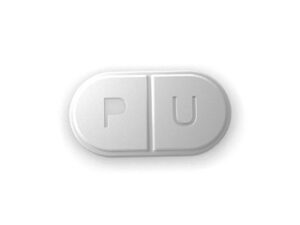
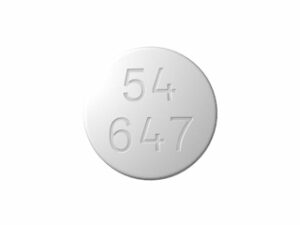
Estradiol is a form of the female hormone oestrogen. It is used to relieve symptoms caused by low oestrogen levels, most commonly around menopause, and in some other hormone-related conditions. Available in different formulations (such as tablets, skin patches, gels, and vaginal preparations), estradiol works by replacing or supplementing the oestrogen your body normally produces.
This guide is written for customers in the United Kingdom and explains how estradiol works, how it is usually taken, what to expect, important safety information, and practical tips for getting the best results.
Basic product information
- Active ingredient: Estradiol (oestrogen)
- Therapeutic area: Hormone replacement therapy (HRT), menopausal symptom management, oestrogen deficiency
- Common forms (examples): tablets, transdermal patches, gels/sprays, vaginal creams/pessaries/rings
- Key benefits: helps reduce hot flushes/night sweats and improves vaginal dryness and related discomfort
- Important note: Not all products are identical—strengths, schedules, and routes (skin vs mouth vs vagina) differ.
How estradiol works (mechanism of action)
Estradiol is the primary oestrogen produced by the ovaries in premenopausal years. With natural ageing and menopause, ovarian oestrogen production declines. Low oestrogen affects multiple body systems, including the brain’s temperature regulation and the tissues of the vagina and urinary tract.
Estradiol works by binding to oestrogen receptors in target tissues. This helps:
- Reduce menopausal symptoms: by helping the hypothalamus stabilise body temperature, thereby decreasing hot flushes and night sweats.
- Improve vaginal and urinary symptoms: by supporting vaginal lining thickness, elasticity, moisture, and comfort.
- Support bone health: by slowing bone loss and helping maintain bone density (particularly in appropriate patients).
The exact regimen depends on whether you still have a uterus (womb) and your personal medical history. Many users who have a uterus also require a progestogen to reduce the risk of endometrial overgrowth with unopposed oestrogen.
Pharmacokinetics (how it moves through the body)
Pharmacokinetics describes how estradiol is absorbed, distributed, metabolised, and eliminated. These characteristics vary by formulation.
Absorption
- Oral estradiol: absorbed through the gastrointestinal tract; it undergoes metabolism in the liver (“first-pass effect”), which can influence blood levels.
- Transdermal estradiol (patch/gel): absorbed through the skin into the bloodstream, often producing steadier levels and bypassing much of the first-pass liver metabolism.
- Vaginal estradiol: generally provides local effects with limited systemic absorption, often used for genitourinary symptoms.
Distribution
Estradiol circulates in the blood bound to transport proteins. It then reaches tissues where it exerts its effects.
Metabolism
Estradiol is mainly metabolised in the liver to various metabolites, which may be conjugated and then cleared from the body.
Elimination
Metabolites are excreted primarily via the kidneys (urine) and partly via the bile/feces. The overall elimination profile contributes to the dosing frequency used for each formulation.
Typical uses in the UK
Estradiol is used to treat symptoms related to oestrogen deficiency. Typical indications include:
Menopause and related conditions
- Moderate to severe vasomotor symptoms (hot flushes and night sweats).
- Genitourinary syndrome of menopause (GSM), which may include vaginal dryness, pain during intercourse, irritation, and urinary symptoms.
Other oestrogen deficiency states
- Hypogonadism (where the ovaries do not produce enough oestrogen).
- Premature ovarian insufficiency in appropriate patients.
The choice of formulation (systemic vs local) is based on your symptoms, medical history, and how much systemic oestrogen exposure is appropriate.
When estradiol starts working and timing expectations
Response can vary from person to person and by symptom type.
| Symptom type | Typical timing | What you may notice |
|---|---|---|
| Hot flushes / night sweats | Often within 2–4 weeks | Reduced frequency and severity |
| Sleep and general wellbeing | Over 2–8 weeks | Improved sleep, mood, and comfort for some users |
| Vaginal dryness / discomfort | Often within weeks (sometimes sooner with vaginal therapy) | Less dryness, improved comfort during daily activities |
| Urinary symptoms (GSM-related) | Often within weeks | Reduced urgency or burning for some patients |
| Bone health | Months to years | Helps slow bone loss; may improve density over time |
Many clinicians aim to use the lowest effective dose for the shortest duration needed to control symptoms, reviewing periodically.
How to take estradiol (dosing overview)
Dosing depends on:
- your formulation (oral vs patch/gel vs vaginal)
- whether you have a uterus
- the severity and type of symptoms
- your age, risk factors, and treatment goals
General principles
- Start low, go slow: clinicians often begin with a dose designed to control symptoms while minimising side effects.
- Use a consistent schedule: keeping timing regular helps maintain steady effects.
- Reassess periodically: if symptoms improve or side effects occur, the regimen may be adjusted.
- Uterus-specific planning: systemic oestrogen therapy typically requires a progestogen if you still have a uterus, to help reduce endometrial risk.
Examples of dosing patterns (varies by product)
Your exact instructions depend on the specific product strength and brand. In general:
- Transdermal patches/gels: often used once or twice weekly (patches) or daily (gels), with application to clean, dry skin.
- Oral tablets: often used daily, sometimes with a combined regimen depending on uterine status.
- Vaginal preparations: typically started more frequently (a short “loading” period) and then maintained at a lower frequency.
Always follow the instructions included with your particular estradiol product and the plan agreed with your healthcare professional.
Food interactions and meal guidance
Food interactions depend on the route of administration:
- Oral estradiol: food may affect absorption for some products. Many users are advised to follow the product’s directions (often with or without food). If you’re unsure, take it consistently the same way each day.
- Transdermal (patch/gel): food is not expected to significantly affect absorption because absorption occurs through skin.
- Vaginal estradiol: food does not directly affect absorption.
If you experience unexpected changes in symptom control after starting a new meal schedule or diet, check that you’re taking your estradiol exactly as directed and consider discussing timing adjustments with a healthcare professional.
Alcohol and medicine interactions
Alcohol can affect overall health and may worsen some menopausal symptoms in certain people (e.g., sleep disruption). It can also influence liver metabolism, which may matter particularly for oral hormone therapy.
Alcohol
- Moderation is advisable: if you drink alcohol, keep it within UK recommended limits and monitor for symptom changes.
- Night sweats: alcohol can trigger or worsen night sweats in some individuals.
Interactions with other medicines (high-level overview)
Some medicines can affect oestrogen levels in the body by altering liver enzymes or protein binding. Common examples include certain treatments for:
- Epilepsy (antiepileptic medicines)
- Tuberculosis (rifampicin and related drugs)
- HIV (some antiviral therapies)
- St John’s wort (a herbal product that can reduce hormone levels)
Interaction risk depends on the specific estradiol formulation and the other medicine. If you start, stop, or change any medicine, it’s good practice to review potential interactions with your healthcare professional or pharmacist.
Indications: who estradiol is for
In the UK, estradiol is used for women and people assigned female at birth who need oestrogen replacement to manage menopausal symptoms or oestrogen deficiency conditions. Common indications include:
- Hormone replacement therapy for menopausal symptoms (vasomotor and GSM).
- Prevention or treatment of complications of oestrogen deficiency in selected patients (such as bone loss), when appropriate.
- Other oestrogen deficiency states (e.g., hypogonadism, premature ovarian insufficiency) based on clinical assessment.
Eligibility and suitability depend on your personal risk factors (for example, history of blood clots, certain cancers, unexplained bleeding, or liver disease).
Safety profile: important warnings and side effects
Like all medicines, estradiol can cause side effects. Many are mild and improve after dose adjustment, but some require urgent medical attention.
Common side effects
- Breast tenderness or swelling
- Headache
- Nausea or bloating
- Leg cramps or fluid retention (may be reported as swelling)
- Vaginal spotting or bleeding changes (especially in the first months)
- Skin irritation where patches/gel are applied
Serious risks (seek urgent advice)
Some risks are rare but potentially serious. Contact urgent medical services or seek immediate help if you have:
- Signs of a blood clot such as sudden breathlessness, chest pain, coughing blood, or one-sided leg swelling/pain.
- Signs of a stroke such as sudden weakness or numbness on one side, difficulty speaking, or sudden vision changes.
- Severe abdominal pain with vomiting or sudden severe headaches (for appropriate evaluation).
- Unusual vaginal bleeding (especially if persistent, heavy, or new after a period of no bleeding).
- Yellowing of the skin/eyes (jaundice) or dark urine, which may suggest liver problems.
Risk considerations in the UK context
The overall risk profile varies widely based on:
- age and time since menopause
- route of administration (transdermal may have a different risk profile than oral in some respects)
- presence of a uterus and use of progestogen
- personal and family history (e.g., blood clotting disorders, certain cancers)
- smoking, body weight, and other health factors
Your healthcare professional should review these factors before starting and during treatment.
Contraindications (general examples)
Estradiol may not be suitable if you have certain conditions. Examples include:
- Known or suspected hormone-dependent cancers
- Unexplained vaginal bleeding
- Active or history of certain blood clotting events
- Severe liver disease
This list is not exhaustive; always check product-specific information and medical advice.
Practical use tips (to help you get the best results)
- Use the same time each day for tablets and gels to maintain steady levels.
- Transdermal application matters: apply patches/gel to clean, dry skin (often lower abdomen or buttocks for patches, depending on the product; follow instructions). Avoid applying on broken or irritated skin.
- Rotate patch sites: if using patches, rotate sites to reduce skin irritation.
- Don’t double up: if you miss a dose, follow the product guidance for missed doses rather than taking an extra dose.
- Track symptom changes: note hot flush frequency, sleep quality, and any bleeding changes—this helps in treatment review.
- Watch for uterine bleeding changes: if you have a uterus, new or persistent bleeding should be assessed promptly.
- Routine check-ins: review benefits and risks regularly, especially after the first few months.
Alternative options to estradiol
Depending on your symptoms and risk profile, alternatives may include:
Other hormone therapies
- Other forms of oestrogen (different strengths or routes)
- Combined HRT regimens (oestrogen plus progestogen when a uterus is present)
- Local vaginal oestrogen preparations for genitourinary symptoms
Non-hormonal approaches
- Non-hormonal medicines used for vasomotor symptoms (based on clinical judgement)
- Vaginal moisturisers and lubricants for mild GSM symptoms
- Lifestyle strategies such as temperature control, layered clothing, weight management, regular exercise, and avoiding personal triggers for hot flushes
Your best option depends on symptom type (systemic vs local), medical history, and preference. A pharmacist or clinician can help you compare suitability.
UK market and legal context (overview)
In the United Kingdom, estradiol-containing products are regulated medicines. Supply and availability depend on product classification and the format. Online pharmacies operate under UK medicines and pharmacy regulations and must meet standards for safety, sourcing, and customer information.
Treatment decisions are guided by UK clinical practice, including the principle of using the lowest effective dose for the shortest duration consistent with treatment goals. Eligibility for HRT varies, and periodic reviews are recommended.
Recent guidance (general principles reflected in UK practice)
Current UK approaches to HRT commonly emphasise:
- Individualised care: choosing the most appropriate product and dose for your symptoms.
- Benefit–risk balance: reviewing personal risks (including cardiovascular and clot risks) and adjusting therapy when needed.
- Time since menopause matters: risks and benefits may differ depending on how close you are to the onset of menopause.
- Route selection: transdermal and local vaginal treatments are often considered where suitable, especially for targeted symptoms.
- Ongoing review: treatment should be reviewed regularly rather than left unchanged indefinitely.
For product-specific recommendations, always refer to the leaflet supplied with your medicine and consult a healthcare professional if you have concerns.
Delivery and availability in the UK
Availability varies by formulation and brand. Many estradiol products are supplied through regulated UK channels and are subject to stock and prescribing/dispensing requirements depending on the product.
- Delivery area: UK-wide delivery (subject to local limitations and service availability).
- Dispatch times: typically depend on order cut-off times, verification processes, and stock status.
- Packaging: medicines are supplied in appropriate tamper-evident packaging.
- Storage: follow the storage instructions on the product label (for example, temperature and protection from moisture/light where relevant).
If you’re unsure which estradiol format best matches your symptoms, you can compare the product options on the pharmacy site or speak with a qualified healthcare professional/pharmacist.
FAQ
1) What is estradiol used for?
Estradiol is used to treat symptoms of oestrogen deficiency, especially menopausal symptoms such as hot flushes and night sweats, and genitourinary symptoms such as vaginal dryness and discomfort. It may also be used in other hormone deficiency states where appropriate.
2) How quickly will I feel better?
Many people notice improvement in hot flushes and night sweats within a few weeks. Vaginal or urinary comfort may improve over weeks, and bone-related effects generally develop over months to years.
3) Should I take estradiol with food?
Food guidance depends on the specific product. For oral forms, follow the leaflet instructions exactly. If you take oral estradiol, it’s often helpful to take it consistently each day in the way recommended for your product.
4) Can I drink alcohol while using estradiol?
Moderate alcohol use is generally acceptable for many people, but alcohol may worsen night sweats or affect sleep. If you notice symptoms worsening, consider reducing alcohol and discuss changes with a healthcare professional.
5) Are there interactions with other medicines?
Yes. Some medicines can reduce or alter oestrogen levels (for example certain anti-epileptics, tuberculosis treatments, HIV antivirals, and herbal products such as St John’s wort). Always check interactions when starting or stopping other treatments.
6) What side effects might occur?
Common side effects include breast tenderness, headache, nausea, bloating, and vaginal bleeding changes (especially early on). Stop and seek medical advice urgently for symptoms such as signs of blood clots, stroke, severe allergic reactions, or unusual persistent bleeding.
7) If I have a uterus, do I still use estradiol alone?
Usually not. People with a uterus commonly need a progestogen in addition to systemic oestrogen to help reduce endometrial (womb lining) risk. The exact regimen depends on your specific situation and product plan.
8) What if I miss a dose?
Missed-dose guidance differs by formulation. Follow the instructions in your product leaflet. In general, avoid taking extra doses without guidance and contact a pharmacist if you’re unsure.
9) How should I apply estradiol patches or gel?
Apply to clean, dry skin and follow the product instructions precisely. Rotate patch sites (if patches are used) and avoid applying to irritated or broken skin.
10) Who should not use estradiol?
Estradiol may be unsuitable for some people with certain medical conditions (for example some hormone-dependent cancers, unexplained vaginal bleeding, or a history of blood clots). Check suitability with a healthcare professional and always read the product leaflet.
Key takeaways
- Estradiol replaces oestrogen and helps relieve menopausal and oestrogen deficiency symptoms.
- Effects vary by symptom and formulation; many people notice benefits within weeks for vasomotor symptoms.
- Safety depends on personal risk factors, route of administration, and whether a progestogen is needed.
- Follow your product’s specific dosing and application instructions and review regularly.