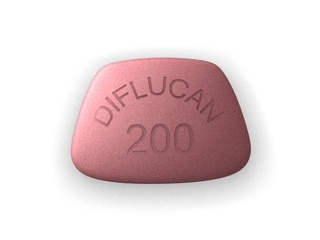


Diflucan (Fluconazole) — Patient Information (UK)
Diflucan is a medicine containing fluconazole, an antifungal used to treat infections caused by yeasts and other fungi. This page explains how Diflucan works, what it’s used for, how to take it safely, and what to expect. It is written for people in the United Kingdom (UK).
Always follow the directions provided by your prescriber or the instructions on the product label. If you are unsure, ask your pharmacist for advice.
1) Basic product information
| Item | Details |
|---|---|
| Active ingredient | Fluconazole |
| Brand name | Diflucan |
| Medicine type | Antifungal (triazole) |
| Common formulations | Tablets/capsules and oral suspension (depending on availability) |
| How it is usually taken | By mouth (oral) |
| Typical dosing approach | Single-dose or once-daily regimens, depending on the infection |
2) How Diflucan works (mechanism of action)
Fluconazole belongs to the triazole antifungals. It works by blocking an enzyme called lanosterol 14-α-demethylase, which is involved in making ergosterol—a key component of fungal cell membranes.
Without ergosterol, fungal cells can’t maintain their protective membrane properly, which slows growth and helps clear the infection. In many yeast infections, fluconazole is highly effective.
3) Pharmacokinetics (how your body handles it)
Pharmacokinetics describes what the body does to a medicine (absorption, distribution, metabolism, and elimination).
- Absorption: Fluconazole is absorbed well after oral administration. It can be taken with or without food.
- Distribution: It spreads through the body fluids and can reach sites where fungal infections commonly occur (for example, vaginal tissue). It can also enter saliva, skin, and other tissues.
- Metabolism: A portion is metabolised in the liver.
- Elimination: Most is removed from the body through the kidneys.
- Half-life: Fluconazole has a relatively long half-life, which is one reason it can be given as single doses or once daily for several days.
Kidney or liver problems: If you have kidney impairment, your prescriber may adjust the dose. If you have liver disease or previous liver problems with antifungals, extra caution is needed.
4) Typical uses of Diflucan
Diflucan is used to treat infections caused by susceptible fungi, especially Candida species (yeast). It may be used for both uncomplicated and more persistent infections, depending on your symptoms and medical assessment.
Common indications
- Vaginal thrush (vulvovaginal candidiasis)
- Oral thrush (oral candidiasis)
- Oesophageal candidiasis (thrush in the food pipe)
- Skin and mucosal fungal infections (for example, certain cases of candidal infections)
- Systemic candidiasis and other invasive fungal infections in selected patients, often under specialist care
- Prevention of fungal infection in certain at-risk patients (this depends on individual risk factors)
Important: Diflucan does not treat infections caused by bacteria or viruses. It is intended for fungal infections only.
5) Timing and how to take Diflucan
The exact timing depends on the condition being treated and the dose you are advised to take. In general:
- For single-dose regimens: Take as directed on the day your treatment starts. Symptoms may improve within a few days.
- For multi-day regimens: Take once daily at a similar time each day to maintain steady levels.
How long until you feel better? Many people notice symptom relief within 2–3 days for common thrush infections, but complete resolution may take longer. If symptoms persist beyond the expected timeframe, consult a clinician or pharmacist.
Completing treatment: Even if you feel better, continue the course as advised unless told otherwise.
6) Food interactions
Fluconazole can usually be taken with or without food. Food does not typically reduce its absorption significantly.
- If you feel nauseated, taking it with a light snack may help.
- If you are taking an oral suspension, shake well if required by the product instructions.
7) Alcohol and medicine interactions
Alcohol
Moderate alcohol intake is not generally considered a direct contraindication for fluconazole in healthy individuals. However, fluconazole can affect the liver, and alcohol can also stress the liver. For this reason:
- Avoid heavy drinking while you’re taking fluconazole.
- Stop alcohol and seek advice promptly if you develop signs of liver problems (see “Safety profile” below).
Medicine interactions (very important)
Fluconazole can interact with other medicines, because it may affect liver enzymes involved in drug processing. Some interactions can be serious, especially those affecting heart rhythm.
Tell your pharmacist or clinician about all medicines you take, including:
- Over-the-counter products and herbal remedies
- Prescription medicines
- Supplements
- Medicines taken occasionally (for example, allergy or migraine medicines)
Notable interaction areas may include:
- Warfarin and other anticoagulants: may increase bleeding risk.
- Medicines that affect heart rhythm (QT interval): fluconazole can increase risk of abnormal heart rhythms when combined with certain drugs.
- Some diabetes medicines: can alter blood sugar control in some cases.
- Oral contraceptives: interactions are not common in a way that reliably reduces effectiveness, but hormonal changes and individual factors mean it’s worth checking if you have concerns.
- Immunosuppressants (e.g., tacrolimus, ciclosporin): levels can rise and increase side effects.
- Other antifungals or certain antibiotics may require careful review depending on the combination.
Do not start, stop, or change doses of other medicines without checking. If you receive a new medicine while you’re taking fluconazole, ask your pharmacist whether it is safe to combine.
8) Dosing: what “typical” means (adults)
Dosing depends on the infection being treated, its severity, and your kidney function. The following are general examples of dosing patterns commonly used. Your exact dose may differ.
Common adult dosing examples (varies by indication):
- Vaginal candidiasis (thrush): often treated with a single 150 mg dose in uncomplicated cases.
- Oropharyngeal/oral thrush: commonly requires several days of treatment (dose may be 50 mg to 200 mg depending on circumstances).
- Oesophageal candidiasis: typically treated with daily dosing for at least 2–3 weeks or longer, depending on response.
- More extensive or invasive infections: may require higher doses and longer courses, usually with specialist input.
Children and special populations: Doses for children and people with renal impairment differ and should be determined by a clinician using weight and kidney function where relevant.
If you miss a dose: Take it as soon as you remember unless it’s nearly time for the next dose. Do not take a double dose to make up for a missed one.
9) Safety profile and side effects
Most people tolerate fluconazole well. However, like all medicines, it can cause side effects in some people. If you experience severe symptoms, seek urgent medical advice.
Common side effects
- Headache
- Nausea or upset stomach
- Diarrhoea
- Abdominal discomfort
- Rash (sometimes)
Less common but important to watch for
- Liver problems: symptoms may include yellowing of the skin/eyes (jaundice), dark urine, unusual fatigue, or persistent upper abdominal pain.
- Serious skin reactions: blistering, peeling skin, or sores in the mouth/eyes/genitals.
- Allergic reactions: swelling of the face/lips, breathing difficulties, or widespread hives.
- Heart rhythm changes: dizziness, fainting, or palpitations may suggest an abnormal rhythm, especially if you take interacting medicines.
Seek urgent help if you develop signs of a severe allergic reaction, a serious skin reaction, or significant symptoms suggesting liver or heart problems.
Who needs extra caution?
- People with liver disease or a history of liver problems with similar medicines
- People with kidney impairment (dose adjustments may be needed)
- People taking medicines with known interaction risks (especially anticoagulants or QT-prolonging drugs)
- Pregnancy and breastfeeding: use may be appropriate in some situations, but risk/benefit should be discussed with a healthcare professional
10) Practical use tips (getting the best results)
- Confirm it’s thrush where possible: Symptoms that seem like thrush can sometimes have other causes (for example, bacterial vaginosis, dermatitis, or sexually transmitted infections). If symptoms are unusual, severe, or recurrent, seek advice.
- Don’t share towels: Use separate towels and avoid sharing personal items to reduce reinfection risk.
- Consider contributing factors: Thrush can be linked to antibiotics, diabetes, tight synthetic clothing, moisture, and irritation. Addressing these can reduce recurrence.
- Hygiene matters: Avoid harsh soaps or douching, which can irritate tissues and worsen symptoms.
- Sexual activity: If symptoms are vaginal, you may find intercourse uncomfortable. If you have concerns about transmission or partner treatment, ask your pharmacist or clinician. For many uncomplicated thrush episodes, partner treatment is not routinely required, but advice can vary by situation.
- Know when to seek help: If symptoms don’t improve after a few days (or after completing the course), if they keep coming back, or if you develop fever, pelvic pain, or abnormal bleeding, get medical advice.
11) Alternative options
There are several antifungal options depending on the infection site and severity. Your pharmacist can help you choose based on your symptoms and history.
Alternatives for common yeast infections
- Topical azole antifungals (for vaginal thrush), such as clotrimazole or miconazole (often available as creams/pessaries).
- Other oral antifungals in certain cases (choice depends on the suspected fungus and your medical situation).
- Non-azole antifungals may be used for specific infections, particularly in specialist settings.
Why alternatives might be chosen: Some people prefer topical treatments for localised vaginal symptoms, while others may need oral therapy due to past response, severity, or other factors. Recurrence may require investigation of underlying triggers.
12) UK market and legal context
In the UK, the availability of fluconazole and the exact product presentation can differ based on formulation and whether it is classified for purchase under different supply arrangements. Medicines in the UK are regulated by the Medicines and Healthcare products Regulatory Agency (MHRA), and licensed medicines are supplied in line with UK medicines legislation and pharmacy practice.
Local eligibility requirements for supply (for example, patient checks and suitability assessments) can apply, and these are designed to improve safety.
Prescription requirements: How fluconazole is supplied can vary. For your chosen product and dose, the online pharmacy will follow UK regulations and safety checks.
13) Recent guidance and clinical considerations
Management of fungal infections—especially vulvovaginal candidiasis—generally emphasises:
- Correct diagnosis (to avoid treating non-fungal causes)
- Appropriate choice of treatment based on symptoms and pattern of recurrence
- Assessment for underlying factors such as diabetes, immunosuppression, recent antibiotics, or irritants
- Attention to medicine interactions before using systemic antifungals
For recurrent symptoms, UK clinical practice typically considers longer treatment courses or alternative strategies, and it may recommend tests to identify the causative species—particularly if standard treatments fail.
If you are repeatedly affected, consider discussing options with a clinician rather than re-treating on your own.
14) Delivery and availability (online pharmacy in the UK)
Availability can vary by formulation (e.g., tablet versus suspension), dosage strength, and current supply. When ordering online, you can normally expect:
- Product listing details showing strength and form
- Packaging and batch information included with dispatch
- Delivery times depending on your location and the pharmacy’s dispatch schedule
Storage: Follow the storage instructions on the package (typically store at room temperature, protect from moisture/heat, and keep out of sight of children).
If you’re in a hurry or treating children, check whether the formulation you plan to use is suitable and easy to administer.
15) Frequently asked questions (FAQ)
How quickly will Diflucan work?
For uncomplicated vaginal thrush, many people notice improvement within a few days. Full symptom resolution may take longer. If there’s no improvement after completing the regimen, seek advice.
Can I take Diflucan more than once?
Sometimes fluconazole is repeated or given as a longer course for recurrent or persistent infections, but the correct plan depends on your condition and your medical history. If symptoms return soon after treatment, get professional advice rather than repeating independently.
Is Diflucan safe if I have kidney problems?
You may still be able to take fluconazole, but dose adjustments are often needed. Tell your pharmacist or clinician about kidney impairment so your treatment is tailored safely.
Can I take Diflucan while pregnant or breastfeeding?
Fluconazole use during pregnancy or breastfeeding should be assessed carefully. Some situations may require treatment, while others may use different options. Discuss your individual risk/benefit with a healthcare professional.
Will Diflucan interact with the pill or contraceptives?
Clinically significant interactions with many hormonal contraceptives are not always expected, but interaction risk can depend on the specific product and your health. If you’re concerned, ask your pharmacist to check your contraceptive brand and your other medicines.
Can I drink alcohol while taking Diflucan?
Occasional moderate alcohol is not automatically prohibited, but avoid heavy drinking because both alcohol and fluconazole can place stress on the liver. If you develop symptoms of liver problems, seek medical advice promptly.
What should I do if I get a rash?
Mild rashes can occur, but a rapidly worsening rash, blistering, peeling skin, or sores could indicate a serious reaction. Stop taking the medicine and get urgent medical advice if severe skin symptoms occur.
My symptoms are back soon—does that mean it didn’t work?
It may be a sign of incomplete clearance, reinfection, or a different condition altogether. Recurrent symptoms should be assessed—especially if you have four or more episodes a year, or if standard treatment repeatedly fails.
Can Diflucan be used for gut or stomach infections?
Diflucan treats fungal infections, not typical stomach infections caused by viruses or bacteria. If you have diarrhoea, fever, or severe abdominal pain, seek medical advice rather than self-treating with an antifungal.
Do I need to treat a partner?
Partner treatment is not always necessary for uncomplicated vaginal thrush. Advice may vary depending on symptoms and recurrence. Your pharmacist can guide you based on your situation.
Summary
Diflucan (fluconazole) is an oral antifungal medicine commonly used to treat yeast infections such as vaginal and oral thrush. It works by disrupting fungal cell membrane formation and can be taken with or without food. While many people tolerate fluconazole well, it’s important to consider potential interactions—particularly with blood thinners and other heart-related medicines—and to watch for signs of liver problems or serious skin reactions.
If you have persistent or recurrent symptoms, or you’re taking other medicines, consult a healthcare professional for personalised advice.