Aygestin (Norethindrone Acetate) — Patient-Friendly Guide (UK)
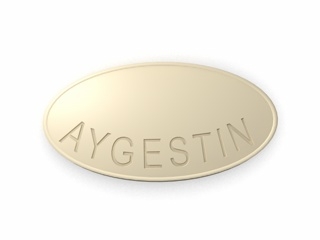
Aygestin is a hormonally active medicine containing norethindrone acetate. It is used to treat a range of gynaecological conditions where controlling hormone levels can help. This page explains what Aygestin is, how it works, how it is used in practice, and important safety information for patients in the United Kingdom.
If you have questions about your personal situation, always follow the advice of your healthcare professional. Information below is general and may not apply to every patient.
1. Basic product information
- Medicine name: Aygestin
- Active ingredient: Norethindrone acetate
- Medicine type: Progestogen (synthetic progesterone-like hormone)
- Used for: Various menstrual and hormone-related conditions
- How it’s taken: Usually as oral tablets (by mouth)
- Brand/strengths: Available in different tablet strengths depending on supply
In the UK, medicines are regulated by the Medicines and Healthcare products Regulatory Agency (MHRA) and must meet quality, safety and effectiveness standards.
2. How Aygestin works (mechanism of action)
Norethindrone acetate is converted in the body to its active form, which acts like natural progesterone. It works mainly by affecting the hormonal signalling that controls the menstrual cycle and the lining of the womb (endometrium).
- Stabilises the endometrium: Helps make the womb lining more stable, reducing abnormal bleeding.
- Counteracts oestrogen effects: In patients where oestrogen may stimulate excessive endometrial growth, a progestogen can help balance the effect.
- Influences the menstrual cycle: Alters hormone feedback to the brain, affecting ovulation timing and endometrial shedding.
- May reduce endometrial proliferation: Can slow growth of hormone-responsive endometrial tissue.
3. Pharmacokinetics (what the body does to the medicine)
“Pharmacokinetics” describes how the body absorbs, distributes, metabolises, and eliminates norethindrone acetate.
- Absorption: After oral administration, norethindrone acetate is absorbed through the gastrointestinal tract.
- Conversion/metabolism: It is metabolised in the liver. Metabolic pathways convert it to active and inactive metabolites.
- Distribution: Like many steroid hormones, it binds to plasma proteins (for example, sex hormone binding mechanisms).
- Elimination: Metabolites are primarily cleared by the kidneys (urine) and via bile/faecal routes.
- Duration of effect: Because hormones act on the endometrium, clinical effect may last beyond the time a single dose is taken.
Individual responses vary. Age, liver function, other medicines, and smoking status can all affect how hormone medicines behave in the body.
4. Typical uses (indications)
Aygestin is used for hormone-dependent or hormone-responsive conditions, commonly involving irregular or heavy bleeding, or where the womb lining needs to be controlled.
Indications may include:
- Abnormal uterine bleeding (e.g., heavy or irregular bleeding due to hormonal imbalance)
- Endometriosis (to help reduce pain and bleeding associated with hormone-responsive endometrial tissue)
- Suppression or protection of the endometrium in certain hormonal treatment strategies (as advised by a clinician)
- Other progestogen-responsive gynaecological conditions as determined by local clinical guidance and patient factors
The exact reason you have been prescribed Aygestin will depend on your diagnosis and medical history.
5. When to take Aygestin (timing and how to use it)
Aygestin is taken by mouth, typically once or more times per day depending on the prescribed regimen. Consistency is important for maintaining stable hormone levels.
- Choose a consistent time: Take it at the same time each day.
- Follow your dosing schedule: Do not change the timing or dose without guidance.
- Complete the course: If you were given a defined period, finish it unless told otherwise.
- If you miss a dose: See the FAQ section for general advice. Your prescriber or pharmacist may give personalised instructions.
Swallowing tips: Take the tablet with water. You may take it with or without food (see food interactions below).
6. Dosing information (general guidance)
Dosing is individual and depends on the indication, your symptoms, and how you respond to treatment. In the UK, doses are chosen according to prescribing information and clinical judgement.
Common patterns (examples):
- For abnormal uterine bleeding: Often taken for part of the menstrual cycle or for a short course to control bleeding.
- For endometriosis: Often taken on a continuous or longer regimen to suppress endometrial activity.
Because dosing varies, always use the instructions provided with your supply label. If you are unsure what dose schedule applies to you, contact your pharmacist.
7. Food interactions
In general, norethindrone acetate may be taken with or without food. Food does not typically prevent absorption.
- Meal timing: Taking it with food may improve comfort if you experience mild nausea.
- Grapefruit and herbal products: While not a standard interaction point for norethindrone acetate specifically, herbal products and concentrated supplements can affect hormone metabolism. Discuss any herbal or dietary supplement use with your pharmacist.
If you experience stomach upset, nausea, or bloating, speak to a healthcare professional. Do not stop the medicine without advice.
8. Alcohol interactions
Alcohol may not directly “react” with norethindrone acetate in the way that some medicines do, but it can affect you by:
- Increasing side effects: Such as dizziness, tiredness, or nausea in some people.
- Worsening bleeding irregularity: In some individuals, alcohol can contribute to cycle disruption.
- Impacting liver function: Heavy or long-term alcohol use can affect the liver, which is important for hormone metabolism.
If you drink alcohol, keep it moderate and monitor how your body responds. Seek medical advice if you notice unusual symptoms such as severe headaches, yellowing of the skin/eyes, or persistent unusual bleeding.
9. Medicine interactions (important)
Some medicines can alter how Aygestin is processed in the liver, potentially making it less effective or increasing side effects. Others may increase the risk of blood clots when combined with hormone-containing medicines (depending on regimen and patient factors).
Medicines that may interact include:
- Enzyme-inducing medicines (can reduce effectiveness), such as certain treatments for epilepsy (e.g., some barbiturates, carbamazepine), tuberculosis (e.g., rifampicin), and some HIV treatments.
- Medicines affecting liver enzymes (some antifungals and antibiotics may have effects depending on the substance).
- Herbal products such as St John’s wort (often used for mood) may reduce hormone medicine effectiveness.
- Anticoagulants/antiplatelets (blood thinners or clot-prevention medicines): progestogens can influence bleeding and clotting risk, and dose monitoring may be needed.
This is not a complete list. Tell your pharmacist or prescriber about all medicines you take, including:
- Prescription medicines
- Over-the-counter medicines
- Vitamins and supplements
- Herbal remedies
10. Safety profile: who should be cautious and when to seek help
Like all medicines, Aygestin can cause side effects. Many are mild and improve as your body adjusts, but some require urgent medical attention.
Common side effects
- Irregular bleeding or spotting (especially early on)
- Changes in menstrual flow
- Nausea or stomach discomfort
- Breast tenderness
- Headache
- Mood changes
- Fluid retention or bloating
- Acne or skin changes
Serious risks (seek urgent medical advice)
Hormone medicines can carry risks, particularly in people with certain underlying conditions. Get urgent medical help if you experience:
- Symptoms of blood clots, such as sudden shortness of breath, chest pain, coughing blood, severe leg pain/swelling, or sudden weakness/numbness.
- Severe or persistent headaches, especially with vision changes.
- Yellowing of the skin/eyes (jaundice) or dark urine, which may indicate liver problems.
- Severe abdominal pain or sudden swelling.
- Very heavy bleeding or bleeding with dizziness/fainting.
Who should discuss Aygestin carefully with a clinician
- Those with a history of blood clots or known clotting disorders
- People with liver disease
- Those with hormone-sensitive cancers or unexplained vaginal bleeding
- Smokers, particularly if other risk factors for cardiovascular disease are present
- People with migraines (especially with aura)
Your healthcare professional will weigh benefits versus risks based on your medical history, age, and risk profile.
11. Practical use tips (making treatment easier)
- Track bleeding changes: Use a simple calendar or app to record spotting, heavy days, and pain levels.
- Use a reminder: Set a daily phone alarm to reduce missed doses.
- Take note of side effects: If side effects occur, note when they begin and whether they improve.
- Stay hydrated and manage nausea: Light meals or taking the dose with food can help if you feel unwell.
- Do not skip if you feel “better”: Completing the intended course helps control symptoms appropriately.
- Attend follow-ups: Your clinician may review symptoms, blood pressure, and any ongoing risk factors.
12. Alternative options
Depending on your diagnosis, there may be alternative treatments. Your options can include:
For abnormal uterine bleeding
- Other progestogens (different formulations or dosing schedules)
- Levonorgestrel-releasing intrauterine system (IUS)
- Non-hormonal options such as tranexamic acid in some cases
- Combined hormonal methods may be considered in selected patients
For endometriosis
- Other progestogens and hormonal suppression strategies
- Gonadotropin-releasing hormone (GnRH) analogues/antagonists in specialist settings
- Surgery for selected patients (for example, to treat endometriomas or focal lesions)
The best choice depends on your symptoms, age, suitability for hormones, risk factors, and preferences. Discuss alternatives with your healthcare professional.
13. UK market and legal/regulatory context
In the UK, medicines are classified and regulated under MHRA frameworks. Patient safety information is supported by:
- Product authorisation and SmPC/leaflet information provided through official channels
- Pharmacovigilance (ongoing safety monitoring after launch)
- Prescription and dispensing controls depending on classification and local practice
This online pharmacy page aims to provide clear information to help patients understand how Aygestin is generally used in the UK healthcare context.
14. Recent guidance and clinical updates (general)
Clinical guidance for hormone therapies can evolve as new evidence emerges. In recent years, common themes include:
- Individualised risk assessment for thromboembolic and cardiovascular risk where relevant
- Emphasis on recognising serious adverse effects early
- Ongoing review of bleeding patterns to ensure appropriate diagnosis and response
- Use of the lowest effective dose for the shortest necessary duration where appropriate
Your healthcare professional will apply the most up-to-date guidance available at the time of prescribing and review.
15. Delivery and availability in the UK
Aygestin availability can vary by supplier and tablet strength. Online pharmacies typically offer:
- UK delivery options (delivery times depend on service level and stock status)
- Secure packaging to protect tablets and maintain privacy
- Stock checks to help reduce delays
If you need Aygestin urgently or your local stock is limited, contact customer support for the most accurate availability information.
16. Storage and handling
- Store at room temperature as advised on the pack.
- Keep out of the sight and reach of children.
- Do not use after the expiry date shown on the pack.
- Keep in original packaging to protect from moisture and light.
17. FAQ
How long does Aygestin take to work?
Some people notice improved control of bleeding within the first cycle or within the early days of treatment, while others may require a short adjustment period. If bleeding patterns are not improving as expected, speak to your pharmacist or prescriber.
What should I do if I miss a dose?
General guidance: if you remember soon after the usual time, take the missed dose as advised by your label/pharmacist. If it is close to the next dose, skip the missed dose and continue as normal. Avoid taking two doses to “catch up” unless instructed. If you’re unsure, ask your pharmacist.
Will Aygestin affect my periods or cause spotting?
Irregular bleeding or spotting can occur, particularly in the beginning. Over time, bleeding often becomes more predictable when the dose and schedule are correct for the condition being treated.
Can I take Aygestin if I am breastfeeding or pregnant?
Hormonal medicines need careful assessment in pregnancy and breastfeeding. If you are pregnant, planning pregnancy, or breastfeeding, speak with your healthcare professional before using Aygestin.
Does Aygestin affect contraception?
Progestogen medicines may not provide reliable contraception in all situations. If you need contraception, discuss suitable options with your healthcare professional.
Can I drink alcohol while taking Aygestin?
Moderate alcohol is unlikely to directly interact with norethindrone acetate for most people, but alcohol may worsen side effects or affect overall health. If you drink, keep it moderate and monitor for unusual symptoms.
Are there foods I should avoid?
There are usually no specific food restrictions. If you experience nausea, taking the tablet with a meal may help.
What medicines should I avoid while taking Aygestin?
Some medicines can reduce effectiveness or change hormone levels (for example, certain enzyme-inducing treatments). Also, herbal products like St John’s wort may interact. Always tell your pharmacist about your full medicine list.
What side effects are most common?
Common side effects include irregular bleeding, breast tenderness, headaches, mood changes, and nausea. Serious symptoms are uncommon but must be treated urgently if they occur (such as signs of a blood clot or jaundice).
When should I seek medical help urgently?
Seek urgent medical attention for symptoms such as chest pain, sudden breathlessness, leg swelling/pain, severe sudden headache with visual symptoms, yellowing of skin/eyes, fainting, or very heavy bleeding.
Summary
Aygestin (norethindrone acetate) is a progesterone-like medicine used for various hormone-responsive conditions, particularly those involving abnormal uterine bleeding and other gynaecological problems. It works by stabilising the womb lining and balancing hormone effects. While many patients experience manageable side effects, it’s important to recognise rare but serious warning signs and to discuss individual risk factors with your healthcare professional.
For the safest and most effective use, take Aygestin exactly as directed, keep a note of any bleeding changes, and consult a healthcare professional if you have concerns or experience severe symptoms.