


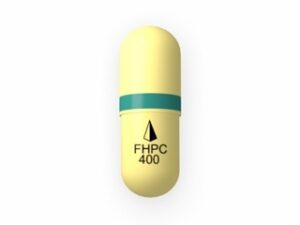
Provera (Medroxyprogesterone Acetate) – Patient Information (UK)
Provera contains medroxyprogesterone acetate, a synthetic form of the natural hormone progesterone. It is used in a range of women’s health conditions, including problems caused by hormone imbalance. This page explains what Provera is, how it works, how it is taken, and important safety information for people in the UK.
Quick Overview
| Category | Details |
|---|---|
| Medicine | Provera (medroxyprogesterone acetate) |
| Type | Progestogen (synthetic progesterone) |
| Available forms | Typically tablets (strengths vary by product/UK availability) |
| How it works | Helps balance the effects of oestrogen in the body |
| Common uses | Hormone-related irregular bleeding, endometrial protection, and specific reproductive health indications |
| Key safety points | Tell your clinician about pregnancy risk and medical history (especially blood clots, breast cancer, liver disease) |
What is Provera?
Provera is a medicine that contains medroxyprogesterone acetate, a progestogen. Progesterone is a natural hormone involved in regulating the menstrual cycle, supporting the lining of the womb (endometrium), and contributing to pregnancy-related processes.
In Provera, medroxyprogesterone acetate works similarly to progesterone. In people with a womb, it can help control hormone-driven bleeding and reduce excessive growth of the womb lining when oestrogen is present.
How Provera Works (Mechanism of Action)
The main actions of medroxyprogesterone acetate include:
- Transforming and stabilising the endometrium: It changes the womb lining so it responds in a controlled way to hormones.
- Counteracting oestrogen’s effects: Oestrogen can stimulate endometrial thickening. Provera helps prevent uncontrolled growth in certain contexts.
- Influencing the menstrual cycle: It can help regulate bleeding patterns and trigger withdrawal bleeding when stopped or taken in cycle-based schedules.
- Reducing excessive hormone-driven bleeding: For some conditions, it can improve heavy or irregular bleeding associated with hormone imbalance.
Pharmacokinetics (How the Body Handles the Medicine)
Pharmacokinetics describes what happens to a medicine in the body—absorption, distribution, metabolism, and elimination. The exact numbers vary by individual and product strength, but the general pattern is as follows:
- Absorption: After taking tablets by mouth, the active drug is absorbed through the gut into the bloodstream.
- Distribution: Medroxyprogesterone acetate binds to plasma proteins and distributes to tissues where hormone receptors are present.
- Metabolism: The medicine is primarily metabolised by the liver (via drug-metabolising enzymes). This means liver function can influence how your body processes it.
- Elimination: Metabolites are excreted mainly through urine and partially through other routes.
- Duration of effect: Hormonal effects can last longer than the immediate presence in blood, which is why dosing schedules (continuous vs cyclical) matter.
Typical Uses in the UK
Provera is used for several hormone-related conditions. The exact “best” use depends on your history, age, and symptoms. Examples of common indications include:
1) Abnormal uterine bleeding due to hormonal imbalance
- Irregular bleeding patterns related to progesterone deficiency or anovulatory cycles
- Bleeding control in selected clinical circumstances
2) Endometrial protection
- In people who have a uterus and are using oestrogen therapy (for example, in menopausal hormone treatment), a progestogen may be used to help protect the womb lining.
3) Other reproductive health indications
- Some guidance pathways include use for specific reproductive or gynaecological hormone conditions, depending on diagnosis.
If you’re unsure why Provera has been recommended for you, ask your healthcare professional to explain the goal: bleeding control, protection of the womb lining, or another specific aim.
When to Take Provera (Timing and Routine)
Follow the schedule given by your healthcare professional. In general, consistency helps maintain predictable hormone effects. Consider these practical points:
- Choose a daily time: Taking it at the same time each day can reduce missed doses.
- Continuous vs cyclical dosing: Some regimens involve daily intake, while others are taken for part of the month.
- Understand withdrawal bleeding: If your regimen is cyclical, bleeding may occur after stopping or during a “break” period.
- Plan around travel/work: If you miss a dose, contact your healthcare professional for advice rather than doubling doses.
Provera tablets can be taken with or without food (see food interactions below for details).
Food Interactions
Food is not generally expected to have a major direct interaction with medroxyprogesterone acetate. Many people find it easiest to take Provera with a meal or snack if it upsets their stomach.
However, to support best absorption and comfort:
- Take it at a consistent time each day.
- If it causes nausea or indigestion for you, try taking it with food.
- Always keep your healthcare team informed about any supplements or herbal products you’re using.
Alcohol and Medicine Interactions
There is no well-known “direct” interaction where moderate alcohol automatically makes Provera unsafe for everyone. Still, alcohol can affect:
- Side effects: dizziness, drowsiness, mood changes, or nausea may feel more noticeable.
- Risk factors: heavy alcohol use may worsen liver health, which matters because Provera is metabolised in the liver.
- Adherence: drinking may increase the chance you forget a dose.
If you drink alcohol, consider:
- Keeping to moderate amounts, especially when starting treatment.
- Avoiding binge drinking while your body adjusts.
- Seeking advice if you have liver disease or a history of heavy alcohol use.
Other Medicines and Potential Interactions
Provera may interact with other medicines, particularly those that affect liver enzymes (drug metabolism). Interactions can change the effectiveness of Provera and/or the risk of side effects.
Tell your healthcare professional if you use any of the following (not exhaustive):
- Enzyme-inducing medicines (can reduce hormone levels): some anti-epileptics (e.g., carbamazepine, phenytoin), certain treatments for tuberculosis (e.g., rifampicin), and some other enzyme inducers.
- Herbal supplements: products containing St John’s wort may affect hormone medicines.
- Medicines affecting liver function or those with a strong hepatic metabolism profile.
Keep an up-to-date list of your medicines and show it to your pharmacist for a thorough interaction check.
Safety Profile: Who Should Take Extra Care?
Important warnings
Like other hormone medicines, Provera has important safety considerations. Some people may need additional monitoring or should not take it. Your healthcare professional will assess benefits versus risks based on your personal medical history.
Get urgent medical help if you have symptoms of a serious condition
Seek urgent advice if you experience signs that could indicate a serious complication, such as:
- Possible blood clot: sudden shortness of breath, chest pain, coughing blood, or painful swollen leg.
- Severe allergic reaction: facial swelling, difficulty breathing, or widespread rash.
- Severe liver problems: yellowing of the skin/eyes, dark urine, severe fatigue, or upper abdominal pain.
- Unusual severe symptoms: severe headache, vision changes, or neurological symptoms.
Conditions that typically require careful assessment
- History of breast cancer or suspected breast malignancy
- Unexplained vaginal bleeding that hasn’t been investigated
- History of blood clots (venous thromboembolism) or stroke
- Liver disease or abnormal liver function tests
- Severe depression or mood changes (monitoring may be needed)
- Diabetes or conditions affecting glucose tolerance (monitoring may be advised)
- Heart disease or risk factors for cardiovascular problems
This list is not exhaustive. If any apply to you, discuss it before starting Provera.
Dosing: How Much Provera is Taken?
Dosing depends on the condition being treated, your age, and your clinical situation (including whether you have a uterus and the intended schedule). Because dosing may vary, it’s important to use the strength and regimen given by your healthcare professional.
In practice, dosing regimens may be:
- Cycle-based: taken for a portion of the month to create predictable bleeding patterns.
- Continuous: taken daily without a break in some indications.
If you want to reduce the chance of dosing errors:
- Check the tablet strength on the packaging.
- Use a calendar or phone reminder to track the days you should take it.
- Do not change your dose or stop suddenly unless advised.
If you miss a dose, the right action depends on the regimen. Contact your pharmacist for personalised advice. Generally, do not double up without guidance.
Practical Use Tips
- Keep track of bleeding changes: some people experience spotting or withdrawal bleeding, especially early on.
- Monitor mood and sleep: hormone medicines can influence emotional well-being for some people.
- Stay consistent: timing matters more than most people realise for predictable hormone effects.
- Use supportive lifestyle measures: balanced nutrition, regular movement (if suitable for you), and hydration can help with overall wellbeing.
- Bring a medicine list to reviews: include any over-the-counter medicines, vitamins, and herbal products.
Common Side Effects
Not everyone experiences side effects. Many effects are mild and may improve as your body adjusts. Commonly reported side effects include:
- Changes in bleeding pattern (spotting, irregular bleeding, or withdrawal bleeding)
- Nausea or indigestion
- Headache
- Breast tenderness
- Changes in mood (including mood swings or feeling low)
- Fluid retention (feeling puffy or weight fluctuation)
- Vaginal discharge changes in some cases
If side effects are severe, worsening, or affecting your day-to-day life, contact your healthcare professional.
Less Common but Serious Risks
Some risks are uncommon but important. Your clinician weighs these risks against the expected benefit. Seek urgent help for concerning symptoms (see earlier “Get urgent medical help” section).
- Blood clots: progestogen medicines can be associated with an increased risk in certain people.
- Certain cancers: risk depends on personal history and the indication for use.
- Liver effects: report symptoms suggesting liver problems.
- Visual or neurological symptoms: severe headaches or vision changes should be assessed promptly.
Pregnancy, Breastfeeding, and Fertility Considerations
If you might be pregnant, talk to a healthcare professional promptly before starting Provera. Hormonal medicines can affect menstrual patterns and may mask early pregnancy signs.
During breastfeeding, the safety profile must be assessed individually. Discuss with a clinician or pharmacist so they can consider the intended use and the best alternative if needed.
If you are trying to conceive or have fertility concerns, ask about how Provera may affect timing and cycle regulation for your situation.
Alternative Options
Depending on the reason Provera is being used, alternatives may include other hormonal or non-hormonal options. Your clinician will tailor recommendations to your diagnosis and medical history.
Possible alternatives (examples)
- Other progestogens (different molecules or formulations)
- Intrauterine progestogen systems (for certain womb-related bleeding or protection needs)
- Oestrogen–progestogen regimens in menopausal hormone therapy (when appropriate)
- Non-hormonal treatments for some causes of heavy menstrual bleeding (where clinically suitable)
- Investigations and targeted treatment if bleeding has an underlying cause that needs diagnosis
Ask your healthcare professional what alternatives suit your specific diagnosis and risk factors. If you have persistent or unexplained bleeding, further evaluation may be required.
UK Market & Legal/Regulatory Context
In the United Kingdom, medicines containing medroxyprogesterone acetate are regulated under UK medicines legislation and are supplied to patients through appropriate channels. Availability and exact pack strengths can vary depending on product supply and local prescribing and dispensing practices.
Provera is a hormone medicine, so it is supplied in a way designed to ensure safety checks and appropriate patient counselling. A pharmacist may ask additional questions about your medical history, current medications, and potential contraindications.
Recent Guidance and Updates (What to Expect)
Clinical guidance for hormone therapies can evolve. In the UK, recommendations often reference:
- Risk assessment for hormone-related conditions (including cardiovascular and clotting risk)
- Regular review of treatment need and appropriateness
- Evaluation of abnormal uterine bleeding, particularly when it is persistent, heavy, or unexplained
Since guidance may change, the safest approach is to follow the advice from your healthcare professional and pharmacist, and to report any new symptoms promptly.
Delivery, Availability and Ordering from an Online Pharmacy (UK)
Online pharmacies in the UK may offer delivery services that vary by provider and local arrangements. Availability can also differ by tablet strength and stock levels. When ordering, double-check:
- Strength and dosage form: tablets may come in different strengths.
- Pack size: confirm how many tablets are included.
- Delivery timelines: delivery speed depends on your location and the pharmacy’s dispatch schedule.
- Packaging: the product should arrive in original packaging with clear labelling.
If you need your medicine urgently, check the estimated dispatch and delivery options before placing an order. If you have missed doses or are concerned about continuity of hormone treatment, speak to a pharmacist for advice.
Frequently Asked Questions (FAQ)
1) What is Provera used for?
Provera (medroxyprogesterone acetate) is used for hormone-related conditions, such as abnormal uterine bleeding due to hormonal imbalance, and for protecting the womb lining in certain situations where oestrogen is used. The exact reason depends on your diagnosis.
2) How quickly will it work?
Many people notice changes in bleeding patterns within the first cycle or after starting the regimen. The timing depends on whether your treatment is continuous or cycle-based and on the underlying condition. If bleeding changes don’t follow expectations, contact your pharmacist or clinician.
3) Can I take Provera with food?
Yes. Provera tablets can generally be taken with or without food. If you feel nauseous, taking it with a meal may help.
4) What if I miss a dose?
Advice varies depending on your dosing schedule. In general, avoid doubling up without guidance. The safest step is to contact your pharmacist or healthcare professional for instructions based on your regimen and how many doses you’ve missed.
5) Does Provera affect pregnancy?
If there is any possibility you could be pregnant, seek timely advice. Hormonal medicines can affect bleeding patterns, which may mask early signs. Your clinician can advise on the safest next steps.
6) Can I drink alcohol while taking Provera?
Moderate alcohol is not generally a direct interaction, but alcohol may worsen certain side effects (such as nausea or dizziness) and may affect liver health. If you have liver disease or experience unpleasant effects, ask a pharmacist for tailored advice.
7) Are there interactions with other medicines?
Yes. Some medicines can change how Provera is metabolised, potentially altering effectiveness or side-effect risk. Tell your pharmacist about all medicines you take, including over-the-counter products and herbal supplements (especially St John’s wort).
8) What side effects are common?
Common side effects may include spotting or bleeding changes, headache, nausea, breast tenderness, mood changes, and fluid retention. Seek medical advice if side effects are severe or concerning.
9) When should I stop and get urgent help?
Don’t stop suddenly unless advised. Seek urgent medical help for signs of blood clots (such as sudden breathlessness or chest pain), severe allergic reactions, symptoms of liver problems (yellow skin/eyes, dark urine), or severe neurological symptoms.
10) What are the alternatives to Provera?
Alternatives depend on the underlying reason for treatment. Possible options include other progestogens, intrauterine progestogen systems, hormonal combinations used in menopausal care, or non-hormonal treatments for selected causes of abnormal bleeding.
References and Important Reminder
This patient-friendly guide summarises key information about Provera (medroxyprogesterone acetate). It does not replace personalised advice. If you are unsure how to take your medicine, have persistent or unexplained bleeding, or are worried about side effects or interactions, speak to a qualified healthcare professional or pharmacist.