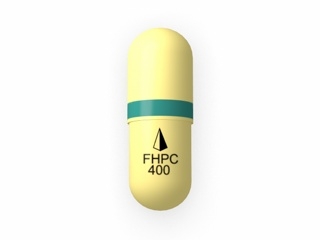


Ponstel (Mefenamic Acid) — Patient Information (UK)
Ponstel contains mefenamic acid, a non-steroidal anti-inflammatory drug (NSAID). It is used to relieve pain and help reduce inflammation. This page explains how Ponstel works, how it’s used, common safety considerations, and practical tips to help you get the most from your medicine in the United Kingdom.
Important: This information is for general guidance. Always follow the instructions given by your clinician or pharmacist and read the patient information leaflet supplied with your medicine.
Quick Facts
- Active ingredient: Mefenamic acid
- Drug type: NSAID (non-steroidal anti-inflammatory drug)
- Used for: Short-term relief of mild to moderate pain, and often for period pain (dysmenorrhoea)
- How it works: Reduces substances (prostaglandins) that contribute to pain and inflammation
- Common ways to take: Swallowed tablets, typically several times daily for short durations
What is Ponstel?
Ponstel is a brand of mefenamic acid. Mefenamic acid is an NSAID that helps relieve pain by reducing inflammation-related chemicals called prostaglandins. It is used in adults and some adolescents for certain types of pain, including painful periods (dysmenorrhoea).
Because NSAIDs can affect the stomach, kidneys, and cardiovascular system, it’s important to use the lowest effective dose for the shortest possible time and to avoid combining it with other NSAIDs unless advised.
How Ponstel Works (Mechanism of Action)
Mefenamic acid works by blocking enzymes (primarily cyclo-oxygenase, COX) involved in the production of prostaglandins. Prostaglandins are chemicals that:
- Contribute to pain signalling
- Increase inflammation
- May play a role in fever and other inflammatory responses
By lowering prostaglandin levels, Ponstel helps reduce pain and can lessen inflammation and associated discomfort.
Pharmacokinetics (Absorption, Distribution, Metabolism, Elimination)
Pharmacokinetics describe what the body does to the medicine. While individual responses vary, the general pattern for mefenamic acid is:
- Absorption: After taking by mouth, mefenamic acid is absorbed from the gastrointestinal tract.
- Distribution: It distributes into body tissues, including areas involved in pain and inflammation.
- Metabolism: It is metabolised mainly in the liver.
- Elimination: Metabolites are eliminated primarily through the kidneys (urine) and also via the digestive route.
Practical implication: If you have liver disease or kidney problems, the handling of NSAIDs may be altered. Your healthcare professional may recommend dose adjustments, additional monitoring, or a different treatment.
Typical Use in the UK
Ponstel is typically used for:
- Painful periods (dysmenorrhoea): to relieve cramping and discomfort associated with menstruation
- Mild to moderate pain: for short-term pain relief depending on clinical judgement and local prescribing information
NSAIDs are most effective when taken early in the course of pain or at the time symptoms begin. For period pain, many people find it helps to start at the first sign of symptoms.
Indications and When Ponstel May Be Considered
In the UK, mefenamic acid may be used for appropriate indications such as:
| Condition/Indication | What Ponstel helps with | Typical treatment length |
|---|---|---|
| Primary dysmenorrhoea (painful periods) | Cramps, lower abdominal/pelvic pain, discomfort during menstruation | Short-term (often limited to symptoms and clinical guidance) |
| Pain (mild to moderate) where an NSAID is appropriate | Pain relief and reduction of inflammation-related discomfort | Short-term; reassess if pain persists |
Note: Eligibility, suitability, and duration depend on your medical history, age, and risk factors (for example, stomach ulcers, kidney disease, or heart disease).
Dosing and How to Take Ponstel
Dosing should follow the product label and/or advice from a healthcare professional. The exact regimen can vary by strength and patient factors. If you’re unsure, check the leaflet or speak to a pharmacist.
Typical adult dosing (general guidance)
- Initial dose: often taken at the start of symptoms.
- Subsequent doses: usually taken multiple times daily at intervals (commonly after meals or with food to reduce stomach upset).
- Maximum duration: generally kept short; for period pain, treatment typically does not continue beyond the symptom period unless specifically advised.
How to take it
- Swallow tablets with water.
- Take with food if it upsets your stomach.
- Use the lowest effective dose for the shortest time.
- Avoid taking with other NSAIDs (e.g., ibuprofen, naproxen, diclofenac) unless a clinician advises it.
Timing tips
- For period pain: consider starting when cramps begin, rather than waiting until pain becomes severe.
- For other short-term pain: take when symptoms start, and follow the dosing interval on the pack or leaflet.
- Consistency: taking doses regularly for the recommended duration may improve pain control.
If symptoms do not improve or worsen, seek medical advice rather than extending use.
Food Interactions (What to Eat and Avoid)
Food can influence how comfortable you feel while taking Ponstel. NSAIDs can irritate the stomach lining, so taking them with food is often helpful.
- With or after food: may reduce the risk of indigestion and stomach discomfort.
- Empty stomach: increases the chance of nausea, heartburn, or abdominal pain.
Gastrointestinal risk: If you have a history of stomach ulcers or bleeding, or if you’re taking medicines that affect bleeding (e.g., anticoagulants), you should be extra cautious and discuss options with a pharmacist or clinician.
Alcohol and Medicine Interactions
Alcohol: combining alcohol with NSAIDs can increase the likelihood of stomach irritation, ulcers, and gastrointestinal bleeding. For this reason, it’s generally best to limit or avoid alcohol while taking Ponstel.
Other medicines that may interact with NSAIDs (examples):
- Other NSAIDs: increased risk of ulcers and bleeding.
- Anticoagulants (blood thinners) and antiplatelet medicines: increased bleeding risk.
- Selective serotonin reuptake inhibitors (SSRIs): may increase bleeding risk when combined with NSAIDs.
- Diuretics and blood pressure medicines: NSAIDs can reduce effectiveness and may affect kidney function.
- ACE inhibitors/ARBs: combined use may increase risk of kidney issues in some people.
- Lithium: levels may rise, increasing toxicity risk.
- Methotrexate: may increase methotrexate toxicity if used together (especially at higher doses).
- Oral corticosteroids: increased risk of stomach bleeding.
Always tell a healthcare professional about all medicines you take, including over-the-counter products and herbal supplements.
Safety Profile (Possible Side Effects and Warnings)
Like all medicines, Ponstel can cause side effects. Most people tolerate mefenamic acid well when used correctly, but NSAIDs can carry important risks—particularly with higher doses or longer use.
Common side effects
- Stomach upset, indigestion, heartburn
- Nausea
- Abdominal pain
- Headache
Less common but serious risks
- Gastrointestinal bleeding or ulcers: symptoms may include black/tarry stools, vomiting blood, or severe abdominal pain
- Kidney problems: symptoms may include reduced urine output, swelling in legs/feet, or unusual tiredness
- Allergic reactions: rash, facial swelling, wheezing, or severe breathlessness
- Cardiovascular risk: NSAIDs can increase risk of heart-related events, especially at higher doses and longer durations
Seek urgent medical help if you notice
- Signs of serious allergy (e.g., swelling of face/lips, difficulty breathing)
- Symptoms of stomach bleeding (black stools, vomiting blood, fainting)
- Chest pain, sudden shortness of breath, weakness on one side of the body
Who should be extra cautious
Please discuss suitability with a pharmacist or clinician if you have any of the following:
- A history of stomach ulcers or gastrointestinal bleeding
- Existing kidney disease or dehydration
- Heart disease, previous stroke, or uncontrolled high blood pressure
- Asthma that can be triggered by NSAIDs
- Liver disease
- Are pregnant or planning pregnancy (NSAIDs have specific cautions)
Practical Use Tips
- Use the right dose for the right duration: Pain relief should be reviewed if symptoms continue.
- Take with food: particularly if you have a sensitive stomach.
- Stay hydrated: dehydration increases kidney risk with NSAIDs.
- Avoid duplication: do not take Ponstel alongside other NSAID products.
- Read other labels: some cold/flu products may contain NSAIDs or other painkillers.
- If you miss a dose: take it when you remember unless it’s close to the next dose. Do not take a double dose.
If you experience persistent stomach discomfort, ringing in the ears, unusual bruising, or symptoms suggesting bleeding, stop and seek advice promptly.
Alternative Options
If Ponstel isn’t suitable, alternatives may include other pain relief approaches depending on the condition being treated.
Other medicines
- Paracetamol (acetaminophen): often used for pain relief, generally gentler on the stomach than NSAIDs
- Alternative NSAIDs: for some people, a different NSAID may be better tolerated
- For period pain: hormonal options may be appropriate for some individuals (discuss with a clinician)
Non-medicine options
- Heat therapy: warming pads or heat packs for cramps
- Exercise and stretching: may help some people during menstrual pain
- Relaxation techniques: breathing exercises, gentle yoga
Your pharmacist can help compare options based on your medical history and current medication list.
Market and Legal Context (United Kingdom)
In the UK, medicines containing mefenamic acid are regulated and supplied according to UK medicines legislation and healthcare guidance. Availability can vary depending on formulation strength and pack size. Your pharmacy will supply Ponstel in line with applicable UK pharmacy and medicines regulations.
As with all NSAIDs, prescribing and patient suitability must consider:
- Age and specific indications
- Risk factors for gastrointestinal bleeding, kidney impairment, and cardiovascular events
- Potential drug interactions
Recent Guidance and Clinical Considerations
UK healthcare guidance continues to emphasise safer NSAID use principles:
- Use NSAIDs at the lowest effective dose for the shortest duration.
- Be cautious in people at higher risk of GI bleeding and consider gastro-protective strategies when appropriate (your clinician/pharmacist can advise).
- Assess cardiovascular and renal risks, particularly in older adults and those with comorbidities.
- In pain conditions, consider stepwise approaches: starting with safer options when suitable (e.g., paracetamol) and reviewing if pain persists.
Reminder: guidance may be updated. Always rely on the leaflet and advice given for your specific situation.
Delivery and Availability (Online Pharmacy UK)
Ponstel availability can depend on stock levels and the specific strength/formulation you need. When you order through a UK online pharmacy, you should expect:
- Secure checkout: delivery details and payment processed through the pharmacy’s secure system.
- Packaging: medicines supplied in appropriate packaging with patient information.
- Delivery times: typically within the standard postal or courier service timeframes shown at checkout.
How to prepare for delivery: ensure your delivery address is correct, and if delivery requires a signature, make arrangements where necessary.
If Ponstel is temporarily out of stock, the pharmacy may offer:
- an alternative strength or similar product where clinically appropriate, or
- advice on the best substitute.
FAQ — Ponstel (Mefenamic Acid)
1) What is Ponstel used for?
Ponstel (mefenamic acid) is used to relieve pain and can help reduce inflammation-related discomfort. It is commonly used for period pain (dysmenorrhoea) and for other short-term mild to moderate pain conditions when an NSAID is appropriate.
2) How quickly does Ponstel work?
Many people experience pain relief within a short time after taking an NSAID. Individual response varies depending on factors such as the dose, whether you’ve eaten, and the cause of pain.
3) Should I take Ponstel with food?
Taking Ponstel with or after food can help reduce stomach upset. If you feel nauseous or have indigestion, food may make a noticeable difference.
4) Can I take Ponstel with paracetamol?
Paracetamol is often used alongside other pain relief medicines because it is not an NSAID. However, you should follow dosing instructions on both products and confirm suitability if you have liver disease or heavy alcohol use.
5) Can I take Ponstel with ibuprofen or other NSAIDs?
In general, you should avoid taking multiple NSAIDs together (such as ibuprofen, naproxen, or diclofenac) due to higher risk of stomach irritation, ulcers, and bleeding.
6) What should I avoid while taking Ponstel?
Avoid combining Ponstel with:
- Other NSAIDs
- Large amounts of alcohol
- Medicines that increase bleeding risk unless advised (for example, some blood thinners)
7) Are there people who should not use mefenamic acid?
Some people must avoid NSAIDs or take them only with close supervision—such as those with a history of NSAID-related allergic reactions, stomach ulcers/bleeding, significant kidney disease, or certain heart conditions. If you are unsure, ask a pharmacist for suitability.
8) What are the warning signs of serious side effects?
Seek urgent medical advice if you notice signs of allergy (swelling, wheezing), stomach bleeding (black stools, vomiting blood), or serious cardiovascular symptoms (chest pain, sudden breathlessness, weakness on one side).
9) Can I drive or operate machinery?
Most people can drive or operate machinery while taking Ponstel, but if you feel dizzy or unwell, avoid driving and seek advice.
10) What should I do if my pain doesn’t improve?
If pain persists, becomes severe, or keeps returning, it’s important to get medical advice rather than continuing NSAID treatment for longer than recommended.
Summary
Ponstel (mefenamic acid) is an NSAID used for short-term pain relief, including painful periods. It works by reducing prostaglandins, which helps ease pain and inflammation. For safety, use the lowest effective dose for the shortest duration, consider taking it with food, and avoid combining with other NSAIDs or heavy alcohol. If you have risk factors (such as stomach ulcers, kidney problems, or heart disease), discuss your options with a pharmacist or clinician.
If you would like, tell us your age and the reason you’re considering Ponstel (for example, period pain or another type of pain) and we can help you think through questions to ask a pharmacist about suitability and safe alternatives.