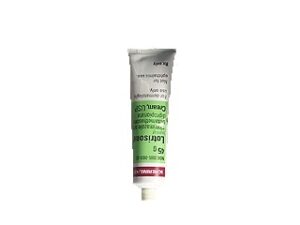
Lamisil (Terbinafine) — Patient Information (UK)
Lamisil is a medicine containing terbinafine, used to treat fungal infections of the skin and, in some cases, the nails. It belongs to a group of antifungal medicines called allylamines. This page explains what Lamisil does, how it works, how to use it, and what to expect.
Please note: Different forms of terbinafine are available (e.g., cream/gel for skin, and tablets for nail infections). Always use the exact product and strength you have been provided and follow the instructions supplied with your pack or by your healthcare professional.
Key product information
| Feature | Details |
|---|---|
| Active ingredient | Terbinafine |
| Medicine type | Antifungal (allylamine) |
| Common forms in the UK | Terbinafine cream/gel (skin); Terbinafine tablets (nails and some other fungal conditions) |
| Typical uses | Tinea (ringworm), athlete’s foot, jock itch; and certain nail fungal infections |
| Works by | Stopping fungal growth by disrupting ergosterol production |
| Prescription status | Availability can vary by strength/form; follow UK product labelling and guidance |
How Lamisil works (mechanism of action)
Fungi need a substance called ergosterol to keep their cell membranes working properly. Terbinafine blocks an enzyme involved in making ergosterol (the enzyme is squalene epoxidase). This causes a build-up of a toxic compound within the fungal cell and leads to fungal cell death.
Because the action is targeted at fungal cells, terbinafine is most effective against certain dermatophyte fungi (the common causes of “ringworm” type infections) and is often used for athlete’s foot and other related skin infections.
Pharmacokinetics (how the medicine moves through the body)
Topical terbinafine (cream/gel) is applied to the skin. Only a small amount is expected to be absorbed into the bloodstream when used correctly. Most of the medicine acts locally in the affected area.
Oral terbinafine (tablets) is absorbed through the gut. It is distributed throughout the body, including into skin and nails. Terbinafine has a relatively long-lasting effect because it persists in skin tissues.
- Onset: Symptoms may improve in the first days, but complete clearing of infection usually takes longer.
- Nails: Nail growth is slow, so visible improvement can take months even after the fungal infection starts to clear.
- Metabolism: Orally taken terbinafine is metabolised in the liver and removed mainly through urine and faeces.
Your exact timing and expected progress may vary depending on the location and severity of the fungal infection and the product form used.
What it’s used for (indications)
Lamisil is used to treat fungal infections caused by susceptible organisms, particularly dermatophytes. In the UK, terbinafine products are commonly used for:
- Athlete’s foot (tinea pedis)
- Jock itch (tinea cruris)
- Ringworm (tinea corporis)
- Fungal infections of the skin (where terbinafine is appropriate)
- Nail fungal infection (onychomycosis) — typically treated with oral terbinafine in suitable cases (the best option depends on the extent of nail involvement, your health, and how many nails are affected).
If symptoms are not typical for a fungal infection, or if there is no improvement after the recommended course, it may be necessary to reassess the diagnosis.
Typical timing and when you’ll notice results
A common reason fungal treatments fail is stopping too soon. Fungi can remain even when the skin looks better. The practical timing below is typical, but you should follow your product instructions.
- Skin infections (cream/gel): Many people see early symptom relief within several days. Full clearance often takes 1–2 weeks depending on where the infection is and how extensive it is.
- Continue treatment: Keep using the medicine for the full recommended duration and often for a short period after visible signs improve to reduce the chance of recurrence.
- Nail infections (tablets): Expect visible improvement only as new nail grows. This commonly takes 6–12 months, depending on whether fingernails or toenails are involved.
Dosing and how to use Lamisil
Dosing depends on the form (topical vs oral) and the type of infection. The information below provides general guidance. Always check the strength and instructions on your specific pack.
1) Lamisil cream / gel (topical use)
Topical terbinafine is applied to the affected skin and usually surrounding area. Typical instructions for many terbinafine topical products include:
- How often: Often applied once daily or once or twice daily depending on the product and infection.
- Amount: A thin layer over the affected area and a small margin of surrounding skin.
- Duration: Commonly about 1–2 weeks for athlete’s foot and ringworm, but jock itch or other presentations may vary.
Practical steps:
- Wash and dry the area thoroughly.
- Apply the medicine thinly to the affected area and slightly beyond the visible rash.
- Wash your hands after application (unless treating your hands).
- Continue treatment for the full course, even if symptoms improve quickly.
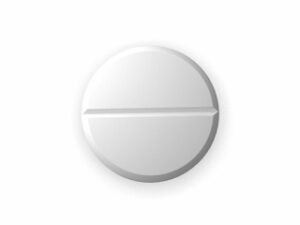
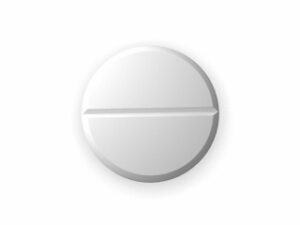
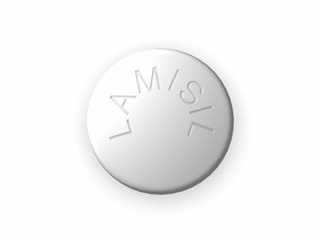
2) Lamisil tablets (oral use)
Oral terbinafine is typically used for more extensive nail disease or when topical treatment alone is unlikely to be sufficient. Typical regimens used in practice include treatment periods followed by a break, or shorter courses depending on the product and location of infection.
- How often: Usually once daily.
- Duration: Often 6 weeks for fingernails and 12 weeks for toenails for many terbinafine tablet regimens, but follow your product guidance exactly.
Do not double up on doses if you miss one; instead follow the “missed dose” advice in your pack.
Food interactions
Topical terbinafine (cream/gel) is applied to the skin and generally has minimal interaction with food.
Oral terbinafine can be taken with or without food in many cases. However, if your product labelling advises specific timing with meals, follow that. Taking tablets with food may help some people avoid stomach upset.
If you are taking other medicines regularly, it is still important to check interactions (see “Alcohol and medicine interactions” below).
Alcohol and medicine interactions
Alcohol does not have a simple “always safe/unsafe” rule with terbinafine, but there are important considerations—particularly because oral terbinafine is processed by the liver.
Alcohol
- Moderation is advised when taking oral terbinafine.
- If you have a history of liver disease, heavy alcohol use, or you develop symptoms suggesting liver problems (such as unusual tiredness, dark urine, pale stools, yellowing of the skin/eyes, or persistent nausea), seek medical advice promptly.
Medicine interactions (general)
Terbinafine can interact with certain medicines, particularly those that are metabolised by liver enzymes. The most important interactions depend on your personal medicines list.
- Warfarin (or other vitamin K antagonists): may increase bleeding risk in some situations; monitoring may be required.
- Some antidepressants and other medicines: interactions may occur depending on the exact drug and your metabolism.
- Certain antifungals or antibiotics: may affect levels of each other.
- Cimetidine and some other medicines that affect stomach acid or liver enzymes can alter terbinafine levels.
For safety, if you are unsure, check with a pharmacist and provide a complete list of all medicines, including over-the-counter products and herbal remedies.
Safety profile and side effects
Like all medicines, Lamisil can cause side effects. Many are mild and temporary, especially with topical use. Serious side effects are uncommon but important to recognise early.
Common side effects
- Topical (cream/gel): mild skin irritation, redness, itching, burning or dryness at the application site.
- Oral (tablets): headache, taste disturbance (e.g., reduced taste or altered taste), mild stomach upset, diarrhoea, or feeling less hungry.
Allergic reactions (seek urgent help)
Stop using and seek medical help urgently if you develop signs of a serious allergy, such as:
- swelling of the face, lips, tongue, or throat
- trouble breathing or wheezing
- severe rash or blistering
Liver-related effects (important with tablets)
Oral terbinafine can rarely affect the liver. The risk is higher in people with pre-existing liver problems. Contact a healthcare professional promptly if you develop possible liver symptoms:
- yellowing of the eyes/skin (jaundice)
- dark urine or pale stools
- unusual fatigue or weakness
- persistent nausea/vomiting
- upper right abdominal pain
When to be cautious
- If you have known liver disease, do not start oral terbinafine without medical advice.
- If you are pregnant or breastfeeding, check product-specific advice and seek professional guidance.
- For children, use only if the relevant product is indicated for the child’s age and weight, and follow pack instructions.
Practical tips to improve results and prevent recurrence
Fungal infections often recur if the environment remains favourable (e.g., damp feet, shared towels, or untreated household sources). These practical steps can make a meaningful difference.
For athlete’s foot (feet)
- Wash feet daily and dry well, especially between toes.
- Change socks at least daily (more often if you sweat).
- Choose breathable shoes and rotate footwear to allow drying.
- Disinfect or replace items like insoles if advised.
For ringworm/jock itch (body)
- Keep the area clean and dry.
- Wear loose-fitting clothing to reduce moisture.
- Avoid sharing towels and clothing.
For nail fungal infection
- Trim nails regularly and gently file thickened areas if safe to do so.
- Keep affected nails clean and dry.
- Consider treating any concurrent athlete’s foot to reduce re-infection.
- Expect slow improvement—continue the full course and be patient with nail regrowth.
If your skin is broken, oozing heavily, or there is significant pain, consult a healthcare professional before continuing—some conditions can look similar to fungus but need different treatment.
Alternative options to Lamisil
Terbinafine is not the only antifungal medicine. Alternatives may be suitable depending on the infection type, location, severity, and your health.
Other antifungals commonly used for skin
- Clotrimazole (topical antifungal)
- Miconazole (topical antifungal)
- Ketoconazole (topical antifungal, depending on availability)
- Azole antifungals may be used for certain types of fungal infections
For nail fungal infection
- Antifungal nail lacquers (topical) — may be considered for mild or limited cases.
- Other oral antifungals may be used in some circumstances (choice depends on individual factors and susceptibility of the fungus).
The “best” option depends on diagnosis. If you are not sure whether your symptoms are due to fungus, it can help to get advice.
Market and legal context in the United Kingdom
In the UK, medicines are regulated and monitored through the Medicines and Healthcare products Regulatory Agency (MHRA). Product availability can vary by formulation and strength.
Online pharmacies may offer certain antifungal treatments depending on whether the specific product is classified as general sale, available via pharmacy supply, or requiring a different route of supply in line with UK rules. Always check the classification and the specific instructions shown on the product page you order.
UK guidance for fungal skin infections typically emphasises:
- confirming the likely diagnosis (and reviewing if it doesn’t improve)
- using the correct antifungal for the infection type
- completing the full treatment course
- supportive hygiene measures to reduce spread and recurrence
Recent guidance and “when to seek advice”
While local clinical practice may vary, common UK advice for antifungal use includes:
- Seek further advice if there is no improvement after the expected early timeframe.
- If symptoms worsen, spread rapidly, or become very painful, get medical advice promptly.
- If you have diabetes, poor circulation, or are immunocompromised, consult a clinician early—foot and skin infections can progress differently.
- If you suspect nail fungus and you have extensive nail involvement, consider professional assessment to confirm the diagnosis and choose the most effective approach.
If you are uncertain, your pharmacist can help you decide whether terbinafine is likely to be appropriate based on your symptoms and product form.
Delivery and availability in the UK
Availability of Lamisil products can vary depending on the specific formulation (cream/gel vs tablets) and current stock. UK online pharmacies typically offer delivery options such as standard and express shipping, with dispatch times based on order volume and local fulfilment.
- Check the product page for current stock status and estimated delivery times.
- Packaging: medicines are usually delivered in manufacturer-approved packaging to protect stability and security.
- Storage: store at appropriate room temperature (as stated on the pack). Keep out of sight and reach of children.
If you need help choosing the right formulation for your condition, you can contact the pharmacy support team before ordering.
FAQ about Lamisil (terbinafine)
1) Is Lamisil suitable for athlete’s foot?
Yes. Terbinafine topical products are commonly used to treat athlete’s foot (tinea pedis). Use the correct form (cream/gel) and continue for the full course even if symptoms improve early.
2) How long does it take to work?
For skin infections, you may notice improvement within a few days. Complete clearance often takes 1–2 weeks (depending on the product and infection site). For nail infections treated with tablets, improvement is slower because nails grow slowly and may take months to look normal.
3) Can I stop once the rash looks better?
It’s best not to stop early. Fungi can remain beneath the surface even after symptoms improve. Completing the full recommended course helps reduce relapse.
4) Can I use Lamisil on broken or wet skin?
Avoid applying to severely broken skin unless your product instructions allow it. If the skin is very inflamed, oozing, or painful, it may not be straightforward fungal infection—seek advice.
5) Is it safe to drink alcohol while taking terbinafine tablets?
Moderate alcohol is usually considered a cautious approach, but terbinafine is processed by the liver. If you have liver problems or heavy alcohol use, speak to a healthcare professional before starting oral treatment. Stop and seek advice if you develop liver-related symptoms.
6) What if I miss a dose?
Follow the instructions on your pack. In general, don’t double up. If you’re unsure, ask a pharmacist for guidance based on your specific regimen.
7) Can terbinafine be used with other medicines?
It may interact with some medicines, especially those affecting liver metabolism. Provide your full list of medicines to a pharmacist if you are taking regular treatments, including warfarin or any long-term prescription medicines.
8) What if the infection keeps coming back?
Recurrence often means the fungus was not fully cleared, reinfection occurred (e.g., from damp shoes/socks), or another condition is being mistaken for fungus. Re-check hygiene measures, complete treatment fully, and consider professional assessment if it keeps returning.
9) When should I get medical advice?
Seek advice if you have severe symptoms, rapid spread, significant pain, no improvement after the expected early timeframe, signs of allergy, or possible liver symptoms (with tablets). People with diabetes, poor circulation, or weakened immune systems should seek earlier advice.
10) Are there alternatives if terbinafine doesn’t suit me?
Yes. Depending on the infection type and severity, alternatives include other topical antifungals (such as azoles) or different treatments for nail infections. A pharmacist can help match options to your symptoms.
Summary
Lamisil (terbinafine) is an antifungal medicine that works by disrupting fungal cell membrane formation. It is commonly used for skin fungal infections such as athlete’s foot, jock itch, and ringworm, and oral tablets may be used for nail fungal infections in suitable cases. For best results, apply the product correctly, use the full recommended course, and follow hygiene measures to reduce recurrence.
If you are uncertain about your symptoms or whether Lamisil is the right treatment, seek advice from a pharmacist. If you experience severe side effects or signs of allergy, stop using the medicine and get urgent medical help.