Grifulvin V (Griseofulvin) – Patient Information (UK)
Grifulvin V is a medicine containing griseofulvin. It is used to treat certain fungal (tinea) infections affecting the skin, hair, or nails. This page explains how it works, how it is taken, key safety information, interactions (including with alcohol and other medicines), and what to expect during treatment.
Quick Facts
- Active ingredient: Griseofulvin (often supplied as griseofulvin tablets)
- Used for: Fungal infections of skin, scalp, hair, and nails caused by susceptible dermatophytes
- How it works: Blocks fungal growth by interfering with how fungal cells divide and multiply
- Typical course: Often several weeks for skin/scalp; longer for nail infections
- Important: Results take time because infection clearance depends on how fast new healthy tissue grows
Basic Product Information
Grifulvin V is used for fungal infections. In the UK, your prescriber may advise which form and dose is suitable based on the type and extent of infection, your age, liver health, and other medicines you may take.
What it looks like
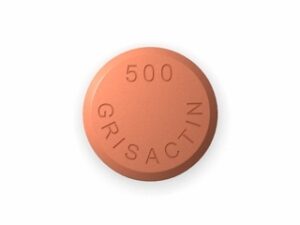
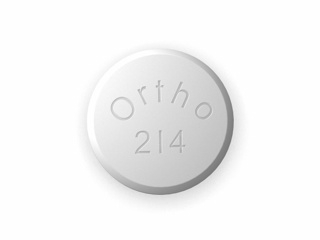
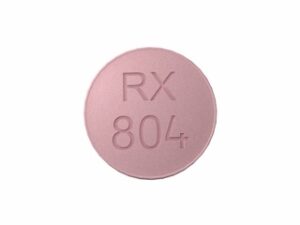
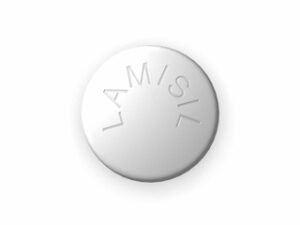
Grifulvin V is supplied as tablets. Exact strength and appearance can vary by product presentation—check the pack for details.
How Griseofulvin Works (Mechanism of Action)
Griseofulvin is an antifungal medicine, mainly active against dermatophytes (the fungi responsible for many ringworm/tinea infections).
It works by interfering with the fungal cell’s ability to form microtubules (structures involved in cell division). This stops the fungus from multiplying and allows the body to clear the infection.
Pharmacokinetics (What the Body Does to the Medicine)
Understanding how griseofulvin is absorbed and processed can help you take it effectively.
- Absorption: Absorption improves when taken with fatty food. Taking it with meals can help increase how much medicine gets into the bloodstream.
- Distribution: Griseofulvin distributes to tissues where fungi affect—particularly the skin, hair, and nails. This is important because active treatment must reach the infected site.
- Metabolism: It is metabolised mainly by the liver.
- Elimination: Metabolites are eliminated via the kidneys and/or bile depending on individual physiology.
- Time course: Clearance of fungus is linked to the replacement of infected tissue with new healthy tissue, which is why treatment may need to continue for weeks (or longer for nails).
Typical Use in the UK
In the UK, Grifulvin V is commonly used for dermatophyte fungal infections, including:
- Tinea corporis (ringworm of the body)
- Tinea capitis (ringworm of the scalp)
- Tinea barbae (beard area, less common)
- Tinea pedis (athlete’s foot) and other tinea types in selected situations
- Onychomycosis (fungal nail infection) in specific cases where griseofulvin is appropriate
Treatment choice may depend on the fungus involved, the site affected, severity, and how well you tolerate the medicine. Some nail infections may respond more slowly than skin infections.
When to Take Grifulvin V (Timing and Routine)
The exact schedule depends on your dose and formulation. A consistent routine improves adherence and helps maintain effective drug levels.
General timing guidance
- Follow the schedule on the pack or provided instructions.
- Take with food (especially a meal containing fat) if recommended by your healthcare professional or if tolerated.
- Try to take it at the same times each day to reduce missed doses.
- Continue for the full course, even if symptoms improve early.
How long treatment usually takes
The course length varies by infection site:
- Skin: Often several weeks.
- Scalp/hair: Often longer than skin, sometimes many weeks.
- Nails: Frequently requires months because nails grow slowly and infected nail needs to be replaced.
If you stop too early, the infection may return. If you are unsure whether enough time has passed, contact a pharmacist or clinician for advice.
Food Interactions (Eating and Drinking)
Food can significantly affect how much griseofulvin absorbs. In general, absorption is improved when the medicine is taken with fatty food.
Practical tips
- Take Grifulvin V with or after meals, rather than on an empty stomach.
- Choose a meal with some fat (for example, a normal balanced meal), unless you have been advised to avoid dietary fat.
- If you feel nauseated, taking it with food may help.
Alcohol and Medicine Interactions
Alcohol may not directly “cancel out” griseofulvin, but combining alcohol with medicines that affect the liver may increase risk of side effects. Griseofulvin is metabolised by the liver, so it’s best to be cautious.
Advice on alcohol
- Avoid heavy drinking while taking griseofulvin.
- If you drink alcohol, consider reducing intake and monitor for side effects.
- Seek urgent medical advice if you develop signs of liver problems (see “Safety Profile”).
Other key medicine interactions
Griseofulvin can interact with several medicines, largely because it may affect liver enzymes involved in drug metabolism. Always check interactions with a pharmacist or healthcare professional, especially if you take multiple medicines.
| Medicine or category | Why it may matter | What you may need to do |
|---|---|---|
| Warfarin (and other coumarin anticoagulants) | May alter clotting balance by affecting metabolism | INR monitoring may be needed |
| Oral hormonal contraceptives | May reduce effectiveness | Discuss reliable additional contraception |
| Some anti-epileptic medicines (e.g., certain enzyme-inducing agents) | Interaction can change levels of either medicine | Medical review recommended |
| Other medicines metabolised by the liver | Possible changes in drug levels | Review medication list with a pharmacist |
| Medicines that may affect the liver | May increase liver burden | Extra caution; report symptoms promptly |
This is not an exhaustive list. If you have your medicines listed as an app or in a photo of your prescription labels, you can use it to help a pharmacist check interactions quickly.
Indications (When Grifulvin V Is Used)
Grifulvin V is used for systemic antifungal treatment of infections where topical treatment alone may be insufficient or inappropriate, such as:
- Scalp and hair dermatophyte infections
- Extensive skin infections
- Clinically significant nail fungal infections in selected cases
- Infections where laboratory tests or clinical assessment indicates a susceptible dermatophyte
It is not intended for viral infections (such as cold sores) or bacterial infections. If your symptoms could be due to something else, it is important not to self-treat blindly.
Dosing (General Guidance)
Dosing depends on the type of infection and your individual factors (including age, weight, and liver function). The dose for children and adults can differ. Always use the dose instructions provided on your pack or by your healthcare professional.
How dosing is typically structured
- Number of doses per day: Often divided into one or more daily doses.
- Course length: Continues until infection is cleared and healthy tissue has replaced infected tissue.
- Adherence: Missing doses can reduce effectiveness.
If you miss a dose
- Take it as soon as you remember if it is near the next scheduled dose.
- If it is almost time for the next dose, skip the missed dose.
- Do not double up to make up for a missed dose.
- If you frequently miss doses, discuss a routine change with a pharmacist.
For best results, aim to take every dose at the correct time with food where advised.
Safety Profile (Potential Side Effects and What to Watch For)
Like all medicines, Grifulvin V can cause side effects. Many people experience none or only mild effects. However, it’s important to know what to monitor—particularly because the medicine is processed by the liver.
Common or mild side effects
- Stomach upset, nausea, or indigestion
- Headache
- Dizziness
- Rash or mild skin reactions
- Dry skin or changes in appetite
Serious side effects (seek medical help urgently)
Get urgent medical advice if you notice signs of a serious reaction, including:
- Symptoms of liver problems: yellowing of the skin/eyes (jaundice), dark urine, severe fatigue, upper abdominal pain, or persistent vomiting
- Severe allergic reaction: swelling of face/lips, trouble breathing, widespread rash with blistering
- Severe skin reactions: painful rash, blistering, or peeling skin
- Unusual bruising or bleeding (may suggest blood-related issues)
Who should take extra care
- People with liver disease or a history of liver problems
- People taking multiple medicines that may affect the liver
- People with a history of drug reactions or allergies
- Those with heavy alcohol intake (additional caution is advised)
Monitoring
Depending on your situation, your clinician may recommend tests (for example liver function tests) during treatment. If you are told to attend blood tests, it’s important not to miss appointments.
Practical Use Tips for Better Results
Antifungal medicines often work best when combined with good hygiene and consistent application of general measures.
During treatment
- Keep taking the medicine for the full recommended period.
- Do not share towels, hairbrushes, hats, or nail tools.
- Wash and dry affected areas thoroughly.
- If the infection involves the scalp or hair, avoid aggressive brushing of painful or inflamed areas.
For nail infections
- Consider keeping nails trimmed and clean to reduce fungal load.
- Expect gradual improvement—fungus may still be present while the nail grows out.
- Good footwear hygiene and treating any athlete’s foot can help prevent re-infection.
For skin infections
- Continue supportive measures even after symptoms improve (clean, dry skin; avoid re-contamination).
- Avoid tight clothing that traps moisture in the affected area.
Alternative Options (Other Treatments for Fungal Infections)
Depending on the infection type and site, clinicians may consider other systemic or topical antifungals. Treatment selection depends on likely causative organism, your medical history, and drug interactions.
Common alternatives
- Terbinafine (often used for certain dermatophyte infections; may be suitable for some nail cases)
- Itraconazole (used in certain fungal infections; course depends on indication)
- Fluconazole (selected cases)
- Topical antifungals such as creams, gels, or medicated solutions (use is typically for limited skin involvement)
Not every alternative is appropriate for every patient or infection. A pharmacist or clinician can advise based on the diagnosis and any interactions with your current medicines.
UK Market & Legal Context (How Grifulvin V Fits in the UK)
In the United Kingdom, medicines containing griseofulvin are regulated under UK pharmaceutical legislation and governed by medicines frameworks through the NHS and the wider healthcare system. Supply and use are typically directed by clinical guidance and product information.
For fungal infections, UK practice commonly includes:
- Clinical assessment and, when needed, confirmation of diagnosis (especially for scalp and nail infections)
- Selection of oral or topical therapy based on infection site, severity, and likely organism
- Consideration of drug interactions and patient factors such as liver health
If you are buying online, ensure the medicine is supplied via a legitimate UK-registered pharmacy and that you receive a product with identifiable batch/expiry details.
Recent Guidance and Practical Considerations (What to Expect Clinically)
Guidance for dermatophyte infections evolves over time, but common themes remain consistent in UK healthcare practice:
- Accurate diagnosis before long courses of oral antifungal treatment.
- Assessment of fungal type and distribution (scalp and nail infections often require systemic therapy).
- Review of interactions and caution with liver health due to systemic antifungals.
- Expectation management: improvements may be slow, particularly for nails and scalp.
If your infection is not improving as expected, your clinician may review the diagnosis, consider alternative antifungals, or assess adherence and possible resistance.
Delivery and Availability in the UK
Online pharmacy availability can vary by stock levels and supply chains. When ordering Grifulvin V, check:
- Strength and pack size matching what you need for your course
- Expiry date and batch information on the outer packaging
- Delivery estimates shown at checkout
- Cold-chain requirements (most tablets do not require special temperature control)
Many UK pharmacies offer standard and sometimes next-day delivery depending on your location and order time. If you need medicine urgently, contact customer support before placing the order.
FAQ
1) What is Grifulvin V used for?
Grifulvin V (griseofulvin) is used to treat certain fungal infections (dermatophyte infections) affecting the skin, scalp/hair, and sometimes nails.
2) How fast will I feel better?
Some symptoms may improve within days to weeks, but complete clearance can take longer—especially for scalp and nail infections. A full course is often needed to replace infected tissue with healthy tissue.
3) Should I take it with food?
In general, absorption is improved when griseofulvin is taken with meals, particularly with fatty food. Follow your specific instructions, and if unsure, ask a pharmacist.
4) Can I drink alcohol while taking Grifulvin V?
It’s best to avoid heavy alcohol intake because griseofulvin is processed by the liver. If you drink, keep it moderate and seek medical advice if you develop symptoms that could indicate liver issues.
5) Are there important drug interactions?
Yes. Griseofulvin may interact with other medicines, including warfarin-type anticoagulants and hormonal contraceptives. Always review your full medication list with a pharmacist, including over-the-counter products and herbal remedies.
6) What if my infection comes back?
Recurrence can happen if treatment was stopped early, if re-infection occurs from contacts or environment, or if the diagnosis was incorrect. Speak to a clinician or pharmacist for reassessment, particularly for scalp and nail infections.
7) What side effects should I watch for most carefully?
Watch for signs of liver problems (yellowing of the eyes/skin, dark urine, severe fatigue or abdominal pain) and severe allergic or skin reactions. If these occur, seek urgent medical advice.
8) Can children use Grifulvin V?
It may be prescribed for children in suitable circumstances, but dosing and safety monitoring depend on age and weight. Use only the dose and instructions provided for your child by a healthcare professional.
9) Is Grifulvin V the same as topical antifungal creams?
No. Griseofulvin is a systemic medicine taken by mouth. Topical antifungals are applied directly to the skin and are often used for more limited or superficial infections.
10) How should I take Grifulvin V to get the best results?
Take it at the same times each day with food (especially a meal containing some fat if advised), complete the full course, and follow hygiene measures to reduce re-infection.
Summary
Grifulvin V (griseofulvin) is an oral antifungal used in the UK to treat susceptible dermatophyte fungal infections of the skin, scalp/hair, and certain nail infections. It works by stopping fungal cell division and needs time to clear infection because new healthy tissue must grow. For best effectiveness and safety, take it with food as advised, avoid heavy alcohol intake, and check interactions with your other medicines.