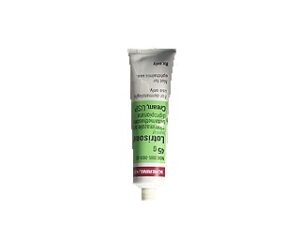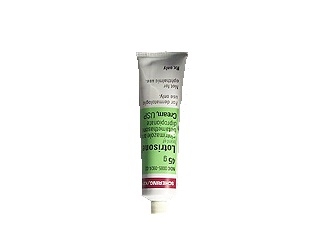
Lotrisone (Betamethasone / Clotrimazole) – Patient Information (UK)
Lotrisone is a combination medicine used for certain skin infections and inflammatory conditions. It contains two active ingredients:
- Betamethasone – a corticosteroid that reduces redness, swelling and itching.
- Clotrimazole – an antifungal medicine that kills or stops the growth of fungi.
This guide explains how Lotrisone works, what it is used for, how to apply it safely, and what to consider regarding interactions, side effects and availability in the United Kingdom.
Basic product information
| Feature | Details |
|---|---|
| Medicine name | Lotrisone |
| Active ingredients | Betamethasone + Clotrimazole |
| Type of medicine | Topical (skin) antifungal + corticosteroid combination |
| Common dosage form | Cream or ointment (varies by product presentation) |
| Who it is for | Adults and selected patients (see dosing and safety notes) |
| Available in the UK | Availability depends on local supply; often dispensed through UK pharmacies |
Always check the pack for the exact strength, formulation and directions that apply to the product you have.
How Lotrisone works (mechanism of action)
Lotrisone combines two complementary actions:
-
Clotrimazole (antifungal action):
Clotrimazole targets the fungal cell membrane and interferes with its ability to function properly. This helps stop the fungus spreading and allows the skin to heal. -
Betamethasone (anti-inflammatory action):
Betamethasone is a corticosteroid. It reduces inflammation and symptoms such as itching, redness and swelling. By calming the immune response in the skin, it helps relieve discomfort—especially where fungal infection has caused significant irritation.
Why the combination matters: Many fungal skin problems can become red, inflamed and very itchy. Treating both the fungus (with clotrimazole) and the inflammation (with betamethasone) can improve comfort and speed up resolution when used appropriately.
Pharmacokinetics (what happens in the body)
Because Lotrisone is applied to the skin, absorption into the bloodstream is generally limited. However, absorption can increase if the skin barrier is damaged, if large areas are treated, or if you use it under occlusion (covering).
- Absorption: Most of the medicine acts locally in the skin. A small amount may enter the bloodstream, particularly with prolonged use or in sensitive areas.
- Metabolism: If absorbed, components are processed by the body in the usual way for steroids and antifungals.
- Elimination: Any absorbed drug is cleared through normal body pathways over time.
Practical implication: To reduce the risk of side effects linked to steroid absorption (for example, skin thinning), use Lotrisone for the shortest effective duration, apply only to affected areas, and avoid tight occlusive bandaging unless specifically advised.
What Lotrisone is used for (typical use and indications)
Lotrisone is intended for fungal skin infections that are also inflamed (for example, where there is redness and itch alongside suspected fungal involvement).
In the UK, topical combination therapies like Lotrisone are generally used when clinicians judge that:
- There is evidence or strong suspicion of a fungal infection, such as dermatophytes (tinea) or other susceptible fungi.
- The area is significantly inflamed and symptomatic, and a steroid component may help with symptoms.
Important: Lotrisone is not suitable for every rash. Some conditions can look similar but require different treatment (for example, eczema without fungal infection, bacterial skin infections, or viral conditions).
Dosing and timing (how to apply)
Directions can vary depending on the specific product and the condition being treated. The information below provides typical guidance; always follow the instructions on your medicine label.
Typical application schedule
- Usually applied twice daily (morning and evening) to the affected area.
- Wash and dry the area before application.
- Apply a thin layer and gently rub in.
How long to use
- Use for the shortest time that controls symptoms.
- If there is no improvement within about 1–2 weeks, or symptoms worsen sooner, stop and seek appropriate medical advice for review/diagnosis.
Do not use longer than directed. Prolonged steroid use on skin can cause problems such as skin thinning, stretch marks and persistent visible blood vessels.
Where to apply
- Apply only to the affected skin (and a small surrounding margin if instructed).
- Avoid the eyes, inside the nose, mouth and other mucous membranes unless your clinician specifically directed you to.
- Extra caution is needed for groin, armpits and skin folds (steroid effects may be stronger there).
Missed dose
If you miss an application, apply it when you remember, unless it is close to the next dose. Do not apply double the amount.
Food interactions
Because Lotrisone is a topical medicine, it is not expected to have meaningful food interactions. Standard food and drink restrictions are not usually required.
However: if you are using other medicines internally, check interactions relevant to those medicines separately.
Alcohol and medicine interactions
Alcohol
No specific interactions between alcohol and Lotrisone are expected due to limited systemic absorption from the skin. Still, alcohol may worsen skin irritation or delay healing in some people, so it’s sensible to limit alcohol if your skin is inflamed or you notice flares.
Other medicines
Topical medicines have fewer interactions than tablets. Nevertheless, consider these points:
- Do not apply other topical medicines to the same area unless advised, particularly other corticosteroids or strong antiseptics, as this may increase irritation or steroid exposure.
- If you are using other antifungal products separately, you may accidentally “double treat” or obscure which therapy is working.
- Inform a healthcare professional about any other treatments for the same skin area.
Systemic steroid caution: If you are also using steroid medicines (tablets, injections, or other creams), it may increase steroid exposure overall. This is especially relevant if treated areas are large or the cream is used for longer periods.
Safety profile and side effects
Most people tolerate Lotrisone well when used correctly. However, because it contains a corticosteroid, it must be used with care.
Common side effects
- Skin irritation (burning or stinging)
- Itching or redness
- Dryness or mild discomfort at the application site
Less common but important side effects
- Skin thinning (atrophy), especially with prolonged use or in skin folds
- Stretch marks (striae)
- Visible blood vessels on the surface
- Worsening or masking of infection if the underlying diagnosis is wrong (for example, steroid can reduce visible inflammation while the infection persists)
- Allergic skin reactions (rash, worsening swelling)
Stop and seek medical advice urgently if
- Your rash rapidly worsens, spreads, or becomes painful
- You develop signs of a serious allergic reaction (e.g., facial swelling, difficulty breathing)
- There is no improvement after the recommended short period
Special populations
- Children: Topical corticosteroids can carry a higher risk with incorrect use. Use only under appropriate guidance and ensure correct dosing and duration.
- Pregnancy and breastfeeding: Use cautiously. The lowest effective amount for the shortest time is generally advised. Discuss with a clinician if needed.
- Older adults: Skin may be more fragile; monitor closely for thinning or irritation.
Practical use tips (to improve results and reduce risks)
- Clean first: Gently wash the affected area with water and pat dry (do not rub hard).
- Use the right amount: A thin layer is usually sufficient. Avoid “thick coating,” especially in skin folds.
- Wash your hands: After applying, wash hands unless the hands are the treated area.
- Avoid occlusion: Try not to cover with tight bandages or airtight dressings unless specifically advised.
- Continue basics that prevent recurrence: Keep the area dry, change sweaty clothing promptly, and avoid sharing towels.
- Don’t use on the wrong diagnosis: If your symptoms look different from your usual fungal rash, consider getting assessed before repeating treatment.
Hygiene matters: Fungal rashes can spread via towels, clothing and close contact. Launder clothes and towels regularly and keep the area clean and dry.
Alternative options
Depending on the exact cause of your rash, alternatives may include:
- Topical antifungal alone (for example, creams/solutions containing azoles or allylamines), particularly if inflammation is mild.
- Oral antifungal medicines for more extensive or stubborn fungal infections (only if appropriate for your condition).
- Corticosteroids alone are generally not suitable if the primary problem is fungal infection, as they can worsen or hide the infection.
- Moisturisers and anti-itch treatments for non-fungal dermatitis/eczema where antifungal therapy is not required.
If symptoms do not improve, a review of diagnosis and skin testing may be necessary. Treating the wrong condition can prolong symptoms and increase the chance of complications.
Market and legal context in the United Kingdom
In the UK, topical medicines such as Lotrisone are supplied under regulated pharmaceutical standards. Availability can depend on supply chains and the formulation strength packaged by the manufacturer/pharmacy.
For patient safety, medicines are expected to follow UK regulatory requirements, including:
- Quality and manufacturing standards for marketed products.
- Accurate labelling with dose, indications and safety information.
- Pharmacovigilance processes to monitor side effects after launch.
Note: Always rely on the instructions on your specific medicine carton and leaflet. Different strengths or pack sizes may have slightly different directions.
Recent guidance and stewardship considerations (UK-focused)
In recent years, general clinical guidance and public health messaging in the UK has emphasised:
- Correct diagnosis before using steroid-containing creams, because steroids can suppress visible inflammation while infections continue.
- Limiting steroid duration on skin and using the smallest amount needed.
- Reassessing treatment if no improvement within a short timeframe.
- Adherence to antifungal regimens to prevent relapse.
If you have recurrent infections, a healthcare professional may consider checking for contributing factors such as diabetes, footwear/clothing issues (for athlete’s foot), or contact spread.
Delivery and availability (UK)
Lotrisone is commonly available through UK online and high-street pharmacies, subject to local stock. Availability may vary by:
- Strength and formulation (cream vs ointment)
- Pack size
- Current supplier and demand
Delivery: Most UK pharmacy delivery services use standard or express tracked post. Delivery times depend on your postcode and whether the item is in stock.
Stock notifications: If out of stock, many online pharmacies offer email alerts or guidance on when restocking is expected. If your skin condition is worsening, it’s better not to delay getting reviewed.
FAQ
1) Is Lotrisone suitable for any itchy rash?
No. Lotrisone is for certain fungal infections with inflammation. Many other skin conditions can look similar. If you’re unsure of the diagnosis, seek advice rather than trying repeated steroid-containing treatment.
2) How quickly should I feel better?
Some symptom relief (itch and redness) may occur within a few days. However, complete healing may take longer. If there is little or no improvement within about 1–2 weeks, you should have your condition reviewed.
3) Can I use Lotrisone on my groin or skin folds?
It may be used for appropriate fungal/inflammatory skin conditions, but these areas absorb steroids more readily. Use a thin layer, follow dosing carefully, and avoid prolonged use. If you develop worsening irritation, stop and get advice.
4) Can I cover the area after applying?
Avoid airtight or tight occlusive coverings unless specifically instructed. Occlusion can increase absorption of betamethasone and raises the risk of side effects.
5) What if the rash returns after I stop?
Recurrence may mean the fungal infection was not fully cleared or the cause is ongoing (for example, damp environment, shared towels, infected footwear). Consider a review, especially if it keeps coming back.
6) Can I apply make-up, moisturiser or other products on top?
Generally, avoid layering multiple products on the same area unless you’ve been advised. If you need moisturiser for comfort, apply at a different time and ensure the treated area is clean and dry. If irritation occurs, stop and reassess.
7) Are there any special precautions for washing clothes and towels?
Yes. Wash towels, underwear and clothing regularly, particularly if the rash is likely fungal. Don’t share towels and keep the area dry.
8) Is it safe to use with other medications?
Because it’s a topical treatment, systemic interactions are uncommon. Still, avoid applying other strong topical medicines to the same area unless advised, and tell a healthcare professional about any systemic steroid use.
9) Should I stop immediately if I get a burning sensation?
Mild temporary stinging can occur. If burning is significant, persists, or you develop a spreading rash or swelling, stop using Lotrisone and seek advice.
10) Can I use Lotrisone on children?
Caution is required. Children are more sensitive to corticosteroids on skin, so use should be guided by appropriate healthcare advice, with careful attention to duration and amount.
Summary
Lotrisone (betamethasone/clotrimazole) is a topical combination medicine that treats certain fungal skin infections with inflammation. Clotrimazole targets the fungus, while betamethasone reduces redness, swelling and itch. Because it contains a steroid, it should be used carefully—thin layer, limited area, shortest effective duration—and reassessed if there is no improvement within about 1–2 weeks.
If you are unsure whether your rash is fungal, if it is severe, recurrent, or affecting sensitive areas, consider getting professional advice to confirm the diagnosis and choose the safest treatment.