
Valacyclovir (Valaciclovir) – Patient Guide (UK)
Valacyclovir is an antiviral medicine used to treat and prevent infections caused by certain viruses in the herpes group. It is widely used in the United Kingdom for conditions such as cold sores (herpes labialis), genital herpes (herpes genitalis), and shingles (herpes zoster), as well as for prevention of herpes infections in some people at risk.
This guide explains what valacyclovir is, how it works in the body, how it is usually taken, key safety information, and practical advice for getting the best results. Always follow the instructions provided with your medicine and ask a healthcare professional if you are unsure.
Quick facts
- Medicine name: Valacyclovir (also written as valaciclovir)
- Type: Antiviral (nucleoside analogue)
- Common uses: Cold sores, genital herpes, shingles; sometimes prevention of recurrent herpes
- How it works: Stops viruses from multiplying
- How it’s taken: Usually by mouth in tablet form
- Important considerations: Kidney function, early treatment, interactions with other medicines
Basic product information
| Topic | What to know |
|---|---|
| Active ingredient | Valacyclovir hydrochloride (commonly referred to as valacyclovir) |
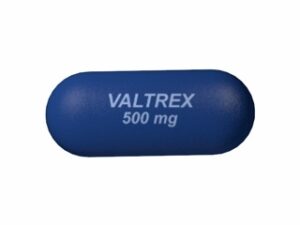
| Dosage forms | Oral tablets (strengths vary by product) |
| Where it’s used | UK for herpes virus infections, including herpes zoster (shingles) |
| Typical handling | Follow storage instructions on the pack; keep out of reach of children |
| Onset expectations | Best outcomes typically happen when treatment starts early in the outbreak |
How valacyclovir works (mechanism of action)
Valacyclovir is a “prodrug,” meaning it is converted inside the body into the active antiviral substance. After absorption, valacyclovir is converted primarily to acyclovir.
Acyclovir works by targeting the viral replication process. It is taken up by virus-infected cells and then converted into an active form that interferes with viral DNA synthesis. In practical terms, this:
- reduces the ability of the virus to multiply
- helps shorten the duration of outbreaks when started early
- may reduce symptom severity and complications in some conditions (for example, shingles)
Pharmacokinetics: what happens to the medicine in the body
Understanding the basics of how the body processes valacyclovir can help you take it correctly. Pharmacokinetics describes absorption, distribution, metabolism, and elimination.
- Absorption: Valacyclovir is absorbed from the gastrointestinal tract and converted to acyclovir.
- Conversion to active drug: The main active agent is acyclovir.
- Distribution: Acyclovir spreads into body tissues where antiviral activity is needed.
- Elimination: The medicine is eliminated largely through the kidneys. This is why kidney function is important.
- Half-life: The elimination half-life can be prolonged in people with reduced kidney function.
If you have known kidney impairment, your prescriber may adjust the dose or dosing frequency to help keep medicine levels safer.
Typical use in the UK
Valacyclovir is used for herpes virus infections, including:
- Herpes labialis (cold sores): Helps manage outbreaks and may reduce time to healing when started promptly.
- Herpes genitalis (genital herpes): Treatment of outbreaks and/or prevention of recurrences in some people.
- Herpes zoster (shingles): Particularly effective when started as early as possible after the rash appears.
- Prevention of recurrences: For individuals with frequent or troublesome episodes, long-term suppressive therapy may be considered.
- Prevention in at-risk groups: Some people with weakened immune systems may need prevention strategies; this should be determined by clinicians.
Timing: when to start and how to take it for best results
Timing is often one of the most important factors for antivirals. For many herpes-related conditions, earlier treatment can improve outcomes.
- Cold sores: Start as early as possible in the outbreak—ideally at the first signs (tingling, burning, or redness).
- Genital herpes: Start at the earliest symptoms of an episode or as instructed for your condition.
- Shingles: Start treatment as soon as possible after the rash appears, preferably within 72 hours. Delaying can reduce the chance of benefit, especially for reducing complications.
Take each dose at the recommended times to maintain antiviral effect. Do not stop early unless advised.
Food interactions and how to take with meals
Valacyclovir is generally not strongly affected by food. Many people can take it with or without meals. However, individual product instructions may vary, and some people find taking it with food reduces stomach upset.
Practical approach:
- With food: Often easier on the stomach.
- Without food: Still commonly acceptable if you tolerate it well.
- Consistency matters: Try to take it in a similar way each day for stable routine.
If your clinician or the pack instructions recommend a specific approach, follow that advice.
Alcohol interactions
There is no universal requirement to avoid alcohol with valacyclovir for every person, but there are important practical considerations.
- Immune and recovery support: Drinking alcohol may worsen dehydration and slow recovery.
- Side effects: Alcohol can increase the likelihood of side effects such as dizziness or nausea, which may already occur with antiviral medicines.
- Kidney health: If you have kidney problems, alcohol and dehydration can be riskier.
If you plan to drink alcohol while taking valacyclovir, consider limiting intake and ensure you remain well-hydrated. If you are unsure—especially if you have liver or kidney disease or take other medicines—ask a healthcare professional.
Medicine interactions (important)
Valacyclovir can interact with other medicines, mainly through effects on kidney function and how substances are cleared from the body. Inform a healthcare professional or pharmacist about all medicines you take, including over-the-counter products and herbal remedies.
Common interaction themes include:
- Medicines that affect the kidneys: Some drugs can increase the risk of kidney-related side effects or alter clearance. Examples include certain medicines used for pain or inflammation, and some treatments that can be stressful for the kidneys.
- Other antivirals: Taking multiple antivirals together may increase risk of side effects.
- Drugs that influence tubular secretion: This is the pathway the kidneys use to remove certain compounds. Interactions here can raise acyclovir levels.
- Immunosuppressants: People with organ transplants or significant immune suppression may require specialist monitoring.
High-risk situations: If you take medicines regularly for kidney disease, are elderly, are dehydrated, or have a history of kidney impairment, extra caution is important.
Indications: when valacyclovir is used
“Indication” means the condition the medicine is intended to treat or prevent. In the UK, valacyclovir is commonly indicated for:
- Herpes simplex infections (including cold sores and genital herpes)
- Herpes zoster (shingles)
- Prevention of recurrent herpes episodes in selected people
- Prevention of herpes infections in certain high-risk groups (determined by clinicians)
Dosing: typical regimens and how to follow them
Dosage depends on the condition being treated, your kidney function, and sometimes your age and immune status. The section below provides general dosing examples used widely in clinical practice; you should always follow the specific directions on your product and those provided by your healthcare team.
General dosing examples (adults):
| Condition | Typical regimen (example) | Key timing advice |
|---|---|---|
| Cold sores (herpes labialis) | Often taken in a short course for outbreak treatment (dose frequency varies by product and assessment) | Start at first symptoms (tingling/burning) for best results |
| Genital herpes | Often taken for a set number of days during an outbreak; or taken long-term to suppress recurrence in selected people | Start early during the episode |
| Shingles (herpes zoster) | Usually taken for several days in a treatment course; exact schedule depends on assessment | Start as soon as possible after rash appears (ideally <72 hours) |
| Prevention of recurrences (selected patients) | May be taken once or twice daily depending on plan | Take consistently at the same times each day |
Kidney considerations: If you have reduced kidney function, dosing may be adjusted. This includes people with chronic kidney disease and some older adults.
Missed dose: If you forget a dose, take it when you remember unless it is close to the next dose. Do not double up.
Do not exceed the prescribed amount: Taking more than recommended does not improve effectiveness and can increase the risk of side effects.
Safety profile: side effects and when to seek help
Like all medicines, valacyclovir can cause side effects. Many people experience none or only mild effects. Side effects vary by individual and by dose.
Common side effects
- Headache
- Nausea and sometimes stomach upset
- Vomiting (less common)
- Dizziness
- Diarrhoea or abdominal discomfort
Less common but important
- Kidney-related issues, especially in people who are dehydrated or have underlying kidney problems
- Neurological effects such as confusion or agitation (more likely with high drug levels, usually linked to reduced kidney function)
- Allergic reactions (rare but potentially serious)
Seek urgent medical help if you notice:
- Signs of allergy: swelling of the face/lips, difficulty breathing, severe rash
- Severe or persistent confusion, unusual drowsiness, or significant changes in behaviour
- Very little or no urine, severe flank/back pain, or symptoms suggesting kidney problems
If you experience mild side effects, contact a healthcare professional or pharmacist for advice. If symptoms become severe, urgent help may be needed.
Practical use tips (how to get the best results)
- Start early: Particularly important for shingles and cold sores. Treatment is most effective when begun promptly.
- Stay hydrated: Adequate fluids help support kidney clearance of acyclovir. Follow any fluid advice given for your health conditions.
- Take doses regularly: Maintain consistent spacing between doses unless your regimen specifies otherwise.
- Don’t “save” tablets: Use only as directed. Overuse or incorrect timing may increase side effects without benefit.
- Manage outbreak symptoms: For cold sores, keep the area clean, avoid picking, and consider protective measures to reduce irritation. For genital herpes, follow hygiene and comfort measures recommended by clinicians.
- Reduce transmission risk: Valacyclovir can lower viral activity, but it does not eliminate transmission risk. Barrier protection and following sexual health advice are important where relevant.
Alternative options
Depending on the condition, other antiviral options may be used. Your choice can depend on availability, dosing convenience, kidney function, and your clinical history.
- Acyclovir: Another antiviral for herpes infections; typically requires more frequent dosing.
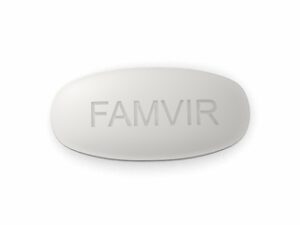
- Famciclovir: Similar to valacyclovir in treating herpes infections; dosing may differ.
- Topical treatments (for some cold sore cases): Options may exist, though oral antivirals are often preferred for faster systemic control.
- Supportive care: Pain relief and wound care are important—especially for shingles—alongside antiviral treatment.
If you are looking for alternatives due to side effects, convenience, or past treatment response, ask a pharmacist or healthcare professional for the best match for your situation.
Market & legal context (United Kingdom)
In the UK, medicines containing valacyclovir are regulated under the UK medicines framework. Availability through online pharmacy services generally depends on whether the product is classed as a prescription-only medicine or available via other routes, as well as on age and individual suitability.
Online pharmacy providers typically require information checks (for example, current symptoms, medical history, and possible interactions) to help ensure safe supply. You may be asked to confirm details about kidney health, other medications, and allergy history.
Always use a reputable UK-registered pharmacy and ensure the product packaging and labeling clearly identify the medicine and strength.
Important: Do not use valacyclovir for illnesses where it is not indicated. Antivirals work for specific viral infections.
Recent guidance and evidence summary
Clinical guidance in the UK emphasises several consistent themes for antivirals in herpes infections:
- Early initiation: Particularly for shingles, antivirals are recommended as soon as possible after diagnosis or rash onset.
- Risk-based dosing: Adjustments may be necessary for those with renal impairment or special clinical circumstances.
- Symptom management: Pain control and appropriate supportive treatment are key in shingles, where complications can occur.
- Prevention strategies: For frequent recurrences, long-term suppression may be considered to reduce episode frequency and viral shedding, balanced against individual safety and preferences.
Guidance and recommendations can evolve. If you want the most up-to-date advice for a specific situation, a healthcare professional or local clinical service can provide the latest recommendations.
Delivery, availability and what to expect when ordering online (UK)
Online availability depends on stock levels and the specific strength/pack size. Delivery options commonly include standard and expedited shipping, subject to your location and order processing times.
- Packaging: Medicines should arrive in intact, labelled packaging.
- Delivery timeframes: Vary by provider and service level; check the estimated delivery window at checkout.
- Stock status: Some strengths may be temporarily unavailable. If out of stock, you may see an estimated restock time or alternative options.
If you need the medicine urgently (for example, suspected shingles where early treatment is important), choose a delivery option that maximises speed and confirm availability before ordering.
FAQ
1) What is valacyclovir used for?
Valacyclovir is an antiviral used for herpes-related infections such as cold sores, genital herpes, and shingles. It may also be used to help prevent recurrent episodes in selected people.
2) How quickly does it work?
Results are often best when treatment starts early. Many people notice improvement in symptoms over the first few days, but complete healing can take longer depending on the condition and severity.
3) Can I take valacyclovir with food?
Usually yes. Food does not typically prevent it from working. If you feel nauseated, taking it with meals may help.
4) Should I avoid alcohol?
Avoiding alcohol completely is not always required, but alcohol may increase the risk of dehydration or worsen side effects. If you drink, keep it minimal and stay well hydrated—especially if you have kidney problems.
5) What if I have kidney disease?
Kidney health is important because the medicine is cleared through the kidneys. Your dose may need adjustment. Tell a healthcare professional if you have reduced kidney function or are unsure.
6) Are there interactions with other medicines?
Yes, particularly with medicines that may affect kidney function or how substances are removed from the body. Tell your pharmacist or healthcare professional about everything you take, including over-the-counter painkillers and supplements.
7) Can I take valacyclovir for frequent outbreaks?
Some people benefit from suppressive therapy when outbreaks are frequent or distressing. The suitability of long-term use depends on your health, frequency of episodes, and overall risk assessment.
8) Is it safe to stop early once I feel better?
It is usually best to complete the course as instructed, unless a healthcare professional advises otherwise. Stopping early may reduce effectiveness or increase the chance symptoms return.
9) Does valacyclovir stop transmission?
Valacyclovir can lower viral shedding, which may reduce risk, but it does not eliminate transmission risk. Follow sexual health advice, including barrier protection where recommended.
10) When should I seek medical advice urgently?
Seek urgent help if you suspect an allergy (swelling, breathing difficulty, severe rash), develop severe confusion, or have symptoms suggesting kidney problems (very little urine, severe pain).
Summary
Valacyclovir is a widely used antiviral medicine for herpes infections, including cold sores, genital herpes, and shingles. It works by inhibiting viral DNA replication after conversion to its active form. For best outcomes, start treatment early—especially for shingles—and take doses consistently while staying well hydrated. If you have kidney impairment or take other medicines, discuss suitability and possible interactions with a healthcare professional.