
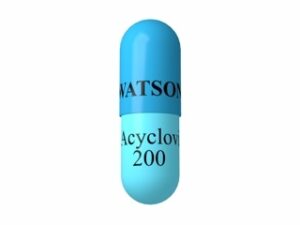
Acyclovir Cream 5% (Topical) – Patient Information (UK)
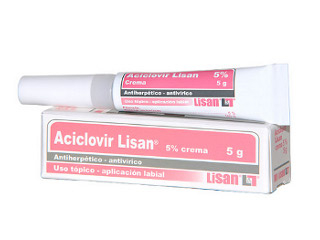
Acyclovir cream 5% is a medicine used on the skin to help treat certain herpes virus infections. It is commonly used for cold sores (herpes labialis) and other surface herpes lesions, depending on local guidance and the exact condition being treated.
This patient-friendly guide explains what acyclovir cream is, how it works, how to use it, and what to expect. It also covers safety, interactions, practical tips, and frequently asked questions relevant to people in the United Kingdom.
Basic product information
| Product | Details |
|---|---|
| Medicine | Acyclovir cream 5% |
| Type | Antiviral medicine for skin use |
| Common use | Cold sores (herpes labialis) and other localised herpes skin lesions |
| Strength | 5% w/w |
| How it’s applied | Thin layer to affected area using clean hands and/or cotton bud |
| Typical course duration | Often 5 days (may vary with product/condition) |
Important: Always use this medicine exactly as described in the patient leaflet or by your healthcare professional. Different brands may have specific instructions for frequency and duration.
How acyclovir cream works (mechanism of action)
Acyclovir is an antiviral medicine. It works by targeting herpes viruses in the skin.
- Selective activation: Acyclovir is activated inside infected cells.
- Inhibits viral DNA production: Once activated, it interferes with the virus’s ability to copy its genetic material (DNA).
- Slows viral replication: This can reduce the severity, duration, and spread of symptoms when started early.
Timing is crucial: Antiviral creams tend to work best when used at the earliest signs of a cold sore (such as tingling, itching, or burning) before the blistering stage fully develops.
Pharmacokinetics (what the body does with it)
Because acyclovir cream is used on the skin, only a small amount generally enters the bloodstream.
- Absorption: Acyclovir absorption through intact skin is limited. Absorption may be slightly higher when the skin is inflamed or broken (for example, during active lesions).
- Distribution: Any absorbed medicine is distributed in the body similarly to other circulating medicines.
- Metabolism and excretion: Acyclovir is mainly eliminated via the kidneys.
For most people treating superficial skin lesions, systemic exposure is low. Nevertheless, it’s important to follow the recommended dose and avoid excessive application.
Typical uses and indications
In the UK, acyclovir 5% cream is used for localised herpes virus infections of the skin, most commonly:
- Cold sores (herpes labialis): Often around the lips and mouth.
- Other herpes lesions: Depending on product labeling, it may be used for certain herpes skin conditions in localised areas.
Not for:
- Eye use (unless specifically instructed for an ophthalmic product)
- Inside the mouth unless specifically recommended for that site
- Genital herpes (the most appropriate treatment for genital symptoms may differ; speak to a pharmacist or clinician for guidance)
When to start and timing of treatment
Acyclovir cream is most beneficial when treatment begins as early as possible.
- Best time to start: At the first symptoms (tingling, itching, redness, burning) or immediately when the lesion appears.
- During a flare: Starting after blistering may still help, but benefits may be smaller.
- Typical course: Many regimens use five days, with the possibility of continuing for up to 10 days if lesions have not fully healed (follow your product instructions).
If there is no improvement: If symptoms are not improving after the recommended period, or if you get frequent recurrences, seek advice from a pharmacist or clinician.
Dosing and how to apply
Always follow the instructions in the leaflet provided with your product. Typical dosing for cold sores in adults and children is often:
- Adults and children: Apply a small amount of cream to the affected area.
- Frequency: Often five times daily (for example, every 4 hours while awake).
- Course length: Commonly five days (may vary by condition and product guidance).
Step-by-step practical use:
- Wash your hands before and after application.
- Clean the lesion gently if needed; pat dry (avoid rubbing).
- Apply a thin layer of cream over the affected area and a small margin around it.
- Avoid contact with eyes. Be careful near the eye area.
- Allow to absorb and avoid touching the treated area unnecessarily.
- If using a cotton bud or disposable applicator, discard after use and do not re-dip into the tub.
Missed dose: Apply when you remember, then continue at the usual times. Do not apply extra cream to “catch up”.
Food interactions
Food interactions are generally not relevant for acyclovir cream because it is applied to the skin and only a small amount is absorbed into the bloodstream.
However, if you are taking other medicines orally (tablets or capsules), it’s still worth checking interactions for those specific medicines.
Alcohol and medicine interactions
Alcohol: There is typically no direct interaction between alcohol and acyclovir cream because systemic absorption is low. That said, alcohol can contribute to dehydration and may worsen irritation or inflammation for some people, and it can also be a personal trigger for cold sores.
Other medicines: Topical acyclovir is not known for significant interactions when used as directed. Still, consider the following:
- Other topical products on the same area may increase irritation or reduce effectiveness. Try not to mix multiple creams on the lesion unless instructed.
- Tell a healthcare professional if you use other antivirals, immunosuppressant medicines, or have kidney problems.
Seek advice if you are unsure, especially if you have a weakened immune system or frequent recurrences.
Safety profile and side effects
Most people tolerate acyclovir cream well. Side effects are generally limited to the application site.
Common or mild side effects
- Mild burning or stinging at the treated area
- Dryness or mild irritation
- Redness or slight swelling
Less common or more serious reactions
- Allergic reactions (rare), such as rash, worsening swelling, or severe itching
- Severe irritation or blistering that is out of proportion to the original lesion
Stop using and seek urgent advice if you develop signs of a serious allergic reaction (for example, difficulty breathing, widespread rash, or facial swelling).
Special populations
- Children: Usually can use topical acyclovir for cold sores as directed. Check the leaflet for age limits and dosage instructions.
- Pregnancy and breastfeeding: Many people can use topical antivirals, but discuss with a pharmacist or clinician if you are pregnant or breastfeeding, particularly if you have frequent or severe outbreaks.
- Immunocompromised individuals: If you have a weakened immune system, infections can be more severe. Seek medical advice early.
Do not apply to large areas of skin, cover with airtight dressings, or exceed the recommended frequency.
Practical tips for faster recovery and reducing spread
Acyclovir cream can help the lesion heal, but good self-care also matters.
- Start early when you feel tingling or burning.
- Keep the area clean and dry.
- Avoid picking scabs or blisters.
- Wash hands frequently (especially after touching the face).
- Avoid sharing items like cups, lip balm, razors, towels, or cutlery during an outbreak.
- Avoid kissing and oral contact until the sore has fully healed.
- Avoid direct skin-to-skin contact with the lesion.
- Protect your lips if sunlight triggers your cold sores (a suitable lip balm may help).
Cosmetics: You may be able to use makeup once the cream has absorbed and the product leaflet allows it. Avoid applying makeup directly over the lesion if it causes irritation.
Alternative options
Depending on your symptoms and how early you start treatment, there are alternatives or additional measures.
Non-prescription supportive options
- Barrier products (protective ointments) to reduce discomfort and prevent cracking.
- Pain relief such as paracetamol or ibuprofen if suitable for you.
- Cold sore patches that protect the sore and reduce contact—these do not replace antiviral treatment but can improve comfort and hygiene.
Antiviral alternatives
- Oral antiviral medicines may be recommended for severe cases, frequent outbreaks, or people at higher risk. A pharmacist or clinician can advise the most appropriate option.
- Other topical antivirals may be available; choice depends on availability, the product formulation, and local guidance.
If you have recurrent cold sores, it may be worth discussing prevention strategies with a healthcare professional.
UK market and legal context (what to expect when buying)
In the United Kingdom, medicines are classified based on legal status. Many acyclovir creams are available as pharmacy-only or over-the-counter depending on brand, strength, formulation, and current regulatory status.
Online pharmacy providers must operate in line with UK medicines regulations and supply requirements. When ordering, you may be asked questions to ensure safe use, including:
- The affected area and symptoms
- Any allergies or past reactions
- Age of the person using the medicine
- Pregnancy/breastfeeding status where relevant
- Whether you have a weakened immune system
Always read the product label and leaflet before use. If you are uncertain, a pharmacist can help you select the correct medicine and dosing approach.
Recent guidance and practical updates (UK context)
Guidance can vary by individual circumstances, and local clinical pathways may update over time. In general, modern UK practice emphasises:
- Early treatment for the best benefit
- Appropriate use on the correct site and avoiding sensitive areas like the eye
- Escalation of care if symptoms are severe, recurrent, or complicated (for example, in immunocompromised people)
If your cold sores are frequent or unusually severe, seeking advice may help identify triggers and consider prevention options. If you develop symptoms suggestive of a more serious condition (such as spreading infection, fever, eye symptoms, or severe pain), contact a clinician promptly.
Delivery and availability in the United Kingdom
Acyclovir 5% cream is commonly available through UK pharmacies and online pharmacies. Delivery options typically include:
- Standard delivery (often 2–3 working days, depending on the supplier)
- Express options in some areas
- Packaging that protects the product and supports safe handling
Availability may vary during periods of high demand. To avoid running out, many people prefer to keep a cold sore treatment on hand—especially if they have predictable outbreaks.
Storage: Store at room temperature as indicated on the packaging. Keep the lid tightly closed and out of sight and reach of children.
Frequently Asked Questions (FAQ)
1) How soon will acyclovir cream start working?
Many people notice that symptoms begin to improve over a few days. For best results, start at the first tingling or burning sensation. If treatment is started later, benefits may be smaller, but it may still help with healing.
2) Can I use acyclovir cream if the cold sore has already blistered?
Yes, you can generally still use it. However, early use is more effective. Follow the recommended course and do not apply more frequently than instructed.
3) How long should I keep using it?
A common regimen is about five days. If the sore hasn’t healed fully, you may be advised to continue for a further period—check your specific product leaflet. If there is no improvement after the course, seek advice.
4) Can I use it on my children?
Many topical cold sore treatments can be used in children, but dosing and age guidance depend on the specific product. Check the patient leaflet or ask a pharmacist.
5) What if I miss a dose?
Apply it when you remember. If it’s near the time of the next dose, skip the missed one and continue as normal. Do not double up.
6) Can I put makeup or moisturiser over the cream?
You may be able to cover the treated area after the cream has absorbed, but avoid products that cause stinging or irritation. If in doubt, keep the area free from additional creams or cosmetics during active treatment.
7) Is acyclovir cream safe to use during pregnancy or while breastfeeding?
Topical antiviral use is often considered in pregnancy and breastfeeding when needed, due to low skin absorption. Still, talk to a pharmacist or clinician to confirm it’s suitable for your situation.
8) Does it interact with alcohol?
No direct interaction is expected with alcohol due to low systemic absorption. Still, alcohol may worsen irritation for some people and could act as a trigger for cold sores.
9) Can I still spread the virus while using the cream?
Yes. Even with treatment, herpes viruses can still be present and spread. Avoid kissing, oral sex, and close contact with others, and don’t share personal items until the sore has completely healed.
10) When should I get medical advice urgently?
Seek prompt advice if you develop:
- Severe pain, rapidly spreading redness, or signs of bacterial infection (e.g., pus, fever)
- Eye involvement (red, painful, or light-sensitive eye)
- Frequent recurrences or a prolonged course that doesn’t heal
- You are immunocompromised or the infection is unusually severe
Summary
Acyclovir cream 5% is a topical antiviral used to treat herpes-related skin lesions, most commonly cold sores. It works by blocking viral replication and is most effective when started early at the first symptoms. When used correctly—at the recommended frequency, for the recommended duration—it can help lesions heal more quickly and reduce discomfort.
If you have questions about suitability, correct application, or whether your symptoms match a herpes cold sore, speak to a UK pharmacist for tailored advice.