
Effexor XR (Venlafaxine) – Patient Information (UK)
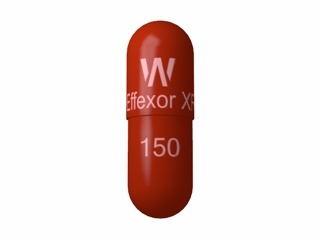
Effexor XR is an antidepressant medicine containing venlafaxine in an extended‑release form. It is designed to release the medicine slowly over the day to help maintain steadier levels in the body. This page explains how it works, how it’s typically used, important safety information, and practical tips for day‑to‑day use in the United Kingdom.
1) Basic product information
- Medicine name: Effexor XR
- Active ingredient: Venlafaxine (extended‑release)
- How it works: Extended release (XR) tablets/capsules
- Medicines group: Antidepressant (SNRI: serotonin–norepinephrine reuptake inhibitor)
- Common uses: Depression and anxiety-related conditions, as advised by a healthcare professional
- Typical dosing: Once daily due to extended‑release formulation
Note: Brand availability and specific tablet strengths may vary. Your pharmacy will provide the correct strength as supplied.
2) How Effexor XR works (mechanism of action)
Venlafaxine is an SNRI, meaning it helps increase the levels and actions of two key chemical messengers in the brain:
- Serotonin (5‑HT)
- Norepinephrine (noradrenaline)
It does this mainly by inhibiting reuptake (reabsorption) of these neurotransmitters into nerve cells. Over time, this may help improve:
- Low mood and loss of interest
- Persistent worry and anxiety symptoms
- Physical symptoms that can accompany anxiety/depression (such as poor sleep or agitation)
Effexor XR is not usually an immediate “quick fix.” For many people, improvement takes time as brain chemistry and adaptive systems adjust.
3) Pharmacokinetics (how the body handles venlafaxine)
Understanding pharmacokinetics can help explain why Effexor XR is taken once daily and why timing matters.
Absorption and release
- Extended‑release (XR): Venlafaxine is released gradually from the formulation.
- This aims to reduce peaks and troughs compared with immediate‑release forms.
Metabolism
- Venlafaxine is metabolised primarily in the liver.
- A major active metabolite is O‑desmethylvenlafaxine (ODV).
Distribution and elimination
- Both venlafaxine and ODV are eliminated mainly via the kidneys.
- Kidney or liver impairment may require dose adjustments.
Half-life (time for levels to reduce)
- Venlafaxine and its metabolite have elimination half‑lives that support once‑daily dosing for XR formulations.
4) Typical use and indications in the UK
Effexor XR is used for conditions where an SNRI antidepressant is appropriate. The exact suitability depends on your symptoms and medical history.
Common indications
- Depression (including major depressive episodes)
- Anxiety-related disorders, including conditions such as generalised anxiety disorder (GAD) and social anxiety disorder, depending on local clinical guidance and the prescriber’s assessment
- Other uses may be considered in certain circumstances, where clinically appropriate
Your prescriber will select the right indication and dosing strategy based on your diagnosis, severity, and previous treatments.
5) When does it start working? Timing and expectations
People often notice changes in different ways. A helpful way to think about timing:
- First days to 1–2 weeks: Some may experience mild improvements in sleep or anxiety, while side effects can also appear.
- 2–4 weeks: Gradual improvement in mood, anxiety, and energy may become more noticeable.
- 4–6+ weeks: More stable benefits typically show, especially for depression.
Keep taking it consistently as directed. Stopping suddenly can be difficult and may cause discontinuation symptoms.
Best time to take Effexor XR
- It is usually taken once daily, at the same time each day.
- For some people, taking it in the morning helps reduce the chance of insomnia.
- If it makes you sleepy, a later time may suit you—follow your healthcare professional’s advice.
6) How to take Effexor XR (dosing overview)
Always follow the dosing plan you are given. Below is a general overview to help you understand what might be used.
Starting and titration
- Many people start at a lower dose and are then increased gradually based on response and tolerability.
- Do not take extra doses if you miss one—see the “Missed dose” FAQ below.
Typical dosing pattern (once daily)
Effexor XR is commonly used once daily due to its extended‑release formulation. Doses vary by individual needs.
Table: Example dosing ranges (for understanding)
| Condition (varies) | Typical starting approach | Common maintenance range | Notes |
|---|---|---|---|
| Depression | Start low and increase gradually | Often adjusted within a broad daily dose range | Your clinician will tailor the dose to symptoms and side effects |
| Anxiety disorders | Gradual titration | Often tailored to symptom control | May take time to fully settle |
| Older adults / liver or kidney impairment | May start lower or increase more slowly | Tailored to individual tolerance | Dose may be adjusted in renal/hepatic impairment |
Important: Exact doses depend on your prescription, strength available, and your individual factors. Your pharmacist can help confirm how many tablets/capsules to take per dose and how to read the label.
Swallowing instructions
- Take Effexor XR whole.
- Do not crush or chew unless your medicine form instructions specifically say otherwise.
- If you have difficulty swallowing, speak to your pharmacist—there may be alternative formulations for some people.
7) Food interactions and what to eat
Food can affect tolerability but does not usually require strict timing changes. As a general approach:
- Effexor XR can usually be taken with or without food.
- If you experience nausea or stomach upset, taking it with food may help.
- Stay well hydrated and maintain regular meals, especially during the first weeks.
If you notice a consistent pattern between certain foods and side effects, discuss it with a healthcare professional.
8) Alcohol and medicine interactions
Alcohol
It’s generally advised to limit or avoid alcohol while taking antidepressants, because alcohol can:
- worsen depression or anxiety symptoms
- increase drowsiness, dizziness, and impaired coordination
- make side effects harder to distinguish from medication effects
If you choose to drink, consider keeping it small and occasional, and avoid binge drinking. Always seek advice if you have concerns about alcohol use.
Medicines interactions (key categories)
Effexor XR may interact with several medicines. Always tell your pharmacist/doctor about all medicines you take, including over‑the‑counter products and herbal remedies.
- Other antidepressants (risk of serotonin-related effects)
- MAO inhibitors (serious interactions)
- Triptans (migraine medicines)
- Linezolid and methylene blue (antimicrobials with potential interaction)
- St John’s wort (herbal remedy; may increase serotonin-related risk)
- Medicines affecting blood clotting (e.g., anticoagulants or antiplatelet agents) where bleeding risk may be considered
- Blood pressure medicines (venlafaxine can raise blood pressure in some people, especially at higher doses)
- Medicines that affect the heart rhythm or electrolyte balance
- Some CYP-metabolised medicines may affect venlafaxine levels
Serotonin syndrome (seek urgent help): Contact emergency services or urgent medical care if you develop symptoms such as high fever, agitation, confusion, sweating, muscle stiffness, tremor, or fast heart rate—particularly if you’ve combined serotonergic medicines.
Stopping or changing medicines: Never start, stop, or adjust medicines without advice, especially antidepressants and migraine treatments.
9) Safety profile: important precautions
Like all medicines, Effexor XR can cause side effects. Many are manageable and improve as your body adjusts.
Common side effects
- Nausea
- Dry mouth
- Headache
- Sleep changes (insomnia or sometimes sleepiness)
- Dizziness
- Sweating
- Tremor
- Reduced appetite
- Sexual dysfunction (for some people)
Blood pressure and heart rate
- Venlafaxine may increase blood pressure in some individuals.
- Some people may experience increased heart rate, especially at higher doses.
Your healthcare team may monitor blood pressure, particularly after dose increases.
Discontinuation (withdrawal) symptoms
Stopping venlafaxine suddenly can cause discontinuation symptoms. These can include:
- Flu-like feelings
- Dizziness or “brain zaps”
- Nausea
- Headache
- Irritability, anxiety, or mood changes
- Sleep disturbance
To reduce risk, doses are usually reduced gradually when stopping. If you need to discontinue, discuss a taper plan.
Suicidal thoughts and mood changes
In the early stages of antidepressant treatment (and when changing dose), some people—particularly younger adults—may experience worsening mood, agitation, or suicidal thoughts. If you or someone else notices these changes, seek urgent medical help immediately.
Other precautions
- Seizure history: Tell your healthcare professional if you have a history of seizures or epilepsy.
- Bipolar disorder: Antidepressants can sometimes trigger mania or hypomania in people with bipolar disorder.
- Glaucoma: If you have narrow-angle glaucoma, inform your clinician.
- Bleeding risk: Be cautious if taking medicines that increase bleeding tendency.
- Pregnancy and breastfeeding: Risks and benefits vary; discuss with a healthcare professional.
- Driving and machinery: If you feel dizzy or drowsy, avoid driving or operating machinery until you know how you respond.
10) Practical use tips (patient-friendly guidance)
- Take it at the same time each day. Consistency helps maintain steady levels.
- Give it time. Many benefits build gradually over weeks.
- Track side effects. Note what you feel, when it starts, and how severe it is—this can help your healthcare professional adjust the dose.
- Do not crush or chew XR tablets/capsules. Breaking the extended‑release form can change drug release.
- Stay hydrated and consider food for nausea. Eating with your dose can help some people.
- Limit alcohol. It can worsen mood and increase drowsiness.
- Check blood pressure. If advised, monitor at home or attend follow‑up appointments.
- If you miss a dose, follow label guidance. See FAQ.
- When stopping, taper. Discuss a gradual reduction rather than stopping abruptly.
11) Alternative options
If Effexor XR is not suitable or not effective, there are several alternative treatments available. These may include other antidepressants, anxiety treatments, and non‑drug strategies.
Medication alternatives (examples)
- Other SNRIs (different active ingredients)
- SSRIs (serotonin reuptake inhibitors)
- Other antidepressants with different mechanisms
- Medication for anxiety may be used short‑term in some cases (but this depends on the condition and safety considerations)
Non‑medicine options
- Talking therapies (e.g., CBT)
- Sleep and lifestyle support (regular routine, stress management, exercise where appropriate)
- Support for co‑existing conditions (such as pain, substance use, or thyroid issues)
Your prescriber can discuss the best alternative based on your symptoms, previous medication responses, and safety profile.
12) UK market and legal context (high-level)
In the UK, antidepressant medicines are regulated and dispensed through licensed channels. Medicines like Effexor XR are typically supplied in line with UK medicines legislation and clinical prescribing practices.
Important: Availability and supply processes can change over time, and some medicines may have specific requirements related to supply, monitoring, or packaging. Always use a reputable UK pharmacy and follow guidance provided for safe handling and delivery.
Recent guidance (UK clinical context)
UK clinical practice generally emphasises:
- Using evidence‑based treatment pathways for depression and anxiety
- Assessment of risk (including suicide risk) and monitoring after starting treatment
- Stepped care approaches—starting with lower intensity treatments for mild cases and escalating when needed
- Careful management when switching or stopping antidepressants to reduce discontinuation symptoms
- Considering comorbidities and patient preferences when selecting medicines
Your clinician may follow recommendations from organisations such as NICE (National Institute for Health and Care Excellence) and relevant local guidelines.
13) Delivery and availability in the UK
Effexor XR may be available through UK pharmacies depending on stock levels, strength, and form. Delivery options can vary by pharmacy and supplier network.
What you can usually expect
- Stock checks: Many pharmacies confirm availability before dispatch.
- Packaging: Medicines are typically delivered in secure, tamper‑evident packaging.
- Delivery times: Dispatch and delivery can depend on courier schedules and whether items are held in stock.
- Substitution: If a specific pack size is unavailable, a pharmacy may provide an equivalent alternative only if permitted and appropriate.
For the fastest service, ensure your delivery details and contact information are accurate.
14) Safety checklist before you start (or continue)
It can be helpful to review these points with your healthcare professional or pharmacist:
- Any allergies or previous reactions to venlafaxine or similar medicines
- All medicines and supplements you take (including herbal products)
- Any history of bipolar disorder, seizures, or heart rhythm problems
- Your blood pressure and heart rate history
- Whether you are pregnant, planning pregnancy, or breastfeeding
- Any kidney or liver problems
- Your alcohol use pattern
15) FAQ
How long does Effexor XR take to work?
Some people notice changes in sleep or anxiety within the first 1–2 weeks, but mood improvement often takes 2–4 weeks and may take 6+ weeks for full effect. Everyone responds differently.
What should I do if I miss a dose?
It depends on how close you are to the next dose. In many cases, you should take it when you remember unless it is nearly time for your next dose—then skip the missed dose and continue as normal. For exact instructions, follow the package leaflet or the advice provided by your pharmacy.
Can I take Effexor XR with food?
Yes. Effexor XR can usually be taken with or without food. If nausea occurs, taking it with food may help.
Is it okay to drink alcohol?
It’s generally best to limit or avoid alcohol because it can worsen mood and increase dizziness or sleepiness. If you do drink, keep it minimal and do not binge.
Will I feel withdrawal symptoms if I stop?
Stopping venlafaxine suddenly can cause discontinuation symptoms. A gradual taper is usually recommended when stopping. Speak to your healthcare professional before stopping.
Does Effexor XR affect blood pressure?
It can. Some people experience increases in blood pressure and/or heart rate, especially at higher doses. Monitoring may be recommended.
Can Effexor XR be taken at night?
Yes, some people take it in the evening if it suits them. If it makes you wake up at night, many choose the morning. Choose the time that best fits your response and follow professional advice.
What side effects are most common?
Common side effects include nausea, dry mouth, headache, dizziness, sweating, sleep changes, tremor, and sexual side effects. Many improve over time.
When should I seek urgent medical help?
Seek urgent help if you experience symptoms such as:
- Signs of serotonin syndrome (high temperature, severe agitation, confusion, muscle stiffness, rapid heart rate)
- Severe allergic reaction (swelling of face/lips, difficulty breathing)
- Thoughts of self-harm or severe worsening of mood
- Chest pain, fainting, severe palpitations, or severe dizziness
Are there alternatives if Effexor XR doesn’t suit me?
Yes. Your clinician may consider other antidepressants (such as other SNRIs or SSRIs), different dosing strategies, or non-drug therapies depending on your diagnosis and prior response.
16) Summary
Effexor XR (venlafaxine) is an extended‑release SNRI used for depression and certain anxiety conditions in the UK. It works by affecting serotonin and noradrenaline pathways, with benefits developing gradually over weeks. Because it can affect sleep, blood pressure, and may cause discontinuation symptoms if stopped abruptly, it’s important to take it consistently, monitor how you feel, and consult a healthcare professional for dose changes or when stopping. When used appropriately and alongside good support, many people find it helps manage persistent symptoms and improve daily functioning.