

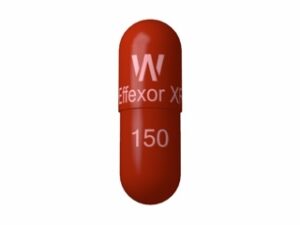

Fludac (Fluoxetine) – Patient-Friendly Guide (UK)
Fludac contains fluoxetine, an antidepressant medicine belonging to the selective serotonin reuptake inhibitor (SSRI) group. It is used to help treat several mental health conditions, including depression and certain anxiety disorders.
This guide explains how Fludac works, how it is typically taken, what to expect, and important safety information. It is written for general understanding and does not replace the advice of a healthcare professional.
Quick product overview
| Feature | Information |
|---|---|
| Active ingredient | Fluoxetine |
| Medicine group | SSRI antidepressant |
| Common uses | Depression, obsessive-compulsive disorder (OCD), panic disorder, bulimia nervosa, and some other conditions depending on age and local guidance |
| Typical dosing frequency | Often once daily (exact dose varies by condition and patient) |
| Typical onset | Some improvement may be noticed in 1–2 weeks; full benefit may take several weeks |
| Food interactions | Generally can be taken with or without food |
| Key cautions | Serotonin syndrome risk with certain medicines; alcohol may worsen side effects; withdrawal symptoms if stopped suddenly |
What Fludac is used for
Fludac (fluoxetine) is used for a range of mental health conditions. The exact indication depends on the diagnosis, age, and individual clinical factors. Common indications include:
- Major depressive episodes (depression)
- Obsessive-compulsive disorder (OCD)
- Panic disorder (with or without agoraphobia)
- Bulimia nervosa
- Other conditions may be considered in specialist settings based on age and national guidance
If you are unsure which condition it is being used to treat, check your medicine label or ask your clinician or pharmacist.
How Fludac works (mechanism of action)
Fluoxetine works mainly by increasing the availability of serotonin in the brain. Serotonin is a chemical messenger involved in mood, anxiety, sleep, and appetite regulation.
As an SSRI, fluoxetine blocks the reuptake of serotonin (often described as helping serotonin stay active in the synaptic space longer). Over time, this can help normalise serotonin signalling pathways related to mood and anxiety.
Pharmacokinetics: how the body processes fluoxetine
Understanding how the medicine behaves in the body can help set expectations. Fluoxetine has a long-lasting effect compared with many other SSRIs.
- Absorption: Fluoxetine is absorbed after taking a dose by mouth.
- Metabolism: It is metabolised mainly in the liver.
- Active metabolite: Fluoxetine is converted to norfluoxetine, which is also active and contributes to the overall effect.
- Half-life (staying power):
- Fluoxetine has a long half-life.
- Norfluoxetine also persists, meaning the medicine remains in the body for weeks after stopping.
- Clinical implication: Because levels decline gradually, some people experience fewer immediate discontinuation effects than with shorter-acting SSRIs—however, changes can still occur, and stopping suddenly is not recommended.
When to take Fludac (timing and routine)
Many people take fluoxetine once daily. The best time of day may depend on how it affects you. Some general considerations:
- Follow your prescribed schedule and the directions on your medicine label.
- If it makes you feel energised or restless: it may be better in the morning.
- If it makes you feel sleepy: some people prefer taking it in the evening. If you are unsure, ask your pharmacist or clinician.
- Take consistently: Try to take it at the same time each day.
- How long it takes to work: Improvement is often gradual. Some benefits may appear within 1–2 weeks, but full effect can take several weeks.
Food interactions: can you take Fludac with meals?
Fluoxetine is generally not significantly affected by food. You can usually take Fludac with or without food, depending on what suits your routine and stomach comfort.
If you experience nausea or stomach upset, taking the tablet with food may help. If you notice persistent side effects, speak with a healthcare professional.
Alcohol and medicine interactions
Alcohol
It is usually advisable to avoid or limit alcohol while taking SSRIs like fluoxetine. Alcohol can worsen mood, increase anxiety, and may intensify side effects such as dizziness, sleep disturbance, or impaired concentration.
If you choose to drink, keep it minimal and be cautious—especially in the early weeks after starting or after dose changes.
Interactions with other medicines
Fluoxetine can interact with other medicines. Some interactions can be serious, so always check with a pharmacist if you start or stop any medicine, including medicines bought online or over the counter.
Medicines that may increase risk of serotonin syndrome:
- Other serotonergic antidepressants (certain combinations)
- Monoamine oxidase inhibitors (MAOIs)
- Triptans used for migraine
- Linezolid (an antibiotic with MAOI properties)
- Tramadol and other medicines that increase serotonin
- Some medicines for mood/anxiety containing serotonergic effects
- St John’s wort (a herbal remedy)
Medicines that may affect fluoxetine levels:
- Certain medicines that influence liver enzymes (especially CYP-related pathways)
- Some antipsychotics and other drugs metabolised through similar routes
Other possible interaction areas:
- Bleeding risk: SSRIs can increase bleeding tendency when combined with certain anticoagulants or antiplatelet medicines (e.g., warfarin, apixaban, rivaroxaban, or aspirin) depending on the specific product and your health profile.
- Non-prescription medicines: Some cough/cold preparations or painkillers may interact indirectly.
Tell your pharmacist about all medicines you take (including vitamins, supplements, and herbal products). This helps reduce the chance of interactions.
Dosing: what is a typical dose?
Dosing varies by condition, severity, and patient factors. The information below is general. Your clinician may adjust the dose gradually and monitor your response.
General principles
- Start low, then adjust: Clinicians may begin with a lower dose and increase if needed.
- Once-daily use: Many regimens use once daily dosing.
- Gradual response: Changes in mood and anxiety often take time.
- Adherence matters: Missing doses can reduce effectiveness.
Typical dosing ranges (general guidance):
- Depression: Often starts at a daily dose such as 20 mg, with potential dose adjustments based on response.
- OCD: May require higher doses than depression for some people.
- Panic disorder: Starting at a lower dose can reduce early side effects; clinicians may titrate slowly.
- Bulimia nervosa: Dose may differ from depression/OCD regimens.
Because strengths and schedules can vary by product and age group, always follow the dosing instructions on your medicine label. If you have questions about your dose, speak to a pharmacist or prescriber.
What to expect when starting Fludac
Many people feel slightly different in the first days. It is common to experience mild, temporary side effects as the body adjusts. The most noticeable improvements often take longer.
- First 1–2 weeks: Some people notice sleep, appetite, or anxiety changes before mood improves.
- Several weeks: Gradual improvement in mood, thoughts, and day-to-day functioning.
- Ongoing assessment: If symptoms are not improving, clinicians may review the dose, duration, and diagnosis, and consider psychological therapy alongside medication.
Safety profile: important risks and side effects
Like all medicines, fluoxetine can cause side effects. Many are mild and go away after a few days to weeks. Some require urgent medical attention.
Common side effects
- Nausea, upset stomach
- Headache
- Sleep changes (insomnia or drowsiness)
- Feeling anxious or restless early on
- Dry mouth
- Reduced libido or sexual dysfunction
- Increased sweating
- Fatigue
- Tremor
Serious side effects: seek urgent advice
Contact a healthcare professional urgently or seek emergency help if you experience symptoms that may indicate:
- Serotonin syndrome (especially if combining medicines that increase serotonin):
- High fever
- Agitation, confusion
- Severe shaking or muscle stiffness
- Fast heartbeat
- Twitching, diarrhoea
- Sweating and feeling very unwell
- Allergic reactions: swelling of face/lips, difficulty breathing, rash with severe features
- Unusual bleeding or bruising, especially if taking blood thinners
- Mania or hypomania: unusually high energy, reduced need for sleep, racing thoughts, risky behaviour
- Severe or persistent suicidal thoughts (particularly in younger people or early treatment)
Activation or early worsening
Some people—particularly at the start of treatment—may feel more agitated, anxious, or unsettled. This does not always mean treatment will fail, but it should be taken seriously. If symptoms feel worse or unsafe, seek prompt medical advice.
Withdrawal and stopping safely
Stopping SSRIs suddenly can lead to discontinuation symptoms such as dizziness, irritability, sleep disturbance, and sensory symptoms (e.g., “electric shock” sensations). Because fluoxetine lasts a long time, withdrawal may be less intense than with some other SSRIs, but it can still happen.
If you need to stop Fludac, discuss a gradual plan with a healthcare professional. Do not stop suddenly unless a clinician tells you to.
Practical use tips for getting the most from Fludac
- Be consistent: take it at the same time each day.
- Plan ahead for side effects: early nausea or sleep changes often settle; give it time, but monitor closely.
- Track your symptoms: consider noting mood, anxiety, and sleep to see patterns over weeks.
- Don’t expect instant relief: set expectations that benefit may take several weeks.
- Keep follow-up appointments: review response and side effects with your clinician.
- Use reminders: phone alarms or pill organisers can help prevent missed doses.
- Inform other healthcare professionals: let dentists, emergency teams, and specialists know you take fluoxetine.
Alternative options (if Fludac isn’t suitable)
If fluoxetine does not suit you, there are other treatment approaches. Options depend on your diagnosis, age, medical history, and previous treatments. Alternatives may include:
- Other SSRIs: e.g., sertraline, citalopram, escitalopram (depending on local suitability)
- Other antidepressant classes: e.g., SNRIs (such as venlafaxine), tricyclic antidepressants in selected cases
- Psychological therapies: such as CBT, which may be used alone or alongside medication
- For some conditions: specialist treatments based on diagnosis and patient needs
Your pharmacist or clinician can advise which alternatives are appropriate, particularly if you have side effects, interactions, or insufficient response.
UK market and legal context (how medicines are handled in the United Kingdom)
In the UK, medicines containing fluoxetine are regulated under the Medicines Regulations and dispensed through licensed supply channels. Many antidepressant products are classified as prescription-only medicines in the UK supply system. Medicines must be used according to professional advice and local regulations.
Pharmacy supply practices and patient counselling help ensure safe use—especially because fluoxetine interacts with certain medicines and can take time to achieve full benefit.
Recent guidance and what it may mean for patients
UK mental health practice commonly emphasises:
- Early assessment and review: symptoms should be reviewed to check effectiveness and side effects.
- Combination approaches: medication and psychological therapies may be offered together for some people.
- Monitoring during initiation: clinicians may monitor for early activation, mood changes, and safety.
- Individualised dosing: adjustments are made based on response and tolerability rather than a one-size-fits-all approach.
If you are starting fluoxetine, a structured follow-up plan can be helpful. If you have questions about how your treatment aligns with local best practice, discuss them with your clinician.
Delivery and availability (UK online pharmacy)
Availability of specific strengths and pack sizes depends on stock and supplier delivery schedules. Many UK online pharmacies offer home delivery options, with dispatch times that vary by location and availability.
- Stock status: show live availability where possible.
- Dispatch timing: medicines are typically dispatched on working days when stock is confirmed.
- Tracking: some services provide delivery tracking updates.
- Storage: store tablets as directed on the packaging (commonly at room temperature, away from moisture and direct heat).
If you need your medicine urgently, check the pharmacy’s delivery policy or contact support for the fastest available options.
FAQ about Fludac (fluoxetine)
1) How long does it take for Fludac to work?
Some people notice changes within 1–2 weeks, but full benefit often takes several weeks. If you feel no improvement after a reasonable trial, speak to your clinician—treatment plans can be adjusted.
2) What should I do if I miss a dose?
If you miss a dose, take it when you remember unless it is close to the time for the next dose. Do not take a double dose to make up for a missed tablet. If you’re unsure, ask your pharmacist for advice based on your schedule.
3) Can I take Fludac with food?
Yes. Fluoxetine can usually be taken with or without food. If it upsets your stomach, try taking it with a meal.
4) Can I drink alcohol while taking fluoxetine?
It’s best to avoid or limit alcohol. Alcohol can worsen mood and may increase side effects such as dizziness or sleep disturbance. If you choose to drink, keep it minimal and be cautious.
5) Are there medicines I must not combine with Fludac?
Some combinations increase the risk of serious interactions, including serotonin syndrome. Tell your pharmacist about all medicines you take—especially migraine medicines, opioid-like pain medicines (e.g., tramadol), certain antibiotics (e.g., linezolid), and other antidepressants. Never start a new medicine without checking.
6) Does Fludac cause weight gain?
Some people experience changes in appetite or weight. It varies by individual. Monitoring your diet, activity, and side effects can be useful—especially during the first couple of months.
7) Can Fludac affect sleep?
Yes. Fluoxetine may cause either insomnia or drowsiness in different people. If sleep is affected, timing (morning vs evening) may help—discuss this with a pharmacist or clinician.
8) How do I stop Fludac safely?
Do not stop suddenly. Even though fluoxetine has a long duration of action, stopping can still cause discomfort or symptom changes. Ask a healthcare professional for a gradual stopping plan.
9) Is fluoxetine safe for everyone?
Not necessarily. People with certain medical conditions, a history of bipolar disorder/mania, seizure disorders, significant liver problems, or those taking interacting medicines may need extra caution. A healthcare professional can assess suitability for your situation.
10) When should I seek urgent help?
Seek urgent medical advice if you develop symptoms suggestive of serotonin syndrome (e.g., high fever, severe agitation, muscle stiffness), signs of a serious allergic reaction, severe bleeding, or marked mood changes such as mania. If you have immediate concerns about safety or thoughts of self-harm, contact emergency services or urgent mental health support.
Need help choosing or using Fludac?
If you have questions about dosing timing, side effects, or possible interactions, a pharmacist can help you understand how to use Fludac safely and effectively in your specific circumstances.
For your wellbeing, keep your follow-up appointments and do not make changes to the dose without professional guidance.