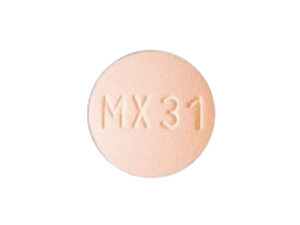
Bupropion (Bupropion hydrochloride) — Patient-Friendly Guide (UK)
Bupropion hydrochloride is a medicine used to treat certain mental health conditions and, in some situations, to help with stopping smoking. On this page you’ll find clear, patient-friendly information about what bupropion is, how it works, how your body handles it, and practical guidance for safe use in the United Kingdom.
Basic product information
| Topic | Details |
|---|---|
| Generic name | Bupropion hydrochloride |
| Common brand names | Varies by manufacturer and indication (your pharmacy will supply the available product) |
| Medicinal class | Antidepressant; also used for smoking cessation in some settings |
| How it’s taken | Usually by mouth (tablet form; exact strength and schedule depend on formulation) |
| Special notes | Some formulations have specific “modified release” timing—follow the instructions on your label |
What is bupropion used for?
Bupropion is used in the UK for conditions where a doctor may consider it appropriate. The two most common therapeutic areas are:
- Depression (major depressive episodes), particularly when other antidepressants are unsuitable or not well tolerated.
- Smoking cessation (helping people stop smoking), typically as part of a support plan.
Your exact indication and treatment plan depend on your personal medical history and the specific product prescribed or supplied for your situation.
How bupropion works (mechanism of action)
Bupropion’s effects are thought to come from its influence on brain chemical messengers (neurotransmitters). It mainly:
- Inhibits reuptake of noradrenaline (norepinephrine) and inhibits reuptake of dopamine, increasing their levels in key brain pathways.
- Acts as a nicotinic receptor antagonist (relevant to smoking cessation), reducing the rewarding effects of nicotine for some people.
- Does not act like classic selective serotonin reuptake inhibitors (SSRIs); therefore, side effects and responses may differ from those medicines.
Pharmacokinetics (how your body handles it)
Pharmacokinetics describes absorption, distribution, metabolism, and elimination. In general, bupropion behaves as follows:
- Absorption: After swallowing a tablet, bupropion is absorbed from the gastrointestinal tract. Onset of symptom improvement is not immediate.
- Distribution: It distributes throughout the body, including to the brain where it affects neurotransmitter pathways.
- Metabolism: Bupropion is metabolised mainly in the liver. Its metabolites can contribute to effects.
- Elimination: Metabolites are eliminated through kidneys (urine) and, to a lesser extent, via other routes.
- Half-life: The time for the body to reduce drug levels by half varies by formulation and metabolite activity. Some products are designed to release medicine more slowly, which affects dosing schedules.
Practical takeaway: because the body processes bupropion over hours to days, it’s important to take doses consistently and allow time for antidepressant effects to develop.
How long does it take to work? (timing)
Bupropion is not usually “instant-acting.” Typical timelines are:
- First improvement: Some people notice changes in sleep, energy, or concentration within 1–2 weeks.
- Depression response: Often requires several weeks (commonly up to 4–6 weeks) for full effect.
- Smoking cessation: Guidance varies by programme; many plans start with preparation and may set a quit date while the medicine builds up.
If you feel worse early in treatment, have severe mood changes, or develop agitation, this should be discussed promptly with a healthcare professional.
Food interactions
Food can affect how comfortably you tolerate bupropion, but major food-drug interactions are usually not the main concern for most people. Practical considerations:
- Take with or after food if you get nausea or stomach discomfort.
- If your product is modified release, do not crush, split, or chew unless your specific tablet instructions say it’s safe.
- Keep a consistent routine—taking doses around the same time each day can reduce missed doses.
Alcohol and medicine interactions
Combining bupropion with alcohol requires extra caution. Alcohol may:
- Increase the risk of drowsiness, dizziness, and impaired coordination.
- Worsen mood symptoms in some people.
- In high amounts or binge drinking situations, potentially increase the risk of seizures (a key safety concern with bupropion).
Practical advice:
- Avoid heavy drinking and binge episodes.
- If you drink alcohol, discuss safe limits with your clinician or pharmacist.
- Do not use other substances that can increase seizure risk (for example, certain stimulants or excessive stimulant use).
Medicine interactions (other medicines)
Bupropion can interact with other medicines because it is metabolised in the liver and may influence certain enzymes and brain chemistry. Always check with a pharmacist if you take any of the following categories:
- Other antidepressants or medicines that affect brain neurotransmitters (to avoid excessive additive effects).
- Medicines that lower the seizure threshold, such as some antipsychotics, certain antidepressants (especially at higher doses), tramadol, and some anti-malarials.
- Stimulants and decongestants with strong stimulant effects.
- Some antiarrhythmics and other medicines that may affect heart rhythm or raise risk of side effects.
- Ritonavir/other liver-metabolised medicines (the exact interaction depends on what you’re taking).
- Medicines for Parkinson’s disease or other dopaminergic treatments.
This is not an exhaustive list. Provide your pharmacist with a full list of medicines, including over-the-counter products and herbal supplements.
Indications and suitability
Bupropion may be considered for:
- Major depressive disorder (appropriate for certain adults, depending on individual factors).
- Smoking cessation support in appropriate adults (alongside behavioural support).
Suitability depends on your health history. You may need extra caution if you have:
- A current or past history of seizures.
- Conditions or treatments that increase seizure risk (for example, certain neurological disorders or abrupt withdrawal from alcohol/benzodiazepines).
- Eating disorders such as bulimia or anorexia nervosa.
- Significant liver disease (because metabolism may be altered).
- A history of bipolar disorder or episodes of mania/hypomania (antidepressants may not be appropriate alone).
- Significant risk of raised blood pressure or heart rhythm concerns.
Dosing guidance (general information)
Dosing depends on the condition being treated and the specific formulation (immediate release vs modified release). Below is general information to help you understand typical approaches; follow the instructions on your product and label.
Typical start and adjustment
- Many treatment plans start with a lower dose to reduce side effects, then increase gradually if needed.
- Dose increases are usually spaced out over days to weeks.
How to take bupropion
- Once or twice daily schedules are common depending on the formulation.
- If you take it more than once daily, try to keep a consistent interval between doses.
- To reduce sleep problems, later doses are typically taken early in the day.
Missed dose
If you miss a dose:
- Take it when you remember unless it’s close to your next dose.
- Do not take a double dose to make up for a missed one.
- If you’re unsure, ask your pharmacist for advice based on your specific schedule.
Important: Overdose increases risk of serious effects, including seizures. If an overdose is suspected, seek urgent medical help.
Safety profile and key warnings
Like all medicines, bupropion can cause side effects. Many are mild and settle as your body adjusts, but it’s important to know what to watch for.
Common side effects
- Dry mouth
- Headache
- Nausea or upset stomach
- Difficulty sleeping (insomnia)
- Feeling anxious or “wired” (especially early on)
- Reduced appetite
- Constipation
- Increased sweating
Less common but important side effects
- Raised blood pressure (may require monitoring, especially in people with hypertension)
- Seizures (rare, but serious—risk increases with higher doses and certain risk factors)
- Allergic reactions (rash, swelling, breathing difficulties—seek urgent care)
- Changes in mood (e.g., agitation, unusual behaviour), especially in people with bipolar risk
When to get urgent help
Seek urgent medical advice if you experience:
- Seizure
- Severe allergic symptoms (facial swelling, breathing problems)
- Severe agitation, confusion, hallucinations
- Uncontrolled shaking, fainting, or chest pain
- Thoughts of harming yourself or feeling dangerously low
If you have any concerns about safety, contact a clinician or pharmacist promptly.
Practical use tips (to help you get the best results safely)
- Start low and be patient: Early side effects may occur before mood benefits. If you feel unwell, speak to your pharmacist or prescriber about what to do next.
- Protect your sleep: Take doses earlier in the day (particularly if you’re prone to insomnia).
- Avoid sudden changes in alcohol or sedatives: Abrupt withdrawal from alcohol or benzodiazepines can raise seizure risk.
- Stay consistent: Missing doses repeatedly can reduce effectiveness.
- Do not crush modified release tablets: This can change drug release and increase side effect risk.
- Monitor blood pressure if advised: If you have hypertension or risk factors, your clinician may monitor it.
- Use smoking cessation support: If taking bupropion to stop smoking, combining medication with counselling or behavioural support improves success rates.
Stopping or changing treatment
If you need to stop bupropion, do so with advice. Stopping antidepressant treatment abruptly can cause unpleasant symptoms in some people. Your clinician can guide a safe plan, which may involve gradual reduction.
Alternative options (UK context)
Treatment choices depend on your diagnosis, medical history, and preferences. In depression, alternatives may include:
- SSRIs (e.g., sertraline, fluoxetine, citalopram—commonly used first-line in many cases)
- SNRIs (e.g., venlafaxine, duloxetine)
- Mirtazapine or other antidepressant classes
- Psychological therapies such as CBT (often used alongside or instead of medication depending on severity)
For smoking cessation, alternatives can include:
- Nicotine replacement therapy (NRT) (patches, gum, lozenges)
- Varenicline (where suitable)
- Behavioural support (very important for long-term success)
Your pharmacist can help discuss options you may have heard about and how they differ in side effects and dosing schedules.
Market and legal context in the United Kingdom
In the UK, medicines are regulated and supplied under the Medicines and Healthcare products Regulatory Agency (MHRA) framework, and prescribing practices follow guidance from organisations such as:
- National Institute for Health and Care Excellence (NICE) (for depression care pathways and smoking cessation approaches)
- Local formularies used by NHS services
- Professional guidance for safe use and monitoring
Availability and exact product forms can vary by manufacturer and by whether the medicine is being used for depression or smoking cessation. Always check that you have the correct strength and formulation for your intended use.
Recent guidance and monitoring (general themes)
In recent years, UK clinical practice has emphasised:
- Careful assessment of risk before starting antidepressants (including bipolar screening when relevant).
- Monitoring for side effects, particularly early in treatment.
- For smoking cessation, a focus on combining pharmacotherapy with behavioural support to improve outcomes.
- Encouraging patients to report changes in mood, sleep, agitation, or unusual behaviour promptly.
Your clinician may adjust your plan based on how you respond and tolerate bupropion.
Delivery and availability
Availability may vary depending on the specific strength and whether the product is commonly stocked by the online pharmacy. When ordering online, you may see different packaging sizes or formulations.
- In-stock items: typically dispatched promptly during working days.
- Low stock / special order: may require additional processing time.
- Product authenticity: reputable UK pharmacies supply medicines in approved packaging and comply with pharmaceutical supply chain requirements.
Delivery times depend on the postal/currier option selected and your location within the UK. If you need the medicine quickly, choose the fastest tracked delivery option available at checkout.
FAQ
1) Can I take bupropion with food?
Generally, you can take bupropion with or after food if it helps with nausea. If your tablet is modified release, don’t crush or chew it unless your specific instructions state it’s safe.
2) Will bupropion make me feel better immediately?
Most people need some time. Some early changes may occur in the first 1–2 weeks, but full antidepressant effects usually take several weeks.
3) Does bupropion cause weight change?
Appetite changes can occur, and weight change varies from person to person. If you notice significant or worrying changes, discuss them with your pharmacist or clinician.
4) Is it safe to drink alcohol while taking bupropion?
It’s best to be cautious. Heavy drinking or binge drinking may increase risks such as dizziness and, in some people, seizure risk. If you drink, keep it moderate and discuss safe limits with a professional.
5) What if I miss a dose?
Take it when you remember unless it’s near your next scheduled dose. Don’t take a double dose. If unsure, ask a pharmacist for advice based on your schedule.
6) What are the most serious side effects to watch for?
Seek urgent help for signs of a seizure, severe allergic reaction (e.g., swelling or breathing problems), severe agitation/confusion, or sudden worsening of mood or thoughts of self-harm.
7) Can bupropion help with both depression and stopping smoking?
Yes, in some situations the medicine may be used for either indication depending on the product and your treatment plan. Your clinician will advise the most appropriate approach for your needs.
8) Are there alternatives if I can’t tolerate bupropion?
Yes. Options for depression include other antidepressant classes and talking therapies. For smoking cessation, alternatives include nicotine replacement therapy and other prescription treatments where suitable. A pharmacist can help you consider what may fit your circumstances.
9) How do I reduce the chance of insomnia?
Take your dose earlier in the day as advised on your label. If insomnia continues, speak to your pharmacist—dose timing or adjustment may help.
10) When should I contact a pharmacist urgently?
Contact urgent medical services if you suspect overdose, experience a seizure, have an allergic reaction, or experience severe mental status changes. Otherwise, for persistent side effects or concerns, speak with a pharmacist as soon as possible.
Reminder: This information is for general guidance. Your individual treatment and safety advice depend on your health history and the exact formulation you have. If you have questions about bupropion, dosage schedules, side effects, or interactions, speak to a pharmacist for tailored advice.