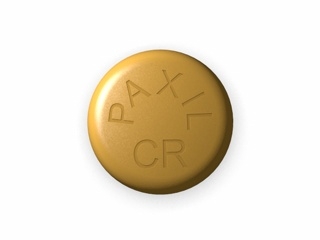


Paxil (Paroxetine) — Patient-Friendly Guide (UK)
Paxil is the brand name of paroxetine, an antidepressant medicine used in adults and (for some conditions) older adolescents/young people under specialist guidance. This page explains how Paxil works, what it is used for, how it is taken, key safety information, interactions, and practical advice to help you use it confidently.
Important: This information is for general guidance and does not replace advice from your healthcare professional.
Basic product information
- Active ingredient: Paroxetine
- Medicine class: Selective Serotonin Reuptake Inhibitor (SSRI)
- Common forms: Tablets (including immediate-release formulations) and other paroxetine-containing presentations depending on local availability
- Brand: Paxil (availability can vary by supplier and formulation)
- UK context: Medicines containing paroxetine are regulated through UK medicines and prescribing frameworks.
How Paxil works (mechanism of action)
Paxil belongs to the SSRI group. It works mainly by increasing serotonin activity in the brain.
- Serotonin is a chemical messenger involved in mood, anxiety, sleep, and appetite.
- In the brain, serotonin is removed (“reuptaken”) by specific transporters.
- Paroxetine blocks the serotonin transporter, reducing reuptake and increasing serotonin availability.
Over time, these changes can help improve symptoms of depression and certain anxiety disorders. Many people do not feel full benefits immediately—improvement typically develops gradually.
Pharmacokinetics (how your body processes it)
Pharmacokinetics describes how the medicine is absorbed, distributed, metabolised, and eliminated.
- Absorption: Paroxetine is absorbed after oral dosing. Peak blood levels generally occur a few hours after taking a dose (timing can vary by formulation).
- Metabolism: Paroxetine is extensively metabolised by the liver, mainly via CYP2D6.
- Elimination: Metabolites are excreted primarily through the kidneys. Only a small amount may be excreted unchanged.
- Half-life: Paroxetine has an elimination half-life that supports once-daily dosing, but individual response varies.
Why this matters: Paroxetine can sometimes interact with other medicines, particularly those processed by CYP2D6, and it may be more noticeable when stopping suddenly. Gradual reduction is usually advised to reduce withdrawal symptoms.
Typical uses and indications
Paxil is used to treat certain mental health conditions. In the UK, the specific licensed indications and age groups can depend on the product formulation and current prescribing guidance.
Common indications include:
- Depressive illness (including major depression)
- Obsessive-compulsive disorder (OCD)
- Adults with panic disorder (with or without agoraphobia)
- Generalised anxiety disorder
- Social anxiety disorder (social phobia)
- Post-traumatic stress disorder (PTSD) in some clinical situations
Note: Your healthcare professional will confirm the best match between your symptoms and the treatment plan, including any age-specific considerations.
When to expect effects (timing)
SSRIs such as paroxetine work gradually. Many people notice changes in:
- Early improvement: some anxiety and sleep symptoms may begin to improve within the first 1–2 weeks, though this varies.
- Full effect: depression and anxiety disorders typically take several weeks for meaningful benefit (often 4–6 weeks or longer).
- OCD: OCD may require more time than other conditions for benefit.
Practical tip: If you feel worse at first, this does not always mean the medicine is failing. Early side effects can occur before benefits. However, worsening mood or severe agitation must be reported promptly to a clinician.
How to take Paxil (dosing and schedule)
Dosing varies by diagnosis, age, tolerability, and other medicines you may be taking. Always follow your clinician’s instructions and the pack guidance.
General principles
- Once daily: Paxil is commonly taken once per day.
- Consistency: try to take it at the same time each day.
- Starting dose may be lower: clinicians often start at a lower dose to reduce side effects, then adjust.
- Do not stop suddenly: abrupt stopping can lead to discontinuation symptoms. A gradual reduction plan is usually recommended.
Example dose ranges (for context)
The exact dosing for you depends on your condition and response. In clinical practice, paroxetine dosing often falls within typical ranges such as:
- Depression: often titrated within a moderate dose range
- OCD: may require higher dosing, adjusted carefully
- Anxiety disorders and panic disorder: titrated based on symptoms and side effects
UK note: Because licensed indications and dosing recommendations can vary, always check the exact strength and instructions on your specific pack and follow healthcare advice.
Timing and day-to-day routine
Whether you should take Paxil in the morning or evening depends on how it affects you:
- If it makes you feel sleepy, many people prefer taking it in the evening.
- If it causes restlessness or affects sleep, taking it in the morning may be better.
Missed dose: If you forget a dose, take it when you remember if it is close to the usual time. If it is nearly time for the next dose, skip the missed dose. Do not double up.
If you have missed multiple doses or are unsure what to do, speak to a pharmacist or clinician.
Food interactions
Paroxetine can generally be taken with or without food. Food is not typically a major interaction concern for Paxil.
However, practical considerations include:
- Taking with meals may help if you experience nausea or stomach upset.
- Avoid sudden major changes in routine (sleep pattern, caffeine intake) during the first weeks, as these can affect perceived side effects.
Alcohol interactions
It is generally advised to avoid alcohol or limit it significantly while taking SSRIs, including Paxil.
- Alcohol can worsen mood and anxiety symptoms.
- It may increase sleepiness, reduce concentration, and make side effects more noticeable.
- Combining alcohol with mental health treatment can make it harder to judge how well the medicine is working.
If you choose to drink, discuss safe limits with a healthcare professional, especially if you have other health conditions or take additional medicines.
Interactions with other medicines
Paxil (paroxetine) can interact with several other medicines, including those affecting serotonin levels, heart rhythm, bleeding risk, and liver enzyme pathways.
Medicines to be especially careful with
- Other serotonergic medicines: medicines that increase serotonin such as certain antidepressants, triptans for migraine, linezolid, and some medicines for mood/migraine may raise the risk of serotonin syndrome.
- MAO inhibitors: concurrent use or close timing with MAO inhibitors can be dangerous and is generally avoided.
- Thioridazine: specific combinations can increase risk of heart rhythm problems.
- Medicines that affect bleeding: NSAIDs (e.g., ibuprofen/naproxen), aspirin, and anticoagulants can increase bleeding risk when combined with SSRIs.
- Other CYP2D6 substrates: because paroxetine affects CYP2D6, it can change blood levels of some medicines—this may increase side effects or reduce effectiveness.
Common UK examples where interaction checks are important
Depending on your personal regimen, your pharmacist may review interactions with:
- Tramadol and other centrally acting pain medicines
- Some migraine treatments
- Antipsychotics or other antidepressants
- Beta-blockers and certain cardiac medicines (through CYP2D6 pathways)
- St John’s wort (often increases serotonin effects)
Always do this before starting or stopping
- Tell your pharmacist or clinician about all medicines you take, including over-the-counter products and herbal remedies.
- Do not start or stop medicines abruptly without advice.
Safety profile and important warnings
Most people tolerate Paxil well, but like all medicines it can cause side effects. Some effects are more likely during the first days to weeks of treatment.
Common side effects
- Nausea or stomach upset
- Headache
- Sleep changes (sleepiness or insomnia)
- Dry mouth
- Sweating
- Sexual dysfunction (e.g., reduced libido or difficulty reaching orgasm)
- Fatigue or feeling “slightly off” during adjustment
Less common but serious risks
- Serotonin syndrome: symptoms can include agitation, confusion, fever, heavy sweating, tremor, and diarrhoea. This requires urgent medical attention.
- Suicidal thoughts in young people: antidepressants can increase the risk of suicidal thinking and behaviour in children, adolescents, and young adults—close monitoring is important.
- Withdrawal/discontinuation symptoms: dizziness, “electric shock” sensations, irritability, nausea, and sleep disturbance can occur if stopped suddenly.
- Hyponatraemia (low sodium): especially in older adults or those taking diuretics; symptoms can include headache, confusion, weakness.
- Bleeding risk: SSRIs can increase risk of bruising or bleeding, particularly with other blood-thinning medicines or NSAIDs.
- Mania/hypomania: in people with bipolar disorder history, antidepressants may trigger mood elevation.
- Heart rhythm effects: while uncommon, clinicians consider ECG and risk factors when appropriate.
Seek urgent help if you develop symptoms suggestive of serotonin syndrome, severe allergic reaction (swelling, difficulty breathing), or thoughts of harming yourself.
Practical use tips (making treatment easier)
- Plan for the adjustment period: side effects may be strongest early on. Give yourself time—unless symptoms are severe.
- Track changes: note sleep, appetite, anxiety level, and mood daily for the first 2–3 weeks. This helps you and your clinician decide whether dose changes are needed.
- Stay consistent: take the dose at the same time each day.
- Manage nausea: taking with food and staying hydrated can help.
- Expect possible sexual side effects: if bothersome, discuss options with your clinician rather than stopping abruptly.
- Do not mix with new substances: during the first weeks, avoid starting multiple new supplements or medicines at once unless advised.
Stopping and missed doses
- Do not stop suddenly without a clinician’s plan.
- If you feel discontinuation symptoms, contact a pharmacist or prescriber—slower tapering often helps.
- When tapering, follow a written schedule if provided.
Alternative options (if Paxil isn’t right for you)
There are multiple treatment pathways for depression and anxiety. Your clinician will consider symptoms, history, side effects, and personal preferences.
Other antidepressants
- Other SSRIs: such as sertraline, citalopram, and escitalopram
- Serotonin-noradrenaline reuptake inhibitors (SNRIs): such as venlafaxine or duloxetine
- Other classes: depending on your condition and tolerance, clinicians may consider alternatives
Psychological therapies
- Cognitive Behavioural Therapy (CBT) is often used for anxiety and depression.
- Exposure-based therapy can help certain anxiety disorders.
Combination approaches
Many people benefit from combining medication with therapy and lifestyle changes (sleep, exercise, and structured routines).
Market and legal context in the United Kingdom
In the UK, medicines including paroxetine are regulated by the Medicines and Healthcare products Regulatory Agency (MHRA) and are supplied in accordance with UK medicines legislation and professional prescribing and dispensing standards.
Key UK-facing points include:
- Licensing and indications: Licensed uses and age recommendations can change based on safety reviews and evidence.
- Pharmacovigilance: UK systems monitor side effects and emerging safety information.
- Professional monitoring: clinicians and pharmacists assess risks such as drug interactions and ongoing suitability.
If you have questions about the suitability of paroxetine for your specific situation, speak with your healthcare professional or pharmacist—UK guidance emphasises individualised assessment.
Recent guidance and safety monitoring (UK-focused)
UK and international safety monitoring has consistently emphasised:
- Careful monitoring when starting antidepressants, especially in children, adolescents, and young adults.
- Serotonin syndrome awareness when SSRIs are combined with other serotonergic agents.
- Withdrawal/discontinuation planning when stopping SSRIs.
- Individual risk assessment for hyponatraemia, bleeding risk, and potential interaction with other medicines.
Because recommendations can evolve, always rely on up-to-date advice from your clinician or pharmacist.
Delivery and availability (UK)
Availability of Paxil (paroxetine) may vary by strength and formulation due to supply and pharmacy stock levels. Many UK online pharmacies can arrange access to paroxetine products through their approved supply chains.
Delivery considerations:
- Dispatch and delivery times can vary depending on your location and courier service.
- Some services offer standard delivery and next-day options for eligible postcodes.
- Packaging should be discreet and comply with supplier requirements.
Availability: If a specific brand or strength is out of stock, your pharmacy may offer an equivalent paroxetine product where appropriate (subject to clinical suitability and supply rules).
Storage information
- Store in the original packaging to protect from light and moisture.
- Keep out of the sight and reach of children.
- Do not use after the expiry date on the pack.
- Follow the storage instructions on your specific product label (e.g., room temperature vs. protected from moisture).
Product overview at a glance
| Category | Details |
|---|---|
| Medicine | Paxil (paroxetine) |
| Type | SSRI antidepressant |
| Main effect | Increases serotonin activity by blocking reuptake |
| Typical use | Depression and certain anxiety disorders/OCD |
| Onset | Gradual benefit; often several weeks |
| How to take | Often once daily; consistent timing |
| Food | Generally can be taken with or without food |
| Alcohol | Avoid or limit; can worsen mood and side effects |
| Key risks | Withdrawal symptoms if stopped suddenly; serotonin syndrome with certain combinations |
FAQ
1) How long does Paxil take to work?
Some symptoms may begin to improve within 1–2 weeks, but for most conditions noticeable improvement takes several weeks. OCD may take longer.
2) Can I take Paxil with food?
Yes. Paxil is generally taken with or without food. Taking it with food may help if you experience nausea.
3) What should I do if I miss a dose?
If you remember on the same day, take it when you notice. If it is close to the next scheduled dose, skip the missed dose. Do not take a double dose.
4) Is it safe to drink alcohol while using Paxil?
It’s usually best to avoid or limit alcohol. Alcohol can worsen depression/anxiety and may increase side effects such as drowsiness and impaired concentration.
5) What interactions should I watch for?
Be especially cautious with medicines that affect serotonin, MAO inhibitors, certain migraine treatments (triptans), linezolid, and medicines that increase bleeding risk (like NSAIDs/aspirin or anticoagulants). Paroxetine also interacts with some medicines metabolised by CYP2D6.
6) Why shouldn’t Paxil be stopped suddenly?
Stopping suddenly can cause discontinuation/withdrawal symptoms such as dizziness, nausea, irritability, sleep disturbance, and “electric shock” sensations. A gradual reduction plan is usually recommended.
7) Can Paxil affect sleep?
Yes. Some people feel sleepy; others find it causes insomnia or restlessness. If sleep is affected, your clinician may advise adjusting the time of day or dose.
8) Are sexual side effects common?
Sexual side effects can occur with SSRIs, including paroxetine, and may include reduced libido or difficulty achieving orgasm. If this happens, speak to your pharmacist or clinician—there are options.
9) Who should be extra careful when using Paxil?
Extra caution may be needed if you have bipolar disorder history, a tendency to bleed easily, a history of low sodium, heart rhythm issues, are older, or take multiple medicines—especially those affecting serotonin or bleeding.
10) Is Paxil suitable for everyone in the UK?
Suitability depends on your diagnosis, age, health history, current medications, and personal risk factors. Your healthcare professional will confirm the best option for you.
Need more help? If you have questions about Paxil or are unsure about interactions, contact a pharmacist who can advise based on your specific medicines and health conditions.