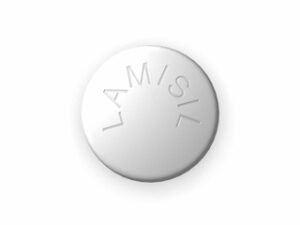



Tinidazole (Oral) – Patient Information for the UK
Tinidazole is an antibiotic/antiprotozoal medicine used to treat certain infections caused by bacteria and parasites. It is commonly prescribed for conditions such as anaerobic bacterial infections and specific parasitic infections (for example, giardiasis). This guide explains how tinidazole works, how it is used, what to expect, and important safety information—written for patients in the United Kingdom.
| Product | Details |
|---|---|
| Medicine | Tinidazole |
| Type | Antibiotic/antiprotozoal (nitroimidazole) |
| Common formulations | Tablets/capsules (strength may vary by brand) |
| Typical dosing schedule | Varies by infection; may be once daily for a short course or single-dose regimens in some conditions |
| Key safety warning | Avoid alcohol during treatment and for a period after completing the course |
| Availability (UK) | Available through UK pharmacies; supply depends on formulation and clinical need |
What is Tinidazole?
Tinidazole belongs to the nitroimidazole group of medicines. It is designed to target organisms that thrive without oxygen (anaerobic bacteria) and several parasites. Tinidazole is active against many pathogens responsible for certain gastrointestinal, dental/anaerobic, and genital infections, depending on the cause.
How Tinidazole Works (Mechanism of Action)
Tinidazole is converted inside susceptible organisms into reactive metabolites. These metabolites damage the DNA of the microbe or parasite, leading to cell death.
Because this activation requires low-oxygen conditions commonly found in anaerobic environments (and within certain parasites), tinidazole is particularly effective where oxygen is limited.
Pharmacokinetics (How the Body Handles Tinidazole)
Pharmacokinetics describes how the medicine is absorbed, distributed, metabolised, and eliminated. For tinidazole, the practical points for patients are:
- Absorption: Tinidazole is absorbed after oral dosing. Food may affect how quickly it reaches peak levels, but it usually improves overall tolerability.
- Distribution: It spreads through body tissues and reaches sites where infections may be present.
- Metabolism: Tinidazole is metabolised mainly in the liver.
- Elimination: It is cleared from the body through a combination of kidney and non-renal routes. Tinidazole has a relatively long half-life, which is why some regimens can be shorter.
Individual variation exists (for example, in liver or kidney function), which is one reason dosing may differ between patients and indications.
What is Tinidazole Used For? (Typical Indications)
Tinidazole is used for infections where the likely cause is sensitive to nitroimidazoles. The exact suitability depends on the suspected organism, severity of illness, local guidance, and your clinical history.
Commonly treated conditions
- Giardiasis (a parasitic infection of the intestine)
- Trichomoniasis (a sexually transmitted infection caused by Trichomonas vaginalis)
- Anaerobic bacterial infections (for example, certain intra-abdominal infections, dental/odontogenic infections, and other anaerobic infections)
- Other protozoal and anaerobic infections depending on local clinical practice
If you’re unsure why you’ve been advised tinidazole, ask your healthcare professional. The choice of antibiotic depends on symptoms, examination, and sometimes test results.
Timing and How to Take Tinidazole
How you take tinidazole depends on the infection and the dosing regimen selected for you. Follow the instructions provided with your medicine. Below are patient-friendly general principles.
General timing tips
- Take at the times directed to keep steady levels in your body.
- If your regimen is once daily, choose a time that is easy to remember and keep it consistent each day.
- If your regimen is multiple doses, spacing doses evenly can help reduce side effects like nausea.
- Finish the full course, even if you feel better. Stopping early can allow infection to return.
What to do if you miss a dose
- If you remember soon after the scheduled time, take the missed dose as soon as possible.
- If it is close to the time for the next dose, skip the missed dose and continue with your regular schedule.
- Do not take double doses to make up for a missed tablet.
If you are unsure, ask a pharmacist or check the patient information leaflet for your specific product.
Can You Take Tinidazole With Food? (Food Interactions)
Tinidazole can usually be taken with or without food, depending on your product instructions and how you tolerate it. Taking it with food may help reduce stomach upset and nausea.
Practical food advice
- If you experience nausea, try taking tinidazole after a meal (unless told otherwise).
- Maintain normal hydration and regular meals where possible, especially if you are unwell.
There are no major “specific foods to avoid” for tinidazole in the way there are for some other medicines. However, avoiding alcohol is essential (see below).
Alcohol and Tinidazole: Important Interaction Warning
Do not drink alcohol during treatment with tinidazole and for a period after finishing the course. Combining tinidazole and alcohol can lead to unpleasant effects—sometimes referred to as a “disulfiram-like” reaction.
Why alcohol is avoided
-
Alcohol may interact with tinidazole metabolism and cause symptoms such as:
- flushing (face turning red)
- headache
- nausea or vomiting
- abdominal cramps
- rapid heartbeat
- feeling unwell
How long to avoid alcohol
The exact time can vary by product guidance. As a safe patient approach, avoid alcohol during treatment and for at least 48 hours after the last dose. If your leaflet specifies a longer interval, follow that advice.
Other Medicines and Interactions
Always tell your pharmacist or healthcare professional about: all medicines you take (including over-the-counter products and herbal supplements), particularly if you use medicines that affect clotting, epilepsy, or liver enzymes.
Common interaction areas to discuss
- Warfarin and other blood thinners (anticoagulants): Nitromidazoles may increase bleeding risk in some situations. Monitoring and dose adjustment may be required.
- Lithium: Tinidazole may affect lithium levels; close monitoring may be needed.
- Disulfiram-like reactions: Alcohol must be avoided; also consult about other substances that can cause similar reactions.
- Medicines affecting the liver: Since tinidazole is metabolised by the liver, liver impairment may change drug handling.
What to do before starting tinidazole
- Have a full list of your medicines ready.
- Check whether you have a history of liver disease, neurological problems, or blood disorders.
- Ask if any medicine needs spacing or monitoring while you are on tinidazole.
Dosage: Typical Dosing Approaches (Adults)
Tinidazole dosing depends on the specific infection, severity, and your age and overall health. The following are general examples of dosing patterns used in practice; your exact dose should always follow the instructions for your condition and product strength.
Common adult dosing regimens
- Giardiasis: Often treated with a short course taken over one to several days, depending on local guidance and patient factors.
- Trichomoniasis: Commonly treated with a course over a defined number of days; in many cases, sexual partners may also need treatment to reduce reinfection risk.
- Anaerobic bacterial infections: Dosing and duration can be longer and may depend on the infection site and response to therapy.
Important: Dosing for children differs and must be determined by clinicians based on weight and indication. Always use the correct strength and schedule for your individual case.
Taking tinidazole safely
- Use the exact strength and number of tablets/capsules directed.
- Do not change the dose or stop early without medical advice.
- If you vomit soon after taking a dose, contact a pharmacist for guidance on whether to repeat that dose.
Safety Profile: Side Effects and When to Seek Help
Most people tolerate tinidazole well. However, like all medicines, it can cause side effects. The risk of side effects can increase if you have liver disease, take interacting medicines, or do not follow timing instructions.
Common side effects
- Nausea
- Stomach discomfort or abdominal pain
- Headache
- Dizziness
- Changes in taste (a metallic taste)
- Diarrhoea or constipation
- Dry mouth
Serious side effects—get urgent medical advice
Contact urgent medical services or seek prompt advice if you experience any of the following:
- Signs of an allergic reaction such as swelling of the face/lips, difficulty breathing, or widespread rash
- Severe or persistent vomiting or inability to keep fluids down
- Severe dizziness, fainting, confusion, or worsening neurological symptoms
- Unusual bleeding or bruising (especially if on anticoagulants)
- Severe skin reactions or blistering
- Yellowing of the eyes/skin (jaundice) or dark urine, which may indicate liver issues
Who should take extra care?
- People with liver impairment
- People with a history of blood disorders
- People with neurological conditions (because nitroimidazoles can rarely affect the nervous system)
- Pregnant or breastfeeding individuals (discuss with healthcare professionals; see below)
Pregnancy, Breastfeeding and Fertility (UK considerations)
Tinidazole may be used in pregnancy or breastfeeding depending on the infection and clinical judgement. If you are pregnant, trying to conceive, or breastfeeding, speak with a healthcare professional to weigh benefits and risks.
Do not stop treatment or start tinidazole without advice, particularly if the infection can pose risks to you or your baby.
Practical Use Tips for Patients
Improve comfort
- If you feel sick, take tinidazole with food and drink water.
- Stay hydrated, especially if you have diarrhoea.
- Consider smaller meals if your stomach is sensitive.
Avoid reinfection (where relevant)
- For conditions such as trichomoniasis, sexual partners may need testing and treatment.
- Use barrier protection (e.g., condoms) as advised to prevent ping-pong reinfection.
Monitor symptoms
- Most symptoms should start improving within a few days, depending on the infection.
- If symptoms worsen or do not improve, seek medical advice.
Driving and operating machinery
Some people experience dizziness or headache. If you feel unsteady, avoid driving or operating machinery until you feel well again.
Alternative Options
Treatment alternatives depend entirely on the infection type and the likely organism. If tinidazole isn’t suitable (for example, due to intolerance, interactions, or resistance concerns), clinicians may consider other agents.
Examples of alternatives (depending on indication)
- For some anaerobic infections: Other antibiotics may be used (often selected based on local antimicrobial guidance and culture results where available).
- For certain protozoal infections: Alternatives may include other antiprotozoal medicines depending on the suspected organism and age group.
- For sexually transmitted infections: Regimens may differ, and partner management is important.
A pharmacist or clinician can advise what options may be appropriate for your specific diagnosis and medicines list.
UK Market and Legal Context (Availability and Responsible Use)
Tinidazole is an established medicine within the UK healthcare system. Availability may vary by brand, strength, and dispensing arrangements. Medicines are supplied in line with UK regulations and clinical governance to ensure safe and effective use.
In the UK, antimicrobial use is guided by evidence-based clinical recommendations and stewardship principles aimed at reducing unnecessary antibiotic exposure and resistance. This means tinidazole is typically used when there is a clear indication that it will benefit the patient.
Recent Guidance and Stewardship Notes (UK)
UK healthcare professionals follow national antimicrobial guidance and local protocols for the diagnosis and treatment of infections. These resources may update over time based on new evidence, resistance patterns, and safety information.
- Antibiotic selection is increasingly based on clinical likelihood and, when appropriate, test results.
- There is ongoing emphasis on correct dose, complete courses, and avoiding alcohol with relevant nitroimidazoles.
- For sexually transmitted infections, guidance also emphasises partner management and preventing reinfection.
Your clinician or pharmacist can provide the most relevant, current approach for your condition.
Delivery and Availability (UK Online Pharmacy)
Online pharmacies in the UK typically deliver tinidazole to eligible postcodes depending on stock status, manufacturer supply, and pharmacy processes. Availability may differ by formulation (for example, tablet vs capsule) and strength.
What to expect when ordering
- Order processing: After placing your order, it may be checked and prepared during working hours.
- Delivery times: Standard and express options may be available depending on location and carrier.
- Packaging: Medicines are usually packaged to protect tablets and support safe delivery.
- Cold-chain: Tinidazole tablets do not typically require refrigeration.
If you need it urgently, check the pharmacy’s delivery options at checkout or contact support for the latest dispatch schedules.
Storage and Disposal
- Store tinidazole according to the instructions on the packaging/leaflet.
- Keep out of sight and reach of children.
- Do not use after the expiry date.
- Ask your pharmacist about disposal if you have unused tablets/capsules.
Frequently Asked Questions (FAQ)
How quickly should I feel better after starting tinidazole?
Many people notice some improvement within 2–3 days, depending on the infection being treated. If symptoms worsen, fever develops, severe pain occurs, or there is no improvement after a reasonable period, seek medical advice.
Can I drink alcohol while taking tinidazole?
No. Avoid alcohol during treatment and for a period after finishing the course (commonly at least 48 hours, or longer if your leaflet advises). Alcohol can trigger unpleasant side effects.
Can tinidazole be taken with food?
Yes, it can usually be taken with or without food. Taking it with food may help reduce nausea or stomach upset. Follow the leaflet for your specific product.
What if I miss a dose?
Take it when you remember if it’s not too close to the next dose. If it’s nearly time for your next dose, skip the missed dose and continue as scheduled. Do not take a double dose.
Can tinidazole be used for everyone?
Tinidazole may not be suitable for everyone—especially people with certain liver problems, known allergies to nitroimidazoles, or those taking interacting medicines. Discuss your medical history and medicine list with a pharmacist or clinician.
Are side effects normal?
Mild side effects like nausea, headache, dizziness, or taste changes can occur. Serious allergic reactions or significant neurological symptoms are not expected and require urgent advice.
Do I need to avoid any other medicines?
Some medicines can interact with tinidazole (for example, anticoagulants such as warfarin, and lithium). Provide your full medication list to your pharmacist to check for interactions.
Is tinidazole safe during pregnancy or breastfeeding?
It depends on the situation. Pregnancy and breastfeeding require careful consideration of risks and benefits. Speak to a healthcare professional before using tinidazole if you are pregnant, trying to conceive, or breastfeeding.
What are the signs that my infection might be serious?
Seek prompt medical advice if you have severe abdominal pain, persistent vomiting, dehydration, blood in stool, high fever, worsening symptoms, or any sign of an allergic reaction (such as breathing difficulty or facial swelling).
What are common alternatives to tinidazole?
Alternatives depend on the infection type. Clinicians may select different antiprotozoal or antibiotic therapies based on the likely organism, your history, and local antimicrobial guidance.
If you have questions specific to your product strength or regimen, check the patient information leaflet included with your tinidazole pack or speak to a pharmacist.