Minomycin (Minocycline) – Patient-Friendly Guide (UK)
Minomycin contains minocycline, a tetracycline antibiotic used to treat certain bacterial infections and inflammatory conditions linked to bacteria. This guide explains how it works, how it’s used, what to expect, and important safety information for people in the United Kingdom.
Always follow the instructions provided with your medicine and any advice from your healthcare professional.
1) Basic product information
- Medicine name: Minomycin
- Active ingredient: Minocycline
- Medicine class: Antibiotic (tetracycline)
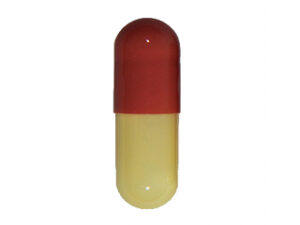
- Common forms: Tablets or capsules (strengths may vary by product presentation)
- How it works: It suppresses bacterial growth by blocking protein production
Note: Brand availability and presentations can vary. If you are unsure about your specific product strength or formulation, check the packaging or ask a pharmacist.
2) How Minocycline works (mechanism of action)
Minocycline is an antibiotic that belongs to the tetracycline group. It works by:
- Inhibiting bacterial protein synthesis—minocycline binds to the bacterial ribosome and interferes with the process bacteria use to make proteins.
- Reducing bacterial growth and spread—this helps the body clear the infection.
In some inflammatory conditions (such as certain acne variants), minocycline may also help by:
- Reducing inflammation
- Influencing certain bacterial activity associated with the condition
3) Pharmacokinetics (what the body does with it)
Pharmacokinetics describes how a medicine is absorbed, distributed, metabolised, and excreted.
- Absorption: Minocycline is generally absorbed after oral dosing. Taking it correctly improves consistency of blood levels.
- Distribution: It can distribute into many body tissues, including skin and sites of infection.
- Metabolism: Some metabolism occurs in the body.
- Elimination: Minocycline and its metabolites are eliminated via the kidneys and bile (and ultimately through faeces).
Why this matters: Timing with meals and the avoidance of certain interactions can help prevent reduced absorption or unwanted effects.
4) Typical uses in the UK
Minomycin/minocycline is used for conditions where a tetracycline antibiotic is appropriate. Common UK uses include:
- Acne (including moderate to severe inflammatory acne)—often when other measures are insufficient
- Some bacterial infections caused by susceptible organisms (based on local guidance and clinical judgement)
- Other selected infections where minocycline is considered suitable
Important: Minocycline is active against specific bacteria. It is not effective for viral illnesses such as colds or flu.
5) When to take Minomycin (timing and how to start)
How often you take minocycline and for how long depends on the condition being treated and your individual circumstances.
General timing tips:
- Try to take it at the same times each day to maintain steadier levels.
- Complete the course even if you start to feel better (unless you are advised to stop).
- If you miss a dose, take it when you remember unless it is close to the next dose. Do not take a double dose.
Starting advice: At the beginning of treatment, you may see gradual improvement depending on the condition (acne may take weeks; infections may improve sooner). If you do not improve as expected or symptoms worsen, seek medical advice promptly.
6) Food interactions (what to avoid and what to consider)
Food can affect how well minocycline is absorbed. For many people, following consistent instructions is the easiest approach.
Key interaction points:
- Milk and dairy products may reduce absorption due to calcium and other minerals.
- Antacids and products containing aluminium, calcium, or magnesium can reduce absorption.
- Iron, zinc, and some mineral supplements may also reduce absorption.
Practical approach: If you take supplements or medicines containing minerals, spacing doses away from minocycline can help. A pharmacist can advise the best timing for your specific products.
7) Alcohol and medicine interactions
Mixing minocycline with alcohol may increase the risk of side effects for some people, such as:
- Stomach irritation (nausea, indigestion)
- Dizziness or light-headedness
- Headache
Recommendation for UK patients: If you choose to drink alcohol, do so in moderation and monitor how you feel. If you notice flushing, worsening dizziness, rash, or unusual symptoms, stop alcohol and seek advice.
Other important medicine interactions can include (not exhaustive):
- Oral retinoids (e.g., isotretinoin): increased risk of certain serious side effects, including raised intracranial pressure (rare).
- Warfarin (and other blood thinners): antibiotics may affect clotting control for some patients.
- Antiepileptics and other enzyme-inducing medicines: may influence antibiotic levels.
- Live bacterial vaccines may be impacted indirectly by infection status and immune effects—discuss with a healthcare professional.
Always tell your pharmacist about all medicines and supplements you take, including over-the-counter products.
8) Indications (what conditions it’s used to treat)
In UK practice, minocycline is commonly considered for:
- Moderate to severe acne, especially inflammatory or treatment-resistant cases
- Selected bacterial infections where minocycline is active against the likely bacteria and is an appropriate option
Antibiotic stewardship note: Antibiotics should be used for the right condition and for the right duration to reduce side effects and antibiotic resistance. UK guidance emphasises careful prescribing and reassessment.
9) Dosing (general information)
Dosing depends on the condition, severity, age, kidney and liver function, and whether other interacting medicines are used.
Important: This section is general. Your exact dose should come from the label or advice provided by a healthcare professional.
Common dosing patterns
- For acne: often once or twice daily depending on formulation and prescriber instructions.
- For infections: frequency and duration may be different based on the infection type and response.
Duration of treatment
- For acne, improvement may take several weeks, and courses may be reviewed depending on response.
- For infections, the course is typically days to weeks, depending on the specific diagnosis and clinical response.
Do not stop early unless you have side effects requiring review. If you experience significant adverse effects, contact a pharmacist or healthcare professional promptly.
10) Safety profile (side effects and when to get help)
Like all medicines, minocycline can cause side effects. Many people experience mild effects only, but some effects require urgent medical attention.
Common or mild side effects
- Nausea, upset stomach
- Headache
- Dizziness
- Skin sensitivity to sunlight (photosensitivity)
- Heartburn or mild gastrointestinal discomfort
Less common but important risks
- Skin reactions (including rash)
- Changes in skin or nail colour have been reported with minocycline (rare but recognised)
- Liver effects (unusual tiredness, dark urine, yellowing of skin/eyes)
- Blood-related effects (unexplained bruising, persistent sore throat/fever)
- Raised intracranial pressure (rare): severe headache, blurred vision, or visual changes
Seek urgent medical help if you develop
- Swelling of the face/lips, difficulty breathing, or widespread hives (possible severe allergy)
- Severe persistent headache, vision changes, or vomiting without explanation
- Signs of serious liver problems: yellow skin/eyes (jaundice), dark urine, severe abdominal pain
- Severe diarrhoea, especially if watery or with blood, or if accompanied by fever (possible antibiotic-associated colitis)
If you are unsure whether symptoms are significant, err on the safe side and contact a pharmacist, NHS 111, or your healthcare team.
11) Practical use tips (getting the best results safely)
- Sun protection is important: Minocycline can increase sensitivity to sunlight. Use SPF, wear protective clothing, and avoid sunbeds.
- Take with a full glass of water: This can reduce irritation.
- Separate from minerals if needed: If you take iron, zinc, calcium, magnesium, or antacids, space doses appropriately.
- Stay hydrated: Helpful for general tolerance and well-being.
- Monitor your skin/infection progress: Keep track of whether symptoms are improving.
- Do not share antibiotics: Minocycline should only be used for the condition it was prescribed for.
12) Alternative options
Alternatives depend on the condition (acne vs infection), local resistance patterns, allergies, and other health factors. For acne, alternatives may include topical therapies (such as benzoyl peroxide), other oral antibiotics, or hormonal options when appropriate.
For bacterial infections, alternative antibiotics may be considered based on the suspected bacteria and sensitivity. Your clinician will decide based on the best fit for you.
Why alternatives matter: The choice of antibiotic can affect effectiveness, side effects, and resistance risk.
13) UK market and legal context (overview)
In the United Kingdom, medicines containing minocycline fall under standard UK medicines regulation. Antibiotics are regulated to ensure quality, safety, and appropriate use. Health services and NHS guidance emphasise:
- Antibiotic stewardship to reduce resistance
- Appropriate indication before starting treatment
- Reviewing response during and after a course
Availability of Minomycin can vary by supplier, formulation, and current stock levels. Online pharmacies may display different pack sizes and strengths.
14) Recent guidance and prescribing themes
Across the UK, recent years have continued to emphasise prudent antibiotic prescribing. In particular:
- For acne, guidelines often encourage using antibiotics as part of a broader plan and reviewing use regularly, to minimise resistance and side effects.
- For infections, clinicians weigh likely benefit against possible harm and resistance, and may use culture or clinical assessment where appropriate.
- Duration and reassessment are commonly highlighted—antibiotics are generally not intended for indefinite use.
Your pharmacist or prescriber can explain how your plan aligns with current local practice.
15) Delivery and availability (online pharmacy in the UK)
Online availability can vary. If Minomycin is currently listed, delivery options may include:
- Standard delivery (often within a few working days, depending on local couriers)
- Express delivery (for eligible areas and selected products)
- Packaging and temperature stability: Minocycline tablets/capsules are typically stable at room temperature; follow any storage instructions on the pack.
What you should check before ordering:
- Correct strength and formulation
- Correct quantity for your intended course
- Delivery address and any requirement for signature or age/ID checks (if applicable)
If a product is temporarily out of stock, the website may offer alternatives or restock notifications.
16) Product information at a glance
| Feature | Minomycin (Minocycline) |
|---|---|
| Type | Tetracycline antibiotic |
| Common uses | Acne; selected bacterial infections |
| How it works | Blocks bacterial protein synthesis |
| Food/mineral interactions | Dairy, antacids, iron, zinc, calcium/magnesium can reduce absorption |
| Sun sensitivity | Possible; use sun protection |
| Alcohol | May increase side effects; moderate use recommended |
| Seek urgent help for | Severe allergy, severe headache/vision changes, severe diarrhoea, jaundice |
17) FAQ (Frequently Asked Questions)
1. Is Minomycin the same as minocycline?
Yes. Minomycin is a brand name that contains minocycline as the active ingredient. Different brands may contain the same medicine in different strengths or formulations.
2. How long does Minomycin take to work?
It depends on what you’re treating. For acne, improvement can take several weeks. For infections, improvement may be seen sooner, but you should complete the planned course unless you’re advised to stop due to side effects.
3. Can I take Minomycin with milk?
Milk and dairy products may reduce absorption due to calcium. It’s often best to avoid taking minocycline at the same time as dairy. If you need a detailed schedule, speak with your pharmacist based on your routine.
4. What should I avoid while taking minocycline?
- Avoid taking it together with antacids, and supplements containing iron, zinc, or high levels of calcium/magnesium unless your pharmacist advises spacing.
- Use sun protection to reduce photosensitivity risk.
- Be cautious with alcohol as it may worsen side effects for some people.
5. What if I miss a dose?
Take it when you remember unless it’s close to your next dose. Do not take two doses at once. If you’re unsure, ask a pharmacist for advice.
6. Are there people who should not take minocycline?
Certain situations require extra caution or avoidance (for example, some individuals with known hypersensitivity to tetracyclines, or particular medical conditions). If you have liver problems, history of severe drug reactions, or complex medical needs, discuss risks with a pharmacist or clinician.
7. Can minocycline cause dizziness?
Yes, dizziness can occur. If you feel dizzy, avoid driving or operating machinery until you feel steady again.
8. Does minocycline stain the skin?
Minocycline is known to cause certain colour changes in rare cases (skin, gums, or nails). If you notice unusual or progressive colouring, discuss with your healthcare professional.
9. Is it safe to use alongside acne creams or gels?
Often, minocycline is used alongside topical acne treatments (such as benzoyl peroxide). However, combinations should be chosen carefully. Tell your pharmacist what topical products you use to avoid irritation and to support effectiveness.
10. When should I contact my healthcare team urgently?
Seek urgent help if you develop signs of severe allergy (swelling, trouble breathing), severe persistent headache with vision changes, jaundice/dark urine, or severe diarrhoea—especially if watery or with blood.
Summary
Minomycin (minocycline) is a tetracycline antibiotic used in the UK for conditions such as acne and selected bacterial infections. It works by stopping bacteria from making proteins. For best results and fewer issues, take it consistently, consider food and mineral interactions (especially dairy and antacids), protect your skin from sunlight, and report significant or worsening side effects promptly.
If you have questions about your medicines, timing, or interactions, a pharmacist can help you make a safe plan that fits your routine.