Minocin (Minocycline hydrochloride) – Patient Guide (UK)
Minocin is a brand of minocycline hydrochloride, an antibiotic in the tetracycline group. It is used for certain bacterial infections and, in some people, for inflammatory conditions where bacteria and inflammation may both play a role. This guide explains how Minocin works, how it is typically taken, key interactions, safety information, and practical tips to help you use it correctly in the United Kingdom.
1) Basic product information
| Property | Details |
|---|---|
| Medicine name | Minocin (minocycline hydrochloride) |
| Type | Tetracycline-class antibiotic |
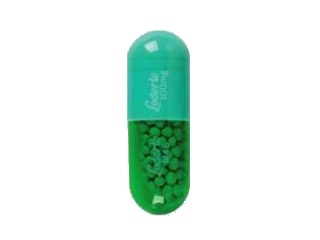
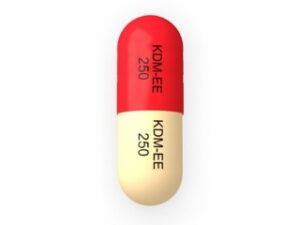
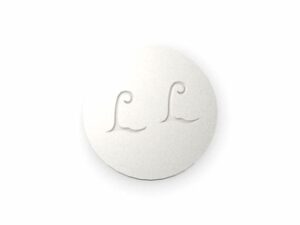
| Common forms | Tablets/capsules (brand strength may vary by product) |
| What it’s used for | Selected bacterial infections; sometimes acne/rosacea depending on local guidance and product label |
| How it’s taken | Oral (by mouth) |
Availability and exact strengths can differ between brands and supply channels in the UK. Always check your packaging for the dose and wording specific to your Minocin product.
2) How Minocin works (mechanism of action)
Minocycline works by inhibiting bacterial protein synthesis. It binds to the 30S ribosomal subunit of susceptible bacteria, preventing them from making the proteins they need to grow and multiply. This action can be bacteriostatic (slowing bacterial growth) for many organisms.
It also has additional anti-inflammatory properties that may contribute to improvement in some inflammatory skin conditions where bacteria and inflammation are linked.
3) Pharmacokinetics (how the body handles it)
Understanding pharmacokinetics can help you take Minocin at the right time and understand why certain interactions occur. Key features include:
- Absorption: Minocycline is absorbed after oral dosing. Absorption can be reduced by certain substances (see Food and interactions below).
- Distribution: It distributes widely throughout the body and can reach skin and many tissues.
- Metabolism: The drug is metabolised to some extent in the body.
- Elimination: Minocycline is eliminated via both kidneys and bile/faecal routes. Because clearance can vary, people with significant liver or kidney impairment should discuss suitability and monitoring with a clinician.
- Half-life: Minocycline’s persistence in the body supports once- or twice-daily dosing regimens depending on the indication and your prescribed plan.
4) Typical uses in the UK
In the UK, Minocin may be used for specific bacterial infections and some inflammatory skin conditions, depending on local practice, likely causative organisms, and the product’s licensed indications.
Common categories of use may include:
- Skin and soft tissue infections caused by susceptible bacteria (where appropriate).
- Acne (certain forms/severity) or other inflammatory acne-like conditions where clinicians consider minocycline.
- Other infections caused by susceptible organisms, as determined by guidance and assessment.
If you are using Minocin for acne or a related condition, it may be selected because it can reduce bacterial load and inflammation. For infections, it is chosen based on the likelihood that the bacteria involved will respond.
5) When to take Minocin (timing and duration)
Timing
- Take Minocin at the same times each day to maintain consistent levels.
- If you are prescribed twice daily dosing, aim for roughly 12 hours apart.
- If you miss a dose, take it when you remember unless it is close to the next dose—then skip the missed dose and continue as normal (do not double up).
How long to take it
The duration depends on what you are treating, your response, and guidance on antibiotics use. Many courses are for a limited period. For inflammatory skin conditions, improvement often takes time, and the plan may include reassessment.
Important: Even if you feel better, do not stop early unless you are advised to do so. Stopping prematurely can allow infection to return or worsen and contributes to antibiotic resistance.
6) Food interactions and what to avoid
Food does not affect Minocin the way some other tetracyclines do, but there are specific substances that can bind minocycline and reduce absorption. Your best approach is to follow the instructions on your packaging and any advice you receive from a healthcare professional.
Usually best to avoid (absorption-reducing substances)
- Antacids containing aluminium, calcium, or magnesium.
- Iron supplements.
- Zinc supplements.
- Some mineral-containing products (including certain multivitamins).
- Dairy products: while dairy/calcium may be less problematic than with some tetracyclines, it can still interfere for some people. If you notice stomach upset or reduced effect, space dosing away from large amounts of dairy.
Practical timing to reduce interaction risk
- If you take iron, zinc, or antacids, consider spacing them by at least 2–3 hours from Minocin.
- If your dosing pattern is difficult, ask your pharmacist for a personalised schedule based on your medicines.
7) Alcohol and Minocin
Alcohol is not universally contraindicated, but it can increase the risk of side effects such as stomach irritation and liver-related effects for some antibiotics, including tetracyclines. If you drink alcohol, do so in moderation and stop alcohol immediately and seek advice if you develop warning symptoms (see Safety profile).
A conservative approach is to avoid heavy drinking while taking Minocin. If you have a history of liver disease or you are taking other medicines that affect the liver, get specific guidance.
8) Medicine interactions (important)
Minocycline can interact with other medicines and supplements. Some interactions can reduce effectiveness; others can increase side-effect risk. Tell your pharmacist or clinician about all medicines you use, including over-the-counter products.
Common interaction categories
- Iron, zinc, magnesium, aluminium (including antacids and supplements): may reduce absorption.
- Retinoids (e.g., isotretinoin, which is used for severe acne): combination may increase risk of raised intracranial pressure. This combination is typically avoided unless specifically directed.
- Warfarin (and other anticoagulants): antibiotics can affect bleeding risk in some people. Monitoring may be needed.
- Oral contraceptives: for many antibiotics, evidence of reduced contraceptive effectiveness is limited, but vomiting/diarrhoea can reduce absorption. If you experience significant gastrointestinal upset, follow contraceptive advice (such as using additional precautions).
- Other medicines affecting the liver: may increase risk of liver side effects.
- Diuretics and other drugs associated with dizziness or electrolyte changes: watch for additive side effects.
If you are unsure whether a medicine or supplement interacts with Minocin, consult a pharmacist. Keeping a list of all your medicines can make this quicker and safer.
9) Indications (what it is used to treat)
Minocin is an antibiotic and should be used for conditions where the benefit outweighs risk. Indications vary by product licensing and clinical assessment. In the UK, minocycline-based treatment may be used for:
- Susceptible bacterial infections (as determined by the clinician and local resistance patterns).
- Moderate-to-severe acne or other inflammatory acne-like conditions in appropriate patients.
- Other specific infections where minocycline is selected based on the likely organism and treatment guidelines.
It is important to note that antibiotics do not treat viral illnesses such as colds or flu.
10) Dosing (general information)
The correct dose depends on the condition being treated, your age, kidney/liver function, and clinical judgement. Always follow your dosing instructions on the product label or the plan given by your clinician.
Typical dosing patterns (general)
- Many regimens use once- or twice-daily dosing.
- Some acne regimens start with a lower dose and then may adjust based on response and tolerability.
- In infections, dosing may be tailored to severity and expected organism.
Do not change your dose without advice. If you think your dose is wrong or you experience significant side effects, speak to a pharmacist promptly.
If you have kidney or liver problems
Minocycline is eliminated partly through the liver and partly through the kidneys. If you have kidney or liver impairment, your clinician may recommend a different approach or closer monitoring.
11) Safety profile (side effects and warnings)
Common side effects
- Nausea or stomach discomfort
- Dizziness or light-headedness (more common in some people)
- Headache
- Skin sensitivity to sunlight in some cases (photosensitivity)
- Skin/teeth discoloration: minocycline can, in rare cases, be associated with pigment changes
Less common but important side effects
- Allergic reactions (rash, swelling, breathing difficulties)
- Liver problems (yellowing of skin/eyes, dark urine, persistent nausea)
- Serious skin reactions (blistering, skin peeling, severe rash)
- Blood-related changes (unusual bruising, infections, persistent fever)
Seek urgent medical help if
- You develop difficulty breathing, facial swelling, or widespread hives.
- You develop signs of a serious rash or severe skin reaction.
- You develop yellowing of the eyes/skin, dark urine, or severe upper abdominal pain.
- You have severe persistent dizziness, fainting, or neurological symptoms.
Who should take extra care
- People with a history of liver disease or significant kidney impairment.
- Those with a history of drug allergies.
- People who are frequently exposed to sunlight (photosensitivity risk).
12) Practical tips for using Minocin effectively
- Sun protection: Use sunscreen and protective clothing, and avoid excessive sun or tanning beds while taking tetracyclines.
- Take with water: Swallow with a full glass of water. Remain upright for a short time after taking to reduce the risk of irritation.
- Separate minerals/supplements: Space iron, zinc, and antacids by a few hours.
- Manage stomach upset: If Minocin upsets your stomach, ask a pharmacist whether taking it with food is suitable for your specific product and instructions (some tetracyclines can be taken with food; others may have absorption considerations).
- Complete the course: For infections, finish the prescribed period to reduce relapse and resistance.
- Track improvement: For acne or inflammatory conditions, improvement can take weeks. If there’s no improvement or you worsen, contact a clinician.
13) Alternative options
Alternatives depend on the condition being treated and your individual factors (allergies, severity, pregnancy considerations, prior treatments, and resistance patterns). Examples of alternative antibiotic or non-antibiotic approaches may include:
For acne and inflammatory skin conditions
- Other topical treatments (e.g., benzoyl peroxide, retinoids, topical antibiotics depending on guidance).
- Oral antibiotics such as doxycycline or others, chosen based on clinical judgement and tolerance.
- Hormonal therapy for suitable patients (where appropriate) and specialist assessment.
- Isotretinoin in severe cases (specialist-led due to important safety requirements).
For bacterial infections
- Other antibiotic classes may be used depending on the organism and susceptibility testing.
- Supportive measures and targeted therapy may be recommended in some infections.
A pharmacist can help discuss general categories of alternatives; a clinician can provide guidance tailored to your diagnosis.
14) UK market and legal context (what this means for you)
In the United Kingdom, antibiotic medicines are regulated to support safe, appropriate use and to help slow antimicrobial resistance. Product availability may be influenced by prescribing rules, pack sizes, and local health service pathways. Minocin is a licensed medicine and is typically supplied according to the relevant UK regulations and pharmacy requirements.
When purchasing through an online pharmacy, your supply should follow UK legal standards, including appropriate patient information gathering and confirmation of suitability.
If you are self-managing a condition, ensure you have clear instructions for dosing, duration, and monitoring. If you are unsure whether Minocin is appropriate, talk to a healthcare professional.
15) Recent guidance considerations
UK antimicrobial stewardship encourages using antibiotics only when they are likely to help and choosing the narrowest effective option. For acne and inflammatory skin conditions, guidance increasingly focuses on balancing benefit with resistance risk, typically considering:
- Reviewing the need for ongoing oral antibiotics and aiming to use them for the shortest effective duration.
- Using topical therapies alongside or instead of long-term oral antibiotics where suitable.
- Monitoring response and stopping when appropriate rather than continuing indefinitely.
For infection management, guidance also includes ensuring the infection is bacterial, using correct dosing and duration, and reassessing if symptoms do not improve.
16) Delivery and availability in the UK
Delivery times and availability vary depending on your location and pharmacy supplier. Many online pharmacies in the UK aim to dispatch orders promptly, with standard delivery typically available alongside faster options where offered.
- Check dispatch times: Look for the estimated dispatch and delivery windows at checkout.
- Stock status: Some strengths or formulations may sell out—if so, alternative pack sizes or options may appear.
- Packaging: Medicines are usually delivered in secure, tamper-evident packaging.
If you have urgent need for treatment, confirm delivery speed with the pharmacy before ordering.
17) FAQ – Frequently asked questions
Can I take Minocin with food?
Some people find Minocin easier on the stomach when taken with food. However, your product instructions and your pharmacist’s advice should be followed. If you take mineral supplements or antacids, you should still separate them to avoid reduced absorption.
Will Minocin make my skin more sensitive to sunlight?
Yes, photosensitivity can occur with tetracyclines. Use sunscreen, avoid prolonged direct sun, and seek advice if you develop a severe sunburn-like rash.
How long does it take to work?
For acne, visible improvement often takes several weeks. For infections, improvement may be seen sooner, but if there is no improvement or symptoms worsen, seek advice promptly.
What should I do if I miss a dose?
Take it when you remember unless it’s close to your next dose. Skip the missed dose if near the next one and continue as normal. Do not take two doses together.
Is it safe to drink alcohol while taking Minocin?
Moderate alcohol may be tolerated by some people, but heavy drinking can increase the risk of side effects, particularly liver-related issues. If you notice symptoms such as abdominal pain, yellowing of eyes/skin, or severe nausea, stop alcohol and seek medical advice urgently.
Can Minocin be taken with antacids or vitamins?
Products containing aluminium, magnesium, calcium, iron, or zinc can reduce absorption. Separate these by a few hours and ask a pharmacist for the best timing based on your specific products.
Does Minocin interact with my contraceptive pill?
Antibiotics do not always reduce effectiveness, but vomiting or diarrhoea can. If you have significant gastrointestinal upset, follow guidance for additional contraception (such as using condoms) and seek advice if unsure.
What if I get dizziness?
Dizziness can occur. Avoid driving or operating machinery if you feel unsteady. Contact a pharmacist or clinician if dizziness is persistent, severe, or comes with other symptoms.
Are there any people who should not take Minocin?
Minocycline is generally not suitable for everyone. It may be unsuitable in certain situations (for example, certain stages of pregnancy or for children depending on age and clinical factors). Check your product label and seek advice if you are unsure about suitability for you or a family member.
Summary
Minocin (minocycline hydrochloride) is a tetracycline antibiotic used for selected bacterial infections and, in some cases, inflammatory acne-related conditions. It works by stopping bacteria from making essential proteins. To get the best results and reduce risk, take it at consistent times, avoid absorption-reducing minerals and antacids close to dosing, protect against sunlight, and be alert for warning symptoms such as severe rash, allergic reactions, or signs of liver problems. If you have questions about interactions, dosing, or suitability, ask your pharmacist or clinician.