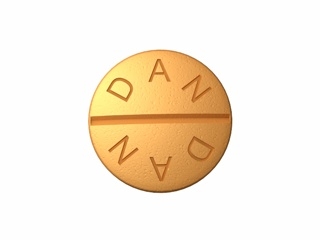
Allopurinol (Tablets) — Patient Information for the UK
Allopurinol is a medicine used to lower high levels of uric acid in the body. Uric acid can build up in the blood and form painful crystals in joints (gout) or stones in the kidneys. Allopurinol helps prevent new attacks and complications by reducing uric acid production.
This guide is written to be clear and patient-friendly. It covers what allopurinol does, how it works, how it is absorbed and processed by the body, typical uses, dosing considerations, food and alcohol interactions, practical tips, and common questions—tailored for the United Kingdom.
Basic product information
| Feature | Information |
|---|---|
| Active ingredient | Allopurinol |
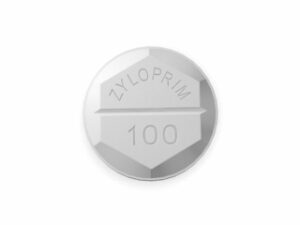
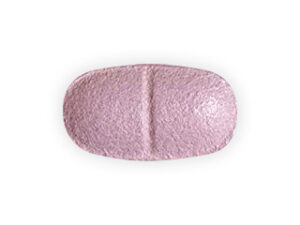
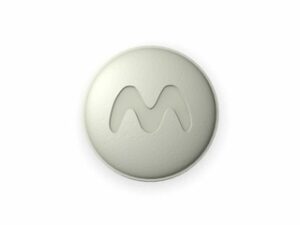
| Medicinal form | Tablets (strengths vary by brand/generic) |
| Common purpose | Prevents and reduces high uric acid levels (hyperuricaemia), gout and urate stones |
| How it’s taken | By mouth once or divided daily doses, typically long-term |
| Onset | Uric acid levels fall gradually; effects on gout prevention are not immediate |
What allopurinol is for (indications)
Allopurinol is used when your body produces too much uric acid or your kidneys do not remove enough. Common UK indications include:
- Gout: prevention of gout flares and reduction of urate levels.
- Urate (gout) kidney stones: prevention of recurrent stones.
- Chronic hyperuricaemia associated with recurrent gout or urate stones.
- Other high uric-acid states under specialist care, for example some conditions causing rapid cell breakdown (to be managed according to clinical protocols).
Important: allopurinol is a long-term urate-lowering treatment. It is not used as a fast pain-relief medicine for a sudden acute gout attack.
How allopurinol works (mechanism of action)
Allopurinol works by blocking an enzyme called xanthine oxidase. This enzyme helps your body produce uric acid from smaller substances (purines).
By inhibiting xanthine oxidase, allopurinol:
- reduces the production of uric acid
- lowers uric acid in the blood (serum urate)
- helps dissolve and prevent formation of urate crystals over time
As uric acid decreases, the risk of future gout attacks and kidney stone formation falls.
Pharmacokinetics (how the body handles allopurinol)
Understanding pharmacokinetics can help explain why timing and regular use matter. Key features include:
- Absorption: Allopurinol is absorbed after oral administration.
- Metabolism: Most allopurinol is converted in the body to oxypurinol, a long-acting active metabolite.
- Distribution: Oxypurinol contributes significantly to the urate-lowering effect.
- Elimination: Both allopurinol and oxypurinol are cleared mainly through the kidneys.
- Half-life: Oxypurinol lasts longer than the parent drug, which supports once-daily dosing in many patients.
Because clearance is largely renal (kidney-related), doses often need adjustment in people with kidney impairment.
Typical use and timing
How to take it
- Take allopurinol once daily, or in divided doses if advised by your clinician.
- Try to take it at the same time each day to maintain steady effects.
- If you forget a dose, take it when you remember unless it is close to the next dose—follow your usual missed-dose guidance and avoid doubling.
When you’ll notice benefits
- Uric acid lowering: usually begins within days, but it may take weeks to reach target levels.
- Gout prevention: flares may still occur when starting or increasing dose because crystals can shift. Preventive measures are often used early (commonly with other medicines) according to clinical advice.
- Long-term stability: consistent dosing over time helps reduce flare frequency and complications.
Food interactions
For most people, allopurinol can be taken with or without food. However, the following points are helpful:
- No major food prohibition is typically required.
- Hydration: Drink enough fluids to help reduce risk of kidney stone formation, unless your doctor has restricted fluid intake.
- Uric-acid friendly lifestyle: While not an interaction in the strict sense, diet can influence urate levels. A reduced-purine and balanced diet may help alongside medication.
If you are on specific dietary guidance for gout or kidney disease, follow that advice first.
Alcohol and medicine interactions
Alcohol can worsen gout for some people by increasing uric acid levels and provoking inflammation. While moderate alcohol may be tolerated by some individuals, the general recommendation for gout is to limit alcohol—especially:
- Beer and spirits tend to be more problematic for some people due to purines/alcohol effects.
- Binge drinking increases the risk of gout flare-ups.
Regarding direct drug–drug interactions, allopurinol itself has a number of important medicine interactions (see below). Alcohol does not usually have a single, universal “dangerous interaction” with allopurinol, but it can increase flare risk and may worsen overall control of symptoms.
Practical tip: If you notice flares after alcohol, try to identify triggers and discuss a safe level with your clinician.
Key medicine interactions
Tell your pharmacist or clinician about all medicines you take, including over-the-counter products and supplements. Some interactions relevant to UK patients include:
- Azathioprine and mercaptopurine: Allopurinol can significantly increase levels of these medicines. Dose adjustments or alternative strategies are often required.
- Warfarin: Monitoring may be needed because allopurinol may affect warfarin effects in some people.
- Medicines for diabetes (e.g., chlorpropamide): Your clinician may monitor for increased effect.
- Diuretics: Some “water tablets” (especially thiazides and loop diuretics) may affect urate control and dose decisions.
- Ampicillin or amoxicillin: Rashes may be more likely when used together.
- Other urate-lowering medicines: Combining therapies may require careful planning to avoid side effects.
This is not a complete list. Always check interactions when starting, stopping, or changing any medicine.
Dosing in the UK (general guidance)
Dosing varies based on your uric acid level, symptoms (gout vs stones), and kidney function. Clinicians typically use a “start low and go slow” approach to reduce the risk of side effects and early flare-ups.
Typical dosing approach
- Starting dose: often low, especially if kidney function is reduced.
- Up-titration: the dose is gradually increased at intervals until target urate levels are reached.
- Maintenance dose: once stable, many people remain on a lower maintenance dose that keeps serum urate controlled.
Kidney impairment and dose adjustment
Because oxypurinol is cleared mainly by the kidneys, people with impaired kidney function usually need lower doses and closer monitoring.
Monitoring
- Serum urate: used to guide dose increases and confirm control.
- Kidney function tests (e.g., creatinine/eGFR) and liver function tests may be monitored.
- Blood counts may be checked in some situations.
Follow the dosing plan provided by your healthcare professional. Do not change the dose on your own.
Safety profile and important warnings
Most people take allopurinol without serious problems, but it has a known risk of certain side effects. Seek medical advice promptly if you experience concerning symptoms.
Common or less serious side effects
- Nausea or stomach upset
- Skin rash (mild rashes can occur, but some rashes can be serious)
- Headache or general malaise
Serious skin reactions (urgent)
Severe hypersensitivity reactions affecting the skin and organs can occur rarely. These can include conditions such as Stevens–Johnson syndrome or DRESS (Drug Reaction with Eosinophilia and Systemic Symptoms). These are medical emergencies.
Stop taking allopurinol and seek urgent medical help if you develop:
- a widespread skin rash, blistering, or peeling skin
- fever
- swollen glands
- mouth sores
- facial swelling or difficulty breathing
- unwell feeling with rash (especially if rapidly worsening)
Allopurinol hypersensitivity syndrome
This rare but serious reaction may include fever, rash, kidney and liver involvement, and blood count abnormalities. People with certain risk factors may be monitored more closely.
Who may be at higher risk?
- People with kidney impairment
- People taking thiazide diuretics (sometimes associated with higher risk)
- Certain genetic predispositions (in some populations) may increase risk
In the UK, healthcare teams may consider genetic risk assessment in selected cases, especially if there is a history of adverse reactions. Ask your clinician whether testing is appropriate for you.
Blood, liver and kidney effects
Rarely, allopurinol can affect blood cells or liver function. If you have symptoms such as unusual bruising, persistent sore throat, jaundice, or severe fatigue, seek prompt advice.
Practical use tips (making treatment easier)
- Be consistent: take it daily as directed even if you feel well.
- Expect early changes: some people experience gout flares when starting or increasing dose. Don’t stop the medicine because of a flare—contact your clinician for advice.
- Use reminders: alarms or weekly pill organiser boxes can help avoid missed doses.
- Hydrate: adequate water intake supports kidney health and may help prevent urate stones.
- Keep follow-up appointments: blood tests and urate targets guide the dose.
- Track triggers: note alcohol intake, diet patterns, and flare timing to discuss with your clinician.
Alternatives to allopurinol
If allopurinol is not suitable due to side effects, interactions, or insufficient control, clinicians may consider alternatives. Options may include:
- Febuxostat: another urate-lowering medicine, sometimes used if allopurinol isn’t tolerated.
- Uricosurics (medicines that increase uric acid excretion) in select cases, depending on kidney function and clinical factors.
- For acute gout flares: other medicines are used to relieve inflammation and pain (these do not lower urate on their own).
- Lifestyle and diet measures: can support urate control alongside medication.
The best choice depends on your medical history, kidney function, cardiovascular risk, and prior responses. Discuss options with a healthcare professional.
Market and legal context in the UK
In the UK, allopurinol is a well-established medicine used for long-term urate lowering in gout and related conditions. Availability may include both branded and generic formulations.
Medicines in the UK are regulated by the Medicines and Healthcare products Regulatory Agency (MHRA). Online pharmacy supply is designed to comply with UK medicines regulations, including appropriate patient safety checks and provision of manufacturer-approved information.
If you are accessing allopurinol online, the supplier should provide clear dosing instructions, safety information, and support for any concerns before and after purchase.
Recent guidance and clinical approach (UK context)
Clinical management of gout typically focuses on:
- Targeting serum urate and using treat-to-target strategies where appropriate.
- Starting low and titrating slowly to reduce side effects.
- Preventing early flares when starting urate-lowering therapy, as flare frequency can temporarily increase.
- Reviewing kidney function and dose appropriately.
- Long-term adherence to maintain urate control and prevent complications.
Healthcare decisions may be influenced by evolving national/international recommendations and individual risk factors. Your clinician can explain how these principles apply to you.
Delivery and availability (online pharmacy)
Availability can vary depending on the strength and quantity you choose. Many UK pharmacies can supply standard strengths of allopurinol as stock allows, while some sizes may be subject to ordering times.
- Dispatch timing: depends on stock and courier schedules.
- Delivery options: some suppliers offer standard and faster delivery services.
- Packaging: medicines are shipped in appropriate child-resistant outer packaging when required.
- Tracking: tracking information may be provided for some delivery methods.
If you need a specific strength or unusual quantity, it’s helpful to check expected delivery times on the website before placing your order.
FAQ — Frequently asked questions
1) Does allopurinol treat a sudden gout attack?
No. Allopurinol lowers uric acid over time and helps prevent future attacks. For an acute gout flare, other medicines are usually used to reduce pain and inflammation. If you’re experiencing a flare, contact your clinician or pharmacist for appropriate guidance.
2) How long does it take for allopurinol to work?
Serum urate can begin to drop within days, but reaching target levels often takes weeks. Gout flare frequency should improve gradually over time with consistent use.
3) Can I stop taking allopurinol once I feel better?
Stopping often allows uric acid levels to rise again, increasing the risk of new flares and complications. Most people need long-term therapy. If you want to stop or switch, discuss it first with a healthcare professional.
4) What should I do if I miss a dose?
Take it when you remember unless it is close to the next scheduled dose. Avoid taking a double dose to make up for the missed tablet. If you’re unsure, ask a pharmacist.
5) Is allopurinol safe if I have kidney disease?
It can be used, but dosing must be adjusted and monitored carefully. Because kidney function affects clearance, your clinician may start with a lower dose and monitor blood tests more closely.
6) Are there foods I should avoid?
There is no universal “forbidden food” list due to drug interactions, but gout triggers vary by person. Many people benefit from reducing high-purine foods and staying well hydrated. A diet plan tailored to you may be recommended by a clinician or dietitian.
7) Can I drink alcohol while taking allopurinol?
Alcohol can trigger gout flares in some people. If you drink, keep it modest and avoid binge drinking. If you notice alcohol reliably precedes flares, limiting or avoiding it may help.
8) What are the signs of a serious allergy or skin reaction?
Seek urgent medical help for severe rash, blistering, peeling skin, fever, facial swelling, mouth sores, or breathing difficulties. These can be signs of rare but serious reactions.
9) Will I need blood tests?
Often, yes. Blood tests help confirm that serum urate is controlled and that kidney and liver function remain stable. This supports safe dose adjustments over time.
10) What if I’m taking other medicines?
Allopurinol can interact with several medicines, including some used for cancer/immune conditions and certain antibiotics. Always check interactions with a pharmacist—especially if you’re starting a new medicine.
Important: This information is designed to support understanding. It does not replace advice from a healthcare professional. If you have symptoms of a gout flare, side effects, or concerns about your treatment, seek medical advice promptly.