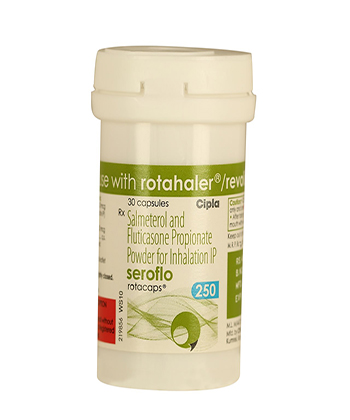
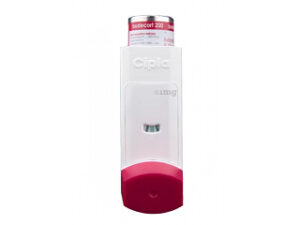
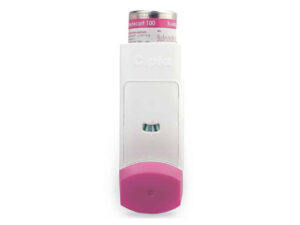
Advair Rotahaler (Fluticasone propionate) – Patient Information (UK)
Advair Rotahaler is an inhaled medicine used to help control long-term respiratory conditions, most commonly asthma and sometimes COPD depending on the exact product strength and regimen. It contains fluticasone propionate, a corticosteroid that works directly in the airways to reduce inflammation and improve breathing over time.
This page explains how Advair Rotahaler works, how to use it safely and effectively, key interactions, and practical tips to get the best results. It is written for people in the United Kingdom and uses general information that may apply to your product.
1. Basic product information
- Brand name: Advair Rotahaler
- Active ingredient: Fluticasone propionate
- Medicinal form: Dry powder inhaler (DPI) with a Rotahaler device (blister-based dose mechanism)
- Medicine type: Inhaled corticosteroid (ICS)
- What it does: Reduces airway inflammation
Important note: In the UK, the exact strengths and combinations available may vary. Always check your specific inhaler label and your pharmacy instructions for the correct dose.
2. How Advair Rotahaler works (mechanism of action)
Fluticasone propionate is an anti-inflammatory steroid designed to act in the lungs. In asthma and other inflammatory airway conditions, the airways can become swollen and overly reactive. This leads to symptoms such as wheeze, coughing, shortness of breath, and chest tightness.
When you inhale fluticasone:
- It binds to glucocorticoid receptors in cells lining the airways.
- It helps reduce the release of inflammatory chemicals.
- It decreases immune cell activity in the airway walls.
- It helps prevent airway inflammation from worsening, which can reduce flare-ups (exacerbations) and improve day-to-day control.
How fast it works: The medicine is not a “reliever.” You usually notice gradual improvement over days, with fuller benefit often taking 1–2 weeks or longer for stable control, depending on your condition.
3. Pharmacokinetics (how the body handles the medicine)
Pharmacokinetics describes what the body does to a medicine after administration. For inhaled fluticasone, the key points include:
- Absorption: After inhalation, part of the dose deposits in the lungs. Some may be swallowed and then processed by the digestive system.
- Distribution: Inhaled corticosteroids can enter the bloodstream, but systemic exposure is generally lower than with tablets, especially when used correctly.
- Metabolism: Fluticasone is mainly broken down by the liver enzyme system, particularly CYP3A4.
- Excretion: Metabolites are cleared primarily via bile and stool (with small contributions from kidneys).
Clinical relevance: Because fluticasone is metabolised by CYP3A4, medicines that strongly affect this pathway can increase or alter fluticasone levels—see the interaction section below.
4. Typical uses and indications (what it’s for)
Advair Rotahaler (fluticasone propionate) is used to prevent and control symptoms of inflammatory airway disease. Depending on local product approvals, it may be indicated for:
- Asthma (maintenance/control): helping reduce symptoms and reduce the risk of exacerbations.
- COPD: in selected patients where inhaled corticosteroid therapy is appropriate (often as part of a broader inhaler strategy).
What it is not for: An inhaled corticosteroid is not intended for rapid relief during sudden attacks. A separate reliever inhaler (e.g., a short-acting bronchodilator) is typically used for sudden symptoms, according to your care plan.
5. Timing and how to take it
Advair Rotahaler is usually taken as a regular maintenance medicine.
- Consistency matters: Use it at the times prescribed even if you feel well.
- Typical schedule: Many regimens are taken once or twice daily depending on the strength and your condition—follow your specific instructions.
- Best routine: Choose times that fit your daily life (for example, morning and evening), and set reminders if helpful.
After inhaling: Rinse your mouth and spit out (do not swallow) if your clinician/pharmacist advises this for your product. This can help reduce the risk of oral thrush and hoarseness.
6. Do you need to take it with food?
Food interactions: Because Advair Rotahaler is inhaled, food does not usually have a direct effect on how it works. For swallowed portions, stomach content may have minimal impact compared with tablet formulations.
Practical advice: You can generally take your dose with or without food. Keep your dosing times consistent.
7. Alcohol and medicine interactions
Alcohol
Alcohol: There are no specific, direct interactions between fluticasone inhalers and occasional moderate alcohol use. However, it’s important to consider that alcohol can sometimes worsen breathing comfort in some people (for example, by affecting sleep or airway sensitivity). If you notice that alcohol affects your symptoms, discuss adjustments with your healthcare professional.
Medicines that may interact with fluticasone
Fluticasone is metabolised mainly by CYP3A4. Some medicines can raise fluticasone levels, increasing the risk of systemic effects (such as steroid-related side effects).
Be especially careful with:
- Strong CYP3A4 inhibitors (examples include some medicines used for fungal infections and certain HIV treatments). These may increase fluticasone exposure.
- Other corticosteroids (including tablets, injections, or steroid nasal sprays). Combined steroid exposure may increase side effects.
- Some antibiotics/antifungals that can influence CYP3A4 activity (your pharmacist can advise based on your personal medicines).
- Other inhalers containing corticosteroids if used alongside (to avoid duplicating steroid doses).
Always inform your pharmacist about all medicines you take, including non-prescription products and herbal remedies. If you’re prescribed a medicine that might interact, your pharmacist or prescriber may monitor you more closely or adjust your regimen.
8. Dosing (general guidance)
Dose varies depending on your age, diagnosis, symptom severity, and whether you are using other inhalers. The safest and most accurate approach is to follow the dose printed on the packaging or provided by your clinician.
General principles:
- Start at the dose prescribed for you and do not change it without advice.
- Do not increase the dose to “catch up” if you miss a dose—follow your inhaler plan or pharmacy advice.
- If you are not getting control, it may be due to technique, adherence, or the need for an updated treatment plan—seek advice.
Missed dose (general advice):
- If you miss a scheduled dose, take it when you remember unless it is close to the next dose.
- Do not take double doses.
- If you’re unsure, ask your pharmacist.
Children and adolescents: Dosing must be tailored carefully. If the inhaler is for a child, ensure the device technique is taught and supervised as appropriate.
9. Safety profile and side effects
Like all medicines, Advair Rotahaler can cause side effects. Many people tolerate inhaled fluticasone well, especially when used correctly at the lowest effective dose. Report any worrying symptoms to a healthcare professional promptly.
Common side effects
- Hoarseness (voice changes)
- Throat irritation
- Oral thrush (white patches in the mouth) – risk may be reduced by rinsing your mouth after inhalation
- Cough or mild airway irritation after using the inhaler
Less common but important effects
- Systemic corticosteroid effects (more likely with higher doses and long-term use, or when interacting medicines increase levels). Examples may include effects on adrenal function, bone density, skin thinning, or growth suppression in children.
- Eye problems (e.g., cataracts or glaucoma) are more associated with long-term systemic steroid exposure, but persistent high exposure should be discussed with your clinician.
- Hypersensitivity reactions such as rash, swelling, or breathing difficulty (seek urgent advice).
When to seek urgent help
Get medical help urgently if you experience:
- Severe allergic symptoms (swelling of face/lips, widespread rash, severe breathing difficulty)
- Sudden worsening breathlessness that does not respond to your reliever inhaler
- Signs of severe infection or persistent fever
How to reduce side-effect risk
- Use correct inhalation technique (a key factor for effective delivery to the lungs)
- Rinse and spit after each dose (if advised for your product)
- Use the lowest effective dose for good control
- Tell your clinician if you develop thrush or frequent infections
10. Practical use tips (device technique and troubleshooting)
Inhaler technique strongly affects how much medicine reaches your lungs. With a Rotahaler-type device, it’s important to follow the steps described for your specific product. The steps below are general and may not match every version—always check the instructions included in your box and follow the guidance provided by your pharmacy.
General technique checklist
- Prepare: Get the Rotahaler ready as instructed. Make sure the device is clean and dry.
- Breathe out fully: Before inhaling the dose, breathe out away from the device (do not blow into it).
- Seal lips firmly: Create a good seal around the mouthpiece.
- Inhale firmly and deeply: Many dry powder inhalers require a strong inhalation to draw the powder into the airways.
- Hold your breath: Hold for several seconds if you can, then breathe out gently.
- Check the dose counter/indicators: Some devices show whether doses remain or confirm administration.
If you have symptoms despite regular use
Common reasons include poor technique, missed doses, or needing an updated plan. Consider:
- Could your inhaler technique have changed?
- Are you using your reliever correctly for sudden symptoms?
- Are you experiencing triggers (allergens, smoke, cold air, exercise, infections)?
- Are you experiencing side effects like thrush that may affect comfort and adherence?
Tip: If possible, ask your pharmacist, nurse, or GP practice to check your inhaler technique periodically.
11. Alternative options (if you cannot use Advair Rotahaler)
Several inhaled medicines and device types may be used for asthma or COPD management. Alternatives depend on your diagnosis, severity, and whether you need a single inhaler or a combination of medicines.
Possible alternatives include:
- Other inhaled corticosteroids (ICS) from different brands
- ICS/LABA combinations (an inhaled steroid plus a long-acting bronchodilator), often used for better symptom control in asthma and some COPD cases
- Nebulised treatments for people who cannot use inhalers effectively (chosen in specific cases)
- Different inhaler devices (metered-dose inhalers, breath-actuated devices, or different DPI designs) if your technique or coordination is a barrier
Important: Do not switch medicines or doses without professional advice, because delivery and dose equivalence may differ between products.
12. Market and legal context in the UK
Medicines in the UK are regulated to ensure quality, safety, and effectiveness. Inhaled medicines like fluticasone are commonly used within the framework of national guidance and prescribing practices.
- Regulation: UK medicines are assessed and monitored according to regulatory standards.
- Clinical guidance: Asthma and COPD management in the UK is guided by evidence-based recommendations used by healthcare professionals.
- Supply: Availability can be affected by manufacturing schedules and demand. Pharmacies may offer suitable alternatives where appropriate.
Recent guidance (general overview): UK clinicians continue to emphasise correct inhaler technique, adherence to controller therapy, regular review, and stepping treatment up or down based on symptoms and exacerbation risk. For many patients, reducing the need for frequent urgent reliever use and improving long-term control remains a priority.
13. Delivery and availability (online pharmacy UK)
Availability of specific strengths and pack sizes can vary. If your preferred product is temporarily out of stock, your online pharmacy may offer:
- Equivalent alternatives where suitable
- Delivery scheduling updates
- Guidance on how switching affects dosing and technique
Delivery: Many UK online pharmacies offer home delivery. Delivery times and fees depend on the supplier and service level. Ensure you provide accurate delivery details.
Storage: Keep your inhaler in a safe place, typically at room temperature, away from direct heat and moisture. Follow the storage instructions on the pack.
14. Frequently Asked Questions (FAQ)
1) Is Advair Rotahaler a reliever or a preventer?
Advair Rotahaler (fluticasone) is a controller/preventer. It helps reduce airway inflammation over time. For sudden symptoms, you usually need a separate reliever inhaler as part of your asthma/COPD plan.
2) How soon will I feel better?
Some improvement may occur within a few days, but full benefit often takes 1–2 weeks or longer. If you don’t notice improvement after the expected period, speak to your pharmacist or GP.
3) Can I stop taking it when I feel well?
Do not stop suddenly without advice. Controller inhalers help keep symptoms under control. Stopping can increase the risk of flare-ups. If a step-down is appropriate, it should be planned with your healthcare professional.
4) What should I do if I miss a dose?
Take it when you remember unless it is close to the next dose. Do not take double doses. If unsure, ask your pharmacist.
5) How do I prevent thrush?
Rinse your mouth with water and spit out after inhaling (unless your clinician/pharmacist advises otherwise). Use the inhaler correctly and seek advice if symptoms of thrush occur.
6) What if my inhaler feels blocked or doesn’t seem to work?
Check the device and follow the manufacturer’s instructions. Technique is also essential with dry powder inhalers. If problems continue, contact your pharmacist for troubleshooting or replacement guidance.
7) Can I use it alongside other inhalers?
Many people use multiple inhalers. It’s important to know the role of each (controller vs reliever). If you’re unsure about timing between different inhalers, ask your pharmacist for a personalised schedule.
8) Are there any alcohol restrictions?
No specific restrictions are typically required for fluticasone inhalers. However, alcohol may worsen breathing comfort in some individuals. If alcohol triggers symptoms, discuss alternatives and symptom management.
9) What medicines can interact with fluticasone?
Medicines that strongly affect CYP3A4 can raise fluticasone levels. This includes some medicines used for fungal infections and some antiviral treatments. Tell your pharmacist about all medicines and supplements you use.
10) Can children use Advair Rotahaler?
Children may use inhaled fluticasone depending on their condition and prescribed regimen. Technique and correct dosing are crucial. Seek guidance from your child’s healthcare professional, and ensure regular review.
15. Summary
Advair Rotahaler (fluticasone propionate) is an inhaled corticosteroid used to help control long-term inflammatory airway conditions such as asthma and—depending on the regimen—COPD. It works by reducing inflammation in the airways and helping prevent symptoms and flare-ups. Because it’s a controller medicine, it is taken regularly rather than for rapid relief.
To get the best results, use the inhaler at the prescribed times, follow the correct inhalation technique, and discuss side effects—especially thrush or persistent symptoms. If you have questions about interactions or alternatives, your UK pharmacy team can help.
Always read the patient information leaflet supplied with your medicine and follow professional advice tailored to your specific condition.