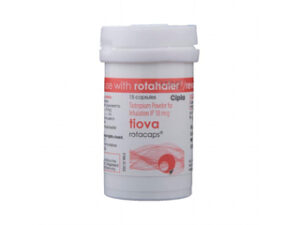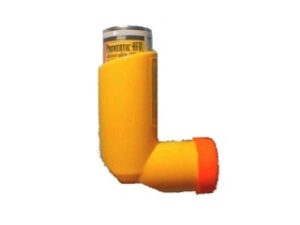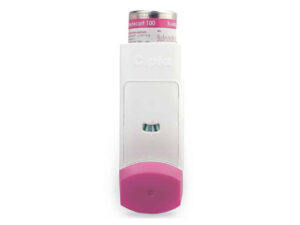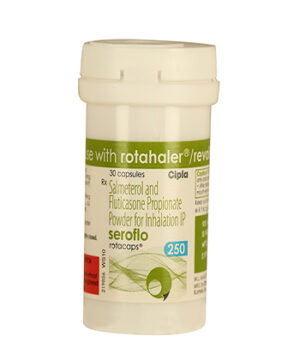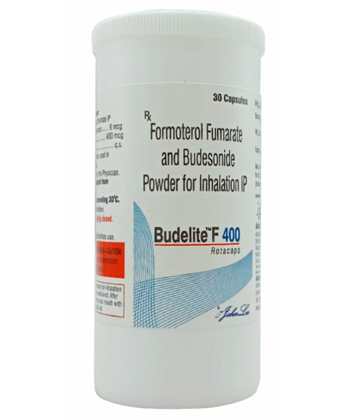
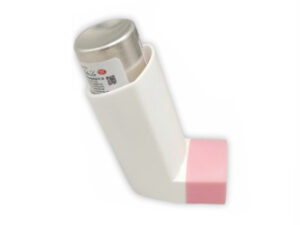
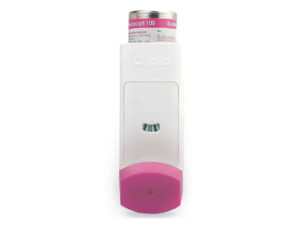
Budesonide Formoterol Rotacaps (Rotacap inhaler) – Patient-Friendly Guide (UK)
Budesonide Formoterol Rotacaps are inhaled medicines used to control asthma symptoms and help prevent flare-ups. They combine: budesonide (an inhaled corticosteroid that reduces airway inflammation) and formoterol (a fast-acting long-acting bronchodilator that helps keep airways open).
This page is designed to explain how the medicine works, how to use it correctly, key safety points, and practical information for people in the United Kingdom.
1) Basic product information
| Feature | What to know |
|---|---|
| Common name | Budesonide / Formoterol |
| Medicine type | Inhaled combination controller/reliever (ICS + LABA) depending on prescribed use |
| How it’s taken | Inhalation using a Rotacap-compatible device (dry powder capsule inhalation) |
| Why it’s used | To improve breathing, reduce inflammation, and prevent asthma symptoms |
| Typical NHS focus | Asthma control and reducing the risk of exacerbations; exact regimen varies |
Note: Product strengths and dosing schedules differ between brands and formulations. Always follow the dosing instructions provided for your specific Rotacap strength and your inhaler device.
2) What’s inside and how it works (mechanism of action)
Budesonide (inhaled corticosteroid, ICS)
Budesonide helps reduce inflammation in the airways. Over time, it can:
- lower swelling and irritation inside the bronchial tubes
- reduce mucus production
- make airways less “twitchy,” leading to fewer symptoms and attacks
Formoterol (long-acting beta2-agonist, LABA)
Formoterol relaxes the smooth muscle around the airways via beta2 receptors, helping to open the airways. It:
- improves airflow and reduces breathlessness
- works quickly (formoterol has a fast onset) while also providing longer bronchodilation
Together, budesonide + formoterol provide both anti-inflammatory control (budesonide) and bronchodilator relief (formoterol), supporting better day-to-day asthma control.
3) What is it used for? (indications)
Budesonide formoterol Rotacaps are used in the treatment of asthma in people whose symptoms are not adequately controlled with simpler treatment. The specific regimen depends on the severity of asthma and local clinical guidance.
Your healthcare team may consider combination therapy if you need:
- regular control of symptoms such as wheeze, cough, chest tightness or shortness of breath
- to reduce the risk of asthma exacerbations
- better long-term control than with an inhaled corticosteroid alone (for some people)
4) How quickly does it work? Timing and when to take it
Inhaled corticosteroids like budesonide generally improve control gradually. Bronchodilators like formoterol act more quickly.
- Onset: Formoterol can start working within minutes, helping symptoms such as breathlessness.
- Longer-term benefit: Budesonide’s anti-inflammatory effect typically improves control over days to weeks.
- Consistency matters: Even when you feel better, regular use helps maintain control and reduces flare-ups.
Typical timing is usually once or twice daily, depending on the prescribed strength and regimen. If your regimen includes “symptom relief” doses in addition to maintenance, follow the exact written plan you’ve been given.
Important: If you experience sudden severe breathlessness, wheezing, or an asthma attack, you may need a separate fast-acting reliever inhaler (commonly a short-acting beta2-agonist). Your plan should state what to use in an emergency.
5) Pharmacokinetics (how the body processes it)
Because this medicine is inhaled, most of the drug acts in the lungs. Small amounts are absorbed into the bloodstream after inhalation.
Budesonide
- Primarily acts locally in the airways.
- After absorption, it is metabolised mainly by the liver (CYP3A4 pathways).
- Elimination occurs through metabolic breakdown products, which are cleared by the body.
Formoterol
- Acts locally in the airways to relax bronchial muscle.
- Systemic absorption can occur; metabolism and elimination follow normal drug-processing routes.
Clinical relevance: The most important practical point is that some medicines can affect metabolism (see “Interactions” sections below), and correct inhalation technique helps deliver the intended dose to the lungs.
6) Food interactions
Generally, no significant food interactions are expected with inhaled budesonide and formoterol. Because the medicines are delivered directly to the lungs, food does not typically affect absorption in a clinically meaningful way.
However:
- If your stomach is upset due to other reasons, it may affect adherence. Taking your inhaler as prescribed and maintaining your routine is usually best.
- If you are using multiple medicines, it’s still wise to check for interactions on an individual basis.
7) Alcohol interactions
There are no well-established direct interactions between alcohol and budesonide/formoterol inhalation.
That said, alcohol can still indirectly affect asthma for some people:
- Alcohol may trigger symptoms in some individuals.
- Drinking may worsen dehydration or sleep quality, which can indirectly affect breathing control.
- Heavy alcohol intake can impair judgement—making it easier to miss doses or ignore warning signs.
If you notice that alcohol worsens wheeze or breathlessness, discuss it with your clinician.
8) Other medicine interactions (important safety section)
Some medicines can change the effect or risk of side effects. Tell a pharmacist or GP if you take other medicines regularly, including tablets, eye drops, nasal sprays, and over-the-counter products.
Potential interaction categories
- Beta-blockers (including some eye drops): can reduce the bronchodilator effect of formoterol. Some asthma medicines need careful selection of beta-blocker type.
- Other LABAs or frequent reliever use: increased risk of side effects such as palpitations or tremor if total bronchodilator exposure becomes too high.
- Medicines affecting liver enzymes (CYP3A4): may increase blood levels of budesonide. Examples can include certain antifungals and some antibiotics; your pharmacist can help check specifics.
- Diuretics (“water tablets”) and other medicines that lower potassium: formoterol can rarely contribute to lower potassium; low potassium can increase the risk of abnormal heart rhythms in susceptible people.
- Long-term steroids or frequent steroid bursts: your doctor may adjust monitoring if you’re using multiple steroid sources.
Practical advice
- Keep an up-to-date list of your medicines.
- Ask your pharmacist to check interactions when starting new medicines.
- Do not stop or change doses without clinical advice.
9) Dosing guidance (general information for UK patients)
Dose schedules vary depending on your asthma severity, previous treatment, and the specific product strength. Always follow the instructions on your medicine label and any asthma action plan.
Common approaches include:
- Maintenance use: regular doses at set times to keep asthma controlled.
- Maintenance-and-reliever strategies (where appropriate): some regimens use formoterol-containing inhalers for both daily control and symptom relief, but you must follow your plan exactly.
If you miss a dose:
- Take it when you remember if it’s not near the next dose.
- If it is almost time for the next dose, skip the missed dose.
- Do not take a double dose to make up for the missed one.
Seek medical advice urgently if symptoms worsen rapidly, you need more reliever than usual, or you are not improving with your prescribed rescue steps.
10) Safety profile and side effects
Common side effects
Side effects vary between people. Contact a healthcare professional if side effects persist or bother you.
- Tremor (shakiness)
- Headache
- Hoarseness or voice changes
- Throat irritation
- Oral thrush (fungal infection in the mouth)
- Palpitations or a racing heart (uncommon but important)
How to reduce thrush and throat issues
- Rinse your mouth with water and spit after inhaling (unless your clinician says otherwise).
- Use correct inhalation technique to deposit medicine effectively in the lungs.
Serious or urgent warning signs
Get urgent medical help if you experience:
- severe or worsening breathing difficulty
- chest pain, fainting, or severe dizziness
- signs of an allergic reaction (swelling of lips/face, rash, severe itching, trouble breathing)
- unusual heart rhythm symptoms (strong palpitations that don’t settle)
Special populations
- Children: dosing and technique are critical—follow the child’s prescribed regimen and training.
- Pregnancy and breastfeeding: many people require continued asthma control during pregnancy; discuss risks/benefits with your clinician.
- Older adults: may be more sensitive to beta-agonist effects; regular review is helpful.
This medicine contains active ingredients that may affect adrenal function if used at high doses or for prolonged periods. Your clinician may monitor you if you need higher-strength treatment.
11) Practical use tips (Rotacap technique and routine)
Correct inhalation technique helps you get the right dose in your lungs and reduces side effects. Rotacap inhalation involves placing a capsule into a compatible device and inhaling the powder.
Step-by-step technique (general)
- Check the capsule: it should be intact and not damaged.
- Load the capsule into the Rotacap inhaler device as shown in your device instructions.
- Prepare to inhale: breathe out fully away from the device.
- Inhale firmly: put the mouthpiece in place and inhale deeply and steadily to draw the powder into your airways.
- Hold your breath briefly (if you can) to allow deposition in the lungs.
- Check if capsule is empty. If powder remains, repeat inhalation according to device instructions.
- Discard capsule after use.
After each dose
- Rinse and spit to reduce the risk of thrush and hoarseness.
- Wipe the mouthpiece if needed and keep the device clean and dry.
Common mistakes to avoid
- Using the inhaler at a weak or shallow airflow (may leave medicine in the device).
- Not rinsing the mouth after inhalation.
- Taking doses at random times—consistency improves control.
- Stopping treatment because you feel better (inflammation can persist even when symptoms calm down).
12) Alternative options (what else might be used)
Alternatives depend on your asthma type, severity, current control, and personal preference (including inhaler technique and device compatibility).
Common categories of alternatives
- Inhaled corticosteroid alone (ICS) for milder or well-controlled asthma.
- ICS + another LABA with different dosing schedules and inhaler devices.
- Different inhaler devices (pMDI, breath-actuated, other dry powder inhalers) may suit some people better than Rotacaps.
- For some patients: add-on therapies may be considered by specialists (e.g., leukotriene receptor antagonists or biologic therapies for severe asthma).
If you struggle with technique, have frequent side effects, or find a different device easier, ask your pharmacist or clinician about suitable options.
13) UK market, legal and guidance context
In the United Kingdom, asthma management is supported by national guidance such as NICE (National Institute for Health and Care Excellence) and British Thoracic Society / Scottish Intercollegiate Guidelines Network documents. These emphasise:
- regular assessment of asthma control
- optimising inhaler technique
- using appropriate controller therapy to reduce exacerbations
- structured follow-up and review of treatment steps
Medicine availability and prescribing arrangements are regulated in line with UK medicines legislation and NHS processes. Your local pharmacy supply depends on the specific product strength and availability at the time of order.
Recent or current themes in guidance
- Increasing focus on personalised asthma action plans and proactive review.
- Encouraging stepwise therapy—start appropriately, then step up if not controlled and step down once stable (under clinical supervision).
- Attention to inhaler technique and adherence as core components of successful treatment.
Guidance can change over time. If you want the most up-to-date recommendations, your pharmacist can point you toward the latest trustworthy sources or discuss what applies to you.
14) Delivery and availability in the UK
Availability can vary by strength and stock levels. Online pharmacies in the UK may offer:
- Standard delivery and sometimes express options depending on location and stock.
- Trackable delivery for peace of mind.
- Discreet packaging.
Delivery times depend on supplier lead times and national courier schedules. If a specific strength is temporarily out of stock, the pharmacy may contact you with options such as alternative strengths/devices if clinically appropriate.
15) Safety checklist before you start (or continue)
- Confirm the correct strength and frequency match your labelled instructions.
- Make sure you understand the inhaler device you’re using.
- Check whether you need a separate reliever inhaler for sudden symptoms.
- Tell your pharmacist if you have heart rhythm problems, severe asthma attacks, or you take medicines that might interact (especially beta-blockers).
- Plan how you’ll manage missed doses and when to seek help if symptoms worsen.
16) FAQ
How do I use Budesonide Formoterol Rotacaps?
Use them with a Rotacap-compatible inhaler. Place a capsule in the device, inhale firmly and deeply, and hold your breath briefly if possible. Rinse and spit after each dose to reduce the risk of thrush.
Is it a steroid?
Yes. Budesonide is a corticosteroid (anti-inflammatory) delivered directly to the lungs. When inhaled at recommended doses, it is designed to minimise whole-body effects compared with oral steroids.
Will it stop asthma attacks immediately?
Formoterol can relieve symptoms quickly, but asthma control from budesonide builds over time. If you have a sudden severe attack, your emergency plan and reliever inhaler (if prescribed) should be followed.
What if my inhaler tastes unpleasant or feels different?
Some taste or sensation is normal. Ensure the capsule is seated correctly and inhale firmly. If you regularly notice unusual taste, persistent coughing during inhalation, or you suspect you’re not receiving the dose, speak to a pharmacist for technique checks.
Can I take it with other asthma medicines?
Many people use a combination of medicines. Your regimen may include a separate reliever inhaler. Always check interactions and dosing with your pharmacist, especially if you use other inhalers frequently.
How long should I use it?
Asthma is usually a long-term condition. Many people use controller therapy for extended periods. Your clinician may adjust the step of treatment based on how well your asthma is controlled over time.
Do I need to rinse my mouth after each dose?
Yes, it is recommended to rinse and spit after using inhaled corticosteroids to reduce thrush and hoarseness risk.
Can I drink alcohol while using it?
Direct interactions are not typically expected. However, alcohol may worsen asthma for some people. If you notice a pattern, reduce alcohol or discuss with your healthcare team.
Are there any signs I’m using too much or not controlling asthma?
Needing your reliever more often than usual, worsening nighttime symptoms, reduced ability to exercise, or symptoms that keep returning may mean control is slipping. Seek advice promptly so your treatment plan can be reviewed.
What should I do if I miss a dose?
Take it when you remember unless it’s close to the time for the next dose. Do not take extra doses to compensate for a missed one. If you’re unsure, ask a pharmacist.
Always consult a healthcare professional if you have questions about your asthma, inhaler technique, or any concerns about side effects or interactions. Accurate diagnosis and personal guidance are key to safe and effective asthma treatment.