Spironolactone
Spironolactone is a medicine used to treat certain conditions where the body retains salt and water, and where hormone-driven fluid retention and blood pressure issues may play a role. It is also used in some skin conditions where hormones contribute to symptoms. This guide is written for people in the United Kingdom and explains what spironolactone does, how it works, how to take it safely, and what to expect.
| Product name | Spironolactone |
|---|---|
| Common uses | Fluid retention (oedema), heart failure in selected patients, high blood pressure, and hormone-related conditions such as fluid-related swelling and certain acne in suitable cases |
| Medicinal type | Potassium-sparing diuretic; mineralocorticoid receptor antagonist; anti-androgen effect |
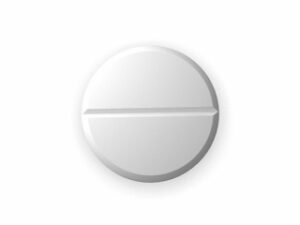
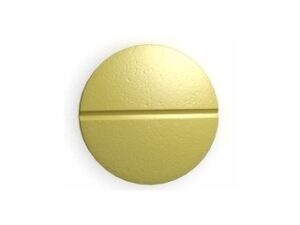
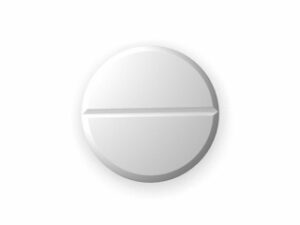
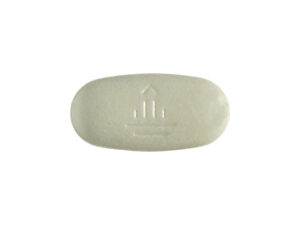
| Typical strengths | Available in various tablet strengths depending on brand/manufacturer |
| How it is taken | Orally (tablets). Usually once or twice daily depending on your regimen |
| Key safety issue | Risk of high potassium (hyperkalaemia), especially with kidney impairment or interacting medicines |
| Monitoring | Blood pressure and blood tests for potassium and kidney function may be needed |
Basic product information
Spironolactone belongs to a class of medicines called potassium-sparing diuretics. Unlike many other “water tablets” (diuretics) that cause the body to lose potassium, spironolactone helps the kidneys remove excess salt and water while helping to retain potassium. It also blocks the effects of certain hormones (androgens) at various sites, which contributes to its usefulness in some hormone-related conditions.
How spironolactone works (mechanism of action)
Spironolactone works mainly by blocking aldosterone, a hormone that signals the kidneys to hold onto sodium (salt) and water, and to excrete potassium. Spironolactone is an aldosterone antagonist. In the kidney’s tubules, this leads to:
- Less sodium and water reabsorption → more salt and water leave the body through urine.
- Less potassium loss → potassium is retained, but this can sometimes raise potassium levels.
- Reduced fluid retention in conditions where aldosterone contributes to swelling and congestion.
Spironolactone also has anti-androgen activity, which may help in certain skin conditions where androgen hormones contribute to symptoms (for example, some cases of acne in selected patients under medical care).
Pharmacokinetics: what the body does to the medicine
Understanding the “journey” of the drug can help you know what to expect from timing and effects.
- Absorption: Spironolactone is absorbed after oral administration. Taking it with food may improve tolerability and can help absorption for some people.
- Distribution: It is distributed throughout the body and can affect multiple systems due to its hormone-related actions.
- Metabolism: Spironolactone is metabolised in the liver, producing active metabolites that contribute to its overall effect.
- Onset and duration: Fluid-related effects may take time to develop; blood pressure effects can take days to weeks depending on the dose and condition.
- Elimination: Metabolites are removed mainly through urine and partly via faeces.
Practical takeaway: You may not feel an immediate “water-loss” effect, but the medicine’s benefits often build progressively as it works over time.
Typical uses and indications in the UK
Spironolactone is used for several conditions. The exact suitability depends on your medical history, kidney function, potassium level, and other medicines you may be taking.
1) Oedema (fluid retention)
In conditions where excess fluid collects in the body, spironolactone can help reduce swelling and fluid build-up by increasing the excretion of salt and water.
2) Heart failure (selected patients)
In some patients with heart failure, spironolactone may be used as part of a broader treatment plan. It helps counteract the hormonal pathway that worsens fluid retention and strain on the heart.
3) High blood pressure
Spironolactone may be used when blood pressure is difficult to control or when hormonal mechanisms contribute to elevated blood pressure. It is often part of combination therapy.
4) Hormone-related conditions (e.g., certain acne in selected patients)
Because spironolactone can reduce androgen effects, it may be used for hormone-driven acne in appropriate patients. Suitability depends on age, sex, hormonal status, and safety considerations.
How and when to take spironolactone (timing)
Follow the instructions provided by your healthcare professional and the medicine label. In general:
- Once or twice daily: Many regimens are once daily or split into morning and evening dosing.
- Try to take it at the same time each day to maintain stable levels.
- If you are advised to take it twice daily: Taking the second dose earlier in the evening may reduce disruption from urination.
- For fluid-related symptoms: You may notice changes in urination within the first day or two, but full benefit can take longer.
Missed dose: If you forget a dose, take it when you remember unless it is close to the next dose. Do not take a double dose to make up for a missed tablet. If you are unsure, ask your pharmacist.
Food and interaction with meals
Food can affect comfort and, for some people, the absorption of medicines.
- Taking spironolactone with food may help reduce stomach upset.
- Avoid excessive salt intake if you are taking spironolactone for fluid retention or blood pressure, as high salt can counteract benefit.
- Be mindful of potassium intake: Some foods are high in potassium (for example, certain fruit juices, bananas, dried fruit). Do not make major diet changes without checking with your clinician—especially if you have kidney disease.
Alcohol and medicine interactions
There is no single universal rule for alcohol with spironolactone, but several practical considerations apply:
- Alcohol may worsen dizziness or light-headedness in some people, particularly when starting treatment or when your blood pressure is reduced.
- Alcohol can affect hydration: if you drink heavily, you may increase the risk of dehydration, which can affect kidney function and potassium balance.
- Best practice: If you choose to drink alcohol, do so in moderation and avoid binge drinking. If you feel unwell, dizzy, or faint, seek advice.
Medicine interactions: important examples
Spironolactone can raise potassium levels, and this is where the most important interactions occur. Always tell a healthcare professional or pharmacist about all medicines and supplements you use.
1) Medicines that raise potassium
Combining spironolactone with other medicines that also increase potassium can raise potassium to unsafe levels.
- ACE inhibitors (e.g., lisinopril, enalapril)
- Angiotensin receptor blockers (ARBs) (e.g., losartan, candesartan)
- Direct renin inhibitors (e.g., aliskiren)
- Other potassium-sparing diuretics (e.g., amiloride, triamterene)
- Potassium supplements and salt substitutes (many contain potassium)
- Some anti-inflammatory medicines (NSAIDs) at times can affect kidney function and potassium balance
2) Lithium
Spironolactone can affect how lithium is eliminated by the body, potentially increasing lithium levels and risk of toxicity. If you take lithium, you should have close monitoring.
3) Digoxin and other medicines affected by electrolytes
Changes in potassium can affect how the heart responds to certain medicines such as digoxin. Monitoring and careful management are important.
4) Other blood pressure medicines
When taken with other antihypertensives, the blood pressure-lowering effect may be stronger. Your clinician may adjust doses.
5) Supplements and herbal products
Herbal and “natural” supplements can sometimes affect kidney function or electrolyte levels. If you’re unsure, check with a pharmacist before starting them.
Practical tip: Keep an up-to-date list of your medicines and take it to every consultation.
Dosing: what is typical?
Dosing depends on the condition being treated, kidney function, potassium levels, and the response to therapy. Your prescriber will choose a starting dose and may adjust it.
Typical approach:
- Start low and adjust gradually to reduce risk of high potassium and side effects.
- Regular monitoring of potassium and kidney function is common, especially after starting or changing the dose.
- For blood pressure, dose adjustments are often based on readings over time.
Important: Do not change your dose without medical advice. Taking more does not necessarily make it work faster and may increase the risk of harm.
Safety profile: who needs extra caution?
Spironolactone is generally well tolerated when used appropriately, but it has important safety considerations.
Key risk: hyperkalaemia (high potassium)
This is the most significant concern. High potassium can disturb heart rhythm and affect muscle function.
- Risk is higher if you have kidney impairment, diabetes with kidney disease, dehydration, or you take medicines that also raise potassium.
- Monitoring helps detect rising potassium early.
Symptoms of high potassium (seek medical advice urgently)
- Muscle weakness
- Numbness or tingling
- Unusual palpitations or slow/irregular heartbeat
- Severe fatigue
Other possible side effects
- Frequent urination (more likely when starting or increasing dose)
- Dizziness or light-headedness (especially with blood pressure reduction)
- Gastrointestinal upset such as nausea
- Headache
- Breast tenderness or enlargement (more common with anti-androgen effects)
- Changes in libido or sexual function
- Menstrual irregularities in some patients
When to get urgent medical help
Seek urgent advice if you experience symptoms that could indicate a serious electrolyte problem (especially concerning palpitations, fainting, or severe weakness), or signs of an allergic reaction such as swelling of the face/lips or difficulty breathing.
Practical use tips for everyday life
- Stay hydrated, but follow any fluid guidance given by your clinician (especially if you have heart failure).
- Be cautious with salt substitutes—many contain potassium.
- Use a consistent routine for dosing to help you remember.
- Track your symptoms such as swelling, breathlessness, blood pressure readings, or dizziness.
- Attend blood tests if advised. Monitoring is a key part of safe spironolactone use.
- Stand up slowly if you feel light-headed.
- Inform healthcare professionals (dentists, other prescribers, pharmacists) that you take spironolactone.
Alcohol, driving and “feeling dizzy”
If spironolactone makes you feel dizzy, avoid driving or operating machinery until you know how it affects you. Alcohol can make dizziness more likely in some people. If you are starting treatment or increasing the dose, be extra cautious.
Alternative options
Depending on what you are taking spironolactone for, other treatments may be considered. Alternatives include:
- Other diuretics (e.g., loop diuretics such as furosemide, or thiazide-like diuretics such as indapamide) — often used for fluid and blood pressure but they may affect potassium differently.
- Different hormone-targeting approaches for specific hormonal conditions (e.g., other treatments for acne may be used depending on patient suitability).
- Blood pressure combination therapy — different classes may be used to reach target readings with a tailored side-effect profile.
Note: Alternatives should be chosen based on your medical diagnosis, kidney function, potassium levels, and other medicines. Your pharmacist can help explain options available in the UK, while your clinician decides what is appropriate for you.
Market and legal context for the United Kingdom
In the UK, medicines including spironolactone are regulated to ensure quality, safety, and appropriate use. Availability may vary by brand, pack size, and strength. Online pharmacies operating in the UK typically supply medicines in line with relevant pharmaceutical and consumer protection regulations and provide guidance around proper storage, expiry dates, and safe use.
Key points for UK customers:
- Confirm the correct medicine name and strength before ordering.
- Keep tablets in their original packaging and store according to label instructions.
- Check expiry dates and avoid using medicines past their expiry.
Recent guidance and monitoring considerations
While recommendations can evolve, safe use of spironolactone in the UK commonly emphasises:
- Electrolyte monitoring (particularly potassium) and kidney function, especially after dose changes.
- Reviewing medicines that interact with potassium and kidney function (including NSAIDs, ACE inhibitors/ARBs, and potassium supplements).
- Individual risk assessment for hyperkalaemia, particularly in older adults or people with chronic kidney disease.
- Patient education about symptoms of electrolyte disturbances and when to seek urgent help.
Your prescriber and pharmacist will guide you on monitoring frequency. If you have kidney disease or other risk factors, monitoring may be more frequent.
Delivery and availability (UK online pharmacy)
Spironolactone may be available in multiple tablet strengths. Availability depends on the supplier, brand, and stock levels. When ordering online in the UK:
- Check your required strength and dosing schedule.
- Delivery times vary by service level and region—choose the delivery option shown at checkout.
- Packaging is typically plain and discreet, with clear labelling and patient information materials.
- Storage: store tablets in a cool, dry place away from sunlight, and keep out of reach of children.
If you need urgent medication: use the estimated delivery times displayed at checkout and consider contacting the pharmacy support team to confirm dispatch and delivery options.
FAQ
1) How long does it take for spironolactone to work?
For fluid retention and blood pressure, effects may begin within a few days, but noticeable benefit can take longer. Your clinician will judge response over time and may adjust dose based on blood tests and symptoms.
2) Will spironolactone make me pee more?
It can increase urine output because it helps the kidneys remove salt and water. However, the effect is often less dramatic than with some other diuretics. Timing of increased urination varies by person and dose.
3) Can I take spironolactone with food?
Often yes. Taking it with meals may help reduce stomach upset and can improve comfort. Follow your label instructions or your clinician’s advice.
4) Should I avoid potassium-rich foods?
You do not necessarily need to avoid all potassium-containing foods. However, if you have kidney disease or high potassium risk, you may need guidance tailored to your blood results. Avoid potassium supplements and potassium salt substitutes unless your clinician specifically advises them.
5) What medicines should I avoid while taking spironolactone?
Be cautious with medicines that raise potassium or affect kidney function—examples include potassium supplements, many salt substitutes, ACE inhibitors/ARBs, and some anti-inflammatory medicines (NSAIDs). Always confirm interactions with a pharmacist or prescriber.
6) Can I drink alcohol?
Moderate alcohol may be acceptable for some people, but alcohol can increase dizziness and contribute to dehydration. If you feel light-headed or unwell, avoid alcohol and seek advice.
7) What side effects are most common?
Common effects can include increased urination, dizziness, headache, and stomach upset. Hormone-related side effects such as breast tenderness may occur, especially with longer use.
8) What should I do if I miss a dose?
Take it when you remember unless it is close to the next dose. Do not take a double dose. If you are unsure, ask your pharmacist for advice.
9) Do I need blood tests?
Many people do, particularly when starting treatment, increasing dose, or if they have kidney problems or other risk factors. Blood tests help check potassium levels and kidney function to keep treatment safe.
10) Is spironolactone safe for everyone?
Not everyone can use spironolactone. People with certain kidney conditions, high potassium levels, or specific medical circumstances may need alternatives or close monitoring. Your clinician or pharmacist will assess suitability.
Summary
Spironolactone is a potassium-sparing diuretic that blocks aldosterone, helping reduce fluid retention and contributing to blood pressure control. It is also used for selected hormone-related conditions due to its anti-androgen effects. Because it can raise potassium, safe use requires attention to kidney function, avoidance of potassium-containing supplements and salt substitutes, and appropriate monitoring. If you have any concerns—especially symptoms suggesting high potassium—contact a healthcare professional promptly.