Tasigna (Nilotinib) – Patient-Friendly Guide (United Kingdom)
Tasigna is a prescription cancer medicine containing nilotinib. It is used to treat certain types of chronic myeloid leukaemia (CML) and is also used in specific situations for Philadelphia chromosome–positive (Ph+) leukaemias, depending on the patient’s disease stage and previous treatment. This guide explains how Tasigna works, how it is taken, key safety considerations, and practical tips to help you use it correctly.
Always follow the instructions provided by your healthcare team. If anything is unclear—especially around meals, timing, or missed doses—contact your prescriber or pharmacy for advice.
Basic product information
| Item | Details |
|---|---|
| Medicine name | Tasigna |
| Active ingredient | Nilotinib |
| Medicine type | Tyrosine kinase inhibitor (TKI) |
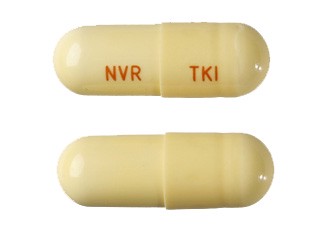
| How it is taken | Oral capsules (swallowed whole) |
| Common dosing schedule | Typically twice daily, on an empty stomach (exact dose depends on the condition) |
| Special meal requirements | Avoid food around doses; separate from meals as directed |
How Tasigna works (mechanism of action)
In CML, many patients have a genetic change called the BCR-ABL1 fusion gene. This produces an abnormal protein (a tyrosine kinase) that drives uncontrolled growth of leukaemia cells.
Nilotinib is a tyrosine kinase inhibitor. It blocks the BCR-ABL1 signal, which helps to reduce leukaemia cell growth and supports deep, durable responses over time.
By targeting this disease mechanism, Tasigna can help control blood and bone marrow disease activity and reduce the number of leukaemia cells over time.
Pharmacokinetics: how the body processes nilotinib
Understanding pharmacokinetics can help explain why Tasigna has strict food timing instructions. The key points include:
- Absorption and food effects: Nilotinib exposure can increase with food. For that reason, it must be taken on an empty stomach and meal timing must be followed.
- Distribution: After absorption, nilotinib distributes into tissues and binds to plasma proteins.
- Metabolism: Nilotinib is primarily metabolised by CYP3A4 enzymes.
- Elimination: The drug is cleared mainly via metabolism and subsequent excretion of metabolites.
- Half-life and dosing: The drug’s pharmacokinetic profile supports dosing on a schedule (commonly twice daily) to maintain effective drug levels.
Because nilotinib metabolism involves CYP3A4, medicines that inhibit or induce CYP3A4 can significantly affect nilotinib levels. This is why it’s important to check all medicines (including over-the-counter and herbal products).
What Tasigna is used for (indications)
In the UK, Tasigna is used for people with chronic myeloid leukaemia (CML) that is Philadelphia chromosome–positive (Ph+). The exact use depends on:
- Disease phase (e.g., chronic phase)
- Previous treatment history
- Presence of specific genetic or clinical features
Your specialist will determine whether Tasigna is appropriate based on your diagnosis and treatment history. In clinical practice, TKIs like nilotinib are chosen to achieve and maintain disease control.
Typical dosing and timing
Tasigna is usually taken as capsules by mouth. Dosing depends on the condition and the response/tolerance. Common schedules are twice daily, but the prescribed strength (e.g., number of capsules per dose) must match your individual plan.
Empty stomach requirement
Tasigna absorption can be affected by food. Follow the meal separation guidance you were given. Typical instructions are:
- Take Tasigna at least 2 hours after food and
- Do not eat for at least 1 hour after taking a dose.
Some patients may be advised to follow a specific schedule to ensure consistent separation from meals. Always use the instructions provided with your medicine.
How to take the capsules
- Swallow capsules whole with water.
- Do not crush, open, or chew capsules.
- Take doses at roughly the same times each day for better routine and adherence.
Missed dose advice (general guidance)
If you miss a dose, follow the advice from your healthcare team or product information. In many TKI regimens, the general approach is not to take a double dose to make up for a missed one. Because personal circumstances vary, check your local guidance or contact your pharmacist.
Food interactions: what to avoid and why
Food can increase nilotinib exposure, potentially raising the risk of side effects. The goal is consistent absorption while protecting your safety.
Meal timing
- Keep the 2-hour after-food and 1-hour before-next-meal separation (or the exact instructions you were given).
- Try to maintain a steady eating schedule so doses remain on target.
Food-related practicalities
- If you take Tasigna in the morning, consider whether you need to adjust breakfast timing.
- For evening doses, plan meals so you can maintain the post-dose fasting period.
Alcohol interactions
There is no single “universal” rule that all people must completely avoid alcohol on nilotinib, but alcohol can affect overall health, liver function, hydration, and adherence to meal timing. Some nilotinib side effects (such as fatigue or gastrointestinal upset) may be more noticeable if alcohol is used.
If you plan to drink alcohol, discuss it with your healthcare team, particularly if you have any liver concerns, abnormal blood tests, or other medical conditions.
Medicine interactions: important drug–drug considerations
Nilotinib metabolism involves CYP3A4. Medicines that affect this pathway may change nilotinib levels. This can increase toxicity or reduce effectiveness.
Medicines that may increase nilotinib levels (avoid or manage carefully)
- Strong CYP3A4 inhibitors (examples often include certain antifungals and some antivirals, depending on the product)
- Some antibiotics that affect CYP enzymes
Do not start or stop interacting medicines without checking with your pharmacist.
Medicines that may decrease nilotinib levels (may reduce effect)
- Strong CYP3A4 inducers (certain anti-epileptics and some other medicines)
- Herbal products (notably St John’s wort)
Heart rhythm and QT prolongation considerations
Tasigna can be associated with changes on an electrocardiogram (ECG), including QT interval prolongation. Therefore, your clinician may avoid or monitor other medicines that can also affect QT or heart rhythm.
Tell your healthcare team about all medicines you take, including:
- Medicines for irregular heartbeat
- Some antibiotics and antipsychotic medicines
- Some antiemetics and antihistamines
- Any supplements or “natural” remedies
Grapefruit and similar products
Grapefruit products may influence drug-metabolising enzymes and drug levels. Many patients are advised to avoid grapefruit while taking nilotinib. If you are unsure, ask your pharmacist.
Safety profile: what to watch for
Like all cancer medicines, Tasigna can cause side effects. Many are manageable with monitoring, dose adjustments, and supportive care. However, it’s important to know which symptoms require prompt medical attention.
Common side effects (may occur)
- Headache
- Fatigue, weakness
- Nausea or stomach discomfort
- Rash
- Muscle or joint pains
- Diarrhoea or constipation
Important potential risks (monitoring is crucial)
Your healthcare team may perform regular blood tests and heart monitoring (e.g., ECG) because Tasigna can be associated with:
- QT interval prolongation (heart rhythm changes)
- Changes in blood counts (e.g., low white cells, anaemia, or platelets)
- Raised liver enzymes and possible liver function changes
- Raised blood lipids (cholesterol and triglycerides)
- Fluid retention or electrolyte changes (e.g., potassium or magnesium changes)
- Raised blood sugar in some patients
Seek urgent medical help if you experience
- Severe dizziness or fainting
- Chest pain, shortness of breath, or symptoms of a possible heart problem
- Signs of stroke (e.g., sudden weakness on one side, difficulty speaking)
- Severe allergic reaction symptoms (swelling of face/lips, trouble breathing)
- Uncontrolled bleeding or unusual bruising
If you are concerned about any symptoms, contact your healthcare team promptly.
Practical use tips for day-to-day life
- Build a routine: choose fixed times for morning and evening doses and connect them with daily activities.
- Use meal planning: plan breakfast and supper so you can maintain the fasting window around doses.
- Stay hydrated: drink water regularly, especially if you experience gastrointestinal side effects.
- Keep a medicine list: include prescription medicines, over-the-counter items, vitamins, and herbal products.
- Attend monitoring appointments: your clinician may check blood tests, lipid levels, liver function, glucose, and ECG.
- Manage side effects early: tell your healthcare team early rather than waiting for symptoms to worsen.
- Avoid smoking where possible: for overall cardiovascular risk reduction (discuss cessation options with your team).
Alternative treatment options
If Tasigna isn’t suitable or if it causes unacceptable side effects, there may be alternative treatments. Alternatives depend on disease stage, previous therapy, and individual risk factors.
In the CML setting, other tyrosine kinase inhibitors are commonly used, such as:
- Imatinib
- Dasatinib
- Bosutinib
- Ponatinib (for selected patients in specific circumstances)
In some cases, specialist teams may also consider other options (including referral for additional therapies) based on response and tolerability. Discuss options with your haematology/oncology specialist.
UK market and legal context (what to know)
In the United Kingdom, medicines like Tasigna are regulated and made available through the NHS and private healthcare systems. Access is typically based on clinical suitability and adherence to UK prescribing and dispensing pathways.
In online pharmacy settings, availability may depend on:
- Whether the product is licensed and stocked through UK-compliant supply chains
- Appropriate patient identification and dispensing checks
- Ongoing supply status and regional delivery capability
Always ensure you are receiving authentic product from a reputable supply channel.
Recent guidance and monitoring (UK clinical practice highlights)
Treatment approaches for CML continue to evolve based on emerging evidence, safety data, and real-world monitoring. In clinical practice, important themes include:
- Regular monitoring of treatment response: clinicians typically use blood tests and molecular assessments to track how well the disease is controlled.
- Safety monitoring: ECG monitoring and blood tests for lipids, liver enzymes, glucose, and blood counts are commonly emphasised for early detection.
- Medication reconciliation: careful review of interacting medicines to reduce risk.
- Cardiovascular risk awareness: clinicians consider individual risk factors when selecting and monitoring TKIs.
Your treating team may tailor the schedule and monitoring intensity to your health profile and response.
Delivery and availability
Tasigna availability may vary by strength and stock level. UK online pharmacies typically offer options such as:
- Home delivery where permitted
- Standard or express delivery depending on location
- Packaging designed to protect capsules and maintain product integrity
Delivery timeframes can depend on prescription processing steps, stock availability, and courier routes. If you need a specific strength or quantity, check stock status with the pharmacy before placing an order.
Storage and handling
- Store according to the instructions on the pack (typically in a dry place).
- Keep out of sight and reach of children.
- Do not use after the expiry date shown on the packaging.
- Return unused medicine to a take-back scheme if available, or follow local pharmacy guidance on disposal.
FAQ about Tasigna (Nilotinib)
1) Why must Tasigna be taken on an empty stomach?
Food can change how much nilotinib your body absorbs. Taking it with meals may increase exposure and the risk of side effects. Meal timing helps keep drug levels more predictable.
2) Can I take Tasigna with water?
Yes. Typically, you should swallow capsules with water. Do not take them with large amounts of food or beverages that your clinician or pharmacist advises against.
3) What should I do if I miss a dose?
Follow the guidance provided by your healthcare team or in the official patient information leaflet. In many cases, you will be advised not to take an extra dose to “catch up.”
4) Are there foods or drinks I should avoid?
The most critical factor is meal timing around doses. Many patients are also advised to avoid grapefruit products because they may affect drug levels. If you are unsure about a specific food or drink, ask your pharmacist.
5) Does alcohol interact with Tasigna?
Alcohol is not universally contraindicated, but it may worsen side effects or affect liver health and overall wellbeing. Ask your healthcare team for personal advice, especially if you have liver or cardiovascular concerns.
6) What monitoring will I need?
Monitoring commonly includes blood tests (blood counts, liver function, lipids, glucose) and heart monitoring such as ECG, depending on your risk factors and local practice.
7) Can I take over-the-counter medicines?
Some over-the-counter medicines may interact with Tasigna. Always tell your pharmacist what you plan to take, including pain relief, cold remedies, antihistamines, and herbal products.
8) What side effects are most important to report quickly?
Report symptoms such as chest pain, fainting, severe dizziness, signs of stroke, severe shortness of breath, or symptoms of serious bleeding promptly. Also contact your clinician for persistent or severe nausea, vomiting, or rash.
9) Are there alternatives if Tasigna doesn’t work or causes problems?
Yes. Other TKIs may be considered based on your disease phase, prior response, and side effect profile. Your specialist can advise the best option for you.
10) How long does treatment usually continue?
Treatment is generally long-term. The duration depends on your response, tolerability, and the overall treatment plan. Do not stop treatment without specialist guidance.
Important reminder
Tasigna is a targeted treatment designed for specific leukaemia types. Because of the potential for significant interactions and the need for monitoring, it is essential to take it exactly as directed, keep appointments for tests, and discuss any new medicines, supplements, or symptoms with your healthcare team.
If you would like, tell us your situation (for example: the strength you were prescribed, how your meals are scheduled, and any other medications you take), and we can help you plan a practical “day-by-day” dosing timetable for empty-stomach timing and interaction checks.