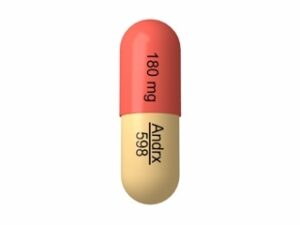


Digoxin
Digoxin is a medicine used to help manage certain heart conditions. It can slow the heart rate and improve the pumping function of the heart in selected people. Because digoxin has a relatively narrow safety range, the dose must be individualised and monitored carefully to reduce the risk of side effects.
This guide explains how digoxin works, how it is used, what to expect, important safety information, and practical tips for taking it safely in the United Kingdom.
Basic product information
| Feature | Information |
|---|---|
| Generic name | Digoxin |
| Medicinal form | Tablets and liquid formulations are available (brand/form may vary) |
| How it is taken | By mouth |
| Therapeutic role | Helps control heart rate in certain arrhythmias; used in some heart failure patients |
| Onset | Some effects may be felt within hours; full clinical benefit can take longer |
| Special monitoring | Blood level checks may be required; kidney function and electrolytes (e.g., potassium, magnesium) may be monitored |
How digoxin works (mechanism of action)
Digoxin belongs to a group of medicines called cardiac glycosides. It affects the heart and nervous system in several ways:
- Increases heart pumping strength (positive inotropy): Digoxin helps the heart muscle contract more effectively by influencing calcium handling inside heart cells.
- Slows electrical conduction (rate control): It can help slow the heart rate by increasing the activity of the vagus nerve, which reduces the conduction through the atrioventricular (AV) node.
- May reduce symptoms in selected heart conditions: By improving the balance of heart function, it can help reduce shortness of breath and improve tolerance of activity in some patients.
Importantly, digoxin does not “cure” rhythm disorders, but it helps manage the way the heart rate and/or heart pumping function behaves.
Pharmacokinetics (how the body handles digoxin)
Understanding pharmacokinetics can help explain why monitoring matters for digoxin.
- Absorption: Digoxin is absorbed from the gut. Food can influence absorption (see food interactions below), so consistent timing relative to meals is often advised.
- Distribution: Digoxin distributes into tissues and binds to proteins. It can accumulate in the body when doses build over time.
- Metabolism: Compared with many medicines, digoxin is metabolised to a limited extent.
- Elimination: The kidneys largely clear digoxin from the body. Kidney impairment increases digoxin levels and the risk of toxicity.
- Half-life: Digoxin has a long half-life, which means steady levels may take time to reach and effects can persist.
Because it is eliminated mainly by the kidneys and can accumulate, clinicians often review kidney function and electrolytes before and during treatment.
Typical uses in the UK
In the United Kingdom, digoxin is used for specific heart conditions. The exact choice of medicine depends on your individual health profile and may be different from person to person.
Common indications
- Atrial fibrillation (AF): Often used to help control heart rate when the heart rhythm is irregular.
- Atrial flutter: Sometimes used for rate control in selected cases.
- Heart failure: In some patients, digoxin may be used to help improve symptoms and reduce hospitalisations when other treatments are not sufficient or are unsuitable.
Your clinician will determine whether digoxin is appropriate for you, based on diagnosis, symptoms, other medicines, and blood test results.
When and how to take digoxin (timing and routine)
A consistent daily routine helps maintain stable blood levels and can reduce side effects.
Typical timing
- Once daily dosing is common, but follow the instructions given for your specific product and plan.
- Choose a regular time each day (morning or evening) that you can easily stick to.
- If you miss a dose, follow the advice you were given and do not double up unless instructed.
Relation to meals
Digoxin may be taken with or without food depending on your formulation and individual advice. Some people are advised to take it consistently the same way each day (for example, always with a light meal or always on an empty stomach) to reduce day-to-day variation in absorption.
Food interactions and dietary considerations
Food can affect how much digoxin is absorbed. Although the exact impact depends on the product and meal composition, practical consistency matters.
- Fibre and certain meal changes: Very large changes in diet may influence absorption in some people.
- Grapefruit and unusual fruit extracts: These are more relevant to many other medicines, but if you use herbal products or concentrated fruit extracts, check with a pharmacist.
- Salt and hydration: While not a direct “absorption” interaction, dehydration or significant dietary changes can affect kidney function and electrolytes, which in turn can influence digoxin safety.
A pharmacist can advise on whether your specific digoxin product should be taken with food and how to keep your routine stable.
Alcohol interactions
Digoxin itself is not usually described as having a strong direct interaction with moderate alcohol. However, alcohol can indirectly increase risk by:
- Worsening dehydration, which may reduce kidney function.
- Changing electrolyte balance (especially if alcohol contributes to poor intake, vomiting, or diarrhoea).
- Increasing dizziness or drowsiness in some people (which can be relevant if you also take other cardiovascular medicines).
If you drink alcohol, consider keeping intake modest and consistent. If you experience vomiting, diarrhoea, or dehydration, seek medical advice because digoxin safety may be affected.
Medicine interactions (important)
Many medicines can affect digoxin levels or its risk of side effects. Always tell your pharmacist or clinician about all medicines you take, including:
- Over-the-counter products (e.g., cough/cold medicines)
- Herbal remedies and supplements
- Vitamins containing minerals (especially if you take magnesium, potassium, or herbal diuretics)
Examples of notable interaction types
1) Medicines that can increase digoxin blood levels
- Some antibiotics (e.g., clarithromycin, erythromycin-type medicines)
- Some antifungals
- Some antiarrhythmics and cardiovascular medicines (interaction depends on the specific drug)
2) Medicines that can lower digoxin blood levels
- Some antacids or medicines affecting gut absorption
- Some bowel-related treatments can alter absorption in certain circumstances
3) Medicines that affect electrolytes (potassium, magnesium)
Low potassium (hypokalaemia) or low magnesium (hypomagnesaemia) can increase the risk of digoxin toxicity, even if digoxin dose is unchanged. This can occur with:
- Diuretics (“water tablets”), particularly loop or thiazide diuretics
- Laxatives (especially with ongoing use or diarrhoea)
- Conditions causing vomiting/diarrhoea
Because interactions vary greatly by product and dose, always check with a pharmacist before starting new medicines. If you are prescribed an antibiotic or diuretic, this is an especially important time to review digoxin safety.
Indications and clinical situations
Digoxin is used in defined clinical settings. A patient-friendly summary is below.
Atrial fibrillation / atrial flutter (heart rate control)
- Digoxin may help slow the ventricular rate, which can improve symptoms such as palpitations, breathlessness, and fatigue.
- It is sometimes used when other rate-control options are not suitable or as an add-on treatment.
Heart failure
- Digoxin may help certain people with symptomatic heart failure, particularly to reduce symptoms and sometimes hospitalisation risk.
- It is often considered alongside other established heart failure medicines, depending on your situation.
Your treatment plan may include regular check-ups, blood tests, and adjustments if your kidney function or electrolyte levels change.
Dose and administration (general guidance)
Digoxin dosing is individual and depends on age, kidney function, body weight, and the presence of drug interactions. The dose is not “one-size-fits-all”, and wrong dosing can be dangerous.
How dosing is typically approached
- Lower starting doses are often used in older adults and people with reduced kidney function.
- Maintenance dosing may be adjusted over time based on response and, when appropriate, blood digoxin levels.
- Regular monitoring may include kidney function (creatinine/eGFR) and electrolytes (potassium, magnesium).
Do not adjust without advice
If you think your dose is too high or too low, contact a healthcare professional rather than changing it yourself. Digoxin toxicity can occur even at doses within a commonly used range in certain risk groups (e.g., dehydration, kidney impairment, low potassium).
Safety profile and side effects
Digoxin can be very effective, but it has a narrow therapeutic index. This means side effects may occur when the dose is too high relative to your body’s needs. People most at risk include those with kidney impairment, older age, low potassium or magnesium, and those taking interacting medicines.
Common side effects
- Nausea, loss of appetite
- Vomiting
- Dizziness or tiredness
- Headache
- Occasional visual disturbances
Signs of possible digoxin toxicity (seek urgent advice)
Contact urgent medical help or seek immediate medical advice if you develop symptoms that could indicate toxicity—especially if you have recently started or changed another medicine, have dehydration, or have had vomiting/diarrhoea.
- New or worsening nausea and vomiting
- Severe weakness, confusion, or fainting
- Slow heartbeat or worsening irregular rhythm
- Visual symptoms (e.g., blurred vision, “yellow-green” tints)
- Significant palpitations or shortness of breath
- Severe diarrhoea or dehydration
If you are unsure, it is always safer to ask a pharmacist for urgent advice—especially if you suspect an overdose or toxicity.
Important risk factors
- Reduced kidney function
- Older age
- Low potassium or low magnesium
- Dehydration (e.g., from illness, hot weather, poor fluid intake)
- Drug interactions (antibiotics, diuretics, antiarrhythmics, and others)
Practical tips for safe use
- Keep the same routine daily: take digoxin at the same time and in a similar relation to meals.
- Check your medication list: before starting a new medicine, ask your pharmacist whether it could affect digoxin.
- Watch for illness: if you have gastroenteritis (vomiting/diarrhoea), fever, or dehydration, seek advice—your digoxin safety may change.
- Be careful with electrolytes: avoid starting potassium supplements, magnesium changes, or “electrolyte” drinks without advice.
- Do not stop suddenly: stopping without guidance may worsen heart symptoms or rate control.
- Keep follow-up appointments: blood tests and ECG reviews help keep treatment safe.
How to recognise when to seek help
Consider contacting urgent medical services if you have symptoms consistent with serious rhythm disturbance or significant toxicity (for example, fainting, severe weakness, marked changes in heartbeat, or serious vomiting).
Alternative options (discuss with your clinician)
Alternatives depend on the reason you are taking digoxin (AF rate control vs heart failure symptoms) and your overall health. Common options may include:
For heart rate control in atrial fibrillation
- Beta-blockers (help slow the heart rate)
- Non-dihydropyridine calcium channel blockers (e.g., verapamil or diltiazem, if appropriate)
- Other antiarrhythmic strategies depending on rhythm and symptom pattern
For heart failure symptoms
- ACE inhibitors/ARBs or ARNI (reduce strain on the heart)
- Beta-blockers
- Mineralocorticoid receptor antagonists
- SGLT2 inhibitors (commonly used in modern heart failure regimens)
- Diuretics for fluid symptoms (with careful electrolyte monitoring)
Your clinician will choose based on your type of heart failure, blood pressure, kidney function, and symptom burden. Digoxin may be selected as an add-on option in selected patients.
Market and legal context in the United Kingdom
In the UK, digoxin is a recognised prescription medicine used for cardiovascular indications. Availability and supply arrangements may vary by manufacturer and formulation. Pharmacy services can also provide information on safe use, interactions, and monitoring needs.
Online pharmacies in the UK must comply with relevant healthcare and medicines regulations, including verification of suitability for the individual, adherence to supply rules, and provision of clear patient information.
Recent guidance and monitoring considerations
Clinical practice around digoxin focuses on safe prescribing, appropriate patient selection, and ongoing monitoring. While guidance may evolve, common themes include:
- Using digoxin selectively: particularly when it provides symptom relief or rate control benefits that outweigh risks.
- Reviewing kidney function and electrolytes: because digoxin levels and toxicity risk are closely related to these factors.
- Considering drug interactions: especially when starting antibiotics, adjusting diuretics, or introducing other cardiovascular agents.
- Ensuring patient education: recognising early warning signs and knowing when to seek advice.
For personalised advice, your pharmacist or clinician can review your most recent blood test results and current medicines to support safe long-term use.
Delivery and availability (online pharmacy)
Digoxin availability can vary between different brands and strengths. Online pharmacy listings typically show the available forms (e.g., tablets or liquid) and pack sizes in stock.
- Dispatch timing: orders are typically dispatched within standard working days if in stock.
- Stock updates: availability can change; you may see different strengths or generic options depending on current supply.
- Delivery options: standard or expedited delivery may be available depending on the pharmacy and location.
If your formulation is not currently available, customer service may be able to advise on expected restock dates or suitable equivalent options.
FAQ: Digoxin (patient questions)
1. What is digoxin used for?
Digoxin is used to help control heart rate in certain rhythm conditions such as atrial fibrillation/flutter and may be used in selected patients with heart failure to improve symptoms and outcomes.
2. How quickly does digoxin work?
Some effects on heart rate may be noticed within hours, but overall benefit (especially in heart failure) can take longer. Your clinician will assess response over time.
3. Can I take digoxin with food?
Many people can take digoxin with or without food, but consistency is important. Follow your specific instructions and keep your meal routine stable. If you’re unsure, ask a pharmacist about your formulation.
4. Is digoxin safe for older adults?
It can be safe, but older adults are at higher risk of side effects because kidney function and sensitivity may change with age. Doses are often lower and monitoring is more important.
5. Do I need blood tests?
Blood tests may be recommended, particularly if there are risk factors (kidney impairment, interacting medicines) or if symptoms suggest the dose may be too high or too low. Tests may include kidney function, electrolytes, and sometimes digoxin blood levels.
6. What should I do if I miss a dose?
Follow the guidance provided for missed doses for your specific plan. In general, do not take a double dose to make up for a missed tablet unless advised.
7. Can I stop digoxin if I feel better?
Do not stop digoxin suddenly without medical advice. Stopping may worsen heart rate control or symptoms.
8. What are the most serious side effects?
The most serious concern is toxicity, which can affect heart rhythm and cause symptoms such as significant nausea/vomiting, weakness, confusion, fainting, or visual disturbances. Seek urgent medical advice if these occur.
9. Are there foods or drinks I should avoid?
There isn’t one universal “forbidden” food, but maintain a consistent approach to meals and hydration. Avoid sudden major dietary changes that could affect absorption or electrolyte balance. Ask a pharmacist if you use supplements or herbal products.
10. Can I drink alcohol?
Moderate alcohol is not usually a direct digoxin interaction, but alcohol can contribute to dehydration and electrolyte imbalance. If you become unwell or dehydrated, seek advice promptly.
11. Which medicines commonly interact with digoxin?
Many medicines can interact by raising digoxin levels or lowering potassium/magnesium. Antibiotics, some antifungals, diuretics, and various cardiovascular medicines can be relevant. Always check with a pharmacist before starting new products.
12. What if I have vomiting or diarrhoea?
Vomiting and diarrhoea can lead to dehydration and electrolyte changes, which may increase digoxin risk. Contact a healthcare professional for advice, especially if you feel unwell soon after taking digoxin.
Summary
Digoxin is used in selected heart conditions to support heart rate control and, in some cases, heart failure symptom management. Its effectiveness depends on safe dosing, consistent routine, and careful attention to kidney function, electrolytes, and drug interactions. If you have any symptoms that could indicate digoxin side effects or toxicity—especially new vomiting, weakness, fainting, or changes in heartbeat—seek urgent medical advice.