

Antabuse (Disulfiram) – Patient-Friendly Guide (UK)
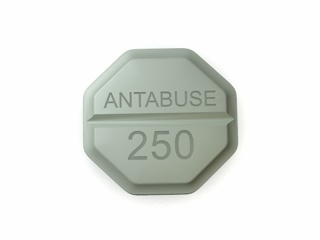
Antabuse contains disulfiram, a medicine used to help support people who have a pattern of alcohol misuse to avoid drinking. It works by causing unpleasant effects if alcohol is taken, creating a strong deterrent to drinking.
This guide explains how Antabuse works, typical uses, timing, what to expect, key interactions (especially with alcohol and certain foods/medicines), and practical tips for safer use in the United Kingdom.
1) Basic product information
| Feature | Details |
|---|---|
| Medicine name | Antabuse |
| Active ingredient | Disulfiram |
| How it helps | Discourages alcohol use by triggering adverse reactions if alcohol is consumed |
| Common form | Tablets (strengths may vary by product presentation) |
| Typical setting | Alcohol dependence treatment support, alongside counselling and monitoring |
2) How Antabuse (Disulfiram) works (mechanism of action)
Normally, when alcohol (ethanol) is broken down in the body, it is converted in steps:
- Ethanol → acetaldehyde
- Acetaldehyde → acetic acid (which is further metabolised)
Disulfiram blocks an important enzyme involved in clearing acetaldehyde (often described as aldehyde dehydrogenase). When that enzyme is inhibited, acetaldehyde builds up if alcohol is taken.
This leads to uncomfortable and sometimes severe reactions such as:
- Flushing (warmth and redness)
- Throbbing headache
- Nausea and vomiting
- Breathing difficulties or chest tightness
- Palpitations (fast heartbeat)
- Low blood pressure and feeling faint
Because the response to alcohol can be dramatic, Antabuse is often used when a person wants a “deterrent” effect to maintain abstinence.
3) Pharmacokinetics (how the body handles disulfiram)
Absorption and onset vary by person. After taking a dose by mouth, disulfiram is absorbed and then metabolised in the body.
Duration of effect is a key feature of disulfiram:
- Effects can persist for days after stopping, because disulfiram and its metabolites may remain active in the body.
- For this reason, avoiding alcohol (including hidden sources) must continue for the period recommended by your clinician and product guidance.
Metabolism and elimination occur mainly through the body’s natural pathways (including liver metabolism). People with liver problems require extra caution, and safety monitoring may be advised.
Important practical takeaway: you cannot treat disulfiram like a “once-a-day” medicine with a short window. Alcohol avoidance is essential even when you think the last dose has “moved on”.
4) Typical use in the UK
In the United Kingdom, disulfiram is used as part of a broader approach to alcohol misuse. It is intended for people who:
- Are committed to abstinence
- Can reliably follow instructions and avoid alcohol-containing products
- May benefit from supervision or structured support
Antabuse is generally considered when a deterrent strategy is appropriate, and it is often used alongside counselling and psychosocial support. For many people, combining medication with support improves the chance of success.
5) Timing: when to start and how to take it
Key rule: disulfiram should be started when you are fully abstinent from alcohol.
- Clinicians may advise a specific abstinence interval before the first dose.
- The exact timing can depend on how recently alcohol was used and the person’s clinical situation.
General approach to timing (patient-friendly summary):
- Begin when alcohol has been avoided for long enough for the body to be free of recent alcohol exposure.
- Take the medicine at the same time of day as advised.
- Do not “test” the medicine by drinking to see what happens—this can cause serious illness.
Duration: the length of treatment varies from person to person. Some people use it for a limited period with close follow-up, while others may require longer structured support.
6) Food interactions and hidden alcohol sources
Alcohol may be present not only in drinks, but also in some foods and household products. With disulfiram, even small amounts can potentially trigger reactions.
Common “hidden” sources to watch for
- Alcohol-containing sauces (e.g., some marinades or cooking wines)
- Alcohol-based desserts (e.g., some liqueur chocolates or cakes made with spirits)
- Vinegar-based products are sometimes used in cooking—while many culinary vinegars contain only small amounts, check carefully if you are advised to be extremely strict
- Fermented foods can contain trace amounts
- Medicinal syrups or liquid preparations may contain alcohol
Practical advice
- Read labels carefully for ingredients like ethanol, spirit, alcohol, liqueur, or tincture.
- If you are unsure, ask a pharmacist or check a product’s alcohol content.
- When cooking, avoid recipes that use wine, beer, or spirits.
7) Alcohol and medicine interactions
Alcohol (most important interaction)
Do not drink alcohol while taking Antabuse and during the period after stopping, as advised. Alcohol can include:
- Beer, wine, spirits and alcopops
- Alcohol in “non-alcoholic” products (some contain small residual amounts)
- Alcohol in some tonics, mixers, and certain mouthwashes or cough preparations
If you accidentally ingest alcohol, stop immediately and seek medical advice. Reactions can be severe, and you may need assessment and supportive treatment.
Other medicine interactions
Disulfiram can interact with several medicines through liver metabolism and other mechanisms. Particular caution may be needed with:
- Medicines that affect the liver or have hepatotoxic potential
- Some sedatives or medicines that can affect the nervous system (because disulfiram may increase sensitivity in some people)
- Metronidazole and other drugs that can interact via similar pathways (your pharmacist can advise based on your current list)
- Warfarin (disulfiram may alter bleeding risk in certain circumstances—monitoring may be needed)
Always provide a full list of current medicines to a healthcare professional, including:
- Prescription medicines
- Over-the-counter medicines
- Herbal products and supplements
- Vitamins or tonics that may contain alcohol
If you are using multiple medicines, let your pharmacist check for interaction risks before starting or continuing disulfiram.
8) Indications: what Antabuse is used for
In general terms, Antabuse (disulfiram) is indicated to support abstinence in people with alcohol dependence who are:
- Actively seeking to stop drinking
- Able and willing to follow strict avoidance of alcohol and alcohol-containing products
- Supported by a structured plan (often including counselling)
It is not intended as a “craving blocker.” Instead, it works by making alcohol ingestion very unpleasant, thereby supporting long-term abstinence in a person who can reliably follow the rules.
9) Dosing: typical regimen (UK patient overview)
Dosing should be individualised. The exact amount and schedule depend on your clinical situation, history of alcohol intake, and tolerability.
For a patient-friendly overview, disulfiram treatment commonly involves:
- Initial dosing (“loading” or start-up): started at a dose chosen by the clinician and may be adjusted.
- Maintenance dosing: adjusted to the lowest effective dose to support abstinence.
- Frequency: often once daily, but some regimens may differ based on plan and monitoring.
Do not change the dose without advice. Missing doses or taking doses incorrectly can increase risk—particularly if there is any chance of accidental alcohol exposure.
Practical safety reminder: if you have any symptoms after taking Antabuse (especially unusual sweating, palpitations, dizziness, or breathing discomfort), seek prompt medical advice.
10) Safety profile: side effects and what to watch for
Like all medicines, disulfiram can cause side effects. Many people tolerate it reasonably well when properly monitored, but serious reactions can occur—especially if alcohol is consumed.
Common or known side effects
- Fatigue or drowsiness
- Headache
- Metallic taste in the mouth (reported by some)
- Nausea
- Acne-like skin eruptions in some cases
Serious reactions (seek urgent help)
Get urgent medical advice if you experience:
- Severe vomiting or persistent nausea
- Chest pain, severe breathlessness, or fainting
- Confusion, seizures, or collapse
- Signs of liver trouble: yellowing of skin/eyes (jaundice), dark urine, severe upper abdominal pain, or marked loss of appetite
Alcohol-related reactions can range from uncomfortable to medically dangerous. If you suspect alcohol exposure, do not “wait it out.” Seek advice.
Who needs extra caution
Antabuse may require careful assessment if you have:
- Existing liver disease
- Uncontrolled heart disease or rhythm issues
- A history of severe mental health complications
- Neurological conditions or risk of neuropathy
11) Practical use tips for safer results
Disulfiram is effective as a deterrent only if alcohol is avoided consistently. The following tips can help reduce risk:
Before you start
- Ensure you have been abstinent for the recommended period.
- Tell your clinician/pharmacist about your full medicine list and medical history.
- Plan for “high-risk moments” (parties, celebrations, workplace events).
While taking Antabuse
- Check labels for alcohol in foods and medicines.
- Be cautious with mouth products—some mouthwashes contain alcohol.
- Avoid “tonics” or “herbal tinctures” unless confirmed alcohol-free.
- Carry information about your medicine in case of emergency.
If you accidentally drink alcohol
- Stop drinking immediately.
- Seek medical advice promptly, especially if symptoms start.
- Do not take additional substances to “counteract” the reaction.
Support matters
Medication works best with a supportive plan. Consider engaging with addiction services, counselling, peer support, or structured follow-up to strengthen long-term abstinence.
12) Alternative options for alcohol dependence (UK)
If Antabuse isn’t suitable, other treatments may be considered depending on your situation, preferences, and safety factors. Options commonly discussed in the UK include:
- Acamprosate – helps support abstinence after detox for some people.
- Naltrexone – can reduce craving or the rewarding effects of alcohol in some individuals.
- Medically supervised withdrawal – for people who need support to stop safely.
- Psychological therapies and structured programmes – counselling, motivational therapies, and relapse prevention planning.
Choosing the right option depends on your drinking pattern, medical history (especially liver and mental health), and the level of support you can access.
13) Market and legal context in the United Kingdom
In the UK, medicines are regulated by the Medicines and Healthcare products Regulatory Agency (MHRA) and must be supplied in line with UK medicines legislation. Treatment for alcohol misuse is typically provided within a framework of clinical assessment, monitoring, and support services.
Availability and supply models may vary by product status and local practice. Pharmacy dispensing must comply with relevant UK requirements on medicine supply, patient information, and safe use.
Important: patient eligibility, suitability, and safety checks are central to safe medicine use, particularly for medicines where alcohol avoidance is critical.
14) Recent guidance and how it may affect disulfiram use
Clinical practice in alcohol dependence continues to evolve. Guidance in the UK generally emphasises:
- Individualised assessment (suitability and risks)
- Combined care (medicine + psychosocial support)
- Safety monitoring where relevant (including liver-related considerations)
- Risk management for relapse and comorbidities
Because disulfiram requires strict alcohol avoidance and can have important safety considerations, updated local protocols may influence when it is selected, how monitoring is arranged, and what follow-up schedule is used.
For the most accurate, current advice, consult a UK healthcare professional or local alcohol treatment service.
15) Delivery and availability (UK)
Online pharmacy availability can depend on stock, product format, and regional regulations. Where Antabuse/Disulfiram is offered, the aim is typically:
- Clear product identification (active ingredient: disulfiram)
- Secure packaging and appropriate labelling
- Estimated delivery times shown at checkout
- Customer support for delivery questions and product information
Delivery options, costs, and cut-off times may vary. Please check the product listing and checkout page for the latest information.
Storage: store tablets in a safe place as instructed on the packaging (typically in a dry place, away from excess heat). Keep out of reach of children.
16) FAQ
1. Can I drink alcohol “just once” while taking Antabuse?
No. Antabuse is designed to cause unpleasant and potentially serious reactions if alcohol is consumed. Even small amounts may trigger symptoms. Avoid alcohol completely.
2. What counts as alcohol besides beer and spirits?
Alcohol may be present in some foods (certain sauces and desserts), medicines (some cough syrups or liquid preparations), and mouth products. Check labels carefully for ingredients such as ethanol, spirit, alcohol, tincture, or liqueur.
3. How long after stopping Antabuse do I still need to avoid alcohol?
Disulfiram effects can last after the last dose. The exact time depends on individual factors and the planned regimen. Follow the advice given to you by your clinician/pharmacist and product guidance.
4. Will Antabuse treat withdrawal symptoms?
Antabuse is not primarily for managing acute alcohol withdrawal. Withdrawal management typically requires medical assessment and a supervised detox approach when necessary.
5. What should I do if I accidentally consume alcohol?
Stop immediately and seek medical advice, especially if you develop symptoms such as flushing, vomiting, chest discomfort, severe headache, or faintness.
6. Are there foods I can eat safely?
Most plain, unfermented foods are safe. The key is to avoid products containing alcohol. When in doubt, check ingredients or ask a pharmacist.
7. Can I take cough medicines or mouthwash while on Antabuse?
Some cough preparations and mouthwashes contain alcohol. Choose alcohol-free alternatives where possible and check labels. Ask your pharmacist if you are unsure.
8. What if I miss a dose?
Do not double up. If you are unsure what to do, seek advice from a pharmacist. Also consider that missed dosing may affect how confidently you can maintain abstinence—so continue strict avoidance of alcohol.
9. Is Antabuse suitable for everyone?
No. Suitability depends on your health status, liver function, other medicines, and ability to avoid alcohol strictly. A careful assessment is important.
10. What are the warning signs that I should seek help?
Seek urgent medical help for severe vomiting, chest pain, difficulty breathing, fainting, confusion, seizures, or signs of liver problems (jaundice, dark urine, severe abdominal pain).
Always read the patient information leaflet provided with your medicine. If you have questions about alcohol-free foods, interactions, or what to do after accidental alcohol exposure, speak with a healthcare professional.