
Urso (Ursodiol) – Patient-Friendly Guide
Urso (ursodiol) is a medicine used to treat certain bile-related conditions, particularly in the liver and gallbladder. This page explains how it works, what it’s used for, how it’s taken, important safety information, and practical tips to help you use it correctly.
Important: Always follow the instructions given to you by your healthcare professional. If you have questions about your specific condition or dose, ask your pharmacist or clinician.
1. Basic product information
- Active ingredient: Ursodiol (also known as ursodeoxycholic acid, UDCA)
- Brand name: Urso
- Common uses: Certain types of gallstones and liver/bile duct disorders
- How it’s taken: Oral tablets or capsules (strengths and formulations vary)
- Typical duration: Often months to years, depending on the condition
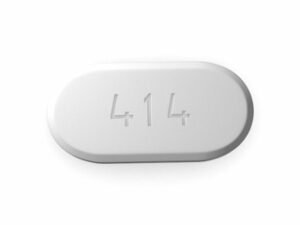
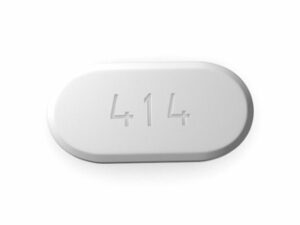
Note for the UK market: Brand availability and presentation may differ. Your pharmacist can confirm the exact strength and formulation you have.
2. What is ursodiol and how does it work?
Mechanism of action
Ursodiol is a naturally occurring bile acid that helps improve the balance and flow of bile in the body. It works in several ways:
- Dissolves certain cholesterol gallstones: It reduces the amount of cholesterol released into bile and can gradually soften/dissolve cholesterol-based stones.
- Protects liver and bile ducts: It may help stabilise bile acids that can otherwise damage liver cells and bile duct lining.
- Improves bile flow: It can contribute to better bile flow, which may reduce symptoms associated with bile retention.
- Reduces “toxic” bile acid effects: In some conditions, harmful bile acids build up. Ursodiol may replace them with less irritating bile acids.
3. Pharmacokinetics (how the body handles ursodiol)
Pharmacokinetics describes what the body does to a medicine—absorption, distribution, metabolism and excretion.
- Absorption: Absorbed from the small intestine. Uptake can be influenced by bile availability and the presence of food.
- Metabolism: Ursodiol is transformed partly in the liver and intestinal tract.
- Distribution: It circulates in the bile acid pool and concentrates in the liver/bile system.
- Elimination: Primarily excreted via bile into the gut, then eventually eliminated in stool. A small amount may be eliminated through urine.
Because it works through bile and liver pathways, conditions affecting digestion, bile flow, or liver function may influence how well it works.
4. Typical uses in the UK
Ursodiol is used for a number of bile-related conditions. The most common include:
Indications
- Primary biliary cholangitis (PBC): A chronic autoimmune disease affecting the small bile ducts in the liver.
- Cholesterol gallstones: Specifically selected gallstones in people who are not suitable for surgery and when stones are likely to respond (often small, non-calcified cholesterol stones).
- Other bile duct/liver disorders: Depending on clinical assessment, ursodiol may be used off-label or as part of a specialist-led plan for certain cholestatic conditions.
Why “selected” gallstones? Not all gallstones dissolve with ursodiol. The stone type and gallbladder function matter, so imaging tests (such as ultrasound) guide suitability.
5. Timing and how to take Urso
Taking ursodiol correctly can help maintain steady absorption and bile acid activity.
When to take it
- With food: Taking with meals can improve tolerability for some people and may help absorption.
- Once or split doses: Your regimen may be once daily or divided across the day. Splitting doses can help keep bile acid levels steadier and may reduce stomach discomfort.
- Be consistent: Take it at the same times each day if you can.
How to swallow
- Swallow tablets/capsules whole with water.
- If you have difficulty swallowing, speak to your pharmacist. Do not crush or change the form unless your pharmacist confirms it is safe for your specific product.
If you miss a dose
- Take it as soon as you remember on the same day.
- If it is nearly time for the next dose, skip the missed one—do not double up.
- If you frequently miss doses, discuss practical strategies with your healthcare professional.
6. Food interactions and what to watch for
Ursodiol is taken orally and works in the digestive and bile system. Food can influence how your body absorbs bile acids and therefore the effectiveness.
General food guidance
- Take with meals if advised: Many people are instructed to take ursodiol with food.
- Separate from bile acid binders (if relevant): Medicines such as cholestyramine and colestipol may bind bile acids and reduce ursodiol effect. Your clinician may advise taking ursodiol at a different time.
- Avoid sudden dietary changes: Large changes in fat intake may affect gallbladder/bile function in some people.
If you’re unsure whether a specific diet or food is likely to affect you, ask your pharmacist—especially if you have gallstone disease or significant liver problems.
7. Alcohol and medicine interactions
Alcohol
Alcohol can worsen liver conditions. If you are taking Urso for a liver/bile duct disorder such as PBC or cholestasis, it is sensible to:
- Limit alcohol as much as possible.
- Avoid binge drinking.
- Ask your clinician what level of alcohol is safe for your specific liver health.
Medicine interactions
Ursodiol can interact with medicines that affect bile acids or cholesterol handling.
- Bile acid sequestrants: Medicines used to lower cholesterol (e.g., cholestyramine, colestipol) can reduce ursodiol absorption/effect. Separate dosing may be required.
- Cholesterol-lowering or lipid-modifying drugs: Some can alter bile cholesterol and may affect gallstone disease management.
- Hormonal preparations (some cases): Estrogens can increase cholesterol in bile and may counteract gallstone dissolution strategies.
- Medicines affecting liver metabolism: Your pharmacist can review your list to ensure there are no key concerns.
Always tell your pharmacist about all medicines and supplements you use, including herbal products and over-the-counter remedies.
8. Dosing – what is a typical dose?
Dosing depends on the condition being treated, your weight, and your liver/bile profile. Your prescriber will provide exact instructions.
Common dosing approaches (general information)
- Primary biliary cholangitis (PBC): Doses are often based on body weight and taken daily, sometimes divided into two or more doses.
- Cholesterol gallstones: Typical regimens involve a daily dose based on weight, usually taken in the evening or divided doses depending on the plan. Gallstone dissolution may take many months.
Do not change your dose without medical advice. If you think your dose may be incorrect or you have side effects, contact your healthcare professional.
Monitoring during treatment
For many bile and liver conditions, clinicians regularly check blood tests such as:
- Liver function tests (e.g., ALT/AST, ALP)
- Bilirubin
- Full blood count and other labs depending on your situation
Monitoring helps confirm the medicine is working and supports safe ongoing treatment.
9. Safety profile and side effects
Most people tolerate ursodiol well
Like all medicines, Urso can cause side effects. Many are mild and temporary.
Common side effects
- Diarrhoea or loose stools
- Abdominal discomfort, nausea, or indigestion
- Mild fatigue (less commonly)
Less common but important effects
- Worsening of symptoms of liver/bile disease (uncommon, but needs review)
- Allergic reactions (rare), such as rash, itching, swelling, or breathing difficulty
Seek urgent help if
- You develop signs of an allergic reaction (swollen face/lips, difficulty breathing, widespread rash).
- You experience severe or persistent diarrhoea leading to dehydration.
- Your skin or eyes turn markedly yellow or you develop severe right-upper abdominal pain or fever—seek medical advice promptly.
Pregnancy and breastfeeding
If you are pregnant, planning pregnancy, or breastfeeding, discuss risks and benefits with your clinician. Your dose and monitoring may need adjustment.
10. Practical tips for successful use
Make it easier to take consistently
- Use a pill organiser and set reminders on your phone.
- Keep a routine linked to meals (if your regimen is with food).
- Review with your pharmacist if you change meal times (e.g., shift work).
Manage gastrointestinal effects
- If you get loose stools, tell your clinician—sometimes dose timing or division can help.
- Stay hydrated if you have diarrhoea.
- Avoid alcohol as much as possible if you’re being treated for liver disease.
Keep up with monitoring and follow-up
Ursodiol often takes time to work—especially for gallstone dissolution or chronic cholestatic conditions. Follow-up appointments and blood tests are key.
Imaging for gallstones (if applicable)
If you are taking Urso to dissolve gallstones, your specialist may repeat imaging (like ultrasound) to check stone size and number. Not all stones respond.
11. Alternative treatment options
Alternatives depend on the diagnosis. Your clinician may consider different medicines or procedures.
For primary biliary cholangitis (PBC)
- Obeticholic acid (where suitable)
- Other supportive treatments for symptoms (e.g., itching) and complications
- Liver specialist follow-up and monitoring for long-term outcomes
For gallstones
- Laparoscopic cholecystectomy (surgery) is often definitive for symptomatic gallstones.
- Other non-surgical approaches are sometimes considered for selected patients.
- Watchful waiting may be an option if stones are incidental and non-symptomatic.
Your healthcare team will recommend the safest and most effective option for your specific situation.
12. UK market and legal context (high-level)
In the United Kingdom, medicines are authorised and regulated to ensure quality, safety, and effectiveness. Urso (ursodiol) is managed within the UK’s medicines regulatory framework, and availability depends on the specific formulation/strength and supply status.
Advice for UK customers: Online pharmacies should display correct product details, including active ingredient, strength, dosage form, and clear instructions for use. If you have concerns about authenticity, ask the pharmacy about sourcing and packaging.
Recent guidance (general principles): For bile duct/liver conditions such as PBC, specialist care and ongoing monitoring of liver tests remain central. Treatment decisions should align with the latest national and international clinical recommendations, which may evolve based on evidence.
13. Delivery and availability in the UK
Availability can vary by formulation and strength. Many pharmacies provide standard delivery options across the UK.
Typical delivery information (varies by provider)
- Dispatch times: Often within 1–2 working days if in stock.
- Delivery options: Standard and sometimes express delivery.
- Packaging: Secure, discreet packaging is commonly used.
- Cold chain: Ursodiol generally does not require refrigeration unless specified for a particular product.
When ordering online, check the estimated delivery date at checkout and confirm whether you need to be at home for delivery.
14. Storage
- Store at room temperature, away from heat and direct sunlight.
- Keep the medicine in its original packaging.
- Keep out of reach of children.
- Check the leaflet for specific storage conditions and expiry dates.
15. FAQ – Urso (Ursodiol)
What is Urso used for?
Urso (ursodiol) is used mainly for bile-related conditions such as primary biliary cholangitis (PBC) and, in selected cases, certain types of cholesterol gallstones.
How long does it take to work?
It varies by condition. For PBC, improvement in blood tests may take weeks to months, while symptoms and long-term outcomes are assessed over time. For gallstones, dissolution (if it happens) can take many months and is checked with imaging.
Should I take Urso with food?
Your instructions may specify taking with meals. If you’ve been told to take it with food, it’s best to follow that advice for your dosing schedule.
Can I drink alcohol while taking Urso?
If you are being treated for a liver or bile duct disorder, it’s generally best to limit or avoid alcohol. Alcohol can worsen liver health. Ask your clinician what is safe for you.
What happens if I miss a dose?
Take it when you remember if it’s still on the same day. If it is near the next dose, skip the missed dose—do not double up.
Are there any medicines I should avoid?
Some medicines can interfere with bile acid absorption or cholesterol handling. Particularly important are bile acid sequestrants (e.g., cholestyramine/colestipol). Always review your full medication list with your pharmacist.
What side effects are common?
Common side effects include diarrhoea and mild stomach discomfort. Report persistent or severe symptoms to your healthcare professional.
Is Urso safe for everyone?
Most people tolerate it well, but suitability depends on your medical history, diagnosis, liver function, and other medicines. If you have liver disease, pregnancy/breastfeeding, or a history of allergic reactions, discuss risks and benefits with your clinician.
How will my progress be monitored?
Your clinician may monitor liver blood tests regularly and may arrange imaging if you are being treated for gallstones. Follow-up schedules are tailored to your condition.
Can Urso dissolve all gallstones?
No. Ursodiol is mainly effective for certain cholesterol gallstones that meet specific criteria (such as being non-calcified and visible on imaging in a suitable way). Your clinician will determine suitability.
Need help choosing or using Urso? If you have questions about dosing timing, missed doses, side effects, or interactions with your current medicines, speak to your pharmacist. For urgent concerns or severe symptoms, seek immediate medical advice.