

Esomeprazole (PPIs) – Uses, Benefits and How to Take It (UK)
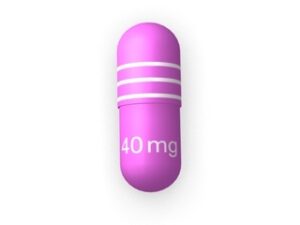
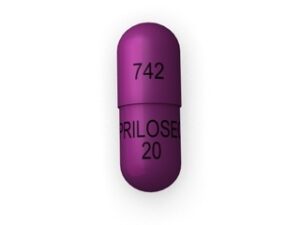
Esomeprazole is a medicine from the proton pump inhibitor (PPI) family. It reduces stomach acid production and is used to treat conditions caused by excess or refluxing acid. In the UK, esomeprazole is available in various strengths and formulations (for example tablets and enteric-coated capsules, depending on the product).
This guide explains how esomeprazole works, when to take it, what to expect, key safety information, and practical tips. It is written for a UK audience and includes general information about interactions, timing with food, and alternatives.
Basic product information
| Product name | Esomeprazole |
|---|---|
| Group | Proton pump inhibitor (PPI) |
| How it works | Reduces acid production in the stomach |
| Common uses | Heartburn and reflux (GERD), stomach/duodenal ulcers, and H. pylori treatment regimens |
| Typical onset | Improves symptoms within 1–3 days; full effect may take longer depending on the condition |
| How it’s taken | Often once daily in the morning; some regimens may be twice daily |
| Availability in the UK | Available through pharmacies and online supply, depending on strength/format |
How esomeprazole works (mechanism of action)
Esomeprazole reduces stomach acid by targeting the proton pump (the “acid pump”) found in the stomach lining. It blocks the final step of acid production, leading to a sustained decrease in acidity.
- Enteric-coated formulation (commonly): designed to protect the medicine from being broken down by stomach acid before it reaches the absorption site.
- Reduced acidity: helps relieve symptoms such as heartburn, acid regurgitation, and stomach pain related to acid.
- Healing support: lowers acid exposure, allowing damaged oesophageal or stomach tissue to heal in conditions like reflux disease or ulcers.
Because it works by blocking acid production at the cellular level, esomeprazole is often most effective when taken as directed for the first days and continued for the full course.
Pharmacokinetics (how the body handles it)
After taking a dose, esomeprazole is absorbed and converted into its active form in the body. Key points include:
- Absorption: typically through the intestines after the coated tablet/capsule dissolves.
- Activation: esomeprazole becomes active in the acidic environment of stomach cells where the proton pump resides.
- Onset of action: symptom improvement is often noticed within the first few days, though healing of tissue may take longer.
- Metabolism: processed mainly in the liver (involving enzymes such as CYP2C19), which can influence interactions with other medicines.
- Elimination: primarily via kidney and faecal routes as metabolites.
Individual differences can affect how strongly someone responds to PPIs (for example genetic differences in CYP2C19 and the presence of certain interacting medicines).
Typical use in the UK
Esomeprazole is used for a range of acid-related conditions, including reflux and ulcer management. In practice, the exact regimen depends on the diagnosis and severity.
Indications (what it can be used for)
Common indications include:
- Gastro-oesophageal reflux disease (GORD/GERD) – symptoms such as heartburn and acid regurgitation.
- Erosive reflux oesophagitis – inflammation and damage of the oesophagus due to acid exposure.
- Maintenance therapy in some patients – to help prevent relapse of erosive oesophagitis.
- Peptic ulcer disease – gastric (stomach) and duodenal ulcers, often as part of a structured treatment plan.
- H. pylori eradication – often combined with antibiotics and other medicines in specific regimens. (The combination and duration depend on local guidance and patient factors.)
If symptoms persist or worsen, it is important to seek appropriate medical advice. Long-term acid suppression should be periodically reviewed.
When and how to take esomeprazole (timing and administration)
Timing with meals
Esomeprazole is typically taken before food to maximise effect because proton pumps are most actively stimulated by meals. Many UK instructions recommend taking it in the morning, before breakfast.
- Once daily dosing: commonly taken at least 30–60 minutes before the first meal of the day.
- Twice daily dosing (where applicable): one dose is usually before breakfast and the second before dinner.
If your product leaflet specifies a different schedule, follow the leaflet instructions provided with your specific brand/strength.
How to take it
- Swallow tablets/capsules whole with water. Do not crush or chew unless the product is specifically designed for it.
- If you miss a dose, take it when you remember unless it is close to the next dose; do not take a double dose.
- Use consistently for the prescribed course to help healing and reduce recurrence.
Practical tip: Choose a daily routine (e.g., after waking and before breakfast). Many people find it easiest to set a reminder.
Food interactions (what to know)
Food can reduce the effect of PPIs if taken at the wrong time. Esomeprazole generally works best when taken before meals.
- Taking with or after food may reduce the degree of acid suppression for some people.
- If you forget and take it after eating, it may still provide benefit, but the result may be less consistent.
There are no major “forbidden” foods for most people, but maintaining a reflux-friendly lifestyle (avoiding large late meals, reducing trigger foods) can improve outcomes alongside medication.
Alcohol and medicine interactions
Alcohol
Alcohol does not directly “cancel out” esomeprazole, but it can worsen reflux symptoms by relaxing the lower oesophageal sphincter and irritating the oesophagus in some people. For best symptom control, consider reducing or avoiding alcohol—especially if you notice a link between drinking and heartburn.
Medicine interactions
Esomeprazole may interact with other medicines, largely because it affects stomach acidity and because it is metabolised by liver enzymes. Always check interactions if you take other prescription or non-prescription medicines.
Examples of medicines that may interact include:
- Clopidogrel: PPIs can reduce clopidogrel effectiveness in some cases. Not all PPIs have the same interaction risk; the safest option depends on your situation.
- Medicines requiring acid for absorption: for some drugs, reduced stomach acid can affect absorption (this depends on the specific medicine).
- Antiretrovirals (e.g., atazanavir, nelfinavir): acid changes can affect levels.
- Warfarin and other vitamin K antagonists: occasionally monitoring may be needed if started or stopped (international normalised ratio changes have been reported).
- Diazepam and other medicines metabolised by liver enzymes: metabolism may be affected.
- Ketoconazole/itraconazole and other antifungals needing stomach acidity: absorption may be reduced.
- Iron supplements and B12: long-term acid suppression may contribute to reduced absorption in some people (more relevant with extended use).
Important: The interaction profile depends on the exact medicine and dose. If you are unsure, speak to a healthcare professional or pharmacist.
Dosing (typical adult regimens)
Dosing depends on the condition being treated, severity, and whether the medicine is being used short-term or as part of an eradication regimen. In the UK, dosing recommendations are typically aligned with the relevant product information and clinical guidelines.
Typical adult dosing patterns may include:
- GORD/heartburn: often once daily, commonly in the morning before breakfast, for a defined period.
- Erosive oesophagitis: may require a higher dose and longer treatment to heal the oesophagus.
- Maintenance therapy: sometimes uses a lower dose after healing.
- Ulcers: dosing varies by ulcer type and may be once or twice daily.
- H. pylori eradication: esomeprazole is used as part of a combination regimen with antibiotics and other supportive medicines; doses and timing are set by the specific regimen.
For the most accurate dosing, follow the instructions provided with your specific product and the advice you receive from a healthcare professional. If you have kidney or liver impairment, dosage may differ and should be individually assessed.
How long does it take to work?
- Heartburn relief: many people notice improvement within 1–3 days.
- Healing of oesophagitis or ulcers: typically requires a course of treatment lasting several weeks depending on diagnosis.
- Maintenance/prevention: may continue longer in some individuals, but it should be reviewed periodically.
If you have severe symptoms, experience difficulty swallowing, or have weight loss, vomiting blood, or black stools, seek prompt medical advice.
Safety profile (side effects and precautions)
Esomeprazole is generally well tolerated. Like all medicines, it can cause side effects in some people. Most effects are mild and temporary.
Common side effects (may include)
- Headache
- Nausea
- Diarrhoea or constipation
- Abdominal pain or bloating
- Flatulence (wind)
Less common or serious concerns (seek advice)
- Allergic reactions (e.g., rash, swelling, breathing difficulty).
- Severe or persistent diarrhoea (including if watery or with fever), which may indicate intestinal infection.
- Unexplained bruising/bleeding or significant fatigue (rare).
- Clostridioides difficile risk: PPIs are associated with increased risk of certain intestinal infections, particularly with long-term use.
Long-term use considerations (UK-relevant)
If you use a PPI for many months or years, your clinician may review whether ongoing treatment is still necessary and whether monitoring is appropriate. Prolonged suppression of stomach acid can be associated with:
- Lower magnesium levels in rare cases
- Vitamin B12 and iron absorption changes
- Increased risk of fractures in certain higher-risk populations (evidence suggests an association with long-term use)
- Infections such as pneumonia or gastrointestinal infections in susceptible individuals
Practical tip: Do not stop suddenly after long-term therapy without guidance. Some people experience rebound acid symptoms; gradual reduction or review may be recommended.
Practical use tips for best results
- Take it consistently: choose a routine (e.g., before breakfast).
- Don’t “double up” if you miss a dose; follow the product advice.
- Pair with lifestyle steps:
- Avoid large meals and late-night eating
- Limit trigger foods (spicy, fatty, or acidic foods may worsen symptoms)
- Raise the head of the bed if night reflux occurs
- Avoid smoking and consider weight management if relevant
- Check ongoing symptoms: if symptoms return quickly after stopping, discuss with a pharmacist or clinician.
- Review other medicines: if you take multiple drugs, interaction checking is worthwhile (especially antiplatelet and anticoagulant medicines).
Alternative options
Depending on your symptoms and diagnosis, alternatives to esomeprazole may include:
Other acid-suppressing medicines
- Other PPIs: omeprazole, lansoprazole, pantoprazole, rabeprazole.
- H2-receptor antagonists: famotidine and similar medicines (often used for milder symptoms or occasional relief).
- Antacids: for quick, short-term symptom relief (may not treat the underlying cause as effectively as PPIs).
Non-medicine approaches
- Diet and lifestyle changes for reflux management
- Weight management (if relevant)
- Adjusting meal timing (avoid late meals)
- Smoking cessation
Your choice depends on symptom frequency, severity, and whether there is confirmed ulcer disease or oesophagitis.
Market and legal context in the United Kingdom
In the UK, esomeprazole products are supplied according to their legal classification and local pharmacy arrangements. Some strengths and pack sizes may be available for over-the-counter supply in certain circumstances, while others may be restricted to professional supply pathways depending on the product and regulatory status.
As with all medicines, pharmacists and online dispensers must:
- Provide appropriate product information
- Support safe use and screening for contraindications and interactions
- Encourage medical review for red-flag symptoms or persistent problems
If you have recurrent symptoms, alarm features (such as difficulty swallowing, unexplained weight loss, vomiting blood or black stools), or symptoms that do not improve with treatment, UK guidance typically supports prompt assessment rather than repeated self-treatment.
Recent guidance and clinical approach (UK overview)
Over recent years, UK and international clinical practice has increasingly emphasised:
- Using the lowest effective dose for the shortest time needed
- Reviewing ongoing therapy to reduce unnecessary long-term use
- Assessing persistent symptoms for possible alternative diagnoses (rather than assuming reflux alone)
- Addressing H. pylori using evidence-based combination strategies where applicable
Guidance continues to stress that PPIs are highly effective, but appropriate review is important for long-term users. If you are using esomeprazole for months, it is sensible to ask a pharmacist or clinician whether your current regimen still matches your needs.
Delivery and availability (UK online pharmacy)
Esomeprazole availability can vary by:
- Pack size (quantity in the box)
- Strength (e.g., lower-strength products may be more widely accessible)
- Formulation (tablets vs other forms)
- Current stock levels with the supplier
When ordering from a UK online pharmacy, delivery typically depends on your location and the selected delivery option. Many services offer standard and express delivery (subject to availability and product dispatch timing).
- Check stock status before ordering.
- Allow processing/dispatch time indicated at checkout.
- Keep packaging and follow the patient information leaflet provided.
If a product is temporarily out of stock, some online pharmacies may offer alternatives with similar active ingredients or allow backorder depending on their policies.
FAQ – Frequently asked questions
1) Can I take esomeprazole every day?
Many people take esomeprazole once daily for reflux or ulcer conditions. However, the need for ongoing daily use should be reviewed, especially if symptoms are controlled. Always follow the dosing schedule for your condition and product.
2) Should I take it before breakfast or after food?
For best results, take esomeprazole before food—commonly in the morning before breakfast. Taking it after a meal may reduce effectiveness for some people.
3) What if I miss a dose?
Take it when you remember if it is still reasonably close to your scheduled time. If it is almost time for the next dose, skip the missed one—do not take a double dose.
4) How quickly will it work?
Many people notice symptom relief within a few days, but tissue healing may take longer. If you don’t feel any improvement within the expected timeframe for your condition, seek advice.
5) Is it safe to take with other medicines?
Esomeprazole can interact with certain medicines (for example, some antiplatelet and anticoagulant therapies, and drugs that depend on stomach acidity). It’s best to check interactions with a pharmacist—particularly if you take multiple medicines.
6) Can I drink alcohol while taking esomeprazole?
Alcohol does not directly neutralise esomeprazole, but it can worsen reflux symptoms. If you notice heartburn after alcohol, reducing or avoiding it is recommended.
7) Are there long-term side effects?
Most people tolerate esomeprazole well. With long-term use, there can be rare risks related to nutrient absorption and infections. Long-term therapy should be regularly reviewed by a healthcare professional.
8) Can esomeprazole be used for stomach ulcers and H. pylori?
Yes, esomeprazole is used for ulcers and for H. pylori eradication as part of combination treatment. The exact regimen depends on the diagnosis and prescribed plan.
9) What are the “red flag” symptoms that need medical advice?
Seek prompt medical advice if you experience:
- Difficulty swallowing
- Unexplained weight loss
- Vomiting blood or black/tarry stools
- Persistent vomiting, severe pain, or anaemia-related symptoms
- Symptoms that don’t respond to treatment as expected
10) What should I do if my reflux keeps coming back?
If symptoms recur quickly after stopping, it may mean you need reassessment or a different strategy (dose adjustment, lifestyle changes, or checking for alternative causes). Talk to a pharmacist or clinician for guidance.
Disclaimer: This page provides general information about esomeprazole and is not a substitute for professional medical advice. Always read the patient information leaflet for your specific product and seek advice for urgent or complex situations.