Ezetimibe: Patient-Friendly Guide (UK)
Ezetimibe is a medicine used to lower cholesterol, particularly the cholesterol carried in low-density lipoproteins (LDL), often called “bad cholesterol”. It is commonly used alongside dietary advice and, in many people, alongside a statin.
This guide explains how ezetimibe works, how it is taken, what to expect, and important safety information for use in the United Kingdom.
Quick facts
- Medicinal ingredient: Ezetimibe
- What it helps with: Lowering LDL cholesterol and improving lipid profiles
- How it’s usually taken: Once daily, with or without food
- Common use: With a statin or as an alternative when a statin isn’t suitable
- Common starting point: 10 mg once daily (typical dose)
Basic product information
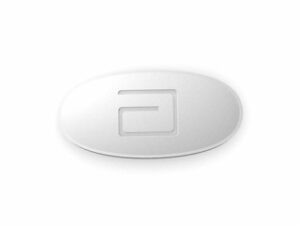
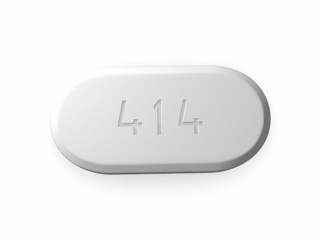
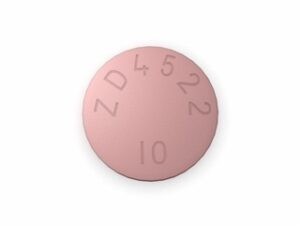
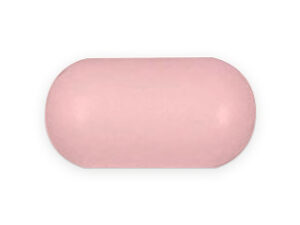
In the UK, ezetimibe is available as tablet medicine. The most common strength used in practice is 10 mg tablets. The exact brand name and packaging may differ, but the active ingredient is the same.
How ezetimibe is presented (general):
- Tablets taken by mouth with water
- Usually taken once per day
- Stored at room temperature away from moisture and heat
How ezetimibe works (mechanism of action)
Ezetimibe works in the small intestine. It blocks a protein called NPC1L1 (Niemann-Pick C1-like 1). This protein is responsible for absorbing cholesterol from the diet and from bile (cholesterol that is released into the gut to help with digestion).
By reducing cholesterol absorption, ezetimibe helps lower the amount of cholesterol reaching the liver. In turn, the liver increases clearance of LDL cholesterol from the bloodstream.
Key points about mechanism
- Primary action site: Intestine (not the liver)
- Effect: Lower LDL cholesterol
- Compatibility: Often used with statins for greater LDL-lowering effect
Pharmacokinetics: what the body does to ezetimibe
After you swallow ezetimibe, it is absorbed and extensively converted in the gut wall and liver to its main active metabolite: ezetimibe glucuronide.
Absorption and conversion
- Converted rapidly to ezetimibe glucuronide
- Only a small portion of the active drug remains as unchanged ezetimibe
Distribution
- Both ezetimibe and its metabolite are distributed to relevant tissues
Metabolism
- Primarily metabolism via glucuronidation
Elimination
- Elimination mainly via the bile and intestines
- Small amounts are eliminated in urine
In most people, the cholesterol-lowering effect becomes noticeable within a couple of weeks, with the largest effect often reached by around 4–6 weeks. Your clinician may repeat blood tests to assess response.
Typical use in the UK
Ezetimibe is used as part of cholesterol management. It may be recommended when:
- LDL cholesterol remains above target despite lifestyle changes, sometimes with a statin
- A statin cannot be tolerated or is not suitable, and alternative treatment is needed
- Add-on therapy is required for people at higher cardiovascular risk
Ezetimibe is not a quick “rescue” medicine. It helps steadily lower cholesterol levels and supports long-term cardiovascular risk reduction when used alongside appropriate medical care.
Indications: what ezetimibe is used for
In the UK, ezetimibe is indicated for the treatment of:
- Primary (familial and non-familial) hypercholesterolaemia, as an adjunct to diet
- Homozygous familial hypercholesterolaemia, as an adjunct to diet, where statin therapy may be used
- Mixed hyperlipidaemia, as an adjunct to diet, in combination with a statin
It is used to help reduce levels of total cholesterol and LDL cholesterol, and it can also modestly reduce non-HDL cholesterol and triglycerides in many people.
How to take ezetimibe: dosing and timing
Usual adult dose
The typical recommended dose for most adults is:
| Group | Typical dose | How often | Food requirement |
|---|---|---|---|
| Adults (most indications) | 10 mg | Once daily | With or without food |
| Children / adolescents | Dose depends on age and indication | Often once daily | With or without food (as directed) |
Timing: when should you take it?
- Take it at the same time each day to help you remember.
- Because it can be taken with or without food, you can choose the time that best fits your routine.
- If you miss a dose, take it when you remember unless it is close to the next dose. Do not take a double dose.
How long will you need to take it?
Cholesterol management is usually long-term. Many people continue ezetimibe for months or years, particularly when used to reduce ongoing cardiovascular risk. Your lipid levels guide treatment decisions, so periodic blood tests are important.
Food interactions
Ezetimibe can generally be taken with or without food. This makes it easier to fit into daily life.
Practical considerations:
- If food affects your routine, you may simply choose a consistent time (morning or evening).
- Continue dietary advice from your healthcare team (for example, reducing saturated fat and improving fibre intake).
Alcohol and medicine interactions
Ezetimibe does not have the same classic “alcohol intolerance” pattern seen with some medicines, but alcohol can still affect your overall cardiovascular risk and general health.
Alcohol: general advice
- Moderate alcohol intake is usually compatible with cholesterol-lowering treatment for many people.
- If you drink heavily or have liver problems, discuss with a clinician before continuing therapy.
Important medicine interactions
The most relevant interaction to be aware of is with cholesterol absorption/binding agents and certain other drugs. Always check with your pharmacist if you take additional medicines.
- Bile acid sequestrants (e.g., colestyramine, colestipol): may reduce the absorption of ezetimibe if taken at the same time. Your pharmacist may advise taking ezetimibe at a different time of day.
- Statins: combination is common. Monitor for side effects, especially muscle symptoms, as with all statin regimens.
- Other lipid-lowering medicines: some combinations increase monitoring needs.
If you are currently taking other medications, including herbal products, it’s important to review them for potential interactions. This includes supplements that may affect the liver or drug metabolism.
Safety profile: who should be careful?
Most people tolerate ezetimibe well. As with any medicine, side effects can occur, and certain situations require extra caution. If you experience troubling or persistent symptoms, seek medical advice.
Common side effects
- Headache
- Diarrhoea or abdominal discomfort
- Fatigue
- Sometimes nausea
Side effects are usually mild and often improve over time.
Serious but uncommon risks
- Allergic reactions (for example, swelling of face/lips, rash, difficulty breathing): urgent medical attention is needed.
- Liver problems (especially if used with statins): report symptoms such as unusual tiredness, dark urine, or yellowing of the skin/eyes.
- Muscle symptoms: particularly when combined with statins. Seek advice if you notice muscle pain, tenderness, weakness, or dark urine.
Who should discuss before starting?
- People with a history of liver disease
- People who have previously experienced unexplained muscle problems
- People taking multiple medicines, especially lipid-lowering treatments
- Pregnant or breastfeeding individuals: discuss suitability with healthcare professionals
Practical use tips for everyday life
- Make it routine: link your tablet to a daily habit (brushing teeth, breakfast, or evening meal).
- Keep appointment schedules: follow up blood tests as advised to check lipid response and liver enzymes if needed.
- Stay consistent: take the medicine daily unless told otherwise; cholesterol targets depend on ongoing use.
- Watch for symptoms: if you develop new muscle pain or signs of liver issues, contact a clinician promptly.
- Continue lifestyle measures: medication works best alongside a heart-healthy diet and regular physical activity.
Alternative options (UK)
Depending on your lipid levels, cardiovascular risk, medical history, and tolerance of treatment, healthcare professionals may consider alternatives to ezetimibe or combinations with it.
Common alternatives
- Statins (e.g., atorvastatin, simvastatin, rosuvastatin): often first-line for LDL reduction.
- Other cholesterol absorption inhibitors: ezetimibe is the main agent in this class for many patients.
- PCSK9 inhibitors (injectable): used for selected higher-risk patients, typically where LDL remains high despite other therapy.
- Bempedoic acid and other emerging lipid therapies: may be considered in certain cases.
- Fibrates (mainly for triglycerides): used when triglycerides are the main concern.
- Omega-3 fatty acids (in selected forms/doses): may be used as part of triglyceride management.
The “best” option depends on your overall risk and lab results. Your pharmacist or clinician can help you understand what alternatives mean in practice.
Recent guidance and UK context (overview)
In the UK, cholesterol management is generally guided by national and clinical frameworks that emphasise:
- Assessing overall cardiovascular risk
- Using lifestyle measures alongside medication
- Achieving LDL targets where appropriate
- Adapting treatment based on tolerance, side effects, and comorbidities
Ezetimibe is widely used as an add-on therapy when LDL cholesterol needs further reduction beyond what a statin provides, and it may also be used when a statin is not tolerated.
Guidance and thresholds can evolve, so it’s important to follow advice from your healthcare team and keep up with review of your lipid profile.
Delivery and availability in the UK
Availability of ezetimibe depends on brand, strength, and whether it is supplied as a generic or branded tablet. Online pharmacies in the UK typically offer:
- Standard delivery options (often within a few working days, depending on the service)
- Tracking updates where available
- Secure packaging to protect tablets from moisture
If you need ezetimibe urgently, check the website’s delivery estimates for your postcode and the current stock status. Where stock levels vary, delivery times can differ between strengths or manufacturers.
Storage at home: Keep tablets in their original packaging, tightly closed, away from heat and damp environments (like a bathroom cabinet).
FAQ
1. What is ezetimibe used for?
Ezetimibe is used to lower cholesterol levels, particularly LDL (“bad cholesterol”). It is used alongside dietary advice and may be combined with a statin depending on individual risk and lipid results.
2. How quickly will ezetimibe lower my cholesterol?
Cholesterol levels often begin to improve within a couple of weeks, with fuller effects typically seen over about 4–6 weeks. Your clinician may arrange blood tests around this time to check your response.
3. Can I take ezetimibe with food?
Yes. Ezetimibe can be taken with or without food. Choose a time that helps you remember daily dosing.
4. Should I avoid alcohol?
Moderate alcohol intake is generally compatible for many people. However, heavy drinking or existing liver conditions may increase risk. If you have liver problems or drink heavily, speak to a healthcare professional for personalised advice.
5. What if I forget a dose?
If you miss a dose, take it when you remember unless it is near your next scheduled dose. Do not take a double dose to make up for the missed tablet.
6. What side effects should I watch for?
Common effects include headache, stomach discomfort, or diarrhoea. Contact a clinician urgently if you develop signs of allergy (swelling, breathing difficulties) or symptoms that could indicate liver or muscle problems.
7. Can I take ezetimibe with a statin?
Yes—this combination is commonly used and can provide greater LDL-lowering than either alone. However, side effects can still occur, so report muscle pain, weakness, or unusual symptoms promptly.
8. Does ezetimibe interact with other medicines?
Potential interactions can occur, particularly with bile acid sequestrants and other lipid-lowering medicines. Always tell your pharmacist about all medicines and supplements you take so they can advise on timing and safety.
9. Is ezetimibe suitable for everyone?
Many people can take ezetimibe, but suitability depends on your medical history and the medicines you use—especially if you have liver issues, muscle disorders, are pregnant, or are breastfeeding. Ask a healthcare professional if you are unsure.
10. Are there alternatives if ezetimibe doesn’t work for me?
Yes. Treatment can be adjusted depending on your LDL response and tolerance, including higher-intensity statin strategies, different lipid-lowering medicines, or newer therapies for selected patients. Lifestyle changes remain important regardless of medicine choice.
Important patient reminder
This information is designed to help you understand ezetimibe. It does not replace advice from qualified healthcare professionals. If you have questions about your specific situation—such as interactions, side effects, or cholesterol targets—speak to your pharmacist or clinician.