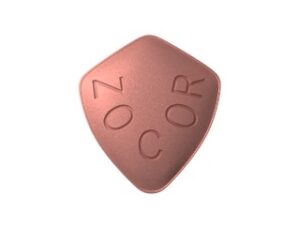
Crestor (Rosuvastatin) — Patient-Friendly Guide (UK)
Crestor contains rosuvastatin, a medicine used to lower cholesterol and reduce the risk of cardiovascular events such as heart attack and stroke. This guide is written to be clear and practical for patients in the United Kingdom.
| Product name | Crestor |
|---|---|
| Active ingredient | Rosuvastatin |
| Drug type | Statin (cholesterol-lowering medicine) |
| Common strengths | Typically available in 5 mg, 10 mg, 20 mg and 40 mg tablets |
| Uses | Lower LDL (“bad”) cholesterol and help reduce cardiovascular risk |
| Typical dosing frequency | Once daily (same time each day is helpful) |
| Key safety notes | Muscle effects, liver blood tests, and medicine interactions |
How Crestor works (mechanism of action)
Rosuvastatin belongs to a group of medicines called statins. Statins work by reducing the liver’s production of cholesterol.
- Rosuvastatin inhibits an enzyme in the liver called HMG-CoA reductase.
- This leads to lower LDL cholesterol (often called “bad cholesterol”) and can also modestly raise HDL (“good cholesterol”) and lower triglycerides.
- Over time, lowering LDL cholesterol helps stabilise fatty deposits in the arteries and reduces the chance of heart attack and stroke.
Pharmacokinetics (how the medicine behaves in the body)
Understanding the basic “journey” of rosuvastatin can make it easier to take correctly.
- Absorption: Rosuvastatin is absorbed from the gut after taking a tablet. Taking it with or without food generally does not significantly change overall effect, though individual experiences can vary.
- Distribution: It primarily acts in the liver, where cholesterol production is regulated.
- Protein binding: Rosuvastatin is extensively bound to blood proteins, influencing its activity and potential interactions.
- Metabolism: It is metabolised to a lesser extent than some other statins, with several pathways involved. Some interactions relate to how drugs are processed in the liver and transported in the body.
- Elimination: Rosuvastatin is cleared from the body through multiple routes, including bile and urine.
- Onset of effect: Cholesterol reduction can begin within days, with the greatest effect often seen over several weeks after starting or changing dose.
What Crestor is used for (indications) in the UK
Crestor is used to:
- Lower LDL cholesterol in adults with high cholesterol (hypercholesterol(aemia)) when lifestyle changes alone are not enough.
- Help reduce the risk of cardiovascular events in people at increased risk, including those with known heart or blood vessel disease.
- Treat certain lipid disorders under clinical supervision, including familial forms of hypercholesterolaemia.
- Reduce progression of atherosclerosis and support overall cardiovascular prevention strategies.
If you’re unsure whether Crestor is appropriate for you, ask a qualified healthcare professional about the reason for treatment and how success will be monitored (for example, blood lipid tests).
Typical dosing and timing
Crestor is taken once daily. Many people find it easiest to take it at the same time each day.
General dosing principles (UK patient guidance style)
- Doses are individual and depend on your cholesterol levels, cardiovascular risk, and other medicines you take.
- Some people start on a lower dose and may be increased after blood tests.
- Your clinician may check lipid levels and adjust the dose to achieve treatment goals.
When to take it
- Any time of day is generally acceptable because rosuvastatin has a long enough duration of action.
- Consistency matters: taking it at the same time helps adherence.
- If you miss a dose, take it when you remember unless it is close to the next dose—then skip the missed dose and continue as normal. (Do not take a double dose.)
Food interactions: can you take Crestor with meals?
Rosuvastatin can generally be taken with or without food. In most patients, meals do not cause meaningful changes to overall effect.
However, some practical points:
- Maintain a consistent routine (for example, always after breakfast or always in the evening).
- If you notice stomach upset or nausea, try taking it with a small meal and speak to a healthcare professional if symptoms persist.
- If you take lipid-lowering medicines such as bile acid sequestrants (see interactions below), timing relative to those medicines can matter.
Alcohol and medicine interactions
Alcohol
Alcohol does not directly “cancel” rosuvastatin, but heavy or regular alcohol intake can affect the liver, and rosuvastatin may require liver blood tests as part of safe use.
- If you drink alcohol, do so in moderation.
- Tell your healthcare professional if you have a history of liver disease, drink heavily, or have had abnormal liver tests.
- Seek advice promptly if you develop symptoms that could indicate liver problems, such as unusual fatigue, yellowing of the skin/eyes, dark urine, or persistent upper abdominal pain.
Important medicine interactions
Interactions can increase the risk of side effects, particularly muscle-related effects (myopathy/rhabdomyolysis) or liver problems. Always provide a complete list of your medicines (including over-the-counter products and supplements) to a healthcare professional.
Examples of medicines/situations that may interact with rosuvastatin include:
- Other lipid-lowering drugs: especially fibrates (e.g., gemfibrozil, fenofibrate) and some combinations used to manage triglycerides.
- Antivirals for HIV/HCV: some antiviral therapies can raise rosuvastatin levels.
- Immunosuppressants: for example, ciclosporin may increase rosuvastatin exposure.
- Antibiotics/antifungals: some can increase rosuvastatin levels.
- Bile acid sequestrants: these may require separation in timing to avoid reduced absorption of the statin.
- Warfarin and other anticoagulants: monitoring may be needed because clotting parameters can be affected.
- Digoxin: in some cases, levels may be influenced—monitoring may be recommended.
- Colchicine: used for gout; the combination may increase muscle-related risks in some people.
St John’s wort and some herbal products may affect drug levels. Always check before taking herbal remedies.
Safety profile: common and serious side effects
Most people tolerate rosuvastatin well. However, it’s important to be aware of possible adverse effects and when to seek medical advice.
Common side effects
- Headache
- Nausea or mild stomach upset
- Muscle aches (mild muscle discomfort can occur; persistent or severe symptoms should be reported)
Serious side effects—seek medical help promptly
- Muscle problems: stop and seek urgent advice if you have severe muscle pain, tenderness, weakness, or dark/brown urine, especially with fever or feeling unwell. These may indicate rare but serious muscle damage.
- Liver issues: get medical advice if you develop signs such as yellowing of the eyes/skin, severe fatigue, itching, dark urine, or unexplained right-sided abdominal pain.
- Allergic reactions: swelling of the face/lips, trouble breathing, widespread rash, or severe skin reactions require urgent assessment.
Risk factors for adverse effects
Risk can be higher in certain situations, including:
- Advanced age
- Low body weight or frailty
- Uncontrolled hypothyroidism
- Kidney disease
- Concurrent use of interacting medicines
- Previous muscle-related statin reactions
Monitoring (what your clinician may check)
- Lipid blood tests to evaluate cholesterol response.
- Liver blood tests if clinically indicated.
- Muscle assessment if symptoms occur (sometimes creatine kinase, CK, may be measured).
- Kidney function in some patients, especially if higher doses or risk factors exist.
Practical use tips for getting the best results
- Take it daily: cholesterol control depends on regular use.
- Use a pill organiser if you sometimes forget doses.
- Keep lifestyle measures going: statins work best alongside a heart-healthy diet, regular activity, stopping smoking, and managing blood pressure and diabetes.
- Recognise early muscle symptoms: mild aches may happen, but severe pain/weakness should be reported.
- Avoid unnecessary dose changes: don’t increase or stop without clinical advice.
- Check new medicines: when you’re prescribed new drugs or you buy over-the-counter products, ask whether they interact with rosuvastatin.
Advice on missed doses, stopping, and switching
- Missed dose: take as soon as you remember unless it’s near the next dose; then skip the missed one.
- Stopping: do not stop suddenly without advice, particularly if you’ve had heart disease or stroke prevention. If you must stop because of side effects, seek guidance promptly.
- Switching statins: if you move from one statin to another, your cholesterol response and tolerance may change; monitoring is typically arranged.
Alternative options to Crestor (rosuvastatin)
Statins are not the only option for cholesterol management. Alternatives may include:
- Other statins: atorvastatin, simvastatin, pravastatin, fluvastatin.
- Ezetimibe: reduces cholesterol absorption in the gut; often used in combination with statins for additional LDL reduction.
- Bempedoic acid (where appropriate): an option for certain patients requiring further LDL lowering.
- PCSK9 inhibitors (for selected high-risk cases): injectable treatments that significantly lower LDL.
- Fibrates: particularly used when triglycerides are high, though they may have interaction considerations with statins.
- Omega-3 fatty acids (in certain forms and doses): may help triglyceride lowering as advised.
Which alternative is best depends on your lipid pattern, overall cardiovascular risk, other medicines, kidney and liver function, and treatment goals.
UK market and legal context (overview)
Medicines like Crestor are regulated in the United Kingdom by the Medicines and Healthcare products Regulatory Agency (MHRA) and are supplied within the NHS and private healthcare settings under UK medicines legislation.
In the UK, availability can differ by formulation/strength and manufacturer supply. Online pharmacies typically follow strict requirements around sourcing, storage, packaging, and identity verification of products.
Always ensure you receive an authentic product from a regulated supplier and store it correctly (see “delivery and availability” below for practical points).
Recent guidance and best-practice considerations in the UK
UK cholesterol management is guided by evidence-based cardiovascular prevention approaches, including NICE recommendations and specialist guidance. While exact eligibility criteria may vary by clinical pathway (for example, primary prevention versus secondary prevention), the overall approach typically includes:
- Assessing cardiovascular risk using validated tools.
- Starting lifestyle changes alongside medication where appropriate.
- Treat-to-target or goal-based LDL lowering in many settings, with dose adjustment based on response and tolerance.
- Careful monitoring for side effects and interactions.
Dosing and monitoring may be tailored for older adults, people with kidney disease, and those taking interacting medicines. Your clinician may also consider broader risk factors such as smoking, blood pressure, diabetes, and inflammatory conditions.
Delivery and availability (online pharmacy considerations in the UK)
Availability of Crestor may vary by strength and current supplier stock. Most online pharmacies provide:
- Clear stock information at checkout (where available).
- Packaging protection to help keep tablets safe during transit.
- Tracking options depending on delivery service.
- Storage guidance (typically store below a specified temperature, protect from moisture, and keep out of reach of children).
For medication safety, ensure you:
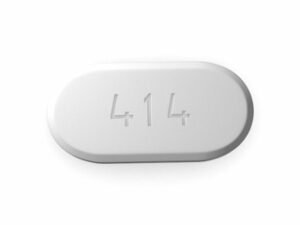
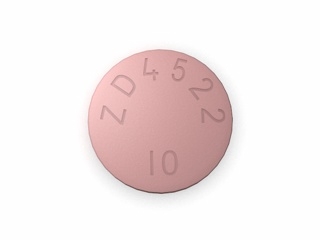
- Check the tablet strength matches what you expect.
- Confirm the dosage instructions provided with your supply.
- Store the medicine as directed on the pack.
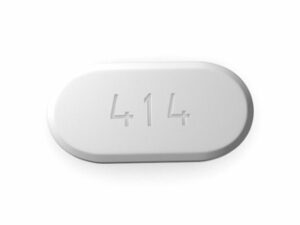
- Contact the supplier or your healthcare professional if anything looks unusual (e.g., damaged packaging, unexpected tablets).
FAQ (Frequently asked questions)
1) What is Crestor used for?
Crestor (rosuvastatin) is used to lower LDL cholesterol and help reduce the risk of cardiovascular events such as heart attack and stroke, particularly in people with high cholesterol or increased cardiovascular risk.
2) How quickly will I notice results?
Cholesterol levels can start improving within days. The full effect is usually assessed after several weeks, and blood tests are commonly done after starting or changing dose.
3) Can I take Crestor with food?
Yes. Crestor can typically be taken with or without food. Many people choose the time of day they are most consistent with.
4) Does alcohol affect Crestor?
Moderate alcohol is generally acceptable, but heavy or regular drinking may affect the liver. Because rosuvastatin can be associated with liver enzyme changes, discuss your alcohol intake with your healthcare professional, especially if you have liver disease or previous abnormal liver tests.
5) What medicines should I avoid with rosuvastatin?
Several medicines may increase the risk of side effects by raising rosuvastatin levels or interacting with muscle/liver safety. These can include certain antivirals, ciclosporin, fibrates, and some antibiotics/antifungals. Always share your full medicine list with a healthcare professional before starting new products.
6) What side effects should I watch for?
Seek urgent medical advice if you develop severe muscle pain/weakness or dark urine, or signs of liver issues (yellow skin/eyes, severe fatigue, dark urine). Mild aches or headache can occur, but persistent or worsening symptoms should be discussed.
7) What if I miss a dose?
Take it when you remember unless it’s close to your next dose. Then skip the missed dose and continue as normal. Do not take a double dose.
8) Can I stop Crestor if my cholesterol improves?
Cholesterol improvement often depends on ongoing medication. Stopping may cause cholesterol levels to rise again. Any changes should be discussed with your healthcare professional, especially if you’re taking Crestor to reduce cardiovascular risk.
9) Are there alternatives if I can’t tolerate rosuvastatin?
Yes. Depending on your needs, alternatives may include other statins, ezetimibe, and other cholesterol-lowering therapies. Your clinician can help choose an option based on your lipid profile and side effects.
10) Is Crestor the same as other statins?
All statins lower cholesterol, but they differ in potency, metabolism, typical dosing, and interaction risk. If you switch to a different statin, monitoring and dose adjustments may be required.
Storage and handling (general advice)
- Keep tablets in the original packaging until use.
- Store at the recommended temperature on the pack, protect from moisture, and keep out of reach of children.
- Do not use after the expiry date shown on the pack.
Disclaimer: This page provides general information for patients in the UK. Individual dosing, monitoring, and safety advice can differ based on your medical history and other medicines. If you have any questions or concerns about Crestor, speak to a qualified healthcare professional.