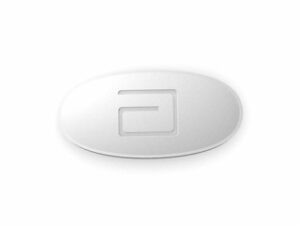
Zetia (Ezetimibe) – Patient-Friendly Guide
Zetia contains ezetimibe, a medicine used to help lower cholesterol levels. It is commonly prescribed to reduce LDL cholesterol (“bad cholesterol”) and to support cardiovascular health, especially in people who have raised cholesterol or higher cardiovascular risk.
This page explains how Zetia works, how it is taken, what to expect, important safety information, and practical tips—written for patients in the United Kingdom.
Key product information
| Feature | What it means for patients |
|---|---|
| Medicine | Zetia (ezetimibe) |
| What it is for | To lower LDL cholesterol and reduce cardiovascular risk |
| How it works | Reduces cholesterol absorption in the small intestine |
| Typical dose | Usually 10 mg once daily |
| When to take | Any time of day; try to take consistently |
| Food effects | Can be taken with or without food |
| Common side effects | Generally mild; headache, diarrhoea, abdominal discomfort may occur |
What is Zetia and who might use it?
Zetia (ezetimibe) is a cholesterol-lowering medicine. It can be used alone or, more commonly, in combination with a statin (another cholesterol medicine) when further LDL reduction is needed.
It may be considered for:
- People who cannot tolerate a statin or need an alternative option to help lower cholesterol.
- People taking a statin whose LDL cholesterol is not lowered enough to meet targets.
- People with certain lipid disorders, as advised by their healthcare team.
Mechanism of action: how ezetimibe lowers cholesterol
Ezetimibe works in the small intestine. It blocks the NPC1L1 transporter (a protein that helps cholesterol move into intestinal cells).
By reducing dietary and biliary cholesterol absorption, ezetimibe helps lower cholesterol levels in the blood. It does not primarily act in the liver or directly affect cholesterol production in the same way as statins.
Why combination therapy can help
When ezetimibe is used with a statin, they work in different ways:
- Statins reduce cholesterol production in the liver.
- Ezetimibe reduces cholesterol absorption from the intestine.
This “two-way” approach can provide additional LDL cholesterol lowering compared with either medicine alone.
Pharmacokinetics (how the body handles Zetia)
Understanding pharmacokinetics can help you know what to expect. Key points include:
- Absorption: Ezetimibe is absorbed after oral administration and is converted mainly to its active metabolite, ezetimibe-glucuronide.
- Active form: The clinical effect relates to ezetimibe and its metabolite, with ezetimibe-glucuronide being a prominent circulating form.
- Distribution: Ezetimibe and its metabolites distribute through the body; they are bound to plasma proteins.
- Elimination: The medicine is cleared via the liver/bile and is eliminated mainly in the faeces. A smaller proportion is eliminated in the urine.
- Half-life: The elimination half-life supports once-daily dosing.
Individual handling can vary, particularly with liver impairment. If you have liver problems, your healthcare team may monitor you more closely.
Typical use and indications in the UK
In the UK, Zetia is used as part of cholesterol management strategies to lower LDL cholesterol. It may be used:
- As add-on therapy to a statin when additional LDL lowering is required.
- As monotherapy in people who cannot take a statin or where statin use is not suitable.
- In specific genetic or rare lipid disorders, where cholesterol management is needed.
Your exact indication depends on your lipid profile, risk factors, age, and other medical conditions. Your prescriber and pharmacist can explain how Zetia fits your overall treatment plan.
How and when to take Zetia
Timing
Zetia is typically taken once daily, at a time that suits you. Many people choose a consistent time (e.g., with a morning meal or evening routine) to help remember the dose.
Dose
The most common adult dose is 10 mg by mouth once daily. Doses for children or certain conditions may differ and must follow clinical guidance.
How to take it
- Swallow the tablet with water.
- You can take it with or without food.
- Try to take it around the same time each day.
If you miss a dose
If you forget a dose, take it when you remember on the same day. If you only remember the next day, skip the missed dose and take the next dose at the usual time. Do not take a double dose to make up for a missed tablet.
Food interactions and taking with meals
Zetia can generally be taken independently of meals, so there is usually no need to adjust timing because of food. This can make it easier to fit into everyday routines.
Cholesterol medicines that bind bile acids
Some cholesterol-lowering medicines, such as bile acid sequestrants, can affect the absorption of other medicines. A common approach is to separate doses by a time interval—your pharmacist can confirm the best schedule for you.
Alcohol and medicine interactions
Moderate alcohol intake does not usually have a direct interaction with ezetimibe. However, alcohol can affect liver health and cholesterol management overall, and your risk profile depends on your medical history.
If you drink alcohol regularly or have liver problems, discuss this with your healthcare team. Also remember that Zetia is often used with other cholesterol medicines (including statins), and alcohol advice may depend more on those medicines and your liver function.
Important: tell your pharmacist about everything you take
Interactions can involve prescription medicines, over-the-counter products, vitamins, and herbal remedies. Even “natural” products can affect how medicines work. Take particular care with:
- Other cholesterol medicines (especially those used to lower triglycerides or bile-related therapies)
- Medicines that affect liver enzymes (your pharmacist can check this)
- Blood-thinning medicines (if relevant—always seek specific advice)
Medication interactions: what to watch for
Zetia can be combined with other lipid-lowering therapies, and its safety profile is well established. Still, some combinations require monitoring. Your pharmacist can check interactions based on your exact medicines.
When Zetia is used with a statin
Combining ezetimibe with statins is common. In this situation, the overall interaction considerations include the known safety profile of the statin as well as ezetimibe.
- Liver tests: Your healthcare team may monitor liver enzymes, particularly if you have risk factors.
- Muscle symptoms: Report unexplained muscle pain, tenderness, or weakness promptly.
Other potential interaction points
Certain medicines can influence absorption or metabolism. For example:
- Bile acid sequestrants may require dose separation.
- Some lipid-modifying therapies can affect how your treatment is monitored.
Always confirm the timing and whether any additional monitoring is needed for your specific combination.
Safety profile: side effects and when to seek help
Like all medicines, Zetia can cause side effects. Many people experience no or only mild effects. If you feel unwell after starting Zetia, contact a healthcare professional for advice.
Common side effects
- Headache
- Diarrhoea
- Abdominal pain or discomfort
- Feeling tired or unwell (less commonly)
Less common but important effects
Seek prompt medical advice if you develop:
- Allergic reactions such as rash, itching, swelling of the face/lips, or difficulty breathing
- Unexplained muscle pain, weakness, or dark urine (especially if also taking a statin)
- Signs of liver problems such as yellowing of the skin or eyes (jaundice), severe fatigue, dark urine, or severe upper abdominal pain
Who needs extra caution?
- Liver impairment: Extra monitoring may be recommended.
- People taking combinations (e.g., statins): muscle and liver risks depend on the full regimen.
- Those who have experienced medication-related side effects before should be monitored closely.
Pregnancy and breastfeeding
If you are pregnant, planning pregnancy, or breastfeeding, discuss this with your healthcare team. The appropriateness of Zetia depends on your circumstances and the overall benefit–risk balance.
Practical use tips for getting the best results
Cholesterol medicines work best alongside long-term lifestyle changes. Zetia supports cholesterol lowering, but it does not replace healthy habits.
Make adherence easier
- Use a daily routine: Link your tablet to a consistent activity (e.g., breakfast).
- Consider reminders: Phone alarms or weekly pill organisers can help.
- Don’t stop suddenly: If you’re experiencing side effects, speak to a healthcare professional rather than stopping without advice.
Lifestyle to support LDL lowering
- Eat a heart-healthy diet (often emphasising fibre, vegetables, and unsaturated fats).
- Maintain a healthy weight where possible.
- Exercise regularly, as advised by your clinician.
- Avoid smoking.
Monitoring and targets
Your cholesterol will typically be checked at intervals to assess response and to guide whether treatment should be adjusted. Keep your clinic appointments and report any new symptoms.
Alternative options to Zetia (ezetimibe)
If ezetimibe is not suitable, or if a different approach is needed, your healthcare team may consider other cholesterol-lowering therapies. Options may include:
Common alternatives
- Statins (e.g., atorvastatin, simvastatin, rosuvastatin): lower cholesterol production.
- Other add-on agents depending on lipid type and risk (your clinician can advise).
- Bile acid sequestrants (for some patients): work by binding bile in the intestine.
- PCSK9 inhibitors (in selected higher-risk patients): often used when LDL goals are not met.
The best choice depends on your LDL level, triglycerides, cardiovascular history, other conditions, and tolerance to medicines. Do not switch therapies without clinical guidance.
UK market and legal context (patient overview)
Medicines in the UK are regulated to protect patient safety. Zetia (ezetimibe) is an established prescription medicine used within NHS and private care pathways.
Online pharmacies typically provide medicines in line with UK regulatory requirements, including checks to ensure medicines are supplied appropriately and safely.
When ordering from an online pharmacy, you should expect processes that may include:
- Eligibility checks and confirmation of suitability
- Review of interactions and patient details
- Clear guidance on how to take the medicine
- Availability and delivery information
Recent guidance and clinical practice (overview)
Cholesterol management in the UK is guided by risk assessment and lipid targets, with emphasis on: appropriate statin use, lifestyle measures, and add-on therapy when targets are not met.
In clinical practice, ezetimibe is often used as an add-on to statins or as an alternative when statins are not suitable, supported by evidence that lowering LDL cholesterol contributes to reduced cardiovascular risk.
Recommendations may evolve as new evidence and guideline updates become available. Your healthcare professional can provide the most up-to-date personalised advice.
Delivery and availability in the UK
Zetia availability can vary by supplier and pack size. Many online pharmacies keep common strengths in stock, while others may order in depending on demand.
When placing an order, you can typically expect:
- Estimated delivery times shown at checkout.
- Tracking information or delivery confirmation where available.
- Packaging designed to protect tablets during transit.
If you have an urgent need, check the delivery options displayed during checkout or contact the pharmacy’s support team.
Frequently Asked Questions (FAQ)
1) How quickly does Zetia lower cholesterol?
Zetia starts reducing cholesterol absorption within days of starting. LDL cholesterol levels are usually reviewed at follow-up blood tests arranged by your healthcare team, often several weeks to a few months after starting or changing treatment.
2) Can I take Zetia with my statin?
Zetia is commonly used together with statins. This combination can provide extra LDL reduction compared with either medicine alone. Your healthcare team will advise the correct regimen and monitor you as needed.
3) Does Zetia cause weight gain?
Weight gain is not a typical direct side effect of ezetimibe. If you notice changes in weight, discuss them with your healthcare team, as factors may include lifestyle, other medicines, or underlying health conditions.
4) What should I do if I get diarrhoea or stomach upset?
Mild gastrointestinal side effects can occur. If symptoms are persistent, severe, or accompanied by fever or dehydration, seek medical advice. Staying well hydrated can be helpful for diarrhoea.
5) Is it safe to drive or operate machinery?
Zetia is not generally associated with driving impairment. However, if you feel unwell (for example, dizzy or very tired), avoid driving or operating machinery until you feel better.
6) Can I drink alcohol while taking Zetia?
Moderate alcohol intake is not usually a direct interaction with ezetimibe. If you have liver problems or if Zetia is taken with a statin, discuss your alcohol intake with your healthcare team.
7) What if I’m taking bile acid sequestrants?
Some medicines used to lower cholesterol can reduce the absorption of other medicines. Dose separation may be recommended. Your pharmacist can provide a clear schedule.
8) Are there herbal or supplement interactions?
Herbal remedies and supplements can interact with medicines in complex ways. If you take products such as red yeast rice, or other cholesterol-related supplements, speak to a pharmacist to check for interaction and safety.
9) Who should not take Zetia?
People with known hypersensitivity to ezetimibe or any ingredient in the tablet should avoid it. Those with significant liver impairment need specialist advice. Your pharmacist can check your suitability based on your history.
10) Where can I find the latest safety information?
For the most accurate and up-to-date safety details, refer to the patient information leaflet supplied with the medicine. If you have concerns, ask your pharmacist or healthcare professional.
Summary
Zetia (ezetimibe) is a cholesterol-lowering medicine that reduces cholesterol absorption in the intestine. It is commonly used alone or alongside a statin to help achieve LDL cholesterol targets and support cardiovascular health. Zetia is usually taken once daily and can be taken with or without food. As with any medicine, report concerning symptoms—especially muscle pain, signs of allergy, or signs of liver problems—and follow monitoring advice from your healthcare team.