
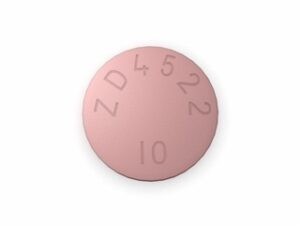
Zocor (Simvastatin) – Patient-Friendly Guide (United Kingdom)
Zocor is the brand name of simvastatin, a medicine used to lower cholesterol and reduce the risk of certain heart and blood vessel problems. This guide explains how simvastatin works, how it is typically used, key interactions, practical tips, and what to consider for safe use in the UK.
Quick overview
- Active ingredient: Simvastatin
- Medicine type: Statin (HMG‑CoA reductase inhibitor)
- Main benefits: Lowers LDL (“bad”) cholesterol, total cholesterol and triglycerides; raises HDL (“good”) cholesterol modestly
- Common reasons for use: Heart and circulation risk reduction, and cholesterol lowering in people who need it
- Typical dose range (adults): Often 5–80 mg once daily (individualised by your clinician)
- Common timing: Once daily, usually in the evening
Basic product information
What is Zocor?
Zocor contains simvastatin, a statin designed to help manage high cholesterol and lower the risk of cardiovascular events such as heart attack and stroke, depending on your overall risk profile.
How it’s presented:
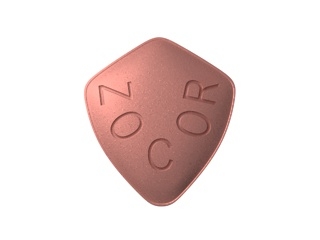
Zocor is available as tablets in different strengths. The strength you need will depend on your cholesterol level, cardiovascular risk, and any interacting medicines.
How Zocor (simvastatin) works
Simvastatin belongs to a group of medicines called statins. It works by reducing cholesterol production in the liver.
Mechanism of action (in simple terms)
- Simvastatin inhibits HMG‑CoA reductase, an enzyme the liver uses to make cholesterol.
- As cholesterol production decreases, liver cells increase the number of LDL receptors on their surface.
- More LDL cholesterol is removed from the blood, helping lower LDL and total cholesterol.
- Statins also help stabilise existing plaque in blood vessels (a “plaque-stabilising” effect), which may contribute to cardiovascular risk reduction.
Pharmacokinetics (what the body does with simvastatin)
Pharmacokinetics describes how the medicine is absorbed, broken down, and removed from the body. While individual responses vary, the general characteristics of simvastatin are described below.
Absorption and activation
- Simvastatin is taken by mouth and is absorbed from the gastrointestinal tract.
- It is a prodrug—meaning it is converted in the body to its active form.
- The liver plays a key role in both conversion and further handling of the active metabolites.
Metabolism
- Simvastatin is mainly metabolised by the enzyme system CYP3A4.
- Medicines that inhibit CYP3A4 can increase simvastatin levels, raising the risk of side effects—especially muscle-related problems.
Elimination
- Simvastatin metabolites are largely eliminated via bile and the digestive tract.
- Less is eliminated through the kidneys compared with some other statins.
Half-life (general concept)
The active metabolites influence the overall effect; clinical guidance is based more on effect on cholesterol than on short-term blood levels. Your prescriber may adjust timing, dose, and interacting medicines accordingly.
Typical indications (what it’s used for)
In the UK, statins like simvastatin are used for cholesterol management and to reduce cardiovascular risk. Indications may include:
- Primary hypercholesterolaemia (high LDL cholesterol) or mixed dyslipidaemia, particularly when lifestyle changes are insufficient.
- Prevention of cardiovascular disease in people at increased risk, including those with known coronary heart disease.
- Secondary prevention to reduce the risk of further events in people with established cardiovascular disease.
- Adjunct to diet for people who need cholesterol lowering.
Your exact use depends on your cholesterol results and medical history. Always follow the personalised plan provided to you.
Timing and how to take Zocor
Statins are typically prescribed once daily. For simvastatin, cholesterol production in the body is often higher at night, so dosing is commonly recommended in the evening.
General timing advice
- Most people: take once daily in the evening (exact time depends on your routine).
- Consistency: try to take it at the same time each day.
- Missed dose: take it when you remember unless it is close to the time for the next dose; do not take a double dose.
With or without food?
Zocor can be taken with or without food. Food usually does not eliminate the need to avoid certain interactions (see below).
Food interactions: grapefruit and more
Some foods and beverages can affect how simvastatin is handled by the liver. The most important common one is:
- Grapefruit / grapefruit juice: may increase simvastatin levels by affecting CYP3A4 activity. This can raise the risk of side effects, including muscle problems. In many cases, it is advised to avoid grapefruit while taking simvastatin.
If you’re unsure about a specific food or drink, ask a pharmacist or check the label guidance provided by your medicine.
Alcohol and simvastatin interactions
Alcohol can affect the liver. Simvastatin is processed in the liver and, like all statins, it carries a risk of liver enzyme changes in some people.
Practical alcohol guidance
- If you drink alcohol, do so in moderation.
- Avoid heavy or binge drinking, especially if you have liver problems or raised liver enzymes.
- Seek medical advice if you develop symptoms such as unusual tiredness, dark urine, persistent nausea, or yellowing of the skin/eyes.
Your pharmacist can help you interpret personalised advice based on your health history and other medicines.
Medicine interactions (very important)
Some medicines can significantly increase simvastatin levels. This increases the risk of myopathy (muscle problems) and rarely a serious condition called rhabdomyolysis.
Key interaction groups to be aware of
The list below summarises common categories. It is not exhaustive—always check any new medicine with a pharmacist.
- Strong CYP3A4 inhibitors (examples: some antifungals and certain antibiotics/antivirals): may raise simvastatin levels substantially.
- Some immunosuppressants (e.g., cyclosporine): can markedly increase risk.
-
Other lipid-lowering medicines:
- Fibrates (e.g., gemfibrozil) can increase muscle risk when combined with statins.
- High-dose niacin (where used) may increase risk in combination.
- Amiodarone and some calcium-channel blockers (e.g., verapamil, diltiazem): may increase simvastatin exposure depending on the specific medicine and dose.
- Warfarin (and similar anticoagulants): statins can affect bleeding tendency in some people; monitoring may be needed.
Why dose matters
Interaction risk can depend on your simvastatin dose. Your prescriber may limit the maximum dose if you use interacting medicines.
If you start or stop an interacting medicine, let your pharmacist know promptly so your simvastatin dose and monitoring can be reviewed.
Dosing: typical approach in the UK
Simvastatin dosing is individualised based on cholesterol goals, existing cardiovascular disease, and other therapies. The information below provides a general framework.
Starting dose and adjustments
- Usual starting dose for many adults is often 10 mg, 20 mg or 40 mg once daily, depending on the indication.
- Dose changes are usually made gradually, typically at intervals of about 4 weeks or as advised.
- Clinicians consider both cholesterol response and safety when adjusting dose.
Common dose range
Simvastatin doses can range up to 80 mg daily in some circumstances, but higher doses may have a higher risk of muscle-related side effects. Your clinician will weigh benefits and risks carefully.
Special populations (general considerations)
- Older adults: dosing may be cautious depending on comorbidities and interacting medicines.
- Kidney impairment: dosing may need adjustment depending on severity.
- Drug interactions: dose limits may apply when used with interacting medicines (especially CYP3A4 inhibitors).
- Asian populations: in some clinical practice, certain statin sensitivities are considered; clinicians may use lower starting doses.
This is general information. Follow your specific label instructions and any advice you’ve been given by your healthcare professional.
Safety profile: what to watch for
Most people tolerate simvastatin well. However, like all medicines, it can cause side effects in some individuals. Knowing what to watch for helps you seek advice early.
Common and usually mild effects
- Headache
- Stomach upset (e.g., nausea, constipation, abdominal discomfort)
- Muscle aches can occur but should be assessed—especially if they are severe or accompanied by weakness or fever
Serious side effects (seek medical advice promptly)
- Muscle injury: symptoms may include unexplained muscle pain, tenderness, weakness, or cramps, particularly if accompanied by feeling unwell. Rarely, this can progress to rhabdomyolysis, a serious condition.
- Liver problems: signs may include yellowing of the skin or eyes (jaundice), dark urine, persistent nausea or abdominal pain, or unusual extreme fatigue.
- Allergic reactions: swelling of face/lips, difficulty breathing, or widespread rash—urgent care may be required.
Monitoring
Your clinician may arrange:
- Cholesterol blood tests to check response and guide dose adjustments.
- Liver enzyme tests before starting and/or if clinically needed during treatment.
- Creatine kinase (CK) tests if you develop muscle symptoms.
Practical use tips (getting the best results)
- Combine with lifestyle changes: statins work best alongside dietary improvements, physical activity, weight management where appropriate, and stopping smoking.
- Don’t skip doses: regular daily use is important for cholesterol lowering and risk reduction.
- Tell all healthcare professionals: include dentists and emergency services—statin interactions matter.
- Check for “new” medicines: before starting antibiotics, antifungals, or other short courses, ask if they interact with simvastatin.
- Be cautious with herbal products: some can interact with drug-metabolising enzymes. Ask a pharmacist if you take supplements.
- Report muscle symptoms early: don’t wait for the pain to go away if it’s significant or worsening.
Alternative options to consider
If simvastatin isn’t suitable due to side effects, interactions, or insufficient cholesterol control, there are alternatives. The best option depends on your cholesterol pattern, medical history, and risk level.
Other statins
- Atorvastatin
- Rosuvastatin
- Pravastatin
- Fluvastatin
Non-statin cholesterol medicines
- Ezetimibe (reduces cholesterol absorption)
- Bile acid sequestrants (in some cases)
- PCSK9 inhibitors (used for specific high-risk groups)
- Other targeted therapies may be considered depending on lipid profile and eligibility
Discuss alternatives with a healthcare professional. Switching requires planning to maintain cholesterol control safely.
Market and legal context in the United Kingdom (UK)
Zocor (simvastatin) is widely used in the UK and forms part of standard cholesterol and cardiovascular risk management. As with all medicines in the UK, supply and use are governed by the Medicines and Healthcare products Regulatory Agency (MHRA) and professional prescribing guidance.
Statins are supported by clinical guidance, including advice on cardiovascular risk reduction and appropriate selection of intensity based on patient risk. Availability may differ between strengths and pack sizes depending on supply in the UK market.
Recent guidance and clinical practice notes (UK)
While individual decisions are always personalised, current UK practice generally emphasises:
- Assessing cardiovascular risk to decide whether statin therapy is appropriate.
- Using statin intensity that matches risk, cholesterol levels, and treatment goals.
- Reviewing for interactions, especially CYP3A4 inhibitors and other high-risk combinations.
- Monitoring and encouraging adherence, while reassessing lifestyle factors.
- Managing muscle symptoms promptly and considering dose adjustments or switching statins if needed.
If you’re unsure how your therapy was chosen, speak with your healthcare team. They can explain your target cholesterol and how the dose is expected to help.
Delivery and availability
Availability of Zocor can vary by strength and pack size. Online pharmacies typically offer:
- Standard delivery options (timing depends on the courier and local area)
- Tracking where available
- Stock checks for less common strengths
If a specific strength is temporarily unavailable, pharmacies may offer an alternative equivalent product or advise on expected restock dates. Availability and delivery times can change—check the checkout or product page for the latest estimate.
FAQ
1) What is Zocor used for?
Zocor (simvastatin) is used to lower cholesterol levels and reduce the risk of heart and blood vessel problems in people who are appropriate candidates based on their cholesterol levels and cardiovascular risk.
2) How quickly does simvastatin start working?
Cholesterol lowering usually begins within days, but the full effect is typically assessed after several weeks. Your clinician may review your cholesterol results about 4–12 weeks after starting or changing dose (timing varies by practice).
3) Should I take Zocor in the evening?
Many people are advised to take simvastatin in the evening. Follow your specific instructions on your medicine label or from your healthcare professional. If your routine makes evening difficult, ask your pharmacist about practical scheduling and consistency.
4) Can I take Zocor with food?
Yes. Zocor can usually be taken with or without food. The key considerations are avoiding significant interactions, including grapefruit/grapefruit juice and certain medicines.
5) What medicines should I avoid while taking simvastatin?
Some medicines can increase simvastatin levels. Common high-risk categories include certain strong CYP3A4 inhibitors (some antifungals, some antibiotics, and antivirals), some immunosuppressants, and certain muscle-risk combinations with fibrates. Always check before starting or stopping any medicine—your pharmacist can help.
6) Is grapefruit juice safe with simvastatin?
Grapefruit can increase simvastatin exposure. In many cases, it is recommended to avoid grapefruit and grapefruit juice while taking simvastatin. If you consume grapefruit products, ask a pharmacist for specific advice for your dose and situation.
7) What should I do if I miss a dose?
Take it when you remember unless it’s nearly time for your next dose. Do not take a double dose. If you’re unsure, ask your pharmacist.
8) Are there side effects I should watch for?
Watch for muscle pain, tenderness, weakness, or cramps—especially if severe or associated with feeling unwell. Also seek advice if you notice signs of liver problems (e.g., yellowing, dark urine, persistent nausea).
9) Can I drink alcohol?
Moderate alcohol is usually compatible with statin therapy for many people, but heavy drinking can increase liver-related risk. If you have liver disease or raised liver enzymes, seek medical advice about safe alcohol intake.
10) What if I experience muscle symptoms?
Stop and seek prompt medical advice. Don’t ignore severe or worsening symptoms. Inform your healthcare team that you are taking simvastatin and list all medicines you use.
11) Can I switch to another statin if simvastatin doesn’t suit me?
Sometimes, yes. Different statins have different interaction profiles and dosing options. Your clinician may consider switching, lowering the dose, or adding another cholesterol-lowering medicine.
12) Is Zocor suitable for everyone?
Not always. Suitability depends on your medical history, current medications, liver function, and risk factors. Your healthcare professional will determine whether simvastatin is appropriate for you.
Important notes
This information is designed to be helpful and easy to read. It does not replace personalised medical advice. If you have questions about your treatment, interactions, or side effects, ask a pharmacist or your healthcare team.
Summary
Zocor (simvastatin) is a statin used in the UK to lower cholesterol and help reduce cardiovascular risk. It works by reducing cholesterol production in the liver and increasing LDL clearance from the bloodstream. For best results, take it consistently (often in the evening), avoid grapefruit products, limit alcohol to safe levels, and pay special attention to drug interactions—particularly medicines that affect CYP3A4.