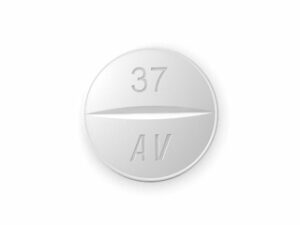

Actoplus Met (Metformin Hydrochloride) – Patient Information
Actoplus Met is a medicine commonly used to help control blood sugar levels in people with type 2 diabetes. It contains metformin hydrochloride, a medicine that works mainly by improving how your body uses glucose (sugar) and by reducing the amount of sugar your liver releases into the bloodstream.
This guide is designed to be patient-friendly and practical. Always follow the instructions given by your healthcare professional and the information on the medicine label.
Basic product information
| Item | Details |
|---|---|
| Medicine name | Actoplus Met (Metformin Hydrochloride) |
| Active ingredient | Metformin hydrochloride |
| Type of medicine | Oral anti-diabetic medicine (biguanide) |
| Typical use | Helps lower blood glucose in type 2 diabetes |
| Availability | Available in the UK via pharmacies; availability may vary by strength and formulation |
| Where it fits | Often a first-line or core medicine for type 2 diabetes |
How Actoplus Met works (mechanism of action)
Metformin helps control blood sugar through several complementary actions:
- Reduces glucose production by the liver (it decreases gluconeogenesis), so less sugar is released into the blood.
- Improves insulin sensitivity in muscles and other tissues, helping glucose move from the blood into cells where it can be used.
- May reduce intestinal absorption of glucose (partly contributing to lower post-meal blood sugar).
Because metformin does not typically force the pancreas to release large amounts of insulin, it generally has a lower risk of causing hypoglycaemia (low blood sugar) when used alone. However, the risk can increase if used with certain other diabetes medicines.
Pharmacokinetics (how your body handles metformin)
Pharmacokinetics describes what the body does to a medicine—how it is absorbed, distributed, metabolised, and eliminated.
- Absorption: Metformin is absorbed from the gastrointestinal tract. Food can influence absorption rate, which may reduce stomach upset for some people.
- Distribution: It is distributed to tissues, including the liver and muscle.
- Metabolism: Metformin is not extensively metabolised in the body.
- Elimination: Metformin is mainly cleared by the kidneys via urine. This is why kidney function is important before and during treatment.
Key safety link: Because metformin is cleared by the kidneys, reduced kidney function can increase medicine levels and the risk of rare side effects, including lactic acidosis.
What Actoplus Met is used for (typical use and indications)
Actoplus Met (metformin hydrochloride) is used to manage type 2 diabetes mellitus. It is used to lower blood glucose and help reduce long-term complications by improving overall glycaemic control.
In clinical practice in the UK, metformin may be used:
- As monotherapy for type 2 diabetes when diet and exercise alone are insufficient.
- In combination therapy with other medicines when additional glucose lowering is needed.
- With lifestyle changes such as healthy eating, weight management (if appropriate), and physical activity.
Important: It is not generally used for type 1 diabetes or for diabetic ketoacidosis.
When to take it (timing and day-to-day routine)
The exact timing depends on the specific formulation and the dose you are prescribed. As a general patient-friendly approach:
- Take metformin with food to reduce the chance of stomach upset (especially when starting treatment).
- Split doses across the day if you have been prescribed more than one dose per day.
- Try to take it at consistent times each day to maintain steadier blood levels.
If you miss a dose, see the “FAQ” section for general advice. If you are unsure, contact your pharmacist.
Food and drink interactions
Food: Taking metformin with meals can improve tolerability and may reduce gastrointestinal side effects such as nausea, diarrhoea, or abdominal discomfort.
Alcohol: Alcohol can increase the risk of lactic acidosis, particularly with heavy drinking or during periods of reduced food intake, fasting, vomiting, or dehydration.
Patient-friendly guidance:
- Limit alcohol and avoid binge drinking.
- If you plan to drink, keep to low amounts and have food.
- If you are unwell (e.g., vomiting, diarrhoea, fever) consider avoiding alcohol and seek medical advice about whether to hold metformin temporarily (your prescriber may give “sick day” instructions).
Medicine interactions (alcohol and other drugs)
Many medicines can affect blood sugar control or kidney function. Some can also increase the risk of side effects when combined with metformin. Always tell your healthcare professional or pharmacist about all medicines you take.
Alcohol interaction
- Risk: increased chance of lactic acidosis.
- Practical tip: avoid heavy alcohol intake, especially when you’re not eating well or are dehydrated.
Kidney-impacting medicines
Because metformin is cleared by the kidneys, medicines that can impair kidney function may require extra monitoring or dose adjustments. Examples include:
- Some medicines used for pain and inflammation (particularly NSAIDs like ibuprofen or diclofenac, especially at higher doses or in dehydration)
- Diuretics (“water tablets”)
- Some blood pressure medicines in certain settings
Medicines that affect blood sugar
When metformin is combined with other glucose-lowering medicines, blood sugar can drop more than expected. While metformin alone rarely causes hypoglycaemia, combinations may.
- Other diabetes medicines (for example, insulin or sulfonylureas) can increase hypoglycaemia risk.
- If you start or change a diabetes medicine combination, you may need closer blood sugar monitoring.
Iodinated contrast media and scans
If you are having an X-ray/CT scan with iodinated contrast, your clinical team may advise temporary withholding of metformin depending on your kidney function and the imaging plan. Follow local hospital guidance and your healthcare professional’s instructions.
Dosing: how much to take
Only use the dose that has been prescribed for you. Doses can vary by kidney function, your current blood sugar control, and any side effects.
General pattern (starting and adjusting):
- Most people start with a low dose to reduce gastrointestinal side effects.
- The dose is then adjusted gradually based on blood sugar results and tolerance.
Maximum dose: Your healthcare professional will determine the safest effective maximum dose based on your individual factors, especially kidney function.
Kidney function matters: Metformin is not suitable for everyone with impaired kidney function. Your clinician may perform blood tests (e.g., eGFR) before starting and periodically during treatment.
Safety profile: who should be cautious and what to watch for
Like all medicines, metformin can cause side effects. Most people experience mild and temporary gastrointestinal effects, particularly early on.
Common side effects
- Stomach upset (nausea)
- Diarrhoea
- Abdominal discomfort or bloating
- Loss of appetite
- Metallic taste in some patients
Tip to improve tolerability: taking doses with meals and increasing dose slowly often helps.
Vitamin B12 and long-term use
Long-term metformin use can reduce absorption of vitamin B12. This may lead to anaemia or nerve-related symptoms in some people.
- Ask your clinician about periodic B12 checks, particularly if you have symptoms.
- Seek advice if you notice unusual tiredness, numbness, tingling, or balance problems.
Rare but serious risk: lactic acidosis
Lactic acidosis is rare but serious. It is more likely when metformin levels build up (for example, due to kidney impairment) or in situations such as severe infection, dehydration, or low oxygen states.
Seek urgent medical help if you develop symptoms such as:
- Severe weakness or unusual muscle pain
- Difficulty breathing
- Unusual sleepiness or dizziness
- Abdominal pain with vomiting
- A slow or irregular heartbeat
If you are unwell (e.g., vomiting/diarrhoea, severe infection) your healthcare professional may advise temporary changes to your metformin. Follow their “sick day” instructions.
When to avoid or be extra careful
- Significant kidney impairment (eGFR thresholds guide safe use)
- Severe liver disease
- Heavy alcohol use or acute alcohol intoxication
- Conditions that increase dehydration (e.g., persistent vomiting, severe diarrhoea)
- Situations with reduced oxygen supply (for example, severe cardiac or respiratory conditions)
Practical use tips (to make treatment easier)
- Start gently: follow the titration schedule. Don’t increase your dose unless told.
- Take with food: especially at the start or if you’ve had stomach upset.
- Hydrate well: dehydration increases risk, particularly during illness or hot weather.
- Monitor blood sugar: use your usual testing plan. Your clinician may adjust treatment based on HbA1c and glucose readings.
- Know sick day rules: discuss with your clinician what to do during vomiting, diarrhoea, or serious illness.
- Be consistent: take doses at the same times each day.
- Watch for B12 symptoms: report persistent tiredness, tingling, or numbness.
Alternative options (if metformin isn’t suitable or isn’t enough)
Your clinician may consider alternatives based on your health, kidney function, weight goals, cardiovascular risk, and side effect profile. Options may include:
- Other oral diabetes medicines: for example, DPP-4 inhibitors, sulfonylureas, SGLT2 inhibitors (some are oral), and others depending on suitability.
- Injectable medicines: such as GLP-1 receptor agonists or insulin.
- Metformin variants: if gastrointestinal side effects occur, your pharmacist or clinician may discuss whether an alternative metformin formulation or dosing schedule could help.
Do not switch medicines without professional advice—dose conversion and monitoring can be important.
UK market and legal context (high-level)
In the UK, medicines are regulated by the Medicines and Healthcare products Regulatory Agency (MHRA) and distributed through licensed channels. Pharmacists and suppliers must comply with UK medicines legislation and safeguarding rules for safe supply.
Metformin is widely used in the NHS and is also available through community pharmacies and licensed online pharmacy services (where permitted). Availability can depend on formulation/strength and supply chain factors.
For patient safety, always ensure you purchase medicines from a reputable, appropriately licensed supplier and check that packaging includes the correct product details for the UK market.
Recent guidance and clinical considerations in the UK
Clinical guidance in the UK continues to emphasise:
- Individualised treatment goals for HbA1c and overall risk reduction.
- Regular review of diabetes control and medication tolerability.
- Assessment of kidney function (eGFR) when using metformin.
- Appropriate cardiovascular and weight considerations when selecting additional therapy beyond metformin.
- Awareness of rare lactic acidosis risk and “sick day” safety steps.
Your healthcare team may follow guidance such as NICE recommendations for type 2 diabetes management, which can influence how metformin is used alongside other options.
Delivery and availability (online pharmacy)
Actoplus Met availability can vary by:
- Strength (mg per tablet)
- Pack size
- Supply chain demand
When ordering online in the UK, typical expectations include:
- Order processing: your order may be checked and verified before dispatch.
- Delivery times: commonly 1–3 working days for standard delivery, with options for faster services where available.
- Stock updates: reputable pharmacies show up-to-date stock information or offer alternatives if a product is temporarily unavailable.
If you need this medicine urgently (e.g., you will run out soon), consider contacting customer support to check stock and delivery options.
FAQ: Actoplus Met (metformin) – common questions
1) What is Actoplus Met used for?
Actoplus Met contains metformin hydrochloride and is used to help manage type 2 diabetes by lowering blood glucose and improving insulin sensitivity.
2) How long does it take to work?
Metformin begins working soon after you start, but noticeable improvements are typically assessed over weeks, including using HbA1c tests. Your prescriber may also review fasting and post-meal glucose readings to adjust dosing.
3) Should I take it with food?
In many people, taking metformin with meals reduces gastrointestinal side effects. Follow your specific dosing instructions.
4) What if I miss a dose?
If you miss a dose, take it when you remember unless it’s close to the next dose. Do not take a double dose to make up for the missed tablet. If you are unsure, speak to your pharmacist for tailored advice.
5) Can I drink alcohol while taking Actoplus Met?
It’s best to limit alcohol and avoid binge drinking. Heavy drinking increases the risk of lactic acidosis, particularly if you’re dehydrated or not eating well. If you are unsure about your personal risk, ask your pharmacist or clinician.
6) Does metformin cause low blood sugar?
Metformin alone usually has a low risk of causing hypoglycaemia. However, if used with other medicines such as insulin or sulfonylureas, the risk can increase.
7) What side effects are most common?
Common effects include nausea, diarrhoea, abdominal discomfort, bloating, and reduced appetite—especially at the start. These often improve as your body adjusts and as the dose is increased gradually.
8) Why is kidney function important?
Metformin is removed by the kidneys. If kidney function is reduced, metformin can build up and the risk of lactic acidosis rises. That’s why eGFR may be checked before starting and during treatment.
9) Can metformin affect vitamin B12?
Yes. Long-term use may reduce vitamin B12 levels. Discuss B12 monitoring and report symptoms like persistent fatigue or tingling/numbness.
10) Are there medicines I must avoid?
You shouldn’t start or stop other medicines without advice. Some medicines that affect kidney function or oxygen levels may increase risk, and certain combinations may alter blood sugar control. Always check with a pharmacist.
11) What should I do if I’m ill (vomiting/diarrhoea/fever)?
If you’re seriously unwell, especially with vomiting/diarrhoea or dehydration, contact your healthcare professional for “sick day” instructions. In many cases, temporary adjustments to diabetes medicines (including metformin) may be recommended to reduce risk.
12) Can I take Actoplus Met with other diabetes medicines?
Often, yes. Combination therapy is common in type 2 diabetes. However, dosing may need adjustment and your blood glucose may need closer monitoring—particularly to reduce the risk of hypoglycaemia with other medicines.
Summary
Actoplus Met (metformin hydrochloride) is a widely used medicine for type 2 diabetes. It lowers blood glucose mainly by reducing liver glucose output and improving insulin sensitivity. Most people experience mild stomach-related side effects early on, particularly if taken without food. Kidney function is central to safe use because metformin is cleared through the kidneys. Seek urgent help if you develop symptoms that could indicate lactic acidosis.
If you have questions about whether Actoplus Met is suitable for you, how to take it, or potential interactions with your current medicines, speak to a pharmacist—then follow your personalised care plan.