Desmopressin: Patient-Friendly Guide (UK)
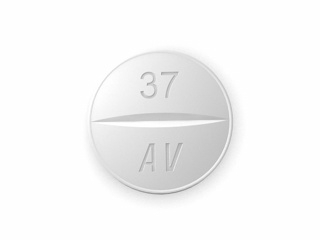
Desmopressin is a medicine used to reduce urine production and help manage certain conditions where the body either does not make enough of a hormone called antidiuretic hormone (ADH) or where ADH does not work as expected. It is commonly known by brand names such as DDAVP and may be supplied in different forms (for example, tablets, melt/quick-dissolve forms, or nasal spray depending on availability).
This page is designed to help you understand what desmopressin does, when it’s used, how it works in the body, and important safety considerations—especially around fluid balance, timing, and interactions.
Quick product information
| Information | Details |
|---|---|
| Active ingredient | Desmopressin |
| Medicinal type | Synthetic analogue of ADH (antidiuretic hormone) |
| Common uses | Diabetes insipidus, nocturnal enuresis (bedwetting in selected patients), some bleeding-related conditions (specialist use) |
| Available forms | Tablets/quick-dissolve forms and, in some cases, nasal spray (product availability varies) |
| Key safety theme | Risk of low sodium in the blood (hyponatraemia) if fluid intake is too high or dose is excessive |
| Typical dosing pattern | Often taken once or twice daily; specific timing depends on the condition and formulation |
How desmopressin works (mechanism of action)
Desmopressin is designed to act like natural ADH but with a longer-lasting effect. ADH’s role is to tell the kidneys to hold onto water and reduce urine output. By mimicking ADH at specific receptors (mainly in the kidney collecting ducts), desmopressin:
- Reduces the amount of water lost in urine
- Concentrates urine (less dilution)
- Helps stabilise fluid balance
- In certain conditions, can also support blood clotting function (via effects on specific clotting factors) under specialist supervision
Pharmacokinetics: what happens in the body
Pharmacokinetics describes how the body absorbs, distributes, metabolises, and eliminates a medicine. While exact values can vary by formulation and patient factors, the general pattern for desmopressin is:
- Onset of effect: depends on formulation. Oral forms typically begin working within hours.
- Duration: desmopressin typically has a prolonged effect compared with natural ADH.
- Metabolism: desmopressin is broken down mainly by metabolism processes throughout the body.
- Excretion: a large portion is eliminated via the kidneys.
Because kidney function can influence how medicines behave, clinicians may adjust dose or require closer monitoring in patients with impaired renal function. If you have kidney disease, always follow tailored advice.
Typical uses (indications) in the UK
Desmopressin is used for several different medical reasons. The exact indication depends on age, formulation, and how the medicine is licensed for that product.
1) Diabetes insipidus (central)
Desmopressin is a key treatment for central diabetes insipidus, a condition in which the body cannot produce enough ADH, leading to passing large amounts of dilute urine and strong thirst.
2) Nocturnal enuresis (bedwetting)
In carefully selected patients (often children and sometimes adults), desmopressin may be used for nocturnal enuresis (bedwetting). Treatment is usually considered where other steps (such as toileting routines and behavioural strategies) and clinical assessment support its use.
3) Haemostatic use (bleeding conditions)
Some forms of desmopressin are used in specific bleeding-related scenarios (for example, certain situations involving platelet function or von Willebrand disease-type mechanisms), typically under specialist guidance and with appropriate monitoring.
If you are unsure which indication applies to you, check the label and the information leaflet supplied with your specific product, or ask a pharmacist.
How to take desmopressin: timing and practical dosing guidance
Correct timing and dose are essential, particularly for bedwetting and any situation where controlling water retention is important. Always take the medicine exactly as directed for your condition and formulation.
General timing tips
- Consistency matters: take doses at similar times each day.
- Night-time doses: for conditions like nocturnal enuresis, dosing is often planned to reduce urine production at night.
- Follow fluid advice: the most important safety factor is avoiding excessive fluid intake around dosing.
- Do not double doses: if a dose is missed, follow the advice in the patient information leaflet or seek pharmacy guidance.
Typical dose ranges (information-only)
Doses vary widely depending on the indication, age, formulation, and response. Below are typical starting points used clinically as a general guide. Your product leaflet and clinician’s instructions take priority.
- Central diabetes insipidus: dosing may be divided across the day and adjusted based on urine output and symptoms.
- Nocturnal enuresis: often started at a lower dose and adjusted according to response and tolerance.
- Bleeding-related indications: dosing and schedule are condition-specific and specialist-led.
Because desmopressin can cause fluid retention leading to low sodium, dose adjustments should not be made without appropriate guidance. If you have been told to monitor your sodium levels (for example, via blood tests), attend all recommended checks.
Food interactions: what to know
Food can affect how much desmopressin is absorbed, especially for oral formulations. This means that timing relative to meals may matter for some people. Practical guidance:
- Follow formulation-specific advice: some products have guidance on taking with or without food.
- Be consistent: if you usually take it a certain way (for example, after food), try to keep that routine stable unless your pharmacist advises changes.
- If you switch brands or formulations: absorption may differ, so dosing may need review.
Alcohol and medicine interactions
Alcohol
Alcohol can affect hydration, sleep patterns, and sometimes judgement about fluid intake. While there is no single universal “no alcohol” rule for everyone, it may increase the risk of problems related to fluid balance, especially with night-time dosing.
- Avoid excessive alcohol around the time you take desmopressin.
- If alcohol causes you to drink more or less than usual, this can affect safety and effectiveness.
Other medicines (important interaction themes)
Some medicines can increase the risk of hyponatraemia (low sodium) or affect how kidneys handle water. This matters because desmopressin changes water retention. Tell your pharmacist or clinician about all medicines you take, including over-the-counter products.
Medicines that may be relevant include:
- Diuretics (water tablets) — effect may oppose or complicate management of fluid balance
- Antidepressants or medicines that can influence sodium levels (for example, some SSRIs)
- Other drugs that can increase ADH-like effects or affect kidney handling of water
- Non-steroidal anti-inflammatory drugs (NSAIDs) — in some situations may increase risk of sodium imbalance
- Oral or intravenous fluids in hospital settings — needs careful monitoring when combined with desmopressin
If you start a new medication while taking desmopressin, check whether it could affect fluid balance. A pharmacist can help you assess likely risks.
Safety profile: key warnings and side effects
Desmopressin is effective for many people, but it must be used carefully. The most important safety risk is hyponatraemia—when sodium in the blood becomes too low due to water retention.
Serious risk: hyponatraemia (low sodium)
Symptoms may include headache, nausea, vomiting, reduced alertness, confusion, or in severe cases, seizures. This risk is more likely if:
- Fluid intake is too high, especially around dosing
- Dosage is too high for the individual
- Your body is particularly sensitive to changes in water balance (for example, in children or older adults)
- There is intercurrent illness (e.g., fever, vomiting, or diarrhoea) that affects hydration and electrolytes
Seek urgent medical advice if you develop symptoms that could suggest low sodium, particularly after starting or increasing a dose.
Other possible side effects
Side effects can vary by patient and formulation. Commonly reported or potentially relevant include:
- Headache
- Nausea
- Dizziness
- Abdominal discomfort
- Local effects if using nasal spray (for example, nasal irritation)
If side effects are persistent, worsening, or concerning, speak to a pharmacist or clinician promptly. Keep track of timing—especially if symptoms occur after taking a dose.
Who needs extra caution?
Extra care may be required if you have:
- Kidney impairment
- Conditions affecting electrolyte balance
- The elderly (higher susceptibility to hyponatraemia)
- Children (dose and fluid guidance are particularly important)
- Intercurrent illness such as vomiting or diarrhoea
Practical use tips (to stay safe and get the best results)
- Follow fluid restriction advice: For some indications (especially nocturnal enuresis), clinicians often recommend limiting total fluid intake in the evening to reduce the risk of hyponatraemia.
- Set reminders for night-time doses where relevant—mistimed doses can affect both effectiveness and safety.
- Use the measuring aids correctly (for example, if any formulation requires careful dosing).
- Track your symptoms in the first days of treatment: for example, changes in urine frequency, thirst, and sleep disruptions.
- Do not adjust dose yourself if it seems “not working” or “too strong”. Desmopressin has a narrow safety margin for some patients.
- Be careful during illness: if you have vomiting, diarrhoea, fever, or you are not eating and drinking normally, ask your pharmacist for guidance.
- Keep appointments for monitoring if blood tests (such as sodium levels) are recommended.
Alternatives to desmopressin
Depending on the condition, alternatives may include medicines, behavioural strategies, or other treatments. Some alternatives include:
- For diabetes insipidus: management focuses on fluid and hormone replacement; alternatives are situation-dependent.
- For nocturnal enuresis: behavioural approaches (bedtime routines, motivated toileting), alarm therapy, and sometimes other medication strategies may be considered depending on clinical assessment.
- For bleeding indications: treatment choice varies by diagnosis and severity; specialist regimens may use different clotting-factor strategies.
If you’re asking about alternatives because of side effects or lack of effect, speak to a pharmacist. They can help review whether your current formulation and timing match the intended plan.
UK market and legal context (overview)
In the United Kingdom, medicines are regulated through the medicines licensing framework and must meet standards for safety, quality, and effectiveness. Desmopressin products may have different legal categories depending on their formulation, strength, and indication.
Availability can vary by brand and form (for example, some strengths may be limited or subject to supply changes). Your online pharmacy listing should confirm the exact product you are buying and provide access to the relevant patient information leaflet.
Supply and formulation differences
- Different brands may use different delivery systems (e.g., tablets vs. nasal spray).
- Switching between formulations can change absorption and timing.
- If your supply changes, ask whether dose adjustments are needed.
Recent guidance and best-practice considerations
Clinical focus over recent years has been on improving safe use—especially preventing hyponatraemia by reinforcing:
- Clear fluid advice (particularly around night dosing)
- Appropriate patient selection for nocturnal enuresis
- Dose individualisation and careful titration
- Monitoring in higher-risk groups (such as people with kidney disease or the elderly)
- Education for carers when treating children
Always follow the guidance specific to your situation as set out in the product leaflet and any clinical instructions you receive.
Delivery and availability (UK online pharmacy)
Desmopressin availability can depend on the specific brand and formulation. When ordering online in the UK:
- Check the product form (tablet, melt, or nasal spray) and strength before confirming.
- Confirm packaging details (for example, number of doses per pack) to ensure it matches your planned use.
- Allow delivery time based on the retailer’s dispatch schedules.
- Storage guidance: keep the medicine as directed on the pack (often at controlled room temperature, away from moisture and direct heat).
If a product is temporarily unavailable, an online pharmacy may offer an alternative that is equivalent in active ingredient and suitable for your needs—always check that the form and strength are correct.
FAQ about desmopressin
1) What is desmopressin used for?
Desmopressin is used to reduce urine production. It is commonly used for central diabetes insipidus, may be used for nocturnal enuresis in selected patients, and can be used for certain bleeding-related conditions under specialist guidance.
2) How long does it take to work?
The time to effect depends on the formulation (oral vs. nasal) and the condition being treated. Many patients notice effects within hours. Your product leaflet will include more detail about onset and duration.
3) Can I drink normally?
Fluid intake guidance is crucial. For some indications (especially bedwetting), you may be advised to limit fluids around dosing—particularly in the evening. Always follow the specific fluid advice provided with your product or by your healthcare professional.
4) What happens if I drink too much fluid?
Drinking too much while taking desmopressin can increase the risk of hyponatraemia. This can be serious. If you have symptoms such as severe headache, nausea/vomiting, confusion, or drowsiness, seek urgent medical advice.
5) Are there age restrictions?
Desmopressin can be used in children in some licensed situations, but dosing and monitoring must be appropriate to the child’s age and weight. Carers should follow fluid guidance carefully.
6) Does food affect desmopressin?
Food may influence absorption for some oral formulations. It is best to follow the leaflet advice and keep timing relative to meals consistent unless instructed otherwise.
7) Can I take desmopressin with other medicines?
Some medicines can affect sodium levels or fluid balance. Let your pharmacist know all medicines you take (including over-the-counter products and herbal remedies) so they can check for potential interactions.
8) Can I drink alcohol?
Alcohol may affect hydration and sleep and may complicate fluid control. Avoid excessive alcohol, especially around the time you take desmopressin, and follow your fluid advice.
9) What side effects should worry me?
Watch for symptoms suggestive of low sodium (hyponatraemia): headache, nausea, vomiting, confusion, unusual sleepiness, or seizures. If these occur, seek urgent medical care.
10) What if I miss a dose?
Follow the advice in the patient information leaflet for your specific product. If you’re unsure, ask a pharmacist. In general, do not take extra to make up for a missed dose.
11) Is desmopressin safe for long-term use?
Many people take desmopressin long-term, but ongoing safety depends on correct dosing, fluid management, and monitoring where required. Attend follow-up appointments and blood tests if recommended.
12) Where should I store it?
Store desmopressin according to the pack instructions. Keep it out of sight and reach of children and away from moisture and excessive heat.
Summary
Desmopressin helps the kidneys retain water and reduces urine output by acting as an ADH analogue. It is used for conditions such as central diabetes insipidus and, in selected patients, nocturnal enuresis and certain bleeding-related disorders. The main safety priority is preventing hyponatraemia by using the correct dose and following fluid guidance—especially around night-time dosing. If you have questions about timing, fluid limits, or interactions with other medicines, a pharmacist can provide tailored help.