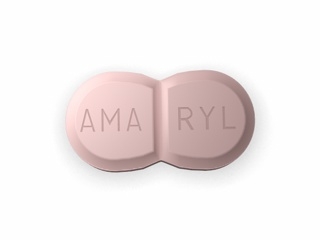

Amaryl (Glimepiride) – Patient-Friendly Guide (UK)
Amaryl is a brand of glimepiride, a medicine used to help control blood sugar levels in people with type 2 diabetes. This guide explains how it works, how to take it, key interactions, and practical tips for safe use in the United Kingdom.
Important: Diabetes medicines affect individuals differently. Always follow the instructions provided by your healthcare professional and the information on the medicine label and patient leaflet.
Quick Facts
- Medicine: Amaryl (glimepiride)
- What it’s for: Type 2 diabetes
- How it works: Increases insulin release from the pancreas
- How it’s taken: Usually once daily (commonly with breakfast or the first main meal)
- Main risk to know: Low blood sugar (hypoglycaemia)
Basic Product Information
| Category | Details |
|---|---|
| Brand name | Amaryl |
| Generic name | Glimepiride |
| Medicine type | Oral antidiabetic (sulfonylurea) |
| Use | Helps lower blood glucose in type 2 diabetes |
| Typical schedule | Once daily, often with breakfast/first meal |
How Amaryl Works (Mechanism of Action)
Glimepiride belongs to a group called sulfonylureas. It works mainly by:
- Stimulating insulin release from the pancreas, especially when blood glucose is higher.
- Improving the body’s ability to use insulin by affecting cells involved in glucose regulation.
Why timing matters: Because glimepiride helps prompt insulin release, taking it at the wrong time—or missing meals—can increase the risk of hypoglycaemia.
Pharmacokinetics (How the Body Handles It)
While each person’s response varies, the general pharmacokinetic behaviour of glimepiride includes:
- Absorption: Glimepiride is absorbed after you swallow the tablet.
- Peak effect: Blood levels typically rise within a few hours after a dose.
- Metabolism: It is metabolised in the liver.
- Elimination: Metabolites are excreted mainly via the kidneys and/or bile.
- Duration: Its glucose-lowering effect is long enough to support once-daily dosing in many patients.
Practical takeaway: Even with once-daily dosing, the medicine can influence blood sugar for much of the day—so consistent meal patterns and regular monitoring are important.
Typical Use in Type 2 Diabetes
Amaryl is used to manage blood glucose in type 2 diabetes. It may be used:
- Alone when diet, physical activity, and other measures are not enough.
- In combination with other diabetes medicines when additional glucose control is needed.
In UK practice, it’s often considered when an oral option is appropriate and when clinician review supports its suitability, taking into account individual risks such as low blood sugar and kidney function.
When to Take Amaryl (Timing & Routine)
Many people take glimepiride once daily, commonly with breakfast or the first main meal of the day.
General guidance
- Take at the same time each day if possible.
- Do not skip meals after taking a dose.
- If your clinician has changed your schedule, follow their instructions.
If you forget a dose
- Do not take an extra tablet to make up for a missed dose.
- Seek advice from your pharmacist or healthcare professional for what to do based on your dosing schedule.
Tip: If your routine varies (shift work, irregular meal times), discuss options with your healthcare team to help minimise hypoglycaemia risk.
Food Interactions & Meal Consistency
Glimepiride lowers blood glucose by increasing insulin release. As a result, food timing is important.
- Eat regularly: Missing meals or delaying them may increase the risk of low blood sugar.
- Balanced meals: A regular intake of carbohydrates helps stabilise glucose levels.
- Changes in diet: If you start a new diet plan or eat significantly less, your blood sugar may drop and your diabetes plan may need review.
Note: There are no common “forbidden” foods, but consistent meal patterns and carbohydrate distribution are key to safe use.
Alcohol and Medicine Interactions
Alcohol can affect blood sugar in multiple ways and can increase the risk of hypoglycaemia or mask symptoms of low blood sugar.
- Risk of low blood sugar: Drinking alcohol, especially with little food, may worsen hypoglycaemia risk.
- Longer effects: Alcohol-related effects on glucose regulation can last into the next day.
- Safety: Avoid binge drinking. If you drink alcohol, do so with food and monitor your blood sugar more closely.
Speak to a healthcare professional for personalised guidance, particularly if you have liver disease, drink regularly, or have had episodes of hypoglycaemia.
Medication Interactions (Important)
Many medicines can affect glucose levels or how glimepiride acts. Always tell your pharmacist or clinician about all medicines and supplements you use, including over-the-counter products.
Medicines that may increase the risk of hypoglycaemia
Some medicines can potentiate the glucose-lowering effect of glimepiride. Examples may include:
- Other diabetes medicines (especially those that also lower blood sugar)
- Some antibiotics (depending on the agent)
- Salicylates (e.g., higher-dose aspirin used in some medical contexts)
- Non-steroidal anti-inflammatory drugs (NSAIDs) (some can influence hypoglycaemia risk)
- Other drugs affecting liver metabolism (interactions vary)
Medicines that may reduce glimepiride’s effect
Certain medicines may increase blood glucose or reduce insulin effectiveness, for example:
- Corticosteroids (e.g., prednisolone)
- Some diuretics (water tablets)
- Hormonal therapies (depends on type)
- Some sympathomimetic medicines (e.g., certain asthma or nasal decongestants)
Why this matters
- Interactions may require a change in dose or closer monitoring.
- Even common medicines can affect blood sugar in some people.
Practical action: When starting, stopping, or changing any medication, re-check your diabetes monitoring plan.
Indications (Who It Is For)
Amaryl (glimepiride) is indicated for the treatment of type 2 diabetes mellitus in adults, as part of an overall plan that may include:
- Dietary changes
- Regular physical activity
- Weight management where appropriate
- Other glucose-lowering medicines if needed
Suitability depends on your overall medical history, kidney and liver function, and risk of hypoglycaemia.
Dosing (How Much to Take)
Only your prescriber can determine the correct dose for you. Dose adjustments are usually based on blood glucose readings and how you respond to the medicine.
Common dosing approach
- Starting dose: Often a low dose is used initially.
- Titration: The dose may be increased gradually if glucose control is not adequate.
- Maintenance dose: The effective dose varies by individual.
- Maximum dose: There is an upper limit; your clinician will not exceed recommended maximums.
Special situations
- Elderly patients: Greater sensitivity to hypoglycaemia may occur; extra caution is needed.
- Kidney impairment: Reduced clearance may increase risk; dose adjustments and monitoring may be necessary.
- Liver impairment: Careful evaluation is required.
- Changes in eating patterns or illness: Dose may need review during acute illness or major dietary changes.
Do not change your dose without medical advice.
Safety Profile & Side Effects
Like all medicines, Amaryl can cause side effects. Some are common, while others are rare but serious.
Most important safety risk: Hypoglycaemia
Hypoglycaemia (low blood sugar) is the main concern with sulfonylureas. It can be dangerous, especially if you drive or operate machinery.
Possible symptoms include:
- Shaking, sweating, feeling anxious
- Headache, dizziness
- Fast heartbeat
- Hunger, nausea
- Confusion, difficulty concentrating
- In severe cases: loss of consciousness
What to do if you suspect low blood sugar:
- Check your blood sugar if you can.
- Take fast-acting carbohydrate (for example, glucose tablets or sugary drink) as advised by your healthcare team.
- Re-check and seek help if symptoms persist or are severe.
Other potential side effects
- Nausea or mild stomach upset
- Weight gain (some people experience this with insulin-stimulating medicines)
- Headache
- Skin reactions (less common)
- Blood count changes (rare; your clinician may monitor if indicated)
Seek urgent medical attention if you have severe hypoglycaemia, fainting, or symptoms that do not improve after taking fast sugar.
Practical Use Tips for Day-to-Day Living
Build a consistent routine
- Take your dose at the same time each day.
- Pair the tablet with your first main meal.
- Keep regular snacks available if your meal timing can vary.
Monitor blood glucose
- Follow your healthcare team’s advice on when to test.
- Be extra vigilant when starting therapy, changing dose, or changing other medicines.
- Consider keeping a log of readings, meals, exercise, and symptoms.
Know your hypoglycaemia “triggers”
- Skipping meals or eating less than usual
- Increased physical activity without adjusting food
- Alcohol intake
- Changes in other medications
- Illness causing poor appetite or vomiting
Driving and work safety
- If you have episodes of low blood sugar or warning symptoms are reduced, discuss driving/work guidance with your healthcare professional.
- Carry fast-acting carbohydrate if you are at risk of hypoglycaemia.
During illness (“sick day” considerations)
Illness can change appetite and blood sugar levels. If you’re unwell, especially with vomiting or reduced food intake, you may be at higher risk of hypoglycaemia. Seek timely medical advice for how to manage your diabetes medications during illness.
Alternative Options (Other Diabetes Treatments)
There are several alternatives to glimepiride for type 2 diabetes, depending on individual factors such as kidney function, cardiovascular risk, weight goals, and hypoglycaemia risk.
Common classes of glucose-lowering medicines include
- Metformin (often a first-line option in many treatment pathways)
- DPP-4 inhibitors (e.g., sitagliptin, vildagliptin)
- SGLT2 inhibitors (e.g., empagliflozin, dapagliflozin)
- GLP-1 receptor agonists (injectable options such as semaglutide)
- Other sulfonylureas (e.g., gliclazide—may be considered in some patients)
- Insulin (for more advanced or insufficient control)
- Thiazolidinediones (less commonly used due to side effect profile)
How to choose an alternative: Your clinician may weigh benefits and risks such as hypoglycaemia frequency, impact on weight, kidney considerations, and cardiovascular outcomes.
United Kingdom Market & Legal/Guidance Context
In the UK, diabetes treatment is guided by evidence-based clinical recommendations and national frameworks. Glucose-lowering choices often consider:
- Individual risk of hypoglycaemia
- Kidney and liver function
- Weight considerations
- Cardiovascular and renal risk profiles
- Cost-effectiveness and availability within prescribing systems
Recent guidance context: UK diabetes care pathways continue to evolve, with increased emphasis on medicines that can offer benefits beyond glucose lowering in people with established cardiovascular or kidney disease. This can influence when sulfonylureas like glimepiride are preferred or replaced, but glimepiride remains an established option for suitable patients.
Availability: Amaryl is a recognised brand medicine in the UK market. Availability can vary over time and may include different pack sizes and strengths depending on supply.
Delivery & Availability (Online Pharmacy UK)
Online pharmacy availability typically depends on current stock and supplier schedules. When ordering in the UK:
- Delivery options may vary by location and carrier.
- Some orders may be dispatched quickly if stock is available.
- Packaging is usually designed to be discrete and protective.
What you can do to ensure smooth delivery:
- Confirm your delivery address and contact details.
- Check the estimated delivery timeframe at checkout.
- Plan ahead for refills so you don’t run out.
Note: Policies can differ between online pharmacies. Check the site’s delivery and returns information before ordering.
FAQ – Frequently Asked Questions
1) What is Amaryl used for?
Amaryl (glimepiride) is used to help control blood glucose in people with type 2 diabetes, as part of an overall diabetes management plan.
2) How does glimepiride lower blood sugar?
It is a sulfonylurea that mainly works by stimulating the pancreas to release insulin, particularly when blood glucose levels are higher.
3) When should I take Amaryl?
It is commonly taken once daily with breakfast or your first main meal. Follow your personal dosing instructions.
4) What happens if I miss a dose?
Don’t take an extra dose to “catch up.” If you’re unsure, contact your pharmacist or healthcare team for advice based on your dosing schedule.
5) Can I take Amaryl without eating?
It’s best not to. Taking glimepiride without a meal or with delayed meals can increase the risk of hypoglycaemia.
6) What are the signs of low blood sugar?
Common signs include sweating, shaking, hunger, dizziness, fast heartbeat, confusion, and weakness. Severe episodes may include loss of consciousness.
7) Is it safe to drink alcohol while taking Amaryl?
Alcohol can increase hypoglycaemia risk and may make symptoms harder to recognise. If you drink, do so with food and consider speaking to your healthcare professional for personalised advice.
8) What medicines might interact with Amaryl?
Many medicines can alter blood glucose or interact through metabolism. Tell your pharmacist about all medicines and supplements you take—especially antibiotics, corticosteroids, NSAIDs, and other diabetes medicines.
9) Can I switch to a different diabetes medicine?
Sometimes yes, but the choice and timing depend on your glucose control, kidney function, and hypoglycaemia history. Discuss any changes with your healthcare professional.
10) What should I do if I’m unwell?
If you’re eating less, vomiting, or experiencing illness-related changes in appetite, you may need guidance on your diabetes medicines. Seek medical advice promptly.
Summary
Amaryl (glimepiride) is an oral sulfonylurea used to manage type 2 diabetes. It helps lower blood glucose by increasing insulin release, but it carries a key safety consideration: hypoglycaemia, especially when meals are missed or when alcohol and interacting medicines are involved. Consistent meal timing, regular monitoring, and careful attention to drug interactions can help you use Amaryl safely as part of your diabetes care plan.