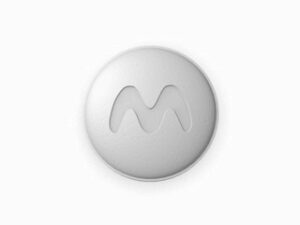
Micronase (Glyburide) — Patient-Friendly Medicine Information (UK)
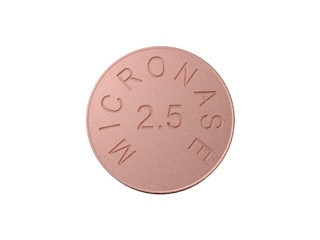
Micronase is a brand of glyburide (also known as glibenclamide in some countries). It is an oral medicine used to treat type 2 diabetes by helping the body make more insulin and use it more effectively.
This guide explains how Micronase works, when and how it’s usually taken, important interactions (including alcohol and other medicines), side effects and safety, and practical tips for everyday use in the United Kingdom.
Key product information
| Item | Details |
|---|---|
| Medicine name | Micronase (glyburide) |
| What it is | Oral diabetes medicine (sulfonylurea) |
| Common use | Adults with type 2 diabetes when diet, weight management and exercise alone are insufficient |
| How it works | Stimulates insulin release from the pancreas; helps improve glucose control |
| Typical dosing form | Tablets |
| Main safety concern | Low blood sugar (hypoglycaemia), especially if meals are missed or combined with other glucose-lowering medicines |
How Micronase works (mechanism of action)
Micronase belongs to the sulfonylurea group. Its main action is to increase insulin release:
- Micronase binds to specific receptors on pancreatic beta cells.
- This closes certain potassium channels, which triggers insulin-containing cells to release insulin.
- More insulin helps move glucose from the blood into tissues, lowering blood sugar levels.
Because it increases insulin secretion, Micronase can sometimes cause hypoglycaemia, particularly if meals are delayed, carbohydrate intake is low, or doses are too high relative to your needs.
Pharmacokinetics (how the body handles it)
“Pharmacokinetics” describes what happens after you take the tablet—how it is absorbed, distributed, metabolised and eliminated.
Absorption
Glyburide is absorbed after oral administration. How quickly it begins working varies between people, but it is designed for regular daily use.
Distribution
Once in the bloodstream, glyburide is distributed throughout the body. It can bind to blood proteins.
Metabolism
Glyburide is metabolised mainly in the liver to inactive or less active metabolites.
Elimination
Metabolites are eliminated through urine and bile/faeces.
The practical takeaway: if liver function is reduced, effects may last longer and the risk of side effects (including low blood sugar) may increase.
What Micronase is used for (indications)
Micronase is used to treat type 2 diabetes mellitus in adults. It is typically considered when:
- Diet, weight management, and physical activity are not enough to control blood glucose, and
- Additional glucose-lowering therapy is needed.
It may be used alone or in combination with other diabetes medicines, depending on your individual treatment plan and blood glucose results.
When to take Micronase (timing and routine)
Micronase is taken by mouth and is usually taken with a meal to reduce the risk of hypoglycaemia.
General timing tips
- Try to take it at the same times each day.
- Take each dose with food (for example, just before or with the meal, depending on your prescribed schedule).
- If you miss a meal, avoid taking a dose until you know when you’ll eat—talk to a healthcare professional for specific advice.
Dose and dosing guidance (what is typical)
The exact dose you should take depends on your blood glucose readings, kidney/liver function, age, and whether you’re taking other glucose-lowering medicines. Always follow the dosing schedule provided to you.
Typical approach (general principles)
- Starting doses are often low and adjusted gradually.
- Adjustments are based on fasting and/or pre-meal blood glucose and longer-term measures such as HbA1c.
- In some people—especially older adults—clinicians may use more cautious dosing due to higher hypoglycaemia risk.
Maximum dose
There is an upper limit to the dose used in practice. Your prescriber will consider whether higher doses are safe and appropriate for you.
If you have kidney problems, the risk of drug accumulation and low blood sugar may be higher; dosing may need adjustment.
Food interactions and meal consistency
Food plays a major role in safe use of Micronase because it increases insulin. The most important practical issue is meal timing and carbohydrate intake.
Best practice
- Take Micronase with meals as directed.
- Avoid skipping meals, especially after starting or increasing a dose.
- Maintain a consistent pattern of meals and snacks if you’re prone to low blood sugar.
What happens if you eat less than usual?
If you eat significantly fewer carbohydrates or delay meals, your blood sugar may drop too far, leading to hypoglycaemia. Symptoms may include sweating, shakiness, hunger, dizziness, headache, confusion, or palpitations.
Alcohol and medicine interactions
Alcohol can affect diabetes medicines in several ways. It may:
- Increase the risk of low blood sugar (particularly when alcohol replaces food).
- Worsen safety because hypoglycaemia symptoms can be mistaken for alcohol-related effects.
- Affect liver function, which may change how medicines are processed.
Practical guidance
- If you drink alcohol, do so with or after food.
- Keep glucose monitoring in mind—ask your healthcare team what level and timing is appropriate for you.
- Avoid binge drinking.
Other medicine interactions (important examples)
Many medicines can affect blood sugar control and therefore the risk of hypoglycaemia or reduced effectiveness. Always check with a healthcare professional or pharmacist before starting new medicines.
Medicines that may increase the risk of hypoglycaemia
Some drugs can strengthen the glucose-lowering effect of sulfonylureas, raising the chance of low blood sugar. Examples may include (depending on the person and dose):
- Certain anti-inflammatory medicines and other drugs that influence metabolism or protein binding
- Some antibiotics (in some cases) which may affect blood glucose control
- Other diabetes medicines (including insulin, metformin, GLP-1 receptor agonists, or other glucose-lowering agents), where combined therapy can increase hypoglycaemia risk
Medicines that may reduce Micronase effectiveness
Some medicines can raise blood glucose or counteract the effect of diabetes therapies. Examples may include:
- Corticosteroids (e.g., prednisolone) which can raise blood sugar
- Some hormone therapies and other drugs known to affect glucose metabolism
- Diuretics (water tablets) in certain situations
Always consider “everyday” products too
- Over-the-counter medicines (including some cold/flu remedies) may contain ingredients affecting blood sugar.
- Herbal products and supplements can also interact. Tell your pharmacist what you use.
If you experience symptoms of low or high blood sugar after a new medicine is started, seek advice promptly.
Safety profile: side effects and when to seek help
Like all medicines, Micronase can cause side effects. Many people tolerate it well, but the safety profile is most notable for hypoglycaemia risk.
Common or important side effects
- Hypoglycaemia (low blood sugar) — the most important risk
- Dizziness, headache, sweating, tremor, hunger, or confusion (often related to low blood sugar)
- Nausea or stomach upset in some people
- Weight gain can occur with sulfonylureas in some individuals due to increased insulin levels
- Allergic reactions are possible (less common)
Serious allergic reactions (seek urgent help)
Get urgent medical advice if you develop signs of a serious allergy such as swelling of the face/lips/throat, difficulty breathing, or widespread rash.
Severe hypoglycaemia (urgent)
Call for urgent help if you or someone else has severe symptoms such as loss of consciousness, seizures, or inability to swallow. If you feel episodes are occurring, discuss whether your dose and schedule need adjustment.
Practical use tips for safer diabetes control
These tips can help you use Micronase more safely and effectively day-to-day.
- Monitor your blood glucose as advised. Regular checks help you and your healthcare team adjust treatment.
- Keep a routine with consistent meal timing.
- Learn hypoglycaemia symptoms and act quickly if they occur.
- Carry quick sugar (e.g., glucose tablets or fast-acting carbohydrates) if you’re at risk of low blood sugar.
- Plan for sick days. Illness can change blood glucose control. Ask your healthcare team for a “sick day” plan.
- Be cautious with exercise, especially when starting or after dose changes, because activity may lower blood sugar faster.
What to do if you miss a dose
If you miss a dose, do not take an extra dose to make up for it. Take the next dose at the usual time unless your healthcare professional advises otherwise. If you’re unsure, ask a pharmacist.
Who should be extra careful?
Some groups are more likely to experience side effects such as hypoglycaemia. You should discuss suitability and monitoring with your healthcare team if you have:
- Kidney impairment or reduced kidney function
- Liver impairment
- A history of recurrent hypoglycaemia
- Poor appetite, irregular meals, or difficulty eating regularly
- Older age (hypoglycaemia may be more difficult to recognise and manage)
- Other risk factors that affect medication processing or blood sugar regulation
Alternative options for type 2 diabetes (UK)
Treatment for type 2 diabetes depends on your blood glucose goals, other health conditions, risk of hypoglycaemia, weight considerations, kidney function, and personal preferences. Micronase is one option among several.
Other medicine classes commonly used
- Metformin (often first-line in many cases)
- GLP-1 receptor agonists (injectable medicines; some are once-weekly)
- SGLT2 inhibitors (tablets that help the kidneys remove glucose)
- DPP-4 inhibitors (oral options with a lower hypoglycaemia risk than sulfonylureas)
- Thiazolidinediones (in selected patients)
- Insulin (when needed for adequate control)
- Other sulfonylureas may be considered depending on availability and suitability
If you are experiencing side effects or low blood sugar episodes, discuss whether an alternative might reduce risk or better match your health needs.
Market and legal context in the United Kingdom
Diabetes medicines are regulated in the UK and supplied through channels that must comply with medicines legislation. Availability, brand names, and prescribing decisions can vary across NHS and private care pathways. Products may differ in brand strength, formulation, and local availability.
In the UK, safety monitoring and guidance for diabetes care are influenced by national recommendations and professional bodies, with emphasis on achieving glycaemic control while minimising harms such as hypoglycaemia and weight gain.
Recent guidance (UK overview)
Recent UK diabetes care generally emphasises:
- Individualised treatment targets and patient-centred decision making
- Considering benefits beyond blood sugar (for example cardiovascular and kidney outcomes for certain medicine classes)
- Reducing hypoglycaemia risk where possible
- Using structured reviews to adjust therapy over time
Your clinician may choose older or different medicine strategies depending on your current stability, comorbidities, and how you respond.
Delivery and availability
Availability of Micronase (glyburide) tablets may vary depending on supplier stock and product strength. When purchasing online, you should expect:
- Clear product details such as strength and pack size before checkout
- Standard delivery options and tracking where available
- Packaging designed to keep tablets protected and safe in transit
If stock is limited, some pharmacies offer alternatives or advise restock timing. Always check the label details on arrival to confirm the correct strength and medicine.
How to store Micronase
- Store tablets at room temperature as stated on the packaging.
- Keep them in the original container to protect from moisture.
- Keep out of the sight and reach of children.
- Do not use after the expiry date shown on the packaging.
FAQ: Micronase (Glyburide)
1) Is Micronase the same as glibenclamide?
Glyburide and glibenclamide are names associated with sulfonylurea medicines and may be used in different markets. If you’re unsure whether your tablet label matches what you expect, check the active ingredient and strength on the box or ask a pharmacist.
2) How quickly does Micronase start working?
It starts lowering blood glucose after you take a dose, but the exact timing varies. Many people notice effects within hours, and ongoing daily use affects longer-term glucose control through HbA1c changes over weeks.
3) What should I do if I feel symptoms of low blood sugar?
Treat immediately using fast-acting carbohydrate according to your diabetes plan (for example glucose tablets or a sugary drink). Recheck your blood glucose if advised. If symptoms are severe or you cannot swallow, seek urgent medical assistance.
4) Can I take Micronase if I’m skipping meals?
Skipping meals increases the risk of hypoglycaemia. Try to keep meal timing consistent and take the medicine with food as directed. If you regularly skip meals, speak with a healthcare professional about the safest plan.
5) Is it safe to drink alcohol while taking Micronase?
Alcohol may increase the risk of low blood sugar and can make symptoms harder to recognise. If you drink, do so with food, avoid binge drinking, and monitor your blood glucose if advised.
6) What happens if I accidentally take too much?
Taking too much can increase the risk of hypoglycaemia. If you think you have taken an excessive dose, contact a healthcare professional or urgent medical advice for guidance.
7) Can I take Micronase with other diabetes medicines?
Sometimes yes, depending on your glucose control and risk factors. Combination therapy may increase hypoglycaemia risk, so dosing schedules and monitoring are important.
8) Are there medicines I should avoid?
Some medicines can raise or lower blood sugar or affect how glyburide works in the body. Always check with a pharmacist about your specific list, including over-the-counter products and herbal supplements.
9) Does Micronase affect weight?
Weight gain can occur with sulfonylureas in some people. If weight change becomes a concern, discuss strategies with your healthcare team.
10) How long will I need to take Micronase?
Diabetes is usually a long-term condition. Micronase may be continued as part of ongoing management, adjusted over time based on blood glucose results and overall health goals.
Summary
Micronase (glyburide) is an oral sulfonylurea medicine used in type 2 diabetes to improve blood glucose control by stimulating insulin release. The main safety issue is hypoglycaemia, which is why taking it with meals and keeping consistent eating patterns is so important. Alcohol can increase risk, and several other medicines can interact—so always check new medicines with a pharmacist.
If you have questions about your dose timing, side effects, or blood glucose targets, speak with your healthcare team for personalised advice.