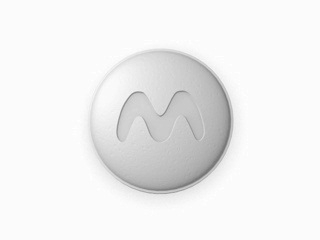
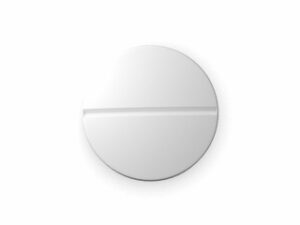

Metformin Hydrochloride (Metformin) — Patient Guide (UK)
Metformin hydrochloride (commonly called metformin) is a widely used medicine for improving blood sugar control. It belongs to a group of medicines known as biguanides. In the UK, metformin is used most often for type 2 diabetes, and it may also be used in certain situations where clinicians consider it appropriate.
This guide is written to help you understand what metformin does, how it works in the body, typical dosing approaches, common practical considerations (such as taking it with food), and important safety information.
Basic Product Information
| Item | Details |
|---|---|
| Active ingredient | Metformin hydrochloride |
| Common names | Metformin, metformin HCl |
| Medicine type | Antidiabetic (biguanide) |
| Typical formulations in the UK | Tablets (often immediate-release), and modified-release tablets (e.g., prolonged/extended release depending on brand) |
| Why it is used | Helps reduce blood glucose and improve metabolic control in type 2 diabetes |
| How it is taken | Usually by mouth, once or more daily depending on the formulation and dose |
How Metformin Works (Mechanism of Action)
Metformin lowers blood glucose mainly by reducing glucose production in the liver and improving insulin sensitivity in the body. It helps the body use insulin more effectively, which can reduce both fasting and post-meal blood sugar levels.
Key effects include:
- Less glucose made by the liver, reducing fasting glucose.
- Improved insulin sensitivity in muscle and other tissues.
- Reduced intestinal glucose absorption (a smaller contributor in many people).
- Possible effects on fats (lipids) and inflammation-related pathways, which may support overall metabolic health.
Unlike some other diabetes medicines, metformin usually has a low risk of causing hypoglycaemia (low blood sugar) when used alone. However, hypoglycaemia can occur when metformin is combined with medicines that can lower blood sugar (such as insulin or sulfonylureas).
Pharmacokinetics (What the Body Does to Metformin)
Pharmacokinetics describes how the body absorbs, distributes, metabolises, and eliminates metformin. Understanding these features helps explain timing, food effects, and why kidney function matters.
Absorption
- Metformin is absorbed from the gastrointestinal tract.
- For immediate-release tablets, absorption can be faster; for modified-release products, absorption is slower and steadier.
- Taking metformin with food can improve tolerability and may reduce gastrointestinal side effects.
Distribution
- Metformin distributes into body tissues and is not extensively metabolised by the liver.
- It largely remains active in the body rather than being converted into other compounds.
Metabolism
- Metformin is not significantly metabolised.
Elimination
- Metformin is eliminated mainly through the kidneys via renal excretion.
- This is why kidney function is carefully assessed and monitored in diabetes care.
- In people with reduced kidney function, metformin can build up, increasing the risk of rare but serious side effects.
Typical Use in the UK
In the United Kingdom, metformin is a foundational medicine used for managing type 2 diabetes. It is commonly recommended early in the treatment pathway for many adults, along with lifestyle measures such as healthy eating, physical activity, and weight management where appropriate.
It may be used:
- As a single treatment when appropriate.
- In combination with other diabetes medicines when additional glucose lowering is needed.
- As part of a wider plan that includes blood glucose monitoring and routine healthcare checks.
Timing: When to Take Metformin
Timing can affect tolerability, especially with gastrointestinal side effects. The exact instructions depend on whether you are using immediate-release or modified-release metformin, and on your individual dosing plan.
General timing guidance
- Take with food if you experience stomach upset. This is commonly recommended to improve tolerance.
- If you are prescribed more than one daily dose, try to take doses at even intervals (e.g., morning and evening).
- Swallow tablets whole if you have modified-release products. Do not crush or split unless your pharmacist or clinician confirms it is safe.
Starting dose and dose increases
Many people start on a lower dose and increase gradually. This “titration” approach can help reduce the likelihood of side effects.
Food Interactions and Dietary Considerations
Metformin is taken by mouth and is affected by whether you take it with meals. Food mainly influences tolerability and the rate of absorption for some formulations.
Taking metformin with meals
- With meals: often reduces nausea, diarrhoea, and stomach discomfort.
- Without meals: may increase gastrointestinal side effects for some people.
What to do if you miss a dose
- If you remember shortly after missing it, take it as instructed for your schedule.
- If it is nearly time for your next dose, skip the missed dose and continue as normal.
- Do not take a double dose to make up for a missed tablet.
Hydration and kidney health
Staying hydrated can support kidney function, which is important because metformin is cleared by the kidneys. If you become unwell (for example with vomiting or diarrhoea), you may need advice about temporarily pausing medicines that can be harmful when dehydrated.
Alcohol and Medicine Interactions
Alcohol can increase the risk of lactic acidosis in certain circumstances, especially when intake is heavy or when you are fasting, dehydrated, or have significant liver problems.
Practical alcohol advice
- Avoid heavy drinking and binge episodes.
- If you drink alcohol, keep it moderate and do not drink on an empty stomach.
- If you are unwell, have reduced food intake, or have vomiting/diarrhoea, seek medical advice before consuming alcohol.
Important “when to pause” concept
In some clinical settings, metformin may be temporarily withheld during significant illness, dehydration, or before certain procedures (particularly where kidney function could be affected). Always follow the advice given to you by your healthcare team.
Indications: When Metformin is Used
Metformin is indicated for the management of type 2 diabetes. In practice, clinicians may prescribe it for adults and certain patient groups depending on local guidance, assessment, and eligibility for specific products.
Possible reasons you might be taking metformin include:
- Improving blood glucose levels in type 2 diabetes.
- Helping control weight-related metabolic factors (metformin is generally weight-neutral or may cause modest weight loss in some people).
- Being part of a combined approach with other diabetes medicines when blood sugar targets are not met with lifestyle alone.
Your clinician may also consider metformin in specific non-diabetes conditions depending on your overall health and current UK clinical practice. If you are unsure why you have been prescribed it, ask your pharmacist or healthcare professional.
Dosing: Common Approaches (Adult)
Doses vary based on formulation, kidney function, and your blood glucose response. The information below is general and does not replace the dosing instructions you receive with your medicine.
Typical dosing steps
- Start low to improve stomach tolerance.
- Increase gradually every one to two weeks (or at another schedule determined by your clinician) based on blood glucose and side effects.
- Many people take the medicine once daily with modified-release products, or split doses with immediate-release products.
Consideration of kidney function
Because metformin is cleared by the kidneys, your clinician may assess kidney function using blood tests (such as eGFR). The dose may be adjusted or the medicine may be stopped if kidney function is significantly reduced.
Missed doses and dose doubling
Do not take extra tablets to compensate. If you miss more than one dose, consult your pharmacist for advice on how to restart safely.
Safety Profile: Side Effects and When to Seek Help
Most people tolerate metformin well, especially after gradual dose increases and when taken with food. However, like all medicines, it can cause side effects. Some are common and mild; a few are rare but serious.
Common side effects
- Gastrointestinal symptoms: nausea, diarrhoea, abdominal discomfort, bloating, metallic taste.
- These often improve as your body adjusts, particularly with dose titration and taking metformin with meals.
Less common but important issues
- Vitamin B12 deficiency: long-term use can lower B12 levels in some people. Your clinician may monitor this and recommend supplementation if needed.
- Skin reactions (rare).
Rare but serious risk: lactic acidosis
Lactic acidosis is very rare but serious. Risk is higher in certain situations such as severe kidney impairment, dehydration, significant illness, low oxygen states, or heavy alcohol intake. Metformin should be reassessed in such circumstances.
Seek urgent medical advice if you experience symptoms such as:
- Severe weakness or unusual tiredness
- Unexplained muscle pain
- Fast or deep breathing
- Abdominal pain with feeling very unwell
- Feeling cold, dizzy, or confused
Hypoglycaemia risk
Metformin alone typically does not cause hypoglycaemia. If used with insulin or a medicine that can cause low blood sugar, you may still get symptoms of hypoglycaemia. Know the signs such as sweating, shakiness, hunger, dizziness, or confusion.
Practical Use Tips (What Helps Most)
- Take with food (especially at the beginning) to reduce stomach upset.
- Follow a gradual titration plan if one is given to you; rushing increases side effects.
- Be consistent with timing each day.
- Stay hydrated, particularly during hot weather or if you’re exercising.
- Monitor blood glucose or use your diabetes monitoring plan as advised by your healthcare team.
- Keep up routine checks (kidney function, HbA1c, lipids, blood pressure, and other reviews).
- If you notice persistent diarrhoea or significant nausea, talk to your pharmacist/clinician—adjusting dose or switching formulation may help.
Medicine Interactions
Metformin can interact with other medicines and certain medical situations. Below are common interaction considerations in everyday UK practice. This is not exhaustive. Always check with a pharmacist if you start, stop, or change any medicines.
Medicines that may affect metformin clearance
- Some medicines that affect kidney function or renal transport systems may increase metformin levels.
- Inform your healthcare team if you have kidney issues or take medicines regularly that can affect hydration or kidney performance.
Medicines that can affect blood sugar
- If metformin is used with insulin or sulfonylureas, the overall risk of hypoglycaemia increases.
- Tell your clinician if you experience signs of low blood sugar.
Imaging procedures and contrast media
Certain imaging procedures involving iodinated contrast may require special precautions in people taking metformin, depending on kidney function and clinical circumstances. Follow the local protocol used by your healthcare provider.
Alternative Options (Other Treatments)
Depending on your health profile, blood sugar targets, and side effect tolerance, there are several alternative or additional treatment options for type 2 diabetes in the UK. Your clinician will choose based on your individual needs, including cardiovascular or kidney benefits where relevant.
Common alternatives or add-ons
- Other oral medicines (e.g., sulfonylureas, DPP-4 inhibitors, SGLT2 inhibitors, thiazolidinediones, depending on suitability).
- Injectable therapies (e.g., GLP-1 receptor agonists in appropriate patients).
- Insulin for some people, especially where glucose levels are very high or insulin is required.
If metformin does not suit you (for example due to side effects or kidney concerns), clinicians can adjust the plan. Don’t stop metformin suddenly without medical advice.
Market & Legal Context in the United Kingdom
In the UK, metformin is a recognised and commonly prescribed medicine used in diabetes management. Medicines are supplied under UK medicines regulation and pharmacy practice, with controls that may vary by product type and strength. For online pharmacy supply, the relevant legal requirements around customer eligibility, product information, and safe use apply.
Your online pharmacy should provide clear details about:
- Product strength and formulation (immediate-release vs modified-release)
- Usage instructions and relevant warnings
- Safety information, including kidney function considerations and when to seek help
- Delivery options and product availability
Recent Guidance and Ongoing Advice (UK Context)
UK diabetes guidance continues to emphasise personalised care. Metformin remains a cornerstone option for many people with type 2 diabetes, alongside lifestyle measures and regular monitoring.
Recent themes across UK clinical practice include:
- Maintaining metformin where appropriate and safe, especially for metabolic benefit.
- Careful assessment of kidney function for metformin safety.
- Awareness of vitamin B12 monitoring with long-term metformin use.
- Optimising therapy by adding medicines with proven benefits for cardiovascular and kidney outcomes in suitable patients.
Guidance may evolve as new evidence becomes available. If you are unsure whether your regimen matches current best practice, discuss it with your healthcare team.
Delivery and Availability (UK Online Pharmacy)
Metformin is widely available in the UK. Availability may vary by brand, strength, and whether you require a specific modified-release product. When ordering online, check:
- The exact brand and strength (e.g., mg per tablet) and whether it is immediate-release or modified-release.
- Your preferred delivery option.
- Estimated delivery times shown at checkout.
If an item is temporarily out of stock, reputable pharmacies typically offer options such as:
- Alternative presentations (where clinically appropriate)
- Backorder updates
- Delivery date changes
FAQ: Metformin Hydrochloride
1) What is metformin used for?
Metformin is used to treat type 2 diabetes by lowering blood glucose and improving insulin sensitivity. It is often used as a first-line or early option in many adults.
2) How quickly does metformin start working?
Metformin can begin lowering blood glucose within days, but full effectiveness on overall control (such as HbA1c) develops over weeks. Many people notice fewer blood sugar swings after consistent dosing for some time.
3) Should I take metformin with food?
Taking metformin with food is commonly recommended, especially if you experience nausea, diarrhoea, or stomach discomfort. Follow the instructions for your specific product.
4) Can I drink alcohol while taking metformin?
Moderate alcohol may be possible for some people, but heavy drinking can increase the risk of serious complications. Avoid binge drinking, and seek advice if you are unwell or have reduced food intake.
5) Will metformin cause weight gain?
Metformin is generally considered weight-neutral, and some people lose a small amount of weight. However, individual results vary.
6) What are the most common side effects?
The most common are gastrointestinal effects such as diarrhoea, nausea, and abdominal discomfort. These are more likely when starting or increasing the dose and often improve with gradual titration and taking it with meals.
7) How do I prevent stomach upset?
Practical steps include taking metformin with food, starting at a lower dose, increasing gradually, and ensuring you are using the correct formulation (immediate-release vs modified-release) as directed.
8) Is metformin safe for people with kidney problems?
Metformin depends on kidney function. Because it is cleared by the kidneys, clinicians may adjust the dose or avoid metformin in severe kidney impairment. Regular kidney monitoring helps keep treatment safe.
9) What is lactic acidosis and when should I worry?
Lactic acidosis is a rare but serious condition. Seek urgent medical advice if you develop symptoms such as severe weakness, fast/deep breathing, abdominal pain, or feel very unwell—especially if you are dehydrated or acutely ill.
10) Can I stop metformin suddenly?
Do not stop metformin without medical advice. Stopping may worsen blood sugar control. If you experience side effects or have concerns, speak to a pharmacist or healthcare professional for a safe plan.
11) Are there alternatives if I cannot tolerate metformin?
Yes. Depending on your circumstances, clinicians may use other diabetes medicines or adjust the formulation/dose to improve tolerability. Options differ based on blood sugar goals and your overall health.
12) How should I store metformin?
Store tablets according to the packaging instructions. Keep them away from excessive heat, moisture, and direct sunlight. Always store medicines out of reach of children.
Summary
Metformin hydrochloride is a long-standing treatment for type 2 diabetes in the UK. It improves blood sugar control by reducing liver glucose output and increasing insulin sensitivity. Taking it with food and increasing doses gradually can help reduce common stomach side effects. Because metformin is cleared through the kidneys, kidney function monitoring is important for safety. Although metformin alone has a low risk of hypoglycaemia, it can be part of combination therapies, where the overall risk may change.
If you have questions about your specific product, dosing schedule, or suitability, speak to your pharmacist or healthcare professional.