
Cyclopentolate (Eye Drops) — Patient Information
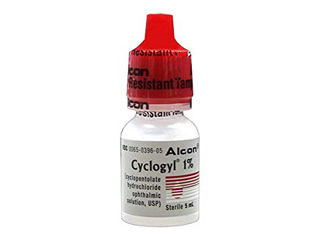
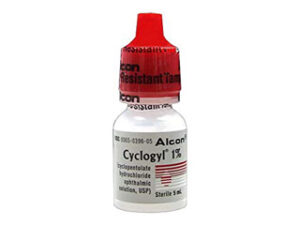
Cyclopentolate is an eye drop medicine used to temporarily dilate the pupil (widen the “black” part of the eye) and relax the focusing muscle. It is commonly used during eye examinations and some eye conditions where temporary loss of focusing helps relieve symptoms or allows clearer examination of the back of the eye.
This page explains how cyclopentolate works, how it is used, what to expect, and important safety information for people in the United Kingdom.
Basic product information
| Category | Details |
|---|---|
| Medicine | Cyclopentolate eye drops |
| Common effects | Pupil dilation (mydriasis), reduced focusing ability (cycloplegia) |
| Typical setting | Eye examination, eye care clinics, some specialist uses |
| How it’s supplied | Eye drops (strength varies by product and prescriber instructions) |
| Who may use it | Adults and children in appropriate circumstances under professional guidance |
The exact strength and dosing schedule can vary between products. Always follow the instructions given with your particular medicine.
How cyclopentolate works (mechanism of action)
Cyclopentolate is an antimuscarinic medicine. It blocks signals from the muscarinic receptors that normally:
- Contract the pupil (helping keep it smaller in the light).
- Actuate the focusing muscle in the eye, allowing near vision.
When applied to the eye, cyclopentolate:
- Dilates the pupil so the clinician can see deeper structures of the eye.
- Paralyses the accommodation reflex temporarily, reducing focusing power (useful for eye measurements).
The effect is temporary, but the period of blurred near vision and light sensitivity can last several hours.
Pharmacokinetics (how the body handles it)
Cyclopentolate works primarily in the eye, but a small amount can be absorbed through the eye surface and nasal passages after instilling drops.
- Onset (typical): pupil dilation and cycloplegia generally begin within tens of minutes after dosing.
- Duration (typical): effects can last several hours; in children it may persist longer.
- Systemic absorption: some absorption may occur through the eye/nasal route, especially if drops spill into the nose or are not blotted away.
- Metabolism and elimination: like other antimuscarinics, it is processed by the body and eliminated primarily via normal body clearance pathways (details depend on individual factors and the amount absorbed).
Because children and certain adults may absorb more or be more sensitive to antimuscarinic effects, the medicine is used with careful dosing and monitoring when needed.
What it’s used for (typical indications)
Cyclopentolate is widely used in eye care. Common uses include:
- Eye examinations (to dilate pupils and obtain accurate measurements of refractive error).
- Assessing the retina and optic nerve where a clearer view is needed.
- Paediatric eye assessments to help obtain reliable glasses prescriptions.
- Some ophthalmic conditions under specialist direction where temporary cycloplegia is beneficial.
If you are using cyclopentolate as part of an eye exam, your optometrist or ophthalmologist will guide you on timing and aftercare.
When and how quickly it works (timing)
Timing can vary by age, dose, and the exact formulation. Typical expectations:
- After instillation: dilation usually begins within 15–30 minutes.
- Peak effect: commonly occurs within 30–60 minutes for many patients.
- Near vision blur: may last several hours, sometimes longer in children.
- Light sensitivity: often improves as the pupils return toward normal size.
Plan your day accordingly—avoid driving until your vision is back to normal (see safety tips below).
Food interactions
There are generally no direct food interactions expected because cyclopentolate is used as an eye drop and its main action is local to the eye. However, overall wellbeing can affect tolerance of side effects.
- If you feel unwell or dizzy, take rest and consider having a light snack.
- In children, ensure they are comfortable and supervised, especially if they are sensitive to light or have blurred vision.
There is no typical requirement to avoid specific foods before or after use.
Alcohol and medicine interactions
Cyclopentolate may cause side effects such as blurred vision and, occasionally, dizziness or drowsiness due to systemic antimuscarinic effects. Because of this, it is wise to treat alcohol and sedating medicines with caution.
Alcohol
- Recommendation: avoid or limit alcohol on the day you use cyclopentolate, particularly if you feel light-headed or your vision is blurred.
- Driving: do not drive after using cyclopentolate until vision has returned to normal.
Other medicines
Cyclopentolate is an antimuscarinic agent. Using it alongside other medicines with antimuscarinic effects may increase the chance of side effects.
- Medicines for overactive bladder, some antidepressants, antipsychotics, and other drugs with anticholinergic effects may theoretically add to side effects.
- If you take regular medicines, tell your eye care professional or pharmacist about your complete list (including non-prescription products).
If you notice troubling symptoms after using cyclopentolate, seek advice promptly.
Dose and practical instructions
The dose depends on the reason you are using cyclopentolate and your age. In the UK, the exact dosing schedule should be based on the instructions provided with the medicine or by your eye care professional. Below are general guidance principles, not a substitute for your specific instructions.
Typical dosing pattern (general)
- Eye examination use: a common approach is a small number of drops instilled into the affected eye(s), sometimes repeated after a time interval to achieve the desired effect.
- Children: dosing is often weight/age sensitive and may involve careful titration.
How to use eye drops correctly
- Wash your hands.
- Check the product: ensure the expiry date is valid and the bottle is not contaminated.
- Shake if required (only if the leaflet/instructions for your specific product says to).
- Remove contact lenses if you wear them (see tips below). Use glasses instead until your eye care professional says lenses can be resumed.
-
Instil drops:
- Gently pull down the lower eyelid.
- Hold the bottle above the eye without touching it.
- Instil the prescribed number of drops into the lower eyelid pocket.
-
Close the eye gently for about 1–2 minutes.
- Press lightly on the inside corner of the eye (near the nose) for about 1 minute. This is sometimes called punctal occlusion and can reduce drainage into the nose, lowering systemic absorption.
- Wipe away excess with clean tissue.
- Do not rub your eyes after dosing.
Missed dose
If you miss a dose during an examination process, the clinician will usually advise what to do next. For home use, follow the instructions provided. Do not add extra drops unless told to.
If you are unsure, contact your pharmacy or eye care provider for advice.
Safety profile and side effects
Cyclopentolate is generally well tolerated when used appropriately for eye examinations, but side effects can occur.
Common or expected effects
- Blurred near vision (cycloplegia)
- Light sensitivity (dilated pupils)
- Stinging or mild irritation on instillation
- Temporary difficulty focusing
- Dry mouth or mild dryness sensations (usually mild and temporary)
Less common but important side effects
Seek urgent medical advice if you experience any of the following:
- Severe eye pain or rapidly worsening redness
- Marked headache with nausea/vomiting
- Halos around lights and significant vision changes
- Confusion, severe drowsiness, or agitation (more likely in children or if systemic absorption occurs)
- Unusual palpitations or feeling very unwell
Who should take extra care
- People with narrow angles or risk of angle-closure glaucoma should use caution. Dilating drops can, in susceptible individuals, precipitate raised eye pressure.
- Children require careful dosing and supervision due to higher sensitivity to antimuscarinic effects.
- Older adults may be more susceptible to systemic side effects (dizziness, confusion).
- People with neurological conditions or those taking multiple antimuscarinic medications should discuss risk with a professional.
When to get urgent help (UK)
If you suspect a serious eye problem (such as an acute attack of raised eye pressure), contact 111 for urgent advice or your eye emergency service as directed by your healthcare provider. If you are very unwell, call 999.
Practical use tips (to make the experience easier)
- Bring sunglasses: pupils may stay dilated for hours, especially outdoors.
- Plan your day: avoid tasks requiring sharp near vision and do not drive until you can see clearly.
- Avoid rubbing the eyes after instillation. If you do, it can increase irritation and potentially spread the medicine.
- Keep tissues handy to wipe excess drops.
-
For children:
- Supervise closely, as blurred vision can make balance and coordination harder.
- Ensure the child does not touch or rub their eyes.
- Consider comfort measures during light sensitivity (dim room, sunglasses if outdoors).
- Use punctal occlusion (press inside corner for ~1 minute) if you are applying drops at home. This can reduce absorption into the bloodstream.
- Contact lenses: remove before use and wait for advice before refitting. Some drops contain preservatives that may not be suitable for lenses.
Alternative options
Depending on the exam or condition, eye care professionals may use alternative pupil-dilating/cycloplegic agents. Alternatives may include:
- Atropine (typically longer acting; used for specific situations under specialist direction)
- Homatropine (often intermediate duration in some regimens)
- Proparacaine is not a cycloplegic; it is a local anaesthetic sometimes used for comfort—its purpose is different.
- Tropicamide (a shorter-acting dilating drop often used for examinations)
- Phenylephrine (dilates pupil via a different mechanism; not a cycloplegic)
The best option depends on age, the goal of the exam (for example, measuring refractive error), time constraints, and safety considerations.
Market and legal context for the UK
In the United Kingdom, eye drops containing cyclopentolate are used in accordance with NHS and private eye care practice. Medicines are regulated by the UK medicines framework, and product availability and classifications may vary by formulation and strength.
In UK clinical care, cyclopentolate is commonly supplied and administered under professional oversight—particularly in children—to ensure accurate timing, correct dosing, and assessment of suitability (for example, angle-closure risk).
If you are purchasing cyclopentolate through an online pharmacy, it should be supplied in line with applicable UK regulations and the information provided for that specific product. Always read the patient leaflet included with your medicine.
Recent guidance and clinical considerations
While practices may vary between clinics, the following general principles are consistently recommended in UK eye care:
- Confirm suitability for mydriatic/cycloplegic drops, especially in people with possible narrow angles or a history of angle-closure glaucoma.
- Use correct dosing for age and clinical purpose (particularly in children).
- Aftercare: advise patients about light sensitivity and the effect on near vision; emphasise that driving may be unsafe until vision recovers.
- Reduce systemic absorption when feasible by punctal occlusion, particularly for children.
For personalised advice, speak with your optometrist, ophthalmologist, or pharmacist.
Delivery and availability in the UK
Availability of cyclopentolate eye drops can vary by brand, strength, and pack size. Online pharmacies in the UK may offer delivery options depending on stock levels and local distribution routes.
- Typical delivery: most online pharmacy orders aim for standard delivery within a stated timeframe (often 1–3 working days), subject to eligibility and courier schedules.
- Order processing: check the website for dispatch cut-off times and delivery estimates.
- Packaging: medicines are usually shipped in protective packaging to keep bottles secure.
If you need cyclopentolate for a specific appointment date, order early to allow time for processing and delivery.
FAQ — Cyclopentolate eye drops
1) How long will my vision stay blurred after cyclopentolate?
Many people notice blurred near vision and light sensitivity for several hours. In children, the effect can last longer. Vision should improve as the medicine wears off; if you need to be precise with reading or driving, wait until your sight feels fully normal.
2) Can I drive after using cyclopentolate?
Do not drive until your vision is clear enough to drive safely. Cyclopentolate causes pupil dilation and reduced focusing ability, which can impair night vision and near vision.
3) Will cyclopentolate affect only one eye?
It depends on how it was administered. Drops may be used in one or both eyes based on the exam plan or clinical need. The effects are usually limited to the treated eye(s), though light sensitivity can still feel significant even when only one eye is treated.
4) What if the drops accidentally get on my skin?
Wipe off any excess gently with tissue and wash the area with water. Avoid rubbing your eyes. If you develop redness or irritation, contact your pharmacist or eye care professional for advice.
5) What should I do if I wear contact lenses?
Remove contact lenses before using the drops. Ask your pharmacist or eye care provider when you can safely reinsert them. Some eye drops contain preservatives that may be unsuitable for lens wear.
6) Are there any foods I should avoid?
There are no known direct food interactions with cyclopentolate eye drops for most patients. If you feel unwell (for example, dizzy), take rest and have a light snack.
7) Can I drink alcohol after using cyclopentolate?
It’s best to avoid or limit alcohol on the day of use, especially if you feel dizzy or your vision is blurred. Alcohol may increase the impact of side effects and make it unsafe to drive.
8) Who should not use cyclopentolate?
Cyclopentolate may not be suitable for everyone, particularly people with certain eye conditions such as narrow-angle glaucoma or at risk of angle closure. If you have a history of high eye pressure, glaucoma, or severe eye pain with dilation, seek advice promptly.
9) What are the signs of a serious problem after using cyclopentolate?
Seek urgent medical advice if you develop severe eye pain, marked redness, severe headache, nausea/vomiting, or halos around lights, or if a child becomes unusually agitated or drowsy.
10) What if I’m taking other medicines?
Tell your pharmacist or eye care professional about all medicines you take (including non-prescription products). Because cyclopentolate has antimuscarinic effects, combining it with other anticholinergic medicines may increase side effects.
Summary
Cyclopentolate eye drops dilate the pupils and relax focusing, helping clinicians examine the eye accurately and safely. Effects typically begin within tens of minutes and may last for several hours, causing light sensitivity and blurred near vision. By following correct instillation technique and aftercare—such as wearing sunglasses and avoiding driving until vision returns—you can make the experience much easier. If you have concerns about glaucoma risk, significant side effects, or interactions with other medicines, contact a healthcare professional for guidance.