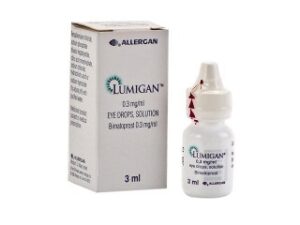
Lumigan + Applicators (Bimatoprost) – Patient Information (United Kingdom)
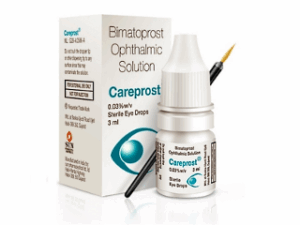
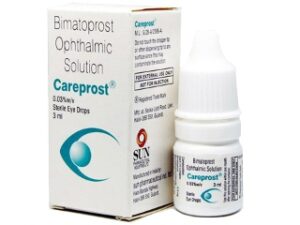
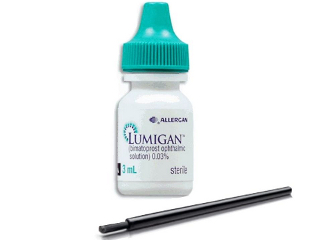
Lumigan + Applicators is an eye drop product containing bimatoprost. It is used to reduce pressure inside the eye in certain conditions. This patient-friendly guide explains how it works, how to use it properly, what to expect, and key safety information. Always follow the instructions provided with your medicine and seek advice from a qualified healthcare professional if you are unsure.
1) Basic product information
- Active ingredient: Bimatoprost
- Medicinal form: Eye drops (supplied with applicators)
- Common use: Lowering elevated intraocular pressure (IOP)
- Who it may be for: Adults and certain children/adolescents depending on the specific indication and prescriber guidance
- Country context: Available in the UK market under relevant regulatory status
Note: “Lumigan + Applicators” refers to a presentation that includes applicator aids to help with administration. Your exact strengths and dosing schedule can vary by product packaging—please check your outer carton and leaflet.
2) What bimatoprost does (mechanism of action)
Bimatoprost belongs to a group of medicines known as prostaglandin analogues (sometimes described as a prostamide/prostaglandin receptor pathway agent). It helps reduce pressure in the eye by improving fluid outflow.
- Increased outflow: It primarily enhances the drainage of aqueous humour through the eye’s natural outflow pathways.
- Reduced intraocular pressure: Lower pressure helps reduce the risk of damage to the optic nerve in glaucoma and ocular hypertension.
Because it works by increasing fluid drainage, it is typically used .
3) Pharmacokinetics (how the body handles it)
When used as eye drops, bimatoprost is absorbed through ocular tissues. It is then distributed in the body at very low levels compared with systemic medications.
- Onset within the eye: Pressure-lowering effects often begin within hours, with maximum effect commonly occurring within about 4–6 hours after dosing.
- Duration of effect: The IOP-lowering effect typically lasts for around 24 hours, supporting once-daily dosing.
- Metabolism and elimination: Bimatoprost is metabolised in the body, mainly through enzymatic and oxidative pathways. It and its metabolites are cleared primarily by hepatic metabolism and excretion, including via urine and faeces.
- Systemic exposure: Systemic levels are generally low when used correctly as instructed for eye disease.
Even with low systemic exposure, still consider drug interactions and safety points (especially if you have other eye treatments or medical conditions).
4) What it’s used for (indications)
Lumigan + Applicators is used for:
- Open-angle glaucoma
- Ocular hypertension
In some settings, bimatoprost may be used in younger patients where clinically appropriate. Your ophthalmologist will confirm whether it is suitable for your age group and diagnosis.
5) How to use it (typical dosing and timing)
Typical dose
In most cases:
- One drop once daily in the affected eye(s)
- Best time: Often in the evening (commonly around bedtime)
Using it at the same time each day helps you keep a steady routine.
Maximum benefit from correct timing
Many prostaglandin-analogue medicines—including bimatoprost—are dosed in the evening because intraocular pressure tends to be higher at night for many people. Adhering to evening dosing can improve consistency of pressure control.
If you miss a dose
- If you remember soon, use the missed dose.
- If it is close to the time for the next dose, skip the missed dose.
- Do not use double the amount to make up for a missed dose.
If you miss several doses or are unsure, contact your eye care team for advice.
6) Step-by-step practical use tips (for best results)
Correct technique helps reduce contamination and improves consistency.
- Wash your hands with soap and water and dry them.
- Check the bottle/applicator condition and expiry date on the packaging.
- Use a mirror if helpful.
- Prepare the eye: Gently pull down the lower eyelid to form a small pocket.
- Instil the drop: Place one drop into the lower eyelid pocket without touching your eye or eyelids with the tip.
- Close your eye gently for 1–2 minutes.
- Consider punctal occlusion: Press lightly on the inner corner of the eye (near the nose) for about 1 minute. This can reduce drainage into the nose and potentially reduce systemic absorption.
- Wipe away excess with clean tissue.
- Replace the cap immediately.
Do not:
- Touch the dropper tip to your eye or eyelashes
- Share your eye drops with other people
- Use the bottle if the packaging appears damaged or contaminated
Using with other eye medicines
- If you use other eye drops, keep a gap of at least 5 minutes between different drops unless your clinician says otherwise.
- If you also use eye ointment, use it last. Ointments can reduce the absorption of drops if used first.
7) Food interactions
Bimatoprost eye drops are absorbed locally with low systemic exposure. In general, food interactions are not expected to be clinically significant.
- There are usually no special dietary restrictions required for bimatoprost.
- Take your other medicines as usual unless your healthcare professional has advised otherwise.
If you are taking multiple medicines for other conditions, it’s still important to review interactions with a pharmacist or GP, especially if you notice unexpected effects.
8) Alcohol and medicine interactions
Alcohol
There is no well-established direct interaction between bimatoprost eye drops and alcohol due to the low systemic exposure from ocular use. However:
- Alcohol can worsen dry eye or eye irritation in some people.
- Alcohol may affect adherence—avoiding missed doses helps control eye pressure.
Medicine interactions
Because systemic absorption is low, major interactions are less likely. However, consider:
- Other eye drops (especially multiple glaucoma medications): ensure correct timing between products.
- Anti-inflammatory medicines: some eye conditions use steroids or NSAID drops; ask your clinician about any schedule adjustments.
- Contact with prostaglandin-like medicines: using two medicines from the same group may increase side effects without additional benefit.
Tell your pharmacist about:
- All prescription and over-the-counter medicines
- Any herbal products
- Any allergies
Seek advice if you use medicines that affect the eye (e.g., other glaucoma treatments) or if you are under treatment for inflammation.
9) Safety profile and common side effects
Like all medicines, Lumigan + Applicators can cause side effects. Many are mild and related to the eyes.
Common side effects
- Eye redness
- Eye irritation or a gritty feeling
- Dry eyes
- Itching or mild discomfort
- Increased tear production in some people
- Conjunctival injection (redness of the white of the eye)
Possible changes around the eye
- Longer/thicker eyelashes (can occur)
- Eyelash darkening
- Periocular skin darkening (skin around the eyes may darken)
- Iris pigmentation changes may occur, particularly with long-term use in some individuals
Important: Iris pigmentation changes are usually gradual. Report any noticeable change to your eye specialist.
Less common but serious side effects (seek prompt medical advice)
Contact your eye care team urgently or seek medical help if you experience:
- Severe eye pain
- Significant vision changes (blurred vision that doesn’t improve, sudden vision loss)
- Marked worsening redness or swelling
- Light sensitivity that is more than mild
- Signs of infection (e.g., discharge with pain or worsening irritation)
- New or worsening inflammation in the eye (especially in those with a history of eye inflammation)
- Macular oedema symptoms (reduced central vision or distortion), particularly if you have risk factors such as previous eye surgery or inflammation
People with certain eye conditions (for example, specific forms of uveitis or risk of macular oedema) may need extra monitoring.
10) Special considerations (who should be cautious)
- Eye inflammation history: If you have a history of uveitis or recurrent inflammation, discuss risks with your ophthalmologist.
- After eye surgery: People who have had certain eye operations may need closer follow-up.
- Contact lenses: If you wear contact lenses, remove them before instilling drops and wait before reinserting (follow your product leaflet guidance). Some formulations contain preservatives that can affect lenses.
- Allergy: Do not use if you have known hypersensitivity to bimatoprost or any ingredient.
If you have a red, painful eye or suspected infection, do not simply continue—seek medical advice promptly.
11) Practical use tips for comfort and consistency
- Expect mild irritation at the start in some people; it often improves as your eyes adjust.
- Use artificial tears if appropriate: Lubricating eye drops can help dryness. Keep a 5-minute gap from bimatoprost unless your clinician advises otherwise.
- Don’t stop suddenly: Glaucoma and ocular hypertension require ongoing control. Stopping can increase eye pressure.
- Protect the bottle tip: Wipe gently if needed; avoid contaminating the tip.
- Check expiry: Old drops may be less effective and more irritating.
12) Alternative options
Depending on your diagnosis and response, there are several other treatment options for reducing intraocular pressure. Your eye specialist may choose based on effectiveness, tolerability, and your medical history.
Other classes of glaucoma medicines (examples)
- Other prostaglandin analogues (similar mechanism; different active ingredients)
- Beta-blockers (e.g., timolol-containing drops)
- Alpha-agonists
- Carbonic anhydrase inhibitors
- Combination drops combining two medicines
Non-drop alternatives
- Laser treatment (e.g., selected glaucoma types)
- Surgery in certain cases
Your clinician will advise what is most suitable for your eye pressure targets and any side effects you may have experienced.
13) Market and legal/regulatory context in the UK
In the United Kingdom, eye drops and glaucoma medicines are regulated by the Medicines and Healthcare products Regulatory Agency (MHRA). Products must meet UK requirements for quality, safety, and labelling, including a Summary of Product Characteristics and patient information leaflet.
Your pharmacy can provide guidance on:
- Correct product identification (strength and formulation)
- Storage instructions
- How to contact support if you have side effects
Important: Always use the product you received and do not substitute another bimatoprost brand without checking the equivalence and directions with your pharmacist.
Recent guidance (general principles)
Across UK ophthalmology practice, current management of glaucoma and ocular hypertension typically focuses on:
- Targeting intraocular pressure based on disease severity and risk
- Long-term adherence to prevent progression
- Regular eye monitoring (optic nerve, visual fields, and other assessments)
- Managing tolerability (e.g., addressing redness, dryness, and ensuring correct drop technique)
Guidance may evolve as new evidence becomes available; your eye specialist remains best placed to interpret it for your specific situation.
14) Delivery and availability (UK online pharmacy)
When ordered from a UK online pharmacy, Lumigan + Applicators should be dispatched in line with standard delivery procedures. Availability can depend on stock levels and your local area.
- Packaging: Typically supplied in secure, protective packaging.
- Delivery times: Vary by provider and shipping service; check the estimated dispatch and delivery timeframe at checkout.
- Storage: Store according to the directions on the carton/leaflet (commonly at room temperature, away from excessive heat and direct sunlight).
If you experience issues with your delivery (damaged packaging, missing items, or incorrect product), contact the pharmacy support team promptly.
15) Frequently Asked Questions (FAQ)
How quickly does Lumigan work?
In many people, eye pressure begins to drop within hours. The strongest effect is often seen within several hours after dosing, and it generally lasts for about 24 hours.
Do I need to use it every day?
Yes. Glaucoma and ocular hypertension are long-term conditions. To maintain eye pressure control, it’s important to keep using bimatoprost once daily unless your eye specialist advises otherwise.
Can I use Lumigan if I wear contact lenses?
Often, contact lenses should be removed before instilling eye drops and reinserted only after the recommended interval. Follow your product leaflet for the exact instructions.
Will it change my eyelashes?
It may. Some people develop longer, thicker, or darker eyelashes. This is a known effect of bimatoprost and is usually not harmful, but report any irritation or unusual symptoms to your clinician.
Will my eye colour change?
Iris pigmentation changes can occur gradually, particularly in individuals with mixed-colour irides. If you notice changes, inform your ophthalmologist.
What if my eyes become very red or painful?
Mild redness or irritation can happen, especially early on. However, severe pain, marked swelling, light sensitivity, or significant vision changes require prompt medical advice.
What should I do if I miss a dose?
Use it when you remember if it’s not close to the next dose. If it is near the next dose, skip the missed one. Do not use two doses together.
Is there any problem with using it with other eye drops?
Usually, yes—if you space them correctly. Wait at least 5 minutes between different eye drops unless your clinician gives different instructions.
Does food or alcohol affect it?
Food interactions are not expected to be clinically significant. Alcohol is not known to directly interact with bimatoprost, but it may worsen dry eye in some people. Focus on taking your drops consistently.
What are the most important safety points?
- Use once daily in the correct eye(s) at the recommended time.
- Do not touch the drop tip to your eye.
- Seek urgent advice for severe pain, vision changes, or significant worsening redness.
- Report pigment changes or signs of inflammation.
Summary
Lumigan + Applicators (bimatoprost) is a once-daily eye drop used in the UK to help manage open-angle glaucoma and ocular hypertension by lowering intraocular pressure. It works by improving the eye’s fluid outflow. Most people experience mild, temporary eye-related side effects such as redness or irritation. Consistent evening dosing and correct application technique are key to effectiveness and comfort.
If you have any concerns—especially about pain, vision changes, or inflammation—contact your eye care team promptly.