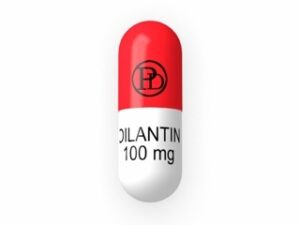
Phoslo (Calcium Acetate) – Patient Information (UK)
Phoslo contains calcium acetate, a medicine used to help control high phosphate (phosphate levels in the blood), particularly in people with long-term kidney problems (chronic kidney disease). It works mainly in the gut by binding phosphate from food, helping reduce how much phosphate is absorbed into the bloodstream.
This page explains how Phoslo works, when and how it is usually taken, key safety information, and practical tips for day-to-day use in the United Kingdom.
Basic product information
- Medicine name: Phoslo
- Active ingredient: Calcium acetate
- What it’s used for: Reducing blood phosphate in chronic kidney disease
- How it works: Phosphate binder (binds phosphate in the gastrointestinal tract)
- Common formulation: Tablets/capsules depending on the product presentation
Important: Always follow the dosing plan given by your clinical team. The information below is general and may not match your personal regimen.
How Phoslo works (mechanism of action)
In people with impaired kidney function, phosphate is cleared less effectively. Over time, this can lead to hyperphosphataemia (raised phosphate levels). High phosphate may contribute to mineral and bone disorders in chronic kidney disease.
Calcium acetate acts as a phosphate binder. When taken with meals, it releases calcium in the stomach and intestines. The calcium binds to phosphate in food, forming an insoluble compound that is then passed through the gut rather than absorbed into the bloodstream.
Why timing with food matters
Phoslo is intended to bind phosphate from the meal. For best results, it is generally taken during or immediately with meals. Taking it between meals may bind less dietary phosphate.
Pharmacokinetics (what happens in the body)
Phosphate-binding medicines act mostly within the gastrointestinal tract. The key practical points are:
- Local action: Phoslo works in the gut to bind dietary phosphate.
- Calcium absorption: Some calcium may be absorbed systemically, contributing to the body’s calcium load.
- Metabolism: Calcium acetate is broken down after dissolution; the bound phosphate is excreted via the digestive tract.
- Elimination: The unabsorbed, bound phosphate is eliminated in stool; absorbed calcium is handled by the body’s normal calcium regulation.
Because patients with chronic kidney disease may be more prone to electrolyte changes, monitoring of calcium, phosphate, and often parathyroid hormone (PTH) is important.
Typical use in the UK
In the UK, phosphate binders like Phoslo are commonly used as part of the management of chronic kidney disease–related mineral and bone disorder. Patients are often advised on:
- Dietary phosphate restriction (often with guidance from a renal dietitian)
- Phosphate-lowering medication such as calcium-based binders (e.g., calcium acetate)
- Managing vitamin D and PTH where applicable
Who usually uses Phoslo?
Phoslo is typically used in adults with conditions where high phosphate levels occur due to reduced kidney function. In practice, dosing and suitability depend on lab results and overall clinical status (including calcium levels and risk of vascular calcification).
Indications (when Phoslo is used)
Phoslo is used to treat hyperphosphataemia (raised phosphate levels) in people with chronic kidney disease, especially when phosphate levels cannot be adequately controlled by diet alone.
It may be prescribed within broader treatment goals aimed at controlling mineral metabolism and preventing complications related to CKD.
Dosing and timing
Your exact dose should be set by your healthcare professional based on your current phosphate level, dietary phosphate intake, calcium level, and response to treatment.
How to take Phoslo
- Take with meals: Generally taken during or immediately after eating.
- Do not take on an empty stomach: It may bind less phosphate from food.
- Swallow whole: Follow the instructions for your specific tablet/capsule presentation.
Typical dosing approach (general guidance)
Many phosphate binder regimens are adjusted gradually. A common approach in clinical practice is:
- Start with a dose based on your phosphate level and diet.
- Take it with each meal that contributes to phosphate intake (for example, with breakfast, lunch, and dinner).
- Adjust the dose based on regular blood tests for phosphate and calcium.
Never change your dose without medical advice. If you have missed doses or meals change, contact your clinical team for guidance.
Table: practical timing overview
| Situation | How to take Phoslo | Why it matters |
|---|---|---|
| With breakfast | Take during or right after eating | Helps bind phosphate from breakfast |
| With lunch | Take during or right after eating | Helps bind phosphate from lunch |
| With dinner | Take during or right after eating | Helps bind phosphate from dinner |
| Between meals | Usually avoid unless your prescriber instructs otherwise | May bind less dietary phosphate |
| Missed meal | Do not take a dose “just in case” unless advised | Designed to work with the phosphate-containing meal |
Food interactions
Phoslo is designed to work with meals. Its main interaction is with the phosphate present in food. The general dietary effect is:
- Higher phosphate meals: may require appropriate binder coverage.
- Lower phosphate meals: may require different dose adjustments.
Dietary phosphate and additives
Some foods contain phosphate additives that may be more readily absorbed. Your dietitian may recommend reducing specific processed foods and managing portion sizes. Taking Phoslo with meals can help, but diet remains important.
Alcohol and medicine interactions
There is no typical direct “phosphate binder + alcohol” interaction that is as clearly defined as with some other medicines, but alcohol can affect overall health and may worsen dehydration or complicate kidney-related management. In people with chronic kidney disease, alcohol should generally be used cautiously.
- Avoid excess alcohol and follow any advice given by your renal team.
- If you drink alcohol, be mindful of diet (including phosphate intake) and hydration.
If you are unsure whether alcohol is safe for you personally, speak with your doctor or pharmacist.
Medicine interactions (important)
Calcium acetate can affect the absorption of some medicines, because calcium can bind to them or alter gastrointestinal conditions. To reduce interaction risk, spacing doses may be recommended for certain medicines.
Medicines that may be affected
- Levothyroxine: calcium can reduce absorption—often requires careful spacing.
- Antibiotics: some types (e.g., tetracyclines and fluoroquinolones) may have reduced absorption with calcium.
- Iron supplements: calcium may interfere with absorption.
- Bisphosphonates: can be affected by calcium and stomach conditions.
- Other phosphate binders: generally should not be taken together unless specifically directed.
Always tell your pharmacist about all medicines and supplements you take, including over-the-counter products. They can advise the best timing and whether dose changes are needed.
General spacing principle
A common practical approach is to separate Phoslo from interacting medicines by several hours, but the exact timing depends on the medicine involved. Ask your pharmacist for specific instructions.
Safety profile: side effects and cautions
Like all medicines, Phoslo can cause side effects. Not everyone experiences them. Side effects may be more likely if doses are too high or if blood calcium rises.
Common or important side effects
- Constipation
- Stomach upset, nausea
- Flatulence
- Abdominal discomfort
Serious risks to watch for
The main medical concern with calcium-based phosphate binders is high calcium levels (hypercalcaemia). This can occur if the dose is too high or if other factors increase calcium absorption.
- Hypercalcaemia: may cause tiredness, confusion, constipation, increased thirst, frequent urination, nausea, and in severe cases more serious symptoms.
- Vascular calcification risk: long-term calcium load may be linked to vascular calcification in some patients. Your clinical team will consider this when choosing the binder type.
Contact a clinician promptly if you develop symptoms of high calcium or if you feel unwell in a way that concerns you.
When Phoslo may not be suitable
- If you have uncontrolled high calcium levels
- If you have a history of problems related to calcium balance
- If you are taking medicines that interact and cannot be safely spaced (your pharmacist can advise)
Pregnancy, breastfeeding, and fertility
If you are pregnant, planning pregnancy, or breastfeeding, discuss treatment options with your healthcare professional. Phosphate and calcium balance are important, and your renal team may monitor you more closely.
Practical use tips
Make taking it easier
- Use meal routines: Keep Phoslo where you can access it at mealtimes.
- Carry it if needed: If you eat out or have travel meals, bring your doses so they can be taken with food.
- Keep a medication list: Show your pharmacist and clinicians your full list of medicines and supplements.
Monitoring and follow-up
Your clinical team will usually arrange regular blood tests to check:
- Phosphate levels
- Calcium levels
- PTH (parathyroid hormone) depending on the CKD stage and treatment plan
These results help guide whether your dose should be increased, decreased, or switched to another type of phosphate binder.
Managing constipation
Constipation can occur with calcium-containing binders. Practical steps include:
- Maintain fluid intake as advised for your kidney condition.
- Use fibre and dietary changes as recommended by your dietitian.
- Ask your pharmacist about suitable remedies that are safe for CKD.
Alternative options
If calcium acetate is not suitable, not tolerated, or does not control phosphate adequately, other phosphate binders may be considered. Options can include:
Other phosphate binder types
- Non-calcium binders (often preferred in some patients to reduce calcium load), such as certain metal-based or polymer binders depending on availability and local practice.
- Dietary approaches (phosphate restriction and management of phosphate additives).
The “best” alternative depends on your phosphate and calcium levels, PTH status, overall mineral bone disorder, treatment goals, and tolerability. Your renal team can advise the most appropriate option.
UK market and legal context (general)
In the United Kingdom, medicines are supplied through regulated channels and governed by medicines legislation and pharmacy standards. Phosphate binders like calcium acetate are established treatments within renal care and are used alongside monitoring and diet management.
Availability and brand presentations can vary. Your pharmacist can confirm which formulation you are receiving and how it compares with your previous supply.
Recent guidance (high-level)
UK renal care commonly emphasises:
- Balancing phosphate reduction with safety (including calcium burden)
- Regular monitoring of phosphate, calcium, and PTH
- Individualised therapy—using different binder classes when appropriate
- Considering patient factors such as vascular calcification risk and medication interactions
Local protocols may differ, and your specialist team will tailor treatment targets and binder choice to your circumstances.
Delivery and availability (online pharmacy information)
Online pharmacies in the UK typically aim to deliver medicines promptly and safely. Delivery options, dispatch cut-off times, and stock availability may vary by supplier.
- Availability: Phoslo may be supplied as per stock levels at the time of ordering.
- Dispatch: Orders are usually dispatched on working days, subject to payment verification and stock status.
- Packaging: Medicines are generally delivered in protective packaging to reduce damage in transit.
- Temperature considerations: Follow storage instructions on the pack.
If the product is temporarily unavailable, the pharmacy may offer an alternative presentation or advise on restocking times. Contact customer service for the most up-to-date information.
FAQ
1) What is Phoslo used for?
Phoslo (calcium acetate) is used to treat high phosphate levels in people with chronic kidney disease, helping to prevent complications related to disturbed mineral metabolism.
2) When should I take Phoslo?
Generally, take it with meals (during or immediately after eating). This timing helps bind phosphate in food so less is absorbed.
3) What if I forget a dose?
If you forget a dose, take it only if it is still relevant to a meal timing you are eating now. If you are unsure, ask your pharmacist. Avoid doubling up to catch up unless instructed by your clinical team.
4) Can I take Phoslo with other medicines?
Phoslo can interact with some medicines by affecting absorption (for example, certain antibiotics, levothyroxine, iron, and bisphosphonates). Your pharmacist can advise spacing and whether any dose timing changes are needed.
5) Are there side effects?
Possible side effects include constipation, stomach upset, and abdominal discomfort. The most important long-term safety concern is raised calcium levels, so regular blood monitoring is essential.
6) What should I do if I get symptoms of high calcium?
Seek prompt medical advice if you develop concerning symptoms such as severe constipation, increased thirst or urination, confusion, nausea, or feeling very unwell.
7) Does Phoslo work if I take it on an empty stomach?
It may work less effectively because it is intended to bind phosphate from meals. In general, follow your prescriber’s instructions about taking it with food.
8) Can I drink alcohol while taking Phoslo?
There is no universally established direct interaction, but alcohol can affect kidney health and overall wellbeing. If you drink alcohol, keep to safe limits and follow advice from your healthcare team.
9) What alternatives are there if Phoslo isn’t suitable?
Other phosphate binders may be available, including non-calcium options, along with diet modifications. Your renal team can guide the best approach for your lab results and risk factors.
10) How long will I need to take it?
Phosphate control is usually an ongoing part of CKD management. Treatment duration depends on your phosphate trends and monitoring results. Continue as advised and attend follow-up appointments.
Advice for patients: If you have questions about how Phoslo fits into your overall CKD plan, speak to your pharmacist or renal team. Monitoring of phosphate and calcium is essential for safe and effective treatment.