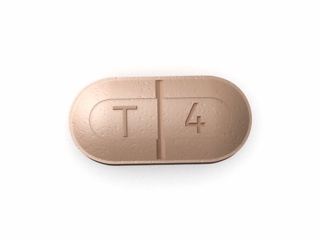


Levothroid (Levothyroxine) — Patient Guide (UK)
Levothroid contains levothyroxine, a medicine used to treat an underactive thyroid (hypothyroidism). It replaces or supplements the body’s natural thyroid hormone (thyroxine, T4), helping to restore normal metabolism, energy, temperature control, and many other bodily functions.
This guide explains how Levothroid works, typical uses, how to take it, key interactions (including with food and alcohol), and practical safety information for everyday life in the United Kingdom.
1. Basic product information
| Product | Active ingredient | What it’s used for |
|---|---|---|
| Levothroid | Levothyroxine (synthetic T4) | Hypothyroidism and related thyroid conditions |
| Medicine type | Thyroid hormone replacement | Used long-term in many people |
2. What levothyroxine is and how it works
Mechanism of action
Levothroid provides levothyroxine (T4), a synthetic form of the natural hormone produced by the thyroid gland. In the body, T4 is converted (mainly in the liver and other tissues) into the active hormone triiodothyronine (T3). T3 then binds to receptors inside cells, helping to regulate:
- Metabolism (energy use by the body)
- Heart rate and cardiovascular function
- Body temperature
- Growth and development (especially important in children)
- Brain function and mood (indirectly through normal metabolism)
- Skin, hair, and general well-being
When the thyroid is underactive, the body often cannot make enough T4/T3. Levothroid helps correct this hormone deficit.
3. Pharmacokinetics (how the body handles it)
The way levothyroxine behaves in the body is one reason it has to be taken consistently.
- Absorption: Levothyroxine is absorbed mainly in the small intestine. Absorption can be reduced by certain foods and supplements (see Food interactions).
- Distribution: After absorption, most levothyroxine binds to thyroid hormone transport proteins in blood.
- Conversion: The body converts T4 to T3 and also to inactive forms.
- Elimination: It has a relatively long half-life, meaning effects last for days. This helps steady treatment but also means dose changes may take time to fully settle.
4. Typical uses and indications in the UK
Levothroid is used to treat conditions where thyroid hormone levels are too low. Depending on the person, clinicians may use it for one or more of the following indications:
- Primary hypothyroidism (commonest type—thyroid gland not producing enough hormone)
- Secondary or tertiary hypothyroidism (less common—problem with pituitary/hypothalamus)
- Post-thyroidectomy (after surgery to remove the thyroid)
- After radioiodine treatment (when thyroid function becomes underactive)
- Thyroid hormone replacement in congenital or acquired thyroid failure, including long-term maintenance where appropriate
- Thyroid suppression therapy in certain thyroid cancers or nodules, where clinicians aim to reduce thyroid-stimulating hormone (TSH) stimulation (this depends strongly on individual assessment)
The exact reason you are taking Levothroid affects the target thyroid blood test ranges and the dosing plan.
5. Timing: how and when to take Levothroid
Consistency is crucial for levothyroxine. Even small changes in timing or whether you take it with food can affect absorption.
Common UK timing approach
- Many people take Levothroid once daily.
- A common strategy is to take it on an empty stomach, ideally with water.
- Typical advice (unless your healthcare professional has told you otherwise) is to take it about 30–60 minutes before breakfast.
- Alternatively, some people may be advised to take it at bedtime—but this still must be consistent and often requires a gap after the last meal.
Do not switch the brand or formulation without discussing it, because different preparations can have slightly different dosing characteristics. If you do switch, monitoring may be needed.
If you miss a dose
If you miss a dose, take it as soon as you remember on the same day, unless it is close to the next scheduled dose. If you are unsure, seek advice from your pharmacist or clinician. Avoid taking double doses to “catch up”.
6. Food interactions and absorption
Several foods can reduce levothyroxine absorption. The goal is to take Levothroid at a time when absorption is most predictable.
Key food-related considerations
- Coffee: Taking levothyroxine with coffee (or soon after) may reduce absorption in some people.
- High-fibre diets: High fibre can interfere with absorption for some individuals.
- Soy products: Soy may affect absorption in some cases.
- Calcium- or iron-rich foods: Not usually a problem if the medicine is taken separately, but spacing matters.
- Grapefruit and other foods: Generally not the main issue; the most important factors are timing and supplements/minerals.
Practical spacing rule
If you use supplements such as iron or calcium, or medicines containing them, try to take those at a different time than Levothroid. A common approach is to separate by several hours. Your pharmacist can advise based on your exact regimen.
7. Alcohol interactions
Moderate alcohol intake is not typically considered a direct cause of thyroid hormone failure, but alcohol can:
- Worsen general wellbeing or sleep quality, which may make symptoms harder to interpret.
- Interact indirectly with hydration and liver function in some individuals.
- Complicate adherence if it affects your ability to take the dose consistently at the same time each day.
If you drink alcohol, focus on consistency with your daily Levothroid routine. If you have liver disease or notice changes in symptoms, discuss this with your healthcare professional.
8. Medicine interactions (important)
Levothyroxine can interact with other medicines, mainly by affecting absorption, binding, or liver metabolism. Always check with a pharmacist if you start, stop, or change dose of any medication.
Common interaction categories
- Iron supplements and zinc-containing products: May reduce absorption if taken too close to Levothroid.
- Calcium supplements: Also may reduce absorption.
- Antacids (aluminium/magnesium-containing) and some ulcer medications: Can alter absorption depending on the product.
- Cholestyramine and other bile acid sequestrants: May reduce hormone uptake.
- Some epilepsy medicines and other medicines that affect liver enzymes: can influence thyroid hormone levels.
- Oestrogen-containing medicines (including some hormone replacement therapy options) or oestrogen-containing oral contraceptives may increase thyroid binding proteins, sometimes requiring dose adjustment.
- Amiodarone and other medicines that affect thyroid function may alter thyroid hormone requirements.
- Other thyroid medicines (e.g., antithyroid drugs) used for different thyroid conditions: your overall plan may need specialist oversight.
If you have multiple long-term medicines, keep a list and update it whenever you visit a healthcare professional.
9. Dosing: what to expect
Levothroid dose is individual. People with hypothyroidism respond differently depending on age, weight, underlying thyroid condition, heart health, and lab results (especially TSH and sometimes free T4).
General principles (non-personalised)
- Doses are usually adjusted gradually, particularly in older adults or those with heart disease, to avoid over-replacement.
- Blood tests are typically rechecked after changes so the dose can be fine-tuned.
- During periods such as pregnancy, dosing may need review, because thyroid hormone requirements can change.
Missed dose and dose changes
Because levothyroxine acts over time, taking an extra tablet occasionally will not necessarily cause immediate harm, but it can still affect thyroid levels. Use a consistent approach and seek advice if you are unsure.
10. Safety profile and when to seek help
Levothyroxine is widely used and generally safe when the correct dose is used and thyroid levels are monitored. However, both under- and over-treatment can cause problems.
Signs of too little thyroid hormone (under-replacement)
- Ongoing tiredness and low energy
- Cold intolerance
- Weight gain or difficulty losing weight
- Constipation
- Dry skin, hair changes
- Slower heart rate
Signs of too much thyroid hormone (over-replacement)
- Palpitations or fast heartbeat
- Feeling jittery, anxious, or unable to sleep
- Unexplained weight loss
- Heat intolerance
- Tremor
- Increasing frequency of angina symptoms in people with heart disease
If you develop significant palpitations, chest pain, severe breathlessness, or symptoms suggestive of an irregular heartbeat, seek urgent medical advice.
Special populations
- Older adults: dose may need to start low and be increased slowly.
- Heart disease: careful monitoring is important to avoid overstimulation.
- Pregnancy: thyroid targets are closely managed; do not stop treatment.
- Children: dosing is weight-based and monitoring is essential for growth and development.
11. Practical use tips for everyday life
- Choose a consistent routine: take it at the same time every day using a method that supports good absorption (commonly empty stomach with water).
- Plan around supplements: separate Levothroid from iron/calcium/antacids by several hours where possible.
- Keep the same brand: switching preparations can affect dosing; discuss changes with your pharmacist.
- Use a pill organiser: many people find this improves adherence.
- Track symptoms and labs: symptoms can overlap with other conditions, so thyroid blood tests remain the key measure for dose adjustment.
- Inform healthcare professionals: always tell dentists, pharmacists, and doctors you take levothyroxine.
- Be careful with diarrhoea or bowel changes: severe gastrointestinal illness may affect absorption in the short term. Seek advice if you have ongoing changes.
12. Alternatives to Levothroid (UK options)
If Levothroid is not suitable—often due to availability, personal tolerability, or dosing adjustments—there are other forms of levothyroxine available in the UK market. In some cases, clinicians may consider:
- Other levothyroxine preparations (different brands or strengths)
- Liquid levothyroxine options in selected situations (e.g., absorption difficulties), where available
- In rare or specialist-led scenarios, other thyroid hormone treatments may be discussed, such as combination approaches. These require careful oversight and are not suitable for everyone.
If you are considering an alternative, ask your pharmacist how conversion and monitoring would work.
13. UK market and legal context (how it fits in)
Levothroid (levothyroxine) is a well-established medicine used across the UK for thyroid replacement. In the UK, supply is regulated under medicines legislation and controlled by pharmacy and prescribing rules.
- The UK healthcare system uses lab monitoring (TSH and free T4) to guide safe dosing over time.
- Many people receive ongoing treatment via NHS services and community pharmacies.
- Always check that you are receiving the correct strength and formulation intended for you.
In line with UK safety practices, pharmacists may request information about your current thyroid treatment regimen, recent blood test results, and other medicines that could affect levothyroxine levels.
14. Recent guidance and monitoring considerations
Ongoing UK clinical practice emphasises:
- Regular thyroid function monitoring after starting treatment, after dose changes, and during key life events such as pregnancy.
- Consistency of formulation and timing to reduce variability in absorption.
- Review of interactions when new medicines/supplements are started or stopped.
- Careful dosing in older adults and those with heart disease, to minimise risk of over-replacement.
Local NHS and professional guidance may evolve over time. If you receive new advice from your healthcare team, follow it— it may reflect updated monitoring targets for your situation.
15. Delivery and availability (UK online pharmacy)
Levothroid availability can vary by strength and pack size due to supply logistics. When ordering online in the UK, you can typically expect:
- Multiple strengths may be listed (check the exact strength on the label).
- Discreet packaging for privacy.
- Estimated delivery times at checkout, depending on your location.
- If a product is temporarily out of stock, some pharmacies offer alternatives or estimated restock dates.
Always verify the strength and the active ingredient before use.
16. Storage
- Store at room temperature away from excessive heat.
- Keep tablets in their original packaging to protect from moisture.
- Store out of reach of children.
- Check the expiry date on the pack and do not use after expiry.
17. FAQ
How long does it take for Levothroid to work?
Many people notice improvements in symptoms over weeks, but thyroid levels and the full effect of a dose can take longer. Dose changes typically require follow-up blood tests because levothyroxine has a long duration of action.
Can I take Levothroid with breakfast?
For best absorption, Levothroid is usually taken before breakfast on an empty stomach. If you consistently take it with food, absorption may change and thyroid tests may drift, so discuss any change in routine with your pharmacist or clinician.
What if I take iron or calcium supplements?
Iron and calcium can reduce absorption if taken too close to Levothroid. Take supplements at a different time of day and ask your pharmacist how much separation is appropriate for your specific products.
Is it safe to drink alcohol?
Moderate alcohol is not usually a direct interaction with levothyroxine, but it may affect adherence and overall wellbeing. If you have liver disease or notice symptoms, seek advice.
Should I switch from Levothroid to another brand?
It may be possible, but switching can affect thyroid levels. If a switch is necessary (for example due to supply), monitoring and dose review may be recommended by your healthcare team.
What blood tests are used to monitor treatment?
TSH is commonly used to guide dosing. Free T4 may also be used, particularly in certain situations such as pregnancy, pituitary disease, or when results appear inconsistent with symptoms.
Can Levothroid be used in pregnancy?
Thyroid hormone replacement is important in pregnancy. If you are pregnant or planning pregnancy, discuss dose targets and monitoring with your healthcare team. Do not stop levothyroxine unless advised.
What should I do if I get diarrhoea or vomiting?
Severe or persistent gastrointestinal illness can affect absorption in the short term. If symptoms are significant or ongoing, speak to your pharmacist or clinician for advice, especially if you have upcoming blood tests.
Are there any serious side effects?
Serious issues are uncommon when dosing is correct. However, signs of over-replacement (fast heartbeat, chest pain, severe breathlessness) should be assessed promptly. Also seek advice if you develop unusual allergic-type symptoms such as swelling or breathing difficulty.
Summary
Levothroid (levothyroxine) is a cornerstone treatment for hypothyroidism. It replaces missing thyroid hormone and works by restoring normal levels of T4 and conversion to active T3. For the best results, take it consistently on an empty stomach, keep timing steady, and be mindful of interactions—especially with iron, calcium, and some foods. Regular blood tests help ensure your dose remains safe and effective.