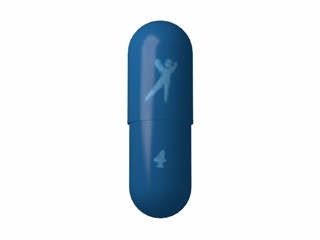


Detrol LA (Tolterodine) – Patient Information
Detrol LA is a brand of tolterodine, a medicine used to treat certain bladder problems. It belongs to a group of medicines called antimuscarinics, which help reduce bladder overactivity.
This page is written to help you understand what Detrol LA is for, how it works, how to take it safely, and what to expect. It also covers important interactions, safety information, and frequently asked questions for customers in the United Kingdom.
Basic product information
| Category | Details |
|---|---|
| Medicine name | Detrol LA |
| Active ingredient | Tolterodine |
| Formulation | Modified-release (LA = Long-acting) |
| Typical dosing schedule | Once daily |
| Use | Overactive bladder symptoms (urgent need to urinate, frequent urination, urge incontinence) |
Note: Strengths vary by product/pack. Always check the strength on your specific pack.
How Detrol LA works (mechanism of action)
Detrol LA contains tolterodine, which works by blocking muscarinic receptors in the bladder. These receptors are part of the signalling system that controls bladder muscle activity.
- By reducing muscarinic activity, tolterodine can help the bladder hold more urine.
- It may reduce involuntary bladder contractions.
- As a result, symptoms such as urgency, frequency, and urge incontinence can improve.
Detrol LA is designed as a long-acting medicine, which helps provide steady medicine levels over the day when taken once daily.
Pharmacokinetics (how the body handles the medicine)
Pharmacokinetics describes what the body does to the medicine—how it’s absorbed, distributed, metabolised, and eliminated.
Absorption and modified release
- Because Detrol LA is modified-release, tolterodine is released gradually.
- This helps support once-daily dosing.
Distribution
- Tolterodine is distributed throughout the body and binds to proteins.
Metabolism
- Tolterodine is metabolised primarily in the liver through enzyme pathways including CYP enzymes.
- This matters for interactions with other medicines that affect these enzymes.
Elimination
- Metabolites and some unchanged drug are eliminated mainly via the kidneys.
- Because of this, kidney function can influence how the medicine is handled.
Practical implication: if you have kidney or liver impairment, you may need dose adjustments or closer monitoring.
Typical use and indications
Detrol LA is used for the symptoms of overactive bladder (OAB), including:
- Urinary urgency (a sudden, difficult-to-delay need to urinate)
- Increased urinary frequency (passing urine more often than usual)
- Urge incontinence (leaking urine on the way to the toilet or immediately after feeling urgency)
It is intended to help control bladder symptoms and improve quality of life. It does not cure the underlying tendency to develop overactive bladder, but it can reduce symptoms.
When you should take Detrol LA (timing)
Detrol LA is typically taken once daily, at about the same time each day.
- Choose a time you can keep consistently (e.g., morning or evening).
- If you notice symptoms are worst at a certain time of day, your prescriber/pharmacist may advise adjusting your timing accordingly.
- If you miss a dose, follow the advice on your medicine label or patient information leaflet. In general, avoid taking extra tablets to compensate.
How quickly it works: some people notice improvement within the first few days, but full benefit may take longer. If you do not feel any improvement after a reasonable period, speak with a healthcare professional.
Dosing (what is usual)
Only use the dose specified for you on your label. The “usual” dose can depend on factors such as age, kidney function, liver function, and other medicines.
- Detrol LA is designed for once-daily use.
- The tablet/capsule is a modified-release formulation—do not crush or chew unless your specific product instructions say otherwise.
Important: People with significantly reduced kidney function or liver impairment often require lower dosing or careful supervision due to higher exposure to tolterodine.
How to take it (practical guidance)
- Swallow whole with water (do not crush or chew the modified-release product).
- You may take it with or without food (see food section below).
- Try to maintain good hydration unless you have been advised to restrict fluids.
- Use a bladder routine (e.g., planned toilet visits) alongside medication if advised.
If you have trouble swallowing tablets, speak to a pharmacist for advice on options that may be available for your situation.
Food interactions
Detrol LA can generally be taken with or without food. However, individual absorption may vary.
- For most people, no specific food restrictions are needed.
- Try to keep your routine consistent once you find a time that suits you.
If you notice that symptoms change significantly depending on meals (for example, taken on an empty stomach vs after eating), discuss this with a pharmacist.
Alcohol interactions
Alcohol may worsen some side effects of antimuscarinics, such as:
- Dizziness
- Drowsiness or slowed reaction
- Blurred vision
- In some people, dry mouth can feel worse with alcohol
It is best to be cautious with alcohol, especially when you first start treatment or after dose changes. If you feel light-headed or your vision is affected, avoid driving or operating machinery.
Medicine interactions (important)
Tell your pharmacist or healthcare professional about all medicines you take, including over-the-counter products, herbal remedies, and supplements. Some medicines may interact with tolterodine.
Other medicines with antimuscarinic effects
Using tolterodine alongside other medicines that also reduce muscarinic activity may increase the risk of side effects such as constipation, dry mouth, and urinary retention.
- Examples can include certain medicines for allergy (some antihistamines), motion sickness, stomach cramps, or Parkinson’s disease.
CYP enzyme interactions
Tolterodine is metabolised by liver enzymes (including CYP pathways). Medicines that inhibit or strongly affect these enzymes can raise tolterodine levels, increasing side effect risk.
- Always ask if you are starting or stopping another medicine.
Medicines that affect heart rhythm
Any medicine that can affect heart rhythm may require careful consideration. If you have existing rhythm problems or are taking heart medications, seek advice before starting Detrol LA.
Cholinergic medicines
Medicines that stimulate cholinergic activity may work against the effect of tolterodine. Your pharmacist can advise if any of your medicines belong to this group.
Safety profile and side effects
Like all medicines, Detrol LA can cause side effects. Many people experience mild effects that improve as the body adjusts.
Common side effects
- Dry mouth
- Constipation
- Indigestion or stomach discomfort
- Headache
- Dizziness
- Blurred vision or difficulty focusing (in some people)
Less common but important side effects
- Urinary retention (difficulty passing urine)
- Worsening of glaucoma in susceptible individuals
- Reduced sweating or overheating risk (especially in hot environments)
- Confusion or cognitive effects in some older adults
Seek urgent medical help if
- You develop symptoms of a severe allergic reaction (e.g., swelling of the face/lips, difficulty breathing, severe rash).
- You are unable to pass urine, particularly if you have bladder pain or discomfort.
- You experience severe worsening confusion or hallucinations.
Who should take extra care?
Discuss Detrol LA with a healthcare professional before use if you have:
- Urinary problems such as poor bladder emptying or a history of urinary retention
- Gastrointestinal conditions including severe constipation or bowel obstruction
- Glaucoma (particularly narrow-angle glaucoma)
- Myasthenia gravis (a muscle weakness condition)
- Significant liver or kidney impairment
- Fever or very hot environments (risk of reduced sweating)
- Older age, if you are more sensitive to antimuscarinic effects
Safety tips and practical use advice
- Manage dry mouth: sip water regularly, consider sugar-free chewing gum or sweets, and maintain oral hygiene.
- Prevent constipation: increase fibre and fluid intake if appropriate; consider discussing a suitable stool softener with your pharmacist if needed.
- Know your limits for driving: if you feel dizzy or have blurred vision, avoid driving until you feel normal again.
- Monitor urine flow: if you notice you are passing urine less than usual or struggling to start urination, seek advice promptly.
- Keep a symptom diary: track urgency episodes, frequency, and any leakage to help assess whether the medicine is working.
- Don’t stop suddenly without advice: if you plan to change treatment, consult a healthcare professional.
Missed dose and what to do
If you miss a dose, the best action depends on how far you are from the next dose. Generally:
- Do not take double the next dose to make up for a missed one.
- Check the patient information leaflet for your specific pack, or ask a pharmacist for tailored advice.
Alternative options (for overactive bladder)
There are other treatments for overactive bladder. The right option depends on your symptoms, medical history, and preference.
Non-medicine options
- Bladder training (scheduled toilet visits and gradual habit changes)
- Pelvic floor muscle training (often recommended for urge incontinence)
- Reducing bladder irritants such as caffeine and managing fluid timing (advice can be personalised)
Other medicine options
- Other antimuscarinics (different tolterodine products or alternative agents)
- Beta-3 agonists (in some cases) that relax the bladder muscle via a different pathway
If Detrol LA does not suit you due to side effects or lack of benefit, speak with a pharmacist or healthcare professional about alternatives.
Market and legal context in the United Kingdom
In the UK, overactive bladder treatments—including antimuscarinic medicines such as tolterodine—are available through the healthcare system according to current prescribing and supply rules. Medicines may be supplied under NHS services or private healthcare routes, depending on your circumstances.
Pharmacy supply in the UK is subject to regulations on medicine classification, safe supply practices, patient counselling, and record-keeping. Always ensure you receive the product that matches your prescribed dose and formulation.
Good to know: The availability of specific brands and strengths can vary. If a particular pack is out of stock, an alternative pack within the same active ingredient and correct formulation may be offered where appropriate and permitted.
Recent guidance and clinical considerations
Guidance for overactive bladder management in the UK typically emphasises:
- Assessment of symptoms and ruling out other causes of urinary issues (for example, infection, bladder outlet problems, or medication-related effects).
- Behavioural strategies such as bladder training and pelvic floor exercises.
- Use of medicines when symptoms significantly affect daily life, with attention to side effect profiles.
- Review after starting to confirm benefit and tolerability, particularly in older adults or those at risk of antimuscarinic side effects.
Because medicines can vary in side effect likelihood, healthcare professionals often tailor the choice and dose based on your history, other medicines, and kidney/liver function.
Delivery and availability (UK)
Online pharmacy availability can depend on pack size, strength, and stock levels. If Detrol LA is temporarily unavailable, you may be offered alternatives that contain the same active ingredient and are suitable for your needs.
- Dispatch: orders are usually dispatched within working days, depending on stock.
- Delivery options: standard and expedited delivery may be available at checkout.
- Packaging: medicines are typically supplied in manufacturer or pharmacy-compliant packaging.
- Temperature: store and transport according to the pack instructions.
If you have questions about delivery times for your postcode or about availability of specific strengths, check the pharmacy’s delivery information or contact customer support.
Storing Detrol LA
- Keep in its original packaging.
- Store at room temperature away from excessive heat and moisture.
- Keep out of the sight and reach of children.
- Do not use after the expiry date shown on the pack.
Frequently asked questions (FAQ)
1. What is Detrol LA used for?
Detrol LA is used to help control overactive bladder symptoms, such as urgency, frequent urination, and urge incontinence.
2. How long does it take to work?
Some symptom relief may occur within the first days, but it can take longer to reach the full effect. If you do not notice any improvement after a reasonable period, speak to a healthcare professional.
3. Can I take Detrol LA with food?
Yes. Detrol LA can usually be taken with or without food.
4. Does Detrol LA make me drowsy?
Some people experience dizziness or blurred vision. If you feel affected, avoid driving or operating machinery until you know how you respond.
5. What should I do if I get dry mouth?
Dry mouth is common. Sipping water, sugar-free gum, sweets, and good oral hygiene can help. If it becomes troublesome, speak to a pharmacist for personalised advice.
6. Can Detrol LA cause constipation?
Yes, constipation can occur. Increase fibre and fluids if appropriate, and discuss options if constipation becomes significant.
7. Is it safe to drink alcohol?
Alcohol may increase dizziness or worsen side effects like dry mouth. Use caution, especially when starting or changing your dose.
8. What medicines should not be taken with Detrol LA?
Tell your pharmacist about all your medicines. In particular, be cautious if you take other medicines with antimuscarinic effects or medicines that interact with liver enzymes. Always check before starting new medicines.
9. What if I can’t pee after starting Detrol LA?
If you cannot pass urine or have severe difficulty urinating, seek prompt medical advice. This can be a sign of urinary retention.
10. Are there alternatives if Detrol LA doesn’t suit me?
Yes. Options may include other antimuscarinic medicines or non-drug measures such as bladder training and pelvic floor exercises, and in some cases other medicine classes depending on your situation.
Reminder: This information is for guidance and does not replace the advice of a healthcare professional. If you have questions about your personal suitability for Detrol LA—particularly if you have kidney or liver problems, glaucoma, constipation issues, or you take other medicines—seek advice from a pharmacist.