

Dimenhydrinate (UK) – Antihistamine for Travel Sickness, Nausea and Vomiting
Dimenhydrinate is an over-the-counter medicine commonly used in the United Kingdom to help control symptoms such as nausea, vomiting, and dizziness, particularly those associated with travel sickness and other conditions affecting the balance system. It belongs to a group of medicines known as antihistamines.
This guide explains how dimenhydrinate works, when and how it’s usually taken, what to expect, and important safety information. Always read the patient information leaflet supplied with your medicine for the specific product strength and dosing instructions.
Basic Product Information
- Medicine name: Dimenhydrinate
- Medicinal type: Antihistamine (anti-emetic / motion sickness medicine)
- Common uses: Travel sickness, nausea and vomiting, vertigo-related nausea (where suitable)
- Availability in the UK: Often available from pharmacies and selected retailers as non-prescription treatment
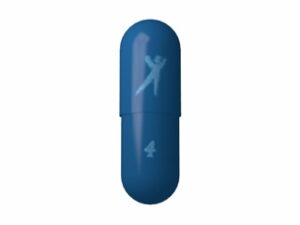
- Typical forms: Tablets/capsules or similar oral formulations (brand-specific)
Product strengths and formulations can vary by brand. If you’re unsure which version you have, check the label.
How Dimenhydrinate Works (Mechanism of Action)
Dimenhydrinate is a histamine H1 receptor antagonist. In simple terms, it blocks certain histamine signals that can trigger nausea, dizziness and symptoms related to movement sensitivity.
It also affects parts of the brain involved in the body’s sense of balance and nausea pathways, helping to reduce the “triggering” of vomiting and motion-sickness symptoms. As a result, dimenhydrinate is commonly used before situations that cause nausea (such as travel) to prevent symptoms from building up.
Pharmacokinetics (Absorption, Distribution, Metabolism and Elimination)
While exact timing can vary between individuals and formulations, dimenhydrinate generally follows these broad patterns:
- Onset: Oral dosing typically starts helping within about 30 to 60 minutes (earlier or later for different people).
- Peak effect: Effects often peak after the medicine is absorbed from the gut.
- Duration: Symptom relief commonly lasts several hours, which is why dosing schedules may be repeated if needed.
- Metabolism: Processed mainly by the liver.
- Elimination: Metabolites are removed mainly via urine.
If you have liver or kidney conditions, you may need extra caution. For personalised advice, consult a pharmacist.
Typical Uses in the UK
Dimenhydrinate is used to relieve symptoms such as:
- Travel sickness (motion sickness) – nausea, vomiting, and dizziness caused by travelling
- Nausea and vomiting where this type of medicine is appropriate
- Dizziness associated with motion/balance disturbances (symptom relief may be helpful in some cases)
It may also be used in short-term situations where nausea control is needed. However, it’s not a cure for the underlying cause. Persistent or severe symptoms should be assessed by a clinician.
Timing and When to Take Dimenhydrinate
Timing is especially important for travel sickness.
- For travel (prevention): Take dimenhydrinate before you start travelling—often about 30 minutes prior. If your symptoms typically start earlier, follow the leaflet guidance for your age group.
- If symptoms start during travel: It may still help, but taking earlier tends to be more effective.
- For nausea unrelated to travel: Follow the dosing instructions for your age and product strength.
If you miss a dose, don’t take extra to “catch up.” Take your next dose at the correct time, unless the leaflet advises otherwise.
Food Interactions
Dimenhydrinate is usually taken with or without food. Food may affect how quickly you feel the effect, especially in people with sensitive stomachs.
- Taking with food: Can reduce the chance of stomach discomfort for some people.
- Taking without food: May start working slightly faster for some individuals, but it can feel harsher on the stomach.
If you’re prone to nausea, many people find a light snack or food-safe timing helps them tolerate the dose better.
Alcohol and Medicine Interactions
Alcohol
Combining dimenhydrinate with alcohol can increase the risk of side effects such as:
- drowsiness or excessive sedation
- slowed reaction times
- dizziness and impaired coordination
For safety, it’s best to avoid alcohol while taking dimenhydrinate, especially before travel or when you need to be alert.
Other medicines (common interaction themes)
Dimenhydrinate may interact with other medicines that also cause drowsiness or affect the nervous system. Always tell your pharmacist or doctor about all medicines you use, including over-the-counter products.
- Other sedating antihistamines or cold/flu remedies containing antihistamines
- Sleep medicines or strong painkillers (e.g., opioids), where sedation may be amplified
- Medicines that can cause drowsiness (some anxiety medicines, antipsychotics, muscle relaxants)
- Medicines with anticholinergic effects (may add to side effects such as dry mouth or constipation)
If you’re unsure whether a medicine contains sedating ingredients, check the label for antihistamines (often ending in “-drine” or “-astine”).
Indications (When Dimenhydrinate May Be Appropriate)
In the UK, dimenhydrinate is typically indicated for symptom relief in conditions where motion sensitivity and nausea are prominent, including:
- Motion sickness / travel sickness – prevention and treatment of nausea, vomiting and dizziness associated with travel
- Nausea and vomiting – short-term symptomatic relief where appropriate
- Vertigo-related nausea – may help relieve nausea caused by certain balance disturbances (follow professional advice if symptoms persist)
If vomiting is accompanied by fever, severe headache, blood in vomit, signs of dehydration, or neurological symptoms, seek urgent medical advice rather than relying on self-treatment.
How to Take Dimenhydrinate (Dosing Guidance)
Dose depends on the age, symptoms, and the exact product strength. Always use the dosing instructions printed on your medicine pack or in the leaflet.
The table below provides general dosing ranges commonly used for dimenhydrinate products in the UK. Please check the leaflet for your specific formulation.
| Age group | Typical dosing approach (general guidance) | Notes |
|---|---|---|
| Adults | Often taken as a single dose, then repeated if needed according to the leaflet | For travel sickness, take before travel (commonly ~30 minutes prior) |
| Children | Dose is usually based on age (and sometimes weight), with specific limits for maximum daily amounts | Use only the child-appropriate product strength and dosing instructions |
| Elderly | May require extra caution due to higher risk of dizziness, confusion, and falls | Follow the leaflet and consider pharmacist advice |
Important: Do not exceed the maximum daily dose listed in your leaflet. If symptoms do not improve, consider speaking to a pharmacist rather than taking more doses.
Safety Profile and Side Effects
Like all medicines, dimenhydrinate can cause side effects. Not everyone will experience them. Side effects are more likely at higher doses or in people who are sensitive to antihistamines.
Common side effects
- Drowsiness or sleepiness
- Dizziness
- Dry mouth
- Blurred vision (in some people)
- Constipation or difficulty passing urine (more likely in susceptible people)
- Stomach discomfort or nausea (occasionally)
Less common or serious effects (seek advice urgently)
- Signs of an allergic reaction: swelling of face/lips, rash, wheezing, difficulty breathing
- Severe confusion, unusual agitation, hallucinations
- Fainting or severe drowsiness
- Fast or irregular heartbeat
If any serious symptoms occur, seek urgent medical attention.
Who should be extra careful
- People with glaucoma (especially narrow-angle glaucoma)
- Prostate enlargement or difficulty urinating
- Severe liver disease (dose adjustments may be needed)
- Elderly people with higher fall risk or increased sensitivity to sedating antihistamines
- Anyone taking other medicines that cause drowsiness
Practical Use Tips (Get More From Your Dose)
- Plan ahead for travel: For best prevention, take dimenhydrinate before you begin travelling.
- Limit sedating activities: Until you know how you respond, avoid driving, cycling, or operating machinery.
- Stay hydrated: Sip water regularly, especially if you’re prone to vomiting.
- Go easy on triggers: On boats or in cars, try looking at the horizon and keep ventilation comfortable.
- Light meals help: A small bland snack may be easier than a heavy meal before travel.
- Keep to the leaflet schedule: Don’t extend intervals by guessing; follow the pack instructions.
Alternative Options
Depending on the cause of your symptoms and your personal preferences, other options may be suitable. A pharmacist can help you choose.
Other commonly used travel sickness treatments
- Dimenhydrinate alternatives within the same purpose (some antihistamines used for motion sickness)
- Non-medicine measures: ginger preparations for some people, acupressure wristbands, fresh air, and choosing seating with less motion
- Medicines targeting different pathways (e.g., anti-vomiting medicines available by different routes depending on clinical assessment)
If you have frequent or severe travel sickness, talk to a pharmacist for advice on which option fits your age, medical history, and travel pattern.
UK Market and Legal / Guidance Context
In the United Kingdom, many medicines for common symptoms are sold through community pharmacies under standard supply arrangements. Product classification can vary by formulation, strength, and age restrictions. Always use the product as directed for your specific pack.
Consumer guidance typically emphasises:
- Correct self-care for short-term symptoms where suitable
- Reading the leaflet carefully, especially for warnings and dosing limits
- Not combining overlapping medicines (particularly sedating antihistamines in cold/flu products)
- Seeking medical advice when symptoms persist, worsen, or are accompanied by red-flag features
Guidance from UK health bodies and medicines regulators commonly reinforces appropriate use and caution in groups at higher risk (such as children, the elderly, and people with conditions affected by anticholinergic side effects).
Note on “recent guidance”: Over time, official safety communications and updates may refine how antihistamines should be used, particularly around sedation and use in children. If you have specific concerns (e.g., age-related dosing, driving risk), check the current leaflet included with your pack or ask a pharmacist.
Delivery and Availability in the UK
Many dimenhydrinate products are available online from UK pharmacies or pharmacy retailers. Availability can depend on brand and formulation, but it is commonly stocked for travel and motion-sickness seasonal demand.
- Typical delivery: Same day/next day options may be available depending on your location and the retailer’s courier network.
- Cold/temperature sensitivity: Usually not required for room-temperature OTC tablets, but always follow the storage instructions on the pack.
- Order considerations: Peak holiday travel periods may affect dispatch times—ordering early can help.
When your order arrives, check:
- the expiry date
- that the strength matches what you intended
- packaging is intact
Frequently Asked Questions (FAQ)
1) Is dimenhydrinate safe for everyone?
Not for everyone. Antihistamines can cause drowsiness and have caution areas (for example, glaucoma or difficulty urinating). Check the patient leaflet and ask a pharmacist if you have medical conditions or take other medicines.
2) Will dimenhydrinate make me sleepy?
It can. Drowsiness is one of the most common effects. Avoid driving and other tasks requiring alertness until you know how it affects you. Avoid alcohol as well.
3) When should I take dimenhydrinate for travel sickness?
For prevention, take it before you travel, often about 30 minutes before departure. If symptoms start, it may still help, but earlier dosing is usually more effective.
4) Can I take dimenhydrinate with food?
Generally yes. You can take it with or without food. If it upsets your stomach, taking with a light meal may improve tolerance.
5) Can I drink alcohol while taking it?
It’s recommended to avoid alcohol while using dimenhydrinate because the combination can increase sedation and dizziness.
6) What if my symptoms don’t improve?
If nausea or vomiting persists, becomes severe, or you develop warning signs such as dehydration, blood in vomit, severe headache, or fever, stop self-treatment and seek medical advice.
7) Can I take other cold and flu medicines at the same time?
Be cautious. Many cold/flu products contain antihistamines that can overlap with dimenhydrinate’s effects and increase drowsiness. Always check labels and ask a pharmacist if unsure.
8) Is dimenhydrinate suitable for children?
Child dosing depends on age and the specific product. Use only age-appropriate formulations and follow the leaflet exactly. If you’re unsure, speak to a pharmacist.
9) How long does dimenhydrinate take to work?
Effects often begin within about 30 to 60 minutes after taking an oral dose, though individual results vary.
10) Are there non-drug ways to reduce travel sickness?
Yes—many people find helpful strategies such as looking at the horizon, choosing a seat with less motion, improving ventilation, and eating light meals. Ginger and acupressure wristbands may help some individuals.
Summary
Dimenhydrinate is an antihistamine used in the UK for symptom relief of travel sickness, including nausea, vomiting and dizziness. Taking it before travel often provides the best prevention. As it can cause drowsiness, avoid alcohol and be cautious with driving or machinery.
If your symptoms are frequent, severe, or not improving with self-care, consider professional advice to identify the underlying cause.